In an era dominated by fleeting social media posts and AI-generated imagery, documentary photography stands as an irreplaceable pillar of truth, memory, and human connection. But why is documentary photography important in our modern world? The answer extends far beyond simple aesthetics—it touches on justice, history, empathy, and the very fabric of how we understand our shared humanity.

The Power of Visual Truth in a Digital Age
Documentary photography serves as one of our most reliable witnesses to reality. Unlike staged photography or digital manipulation, authentic documentary work captures moments as they genuinely unfold, creating an undeniable record of events, people, and places. Organizations like World Press Photo and Magnum Photos have long championed this commitment to visual truth. In our current landscape of deepfakes, misinformation, and “alternative facts,” this truthful visual documentation has never been more critical.
When photographs from the civil rights movement, the Vietnam War, or the Syrian refugee crisis emerge, they carry a weight that words alone cannot match. These images bypass language barriers and cultural differences, speaking directly to our shared human experience. They provide evidence that history cannot erase and lies cannot easily distort. Platforms like The New York Times Lens Blog and The Guardian’s photography section continue to showcase the power of documentary work in contemporary journalism.
Driving Social Change and Awareness
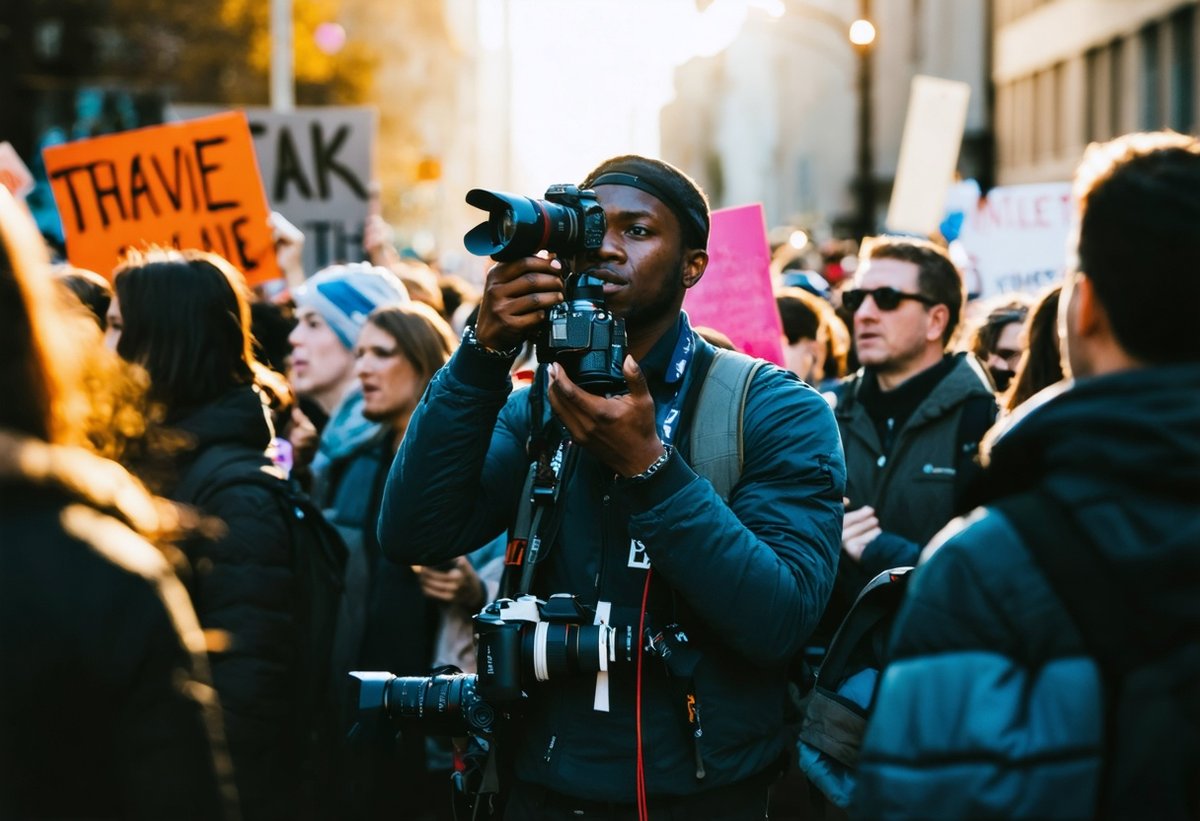
Throughout history, documentary photography has been a catalyst for profound social transformation. Lewis Hine’s photographs of child laborers in early 20th-century America directly contributed to child labor law reforms. Dorothea Lange’s “Migrant Mother” brought the Great Depression’s human toll into sharp focus, influencing public policy and relief programs. The Library of Congress preserves these historic images, making them accessible for education and research. More recently, images of environmental destruction, police brutality, and humanitarian crises have mobilized millions to demand change.
Why is documentary photography important for activism? Because it makes the invisible visible. It forces comfortable societies to confront uncomfortable truths. A single photograph can crystallize complex social issues into one powerful moment that millions can understand and feel compelled to address. Documentary photographers often venture into spaces most people never see—war zones, poverty-stricken communities, marginalized populations—and bring back evidence that demands response. Organizations like the Pulitzer Center support this vital work through grants and storytelling platforms.
Preserving Cultural Heritage and Memory
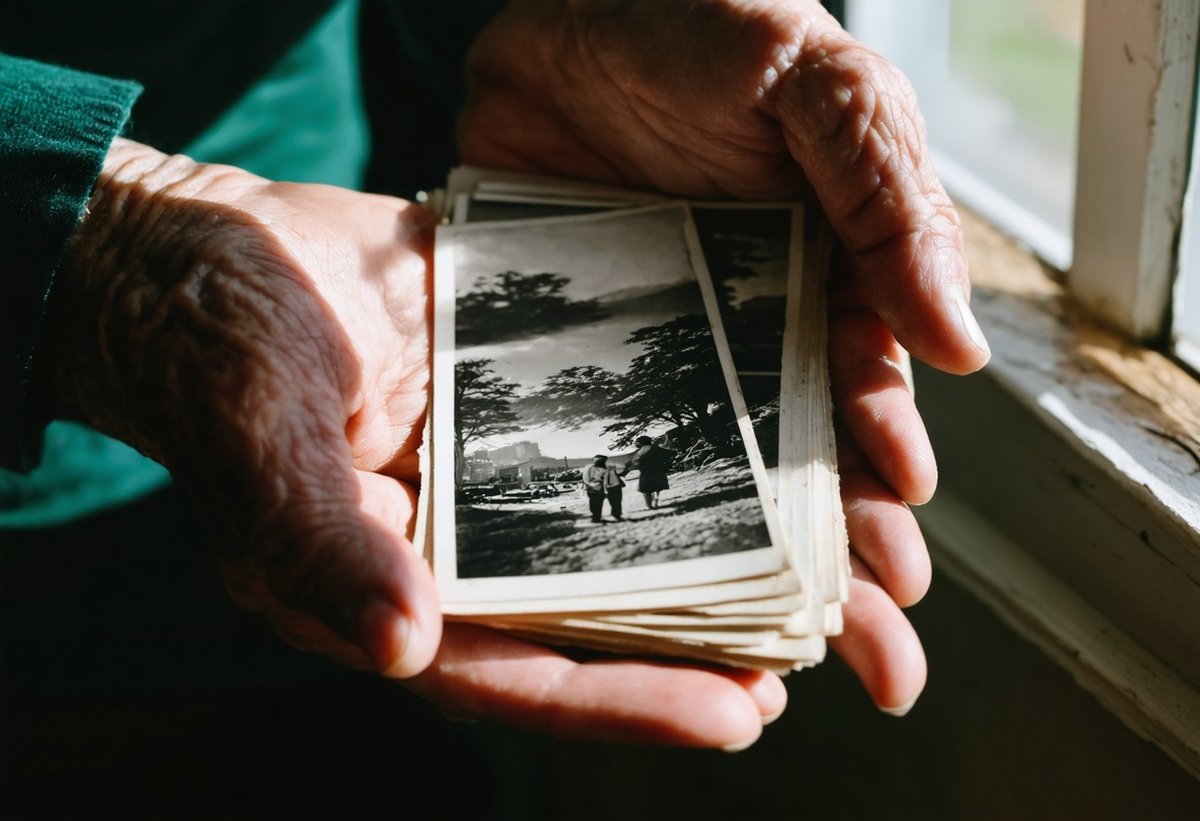
Communities, traditions, and ways of life disappear every day. Indigenous languages fade, traditional crafts are forgotten, and entire neighborhoods are demolished and rebuilt. Documentary photography acts as a time capsule, preserving cultural moments for future generations who might otherwise have no window into their ancestors’ world. Projects funded by organizations like the National Geographic Society help document endangered cultures and environments before they vanish.
This preservation function extends beyond exotic or endangered cultures. Documentary photographers capture everyday life—the way people dressed, worked, celebrated, and mourned in particular historical moments. These seemingly mundane details become invaluable historical resources. Fifty years from now, today’s documentary photographs will show future generations what life looked like during the COVID-19 pandemic, the climate crisis, the digital revolution, and the social movements of our time.
Creating Emotional Connections and Empathy
Statistics and reports inform the mind, but documentary photography touches the heart. When we see the wrinkled hands of an elderly refugee, the hopeful eyes of a child in poverty, or the devastation on a mother’s face after losing her home to climate disaster, something shifts within us. We recognize shared humanity in ways that abstract data cannot convey.
This empathetic connection is why documentary photography remains important in education, journalism, and humanitarian work. It transforms “others” into individuals with stories, struggles, and dignity. Research consistently shows that visual narratives increase emotional engagement and motivate action more effectively than text-based information alone. In a world increasingly divided by political and cultural boundaries, documentary photography builds bridges of understanding.
After all, and as our article about emotional images explains, we empathize with other people’s emotions because we can’t avoid identifying ourselves with them.
Providing Historical Evidence and Accountability
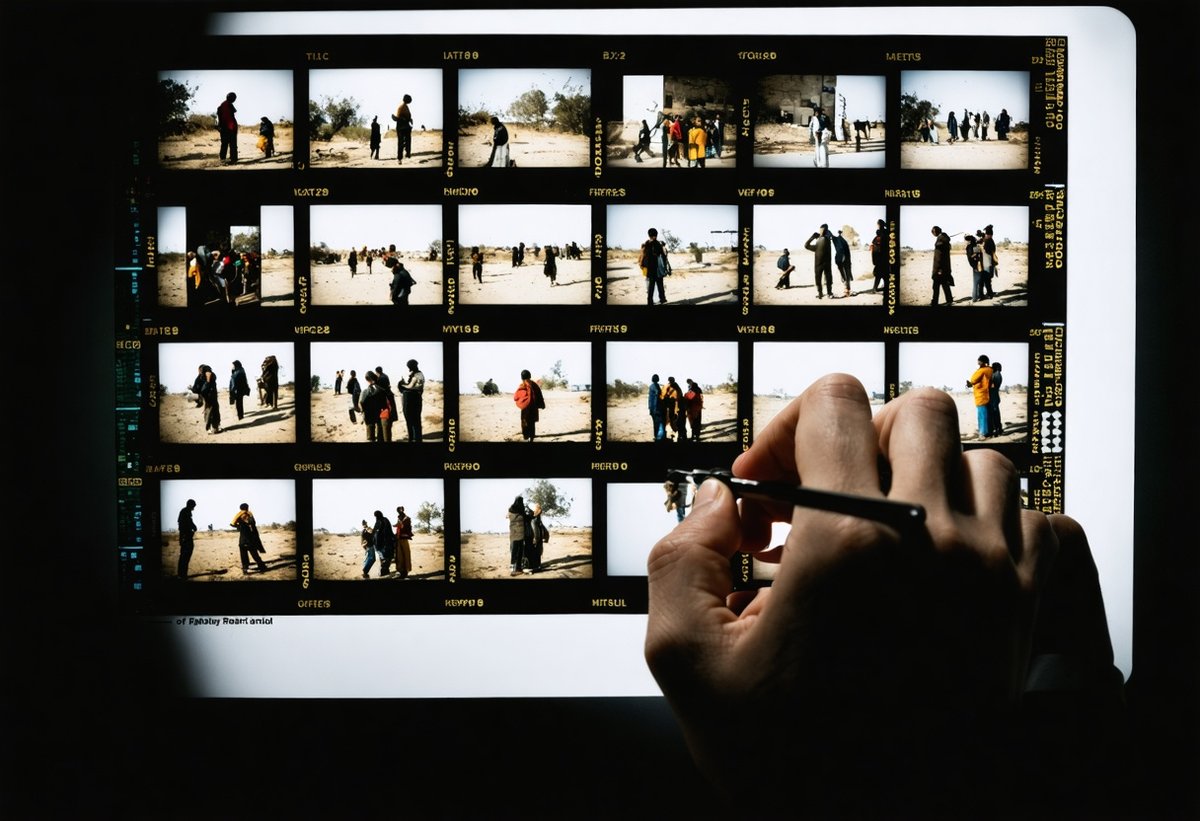
Documentary photographs serve as crucial evidence in courts of law, historical investigations, and human rights tribunals. They document war crimes, environmental destruction, civil rights violations, and countless other situations where visual proof becomes essential for justice and accountability. Reuters and Associated Press maintain rigorous standards for photojournalistic evidence used worldwide.
The photographs from Abu Ghraib prison, for instance, provided undeniable evidence of torture and abuse. Images of melting glaciers and rising sea levels offer visual proof of climate change. Documentation of protest movements creates historical records that governments cannot easily revise or deny. This evidentiary function makes documentary photography a form of power—the power to hold institutions, individuals, and societies accountable to truth. The Committee to Protect Journalists works globally to defend photojournalists who face threats while documenting these crucial stories.
Educating and Informing Public Discourse
Why is documentary photography important for education? Because it makes learning immediate and visceral. Students who see Gordon Parks’ photographs of segregation understand systemic racism more deeply than through textbooks alone. Medical students studying global health gain critical perspective from images of healthcare disparities worldwide. Environmental science becomes more urgent when paired with documentation of species extinction and habitat destruction. Institutions like the International Center of Photography offer educational programs that teach visual literacy and documentary practice.
Documentary photography enriches journalism, textbooks, museums, and public exhibitions. It provides the visual context that helps audiences understand complex issues—from political conflicts to technological changes to social movements. National Geographic has pioneered this approach for over a century, combining stunning imagery with educational storytelling. In an attention-scarce world, powerful imagery cuts through noise and makes information memorable.
Challenging Power Structures and Giving Voice to the Marginalized
Perhaps one of the most vital aspects of why documentary photography is important lies in its ability to amplify marginalized voices. Professional documentary photographers often turn their lenses toward communities that mainstream media ignores—homeless populations, immigrant communities, rural poverty, LGBTQ+ lives, disability rights movements, and countless others.
By documenting these lives with dignity and complexity, photographers challenge dominant narratives and stereotypes. They shift who gets to tell stories and whose stories matter. Contemporary documentary photographers increasingly come from the communities they document, offering insider perspectives that counter exploitative or superficial coverage. Organizations like Diversify Photo work to ensure more inclusive representation in photojournalism. This democratization of storytelling through documentary photography helps create a more inclusive and accurate record of human experience.
Navigating Modern Challenges: Authenticity in the Instagram Era
The digital age presents both opportunities and challenges for documentary photography. While smartphones and social media have democratized image-making—allowing anyone to document events in real-time—they’ve also blurred lines between authentic documentation and staged content. Influencer culture, filters, and performative photography have made many viewers skeptical of all imagery.
This context makes ethical documentary photography more important than ever. Professionals committed to truthful representation, minimal manipulation, and contextual integrity provide a counterbalance to the sea of curated and artificial imagery. Organizations like World Press Photo, the Pulitzer Center, and the International Center of Photography maintain standards that help audiences distinguish between genuine documentation and fabricated content. The National Press Photographers Association also upholds ethical guidelines that ensure photojournalistic integrity.
The Economic and Professional Value
Beyond its social and historical importance, documentary photography represents a vital professional field. Photojournalists, humanitarian photographers, and documentary artists provide essential services to news organizations, NGOs, museums, and publications worldwide. Their work supports informed citizenship, cultural preservation, and social advocacy. Professional organizations like the National Press Photographers Association (NPPA) and American Society of Media Photographers (ASMP) advocate for photographers’ rights and professional standards.
The field also contributes economically through exhibitions, photobooks, galleries, and commercial applications. Documentary projects often become important cultural artifacts—books like “The Americans” by Robert Frank or “A Paradise Built in Hell” photographic series become valuable both financially and culturally. Museums like The Museum of Modern Art (MoMA) and The Metropolitan Museum of Art house significant photography collections that preserve this heritage.
Confronting Climate Crisis and Environmental Destruction
As environmental challenges accelerate, documentary photography plays an irreplaceable role in showing what’s at stake. Photographers document melting ice caps, deforestation, species extinction, pollution, and the human impacts of climate change. These images appear in scientific reports, policy discussions, and public campaigns, making abstract environmental threats visually concrete. National Geographic and organizations like SeaLegacy use powerful imagery to drive environmental awareness and action.
Photographers like Sebastião Salgado, James Balog, and Cristina Mittermeier have created bodies of work that fundamentally shape how millions understand environmental issues. Their images appear in climate negotiations, educational materials, and activism campaigns worldwide. Why is documentary photography important for environmentalism? Because seeing the crisis makes it impossible to ignore. Recognition from organizations like World Press Photo’s Environmental Story category highlights the critical role these photographers play.
Technology’s Role: Drones, Satellites, and New Perspectives
Modern documentary photography increasingly incorporates new technologies—drones capture perspectives previously impossible, satellite imagery reveals environmental changes over time, and 360-degree photography creates immersive experiences. These technological advances expand what documentary photography can show and how deeply it can engage audiences.
Virtual reality documentary photography now places viewers inside refugee camps, protest movements, and endangered ecosystems. These innovations don’t replace traditional documentary work but enhance its power to inform and move audiences. The fundamental mission remains unchanged: bearing witness to reality and sharing it with others.
The Ethical Dimensions: Responsibility and Representation
Documentary photography carries significant ethical responsibilities. Photographers must navigate consent, representation, potential harm, and the power dynamics inherent in pointing a camera at vulnerable subjects. Questions arise: Who has the right to document whom? How should photographers compensate or share benefits with communities they document? When does documentation help versus exploit? The National Press Photographers Association Code of Ethics provides guidance on these complex issues.
These ethical considerations make documentary photography more important as a thoughtful practice, not less. The field continually evolves its standards, with photographers increasingly prioritizing collaborative approaches, long-term relationships with subjects, and benefit-sharing models. This ethical maturation strengthens documentary photography’s credibility and impact.
Building Cultural Understanding Across Borders
In our globalized yet divided world, documentary photography fosters cross-cultural understanding. It allows people in one country to see daily life, celebrations, struggles, and humanity in distant places. This visual exchange counters xenophobia, stereotypes, and ignorance.
Projects documenting life in Iran help Western audiences see beyond political rhetoric. Images from rural America challenge coastal urban assumptions. Documentation of indigenous communities worldwide preserves knowledge while building respect for cultural diversity. This bridge-building function addresses why documentary photography is important for global citizenship and peace.
The Legacy Factor: Images That Outlive Their Creators
Powerful documentary photographs transcend their immediate moment and become historical touchstones. “Tank Man” from Tiananmen Square, “Napalm Girl” from Vietnam, “Lunch Atop a Skyscraper” from Depression-era New York—these images achieve iconic status, representing entire eras and issues through single frames. Collections at TIME Magazine showcase photography that changed the world.
Documentary photographers create legacies that inform future generations. Their work enters museums, archives, and collective memory, shaping how history is remembered and understood. This longevity gives documentary photography unique importance—today’s images become tomorrow’s historical evidence.
The Personal Stories: Humanizing Statistics
Every major issue—war, poverty, migration, disease—generates statistics that can numb us through their scale. Documentary photography counters this numbness by showing individual faces and stories within those statistics. One photograph of a specific child affected by famine does what a report about millions starving cannot: it makes us feel and therefore act.
This humanization doesn’t minimize the statistical reality but makes it emotionally accessible. It transforms abstract problems into personal stories we can empathize with and respond to. This is perhaps the simplest answer to why documentary photography is important: it helps us care about people we’ve never met.
Looking Forward: The Future of Documentary Photography
As artificial intelligence generates increasingly convincing fake images, authentic documentary photography will become even more valuable. Blockchain verification, forensic analysis, and trusted institutional backing may help audiences identify genuine documentation amid a flood of synthetic imagery.
The next generation of documentary photographers will likely combine traditional photographic skills with digital literacy, ethical frameworks, and multimedia storytelling. They’ll work across platforms—from traditional print to social media to immersive experiences—while maintaining the core mission: truthfully documenting reality for audiences who need to see it. Educational institutions like the Missouri School of Journalism and Columbia Journalism School continue training the next generation of visual storytellers with these evolving skill sets.
Conclusion: Why Documentary Photography Matters More Than Ever
So why is documentary photography important nowadays? Because truth matters. Because memory matters. Because evidence, empathy, and accountability matter. In an age of information overload and visual manipulation, documentary photography provides anchors to reality—showing us who we are, where we’ve been, and what we’re becoming.
It makes the invisible visible, gives voice to the silenced, and creates records that outlast political spin and historical revision. It educates, inspires, and challenges us. It documents injustice and celebrates humanity. It preserves cultures and catalyzes change.
Documentary photography remains important because humanity needs witnesses—skilled observers committed to truth who can show us ourselves clearly enough that we cannot look away. In a world that desperately needs both truth and empathy, documentary photography delivers both through the universal language of images. This isn’t just important; it’s essential for any society that values justice, memory, and human dignity.