In the evolving world of marketing, the role of photography transcends mere image capturing. Photography is a profound medium of communication and expression that necessitates continual learning and adaptation. Marketing photography education provides essential insights and techniques for marketers, photographers, and visual storytellers aiming to craft impactful messages. By tapping into the resources offered by esteemed art and photography institutions, individuals can significantly refine their skills and broaden their understanding of visual language. This article explores how various prestigious institutions contribute to the development of marketing photography, highlighting their unique programs and the opportunities they present for enhancing marketing strategies in an increasingly visual world.

Why Marketing Photography Education Matters in 2025
The digital landscape has fundamentally transformed how brands communicate with their audiences. With visual content generating 94% more views than text-based content, the demand for sophisticated photography skills in marketing has never been higher. Marketing photography education bridges the gap between artistic vision and commercial effectiveness, teaching professionals how to create images that not only captivate aesthetically but also drive measurable business results.
Today’s marketing photographers must understand color psychology, composition theory, brand storytelling, and technical execution—all while staying current with emerging trends like AI-assisted photography workflows and social media optimization. Formal education from established institutions provides the structured framework necessary to master these multifaceted skills efficiently.

Art and Photography Institutions: Navigating the Resources
The meticulous craft of marketing through photography is not only an art but also a discipline that can be refined and enhanced by engaging with the bedrocks of photographic education and cultural heritage. Marketers, photographers, and anyone involved in visual storytelling can greatly benefit from the knowledge, inspiration, and historical context that art and photography institutions offer. These institutions serve as living laboratories where theory meets practice, tradition intersects with innovation, and creative vision aligns with commercial viability.
Here, we delve into a selection of significant institutions that leave indelible marks on the world of photography and how they serve as invaluable resources for those in the marketing and photography sectors.
International Center of Photography (ICP) – New York City
Located in the heart of New York, the International Center of Photography (ICP) stands as a fortress of photographic education and exhibition. Founded in 1974 by Cornell Capa, ICP has evolved into one of the world’s leading institutions dedicated to photography and visual culture. With a dynamic range of programs including certificate and degree offerings, as well as continuing education workshops, ICP is both a learning institution and a museum.
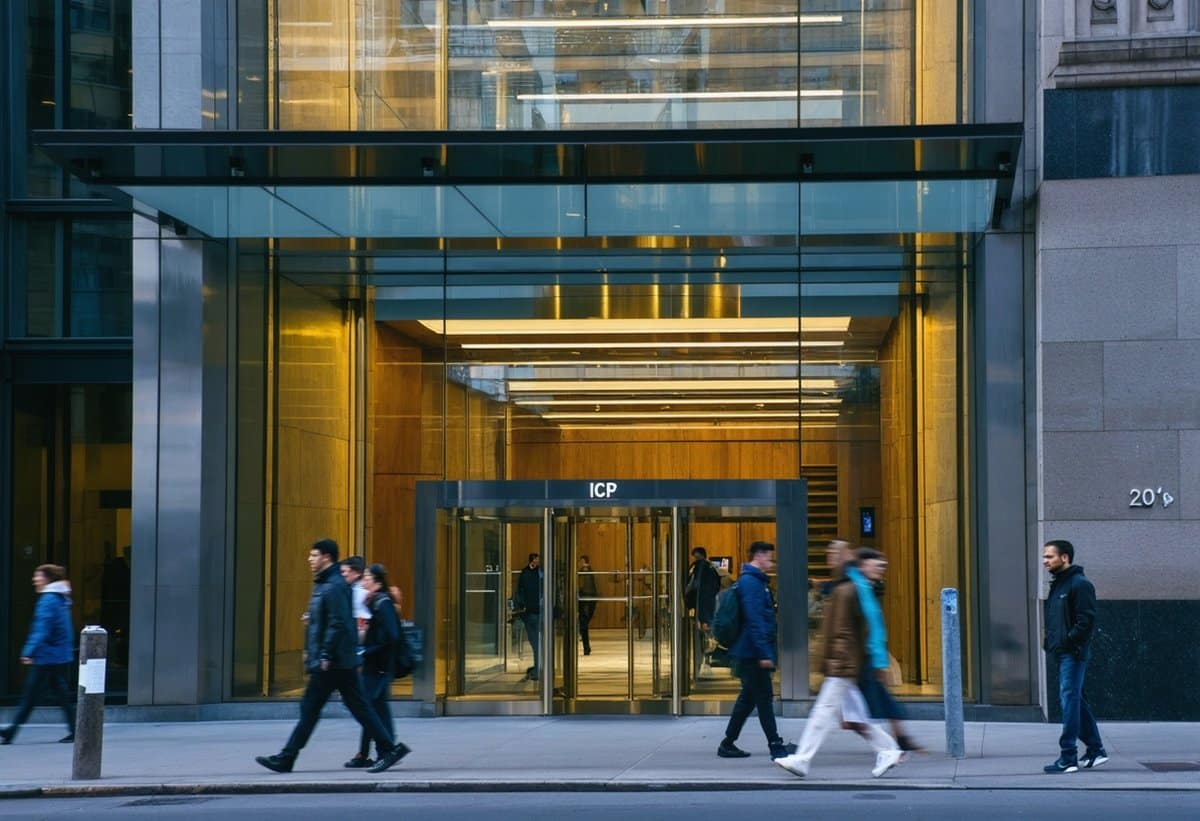
By diving into ICP’s resources, marketers can gain a thorough understanding of visual language, craft poignant narratives, and deploy imagery that resonates with audiences on a deep level. The institution’s One-Year Certificate Program in Documentary Practice and Visual Journalism is particularly valuable for marketing professionals seeking to develop authentic storytelling capabilities. Furthermore, ICP’s regular exhibitions featuring contemporary and historic works can serve as a wellspring of inspiration for marketing campaigns, offering insights into how photographers throughout history have captured attention and conveyed complex messages through single images.
ICP also offers specialized workshops in commercial photography, lighting techniques, and digital post-production—skills directly applicable to creating compelling marketing materials. Their evening and weekend courses make professional development accessible even for working marketers with demanding schedules.
New York Institute of Photography (NYIP) – Online
The New York Institute of Photography offers one of the largest and longest-running photography schools in the world, with a history spanning over a century. With their comprehensive online courses, NYIP brings professional photography instruction into the digital age, allowing marketers and photographers to develop their skills remotely from anywhere in the world.
Understanding techniques ranging from image composition to advanced digital editing can vastly improve the aesthetic quality of marketing materials, and NYIP’s flexible online format ensures that even the busiest marketer can fit education into their schedule. Their Professional Photography Course covers essential topics including exposure, lighting, composition, and post-processing, while specialized tracks focus on commercial photography, product photography, and portrait work—all critical disciplines for marketing applications.
What sets NYIP apart is their mentorship model, where students receive personalized feedback from professional photographers on their submitted work. This one-on-one guidance accelerates skill development and helps students understand how to apply technical knowledge to real-world marketing scenarios. The institution also provides business training, teaching photographers how to price their services, market their work, and build sustainable careers—knowledge equally valuable for in-house marketing teams managing photography budgets.
Rhode Island School of Design (RISD) – Providence
RISD holds a sterling reputation not only for its fine arts programs but also for photography. Consistently ranked among the top art and design schools globally, RISD’s rigorous curriculum pushes students to consider critical and aesthetic dimensions of photography, setting a foundation for producing thought-provoking visual content that transcends conventional marketing imagery.
The Photography Department at RISD emphasizes both analog and digital processes, encouraging students to understand the medium’s historical foundations while embracing contemporary technologies. This dual approach produces photographers who can create work with conceptual depth and technical excellence—qualities that elevate marketing campaigns from merely promotional to genuinely memorable.

Marketers can follow the public programs and exhibitions at the RISD Museum to grasp the cutting edge of photographic artistry, encouraging a more sophisticated application of imagery within their work. The museum’s collection includes over 100,000 objects spanning ancient to contemporary periods, providing endless inspiration for visual storytelling. RISD’s emphasis on interdisciplinary collaboration also teaches students how photography intersects with graphic design, branding, and user experience—crucial knowledge for integrated marketing campaigns.
Parsons School of Design – New York City
As part of The New School, Parsons School of Design in New York City is another beacon of artistic excellence with a curriculum that seamlessly blends design, photography, and marketing. Parsons equips students with the acumen to create impactful visual campaigns that resonate in today’s saturated media environment.
Marketers looking to sharpen their branding and storytelling can look to Parsons for emerging trends and progressive methodologies that champion design thinking. The school’s Strategic Design and Management program specifically addresses how visual communication drives business outcomes, making it particularly relevant for marketing professionals. Parsons also offers specialized courses in fashion photography, editorial photography, and digital imaging—all applicable to various marketing sectors from e-commerce to lifestyle brands.
The institution’s location in New York City provides unparalleled networking opportunities with industry professionals, agencies, and brands. Students and continuing education participants regularly collaborate with real clients on live projects, gaining practical experience that translates directly to professional marketing contexts. This approach mirrors the realities of photography and marketing integration in contemporary business environments.
School of the Art Institute of Chicago (SAIC) – Chicago
SAIC’s Department of Photography offers both undergraduate and graduate programs that tackle various forms of the medium, from traditional darkroom processes to experimental digital techniques. Their facilities include state-of-the-art equipment and provide ample space for experimentation, encouraging students to push boundaries and develop distinctive visual voices.
By participating in or observing SAIC’s bold approaches to photography, marketers can push the boundaries of traditional visual strategies and explore avant-garde concepts that could differentiate their brand narratives. The school’s emphasis on conceptual development teaches students to think critically about what they photograph and why—a skill that transforms marketing photography from mere product documentation into compelling storytelling.
SAIC also maintains strong connections with Chicago’s vibrant arts community and commercial photography industry. Guest lectures, portfolio reviews, and industry partnerships provide students with exposure to diverse perspectives on how photography functions in both fine art and commercial contexts. This dual awareness is invaluable for marketing professionals who need to create work that is both aesthetically sophisticated and commercially effective.
California Institute of the Arts (CalArts) – Valencia
CalArts encourages an interdisciplinary approach to art and design, with its programs often intersecting with photography, video, performance, and new media. Their forward-thinking philosophy advocates for blending media and exploring new forms of content, concepts that are especially pertinent in the dynamic world of digital marketing where boundaries between photography, video, and interactive media increasingly blur.
Marketers can look to CalArts for fresh perspectives on how photography can be leveraged across different mediums and platforms. The School of Art’s Photography and Media program emphasizes experimentation and conceptual rigor, producing graduates who challenge conventional approaches to image-making. This experimental mindset translates well to marketing contexts where brands seek to differentiate themselves through innovative visual strategies.
CalArts’ emphasis on critical theory alongside technical practice ensures that students understand not just how to create compelling images, but also how those images function within broader cultural and commercial contexts. This theoretical foundation helps marketing professionals make more intentional, strategic decisions about visual communication rather than relying solely on intuition or trends.
The Art Career Project – Online
The Art Career Project is an online resource aimed at guiding individuals through the myriad paths within the art and design world, including photography. Their comprehensive lists and articles on photography schools and programs across the United States provide a wealth of information on where to find specialized education tailored to specific career goals.
For marketers, understanding these educational paths can lead to recruiting well-trained photographers or enrolling in courses to enhance their own skill set. The Art Career Project offers detailed comparisons of programs, tuition information, and career outcome data—practical information that helps marketing professionals make informed decisions about educational investments.
The platform also features interviews with working photographers, case studies of successful careers, and advice on building portfolios—resources that provide realistic perspectives on how photography education translates to professional practice in marketing and commercial contexts.
The Museum of Photographic Arts (MOPA) – San Diego
MOPA’s mission to inspire, educate, and engage through the lens of photography makes it an essential stop for marketing professionals. Their exhibitions, educational programs, and collection that spans the history of photography provide valuable insights into visual storytelling across different eras, cultures, and contexts.
For marketers, MOPA’s focus on the interplay between photography and society can inform more contextually rich and culturally sensitive campaigns. Understanding how photography has been used historically to document social change, shape public opinion, and challenge prevailing narratives provides valuable perspective for creating marketing imagery that resonates authentically with diverse audiences.
MOPA also offers workshops, lectures, and symposia that address contemporary issues in photography, from ethical considerations in image manipulation to the impact of social media on photographic practice. These programs help marketing professionals navigate the complex ethical landscape of commercial image-making in an era of heightened awareness about representation, authenticity, and documentary truth in photography.
Annie Leibovitz MasterClass – Online
For a more personalized brush with greatness, the Annie Leibovitz MasterClass offers marketers direct insight from one of the most acclaimed photographers of our time. Leibovitz’s teachings on conceptualizing and executing a photographic vision are directly translatable to creating powerful marketing campaigns that capture attention and communicate brand narratives effectively.
This resource underlines the value of narrative and emotional connection in photography, critical elements for successful marketing. Leibovitz shares her approach to working with subjects, developing concepts, directing shoots, and making creative decisions under pressure—all skills that marketing photographers and creative directors need to master. Her emphasis on storytelling over technical perfection resonates particularly well in marketing contexts where authentic connection often outperforms polished but soulless imagery.
The MasterClass format allows students to learn at their own pace while gaining access to behind-the-scenes footage of actual shoots, providing invaluable insight into professional workflow, problem-solving, and creative decision-making. For marketing teams, this transparency into a master photographer’s process can inform better collaboration between marketers, photographers, and creative teams.
Practical Applications: Translating Education into Marketing Success
Understanding the value of photography education is one thing; applying that knowledge to create effective marketing campaigns is another. Here’s how marketing professionals can translate institutional learning into tangible business results:
Developing a Distinctive Visual Brand Identity
Photography education teaches the fundamentals of visual consistency—color theory, compositional principles, and stylistic coherence. Marketing teams can apply these lessons to develop distinctive visual brand identities that remain recognizable across platforms. Whether creating content for social media, websites, or print materials, understanding how to maintain visual consistency while allowing for creative variation is essential for building brand recognition.
Institutions like Parsons and RISD emphasize the relationship between visual elements and brand perception, teaching students how color palettes, lighting styles, and compositional approaches convey specific brand attributes. This knowledge helps marketers make strategic rather than arbitrary decisions about visual direction.
Creating Authentic Storytelling Content
Documentary photography programs at institutions like ICP teach the art of authentic storytelling—capturing genuine moments that reveal deeper truths about subjects. This approach translates powerfully to marketing contexts where audiences increasingly value authenticity over polished perfection.
Marketing photographers trained in documentary techniques can create behind-the-scenes content, employee stories, and customer testimonials that feel genuine rather than staged. This authenticity builds trust and emotional connection with audiences, driving engagement and conversion more effectively than traditional advertising imagery.
Optimizing Images for Multi-Platform Distribution
Contemporary photography education addresses the technical requirements of creating images for diverse platforms—from high-resolution print to mobile-optimized web formats. Understanding aspect ratios, resolution requirements, and platform-specific best practices ensures that marketing imagery performs optimally wherever it appears.
Institutions offering digital photography programs teach students how to capture and process images that maintain quality across various outputs, a crucial skill as marketing campaigns increasingly span multiple channels simultaneously. This technical knowledge prevents common pitfalls like pixelation, poor color rendering, or compositional elements being cropped out when images are reformatted for different platforms.
Emerging Trends in Marketing Photography Education
The field of marketing photography education continues to evolve in response to technological advances and changing consumer expectations. Several emerging trends are reshaping how institutions prepare photographers for marketing applications:
Integration of AI and Computational Photography
Leading institutions are incorporating AI-assisted photography tools into their curricula, teaching students how to leverage computational photography while maintaining artistic vision and ethical standards. Understanding how to use AI for tasks like background removal, lighting enhancement, and content-aware editing increases efficiency without sacrificing creative control.
Marketing professionals who understand both traditional photography principles and emerging AI capabilities can make informed decisions about when to use each approach, optimizing workflow while maintaining brand quality standards.
Social Media Photography Specialization
Recognizing that social platforms have become primary distribution channels for marketing imagery, many institutions now offer specialized training in social media photography. These programs address platform-specific requirements, algorithm optimization, and strategies for creating scroll-stopping content that performs well in crowded feeds.
Students learn how to create content specifically designed for Instagram Stories, TikTok videos, Pinterest pins, and LinkedIn posts—each with distinct visual requirements and audience expectations. This specialized knowledge helps marketing teams create platform-native content rather than simply repurposing the same images across all channels.
Sustainable and Ethical Photography Practices
Contemporary photography education increasingly addresses sustainability and ethics—from minimizing environmental impact during production to ensuring diverse and inclusive representation in imagery. Marketing professionals trained in these considerations can create campaigns that align with evolving consumer values around social responsibility.
Institutions like SAIC and CalArts incorporate critical discussions about representation, cultural appropriation, and the photographer’s responsibility to subjects into their curricula. This awareness helps marketing teams avoid missteps that could damage brand reputation while creating more inclusive, resonant visual content.
Building a Continuous Learning Strategy
Photography and marketing both evolve rapidly, making continuous education essential for maintaining competitive advantage. Marketing professionals should develop ongoing learning strategies that include:
Regular Workshop Attendance: Many institutions offer short-format workshops on specialized topics like product photography, food styling, or architectural photography. These intensive learning experiences allow professionals to quickly acquire new skills without committing to full degree programs.
Exhibition Visits: Regularly attending photography exhibitions at museums and galleries provides inspiration and exposes marketing professionals to diverse visual approaches. Institutions like the Metropolitan Museum of Art’s Photography Department offer world-class exhibitions that showcase both historical and contemporary work.
Online Learning Platforms: Supplementing formal institutional education with online courses allows professionals to address specific skill gaps on-demand. Platforms offering courses from established institutions provide flexibility while maintaining educational quality.
Professional Organization Membership: Joining organizations like the American Society of Media Photographers (ASMP) provides access to continuing education resources, industry networking, and professional development opportunities specifically tailored to commercial photography applications.
Measuring the ROI of Photography Education
For marketing departments considering investments in photography education, demonstrating return on investment is crucial. The benefits of formal photography training manifest in several measurable ways:
Reduced Production Costs: Teams with in-house photography expertise can produce more content internally, reducing reliance on expensive external photographers and agencies. The cost of education often pays for itself within months through reduced production expenses.
Improved Campaign Performance: Better photography directly correlates with improved engagement metrics. Marketing campaigns featuring professionally composed, well-lit, strategically conceptualized imagery consistently outperform those with amateur-quality visuals in click-through rates, conversion rates, and engagement metrics.
Faster Production Cycles: Understanding photography fundamentals enables marketing teams to work more efficiently with photographers, providing better creative direction, making faster decisions during shoots, and reducing revision cycles in post-production.
Enhanced Brand Perception: Consistent, high-quality photography elevates overall brand perception, contributing to increased brand equity that, while harder to quantify, ultimately drives long-term business value.
Conclusion: The Strategic Advantage of Marketing Photography Education
Each of these institutions, through their unique offerings and specializations, can elevate a marketer’s capacity to conceptualize and execute impactful visual campaigns. They stand not only as beacons of photographic education and preservation but also as wellsprings of inspiration for anyone seeking to merge the artistry of photography with the precision of marketing.
In an era where visual content dominates consumer attention and drives purchasing decisions, photography education represents a strategic investment rather than a luxury. The institutions highlighted in this article offer pathways to mastery that combine technical excellence, conceptual sophistication, and practical application—precisely the combination marketing professionals need to create compelling visual narratives that cut through noise and connect with audiences.
Marketers seeking to leverage the expertise and heritage these institutions offer should actively attend exhibitions, participate in workshops, enroll in courses, and constantly absorb the vast array of visual narratives on display. Whether pursuing formal degree programs, taking specialized workshops, or simply visiting exhibitions regularly, engagement with photography education enriches strategic thinking and elevates creative execution.
The integration of these resources into a marketer’s skill set promises to enrich the strategic approach to campaigns, elevate the quality of visual content, and ultimately forge deeper connections with target audiences. As photography continues to evolve alongside technological advances and cultural shifts, those who invest in continuous learning through established institutions will maintain competitive advantage in an increasingly visual marketplace.
It is through such engagement with the world of photography and its custodians that marketers can truly harness the power of the image in their storytelling endeavors, creating work that not only captures attention but also communicates meaning, builds emotional connections, and drives measurable business results.