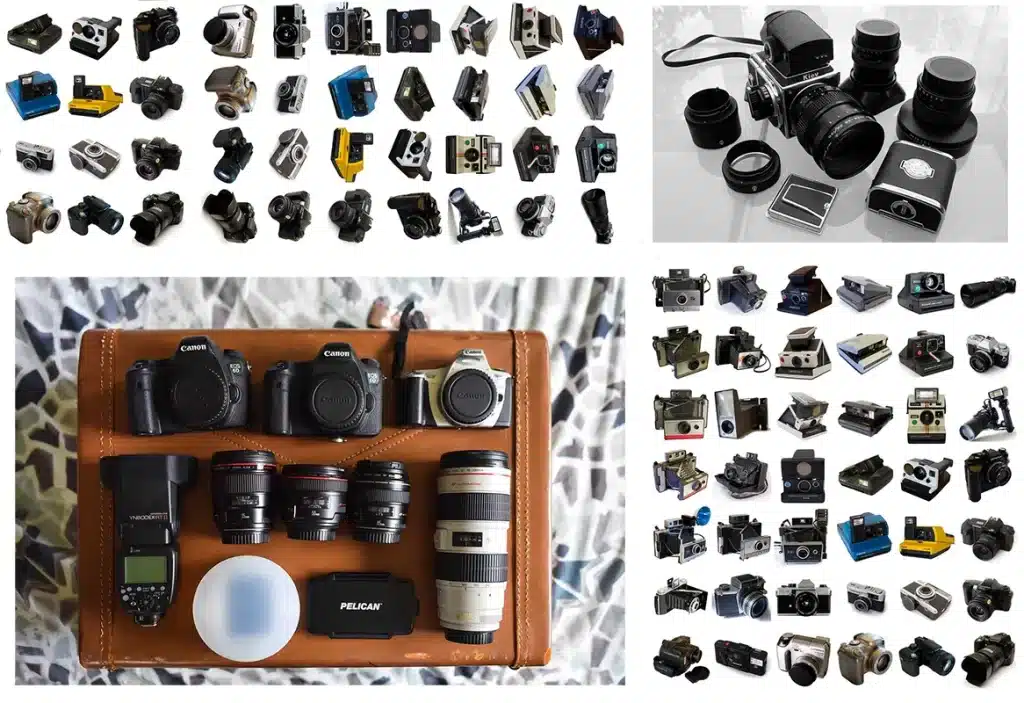
In today’s photography landscape, where camera prices continue to rise, buying second-hand photo gear has become more than just a budget-conscious decision—it’s a smart strategy for photographers at every level. Whether you’re a beginner building your first kit or a professional expanding your arsenal, the used equipment market offers incredible opportunities to access high-quality gear at a fraction of retail prices.
Why Buy Second-Hand Photography Equipment?
The decision to purchase used camera gear comes with numerous compelling advantages that extend beyond simple cost savings. Understanding these benefits can help you make informed decisions about your photography investments.
Significant Cost Savings
The most obvious advantage of buying second-hand is the substantial price reduction. Professional camera bodies and lenses can depreciate 30-50% within the first year, yet their performance remains virtually identical to new equipment. This depreciation works in your favor, allowing you to access premium gear that might otherwise be financially out of reach.
For instance, a professional-grade lens that retails for $2,000 new might be available for $1,200-1,400 in excellent used condition. That $600-800 savings can be redirected toward additional lenses, lighting equipment, or other essential photography tools that enhance your creative capabilities.
Access to Premium and Discontinued Equipment
The used market opens doors to legendary equipment that’s no longer in production. Many photographers and collectors seek out classic lenses known for their unique rendering characteristics, or discontinued camera bodies that perfectly suit their workflow. Vintage manual focus lenses, for example, have developed cult followings among portrait and street photographers for their distinctive optical qualities.
Additionally, you can access professional-tier equipment earlier in your photography journey. Instead of settling for entry-level gear, buying used allows you to invest in higher-quality bodies and lenses that will serve you longer and produce superior results.
Environmental Sustainability
Choosing second-hand photography equipment represents a meaningful contribution to environmental sustainability. The electronics industry generates significant waste, and extending the life cycle of cameras and lenses reduces demand for new manufacturing, which in turn decreases resource extraction, energy consumption, and electronic waste.
By participating in the circular economy of photography gear, you’re making an environmentally conscious choice that aligns with sustainable practices without compromising on quality or performance.
Testing Equipment Before Major Investment
The used market provides an excellent opportunity to experiment with different systems, focal lengths, or camera types without the full financial commitment. Curious about medium format photography? Want to try a specific lens focal length before investing in the latest version? Buying used allows you to test and learn at a lower cost, selling the equipment if it doesn’t suit your needs without significant financial loss.
Important Considerations When Buying Used Gear
While the benefits are substantial, purchasing second-hand photography equipment requires careful consideration and due diligence to ensure you’re making a sound investment.
Understanding Equipment Condition
Not all used equipment is created equal. Condition ratings vary significantly between sellers, so understanding what terms like “mint,” “excellent,” “good,” and “fair” actually mean is crucial. Cosmetic wear like minor scratches on a camera body may not affect functionality, while issues like lens fungus, sensor dust, or mechanical problems can significantly impact performance.
Always request detailed information about:
- Shutter count (for camera bodies)
- Optical condition (for lenses—check for scratches, fungus, haze, or separation)
- Mechanical functionality (autofocus accuracy, aperture operation, image stabilization)
- Cosmetic condition (dents, scratches, worn grip)
- Included accessories (original boxes, lens caps, hoods, straps, manuals)
Researching Market Values
Before making any purchase, research the current market value for the specific item you’re considering. Prices can vary significantly between platforms, and knowing the fair market value helps you identify genuine deals versus overpriced listings. Check multiple sources, including completed eBay listings, to understand what items actually sell for, not just what sellers are asking.
Seller Reputation and Return Policies
The reliability of your seller is paramount. Established retailers with grading systems, warranties, and return policies offer significantly more protection than private sellers. While you might find lower prices from individuals, the lack of recourse if something goes wrong represents a substantial risk.
Look for sellers with:
- Detailed grading systems and honest descriptions
- Clear return policies (ideally 14-30 days)
- Warranty coverage (even limited warranties provide valuable protection)
- Responsive customer service
- Established reputation and positive reviews
Where to Buy Second-Hand Photo Gear: Detailed Platform Analysis
Choosing the right platform for purchasing used photography equipment can significantly impact your buying experience, from pricing and selection to buyer protection and peace of mind. Here’s a comprehensive look at the most reputable options available.
MPB Photo: The Specialist’s Choice
MPB Photo has established itself as one of the most trusted names in the used photography equipment market, operating across the United States, United Kingdom, and Europe. Their success stems from a professional approach that prioritizes transparency and customer confidence.
MPB’s Grading System
MPB employs a detailed six-tier grading system that provides exceptional clarity about equipment condition:
- Like New: Virtually indistinguishable from new, with minimal signs of use
- Excellent: Light signs of use with no impact on functionality
- Great: Moderate cosmetic wear but full functionality
- Good: Noticeable wear with complete functionality
- Well Used: Significant wear but still fully operational
- For Parts: Non-functional or significantly damaged items
Each listing includes detailed photographs showing the actual item you’ll receive, along with comprehensive descriptions of any cosmetic or functional issues. This transparency eliminates surprises and builds buyer confidence.
Key Advantages of MPB
MPB offers several compelling benefits that make it particularly attractive for both beginners and experienced photographers:
- Six-month warranty: All purchases include a six-month warranty, providing substantial protection beyond the initial inspection period
- Professional inspection: Every item undergoes thorough testing by experienced technicians
- 14-day return policy: Try equipment risk-free with their generous return window
- Trade-in program: Easily sell your old gear to offset new purchases, streamlining the upgrade process
- Price matching: Competitive pricing backed by a price-match guarantee
- Extensive inventory: One of the largest selections of used photography equipment available
Potential Drawbacks
While MPB excels in many areas, there are some considerations:
- Prices may be slightly higher than private sellers, reflecting the added value of warranties and guarantees
- Popular items sell quickly, requiring regular monitoring of inventory
- International shipping can add costs for buyers outside their primary markets
Best for: Photographers who prioritize reliability, transparency, and buyer protection over finding the absolute lowest price. Ideal for first-time used equipment buyers.
KEH Camera: The Industry Veteran
KEH Camera has been a cornerstone of the used photography equipment market since 1979, earning a reputation for conservative grading and exceptional quality control. Based in Atlanta, Georgia, KEH has served generations of photographers with integrity and professionalism.
KEH’s Conservative Grading Philosophy
KEH is renowned for their conservative grading approach, often rating equipment lower than its actual condition. This philosophy means that a lens graded as “Bargain” or “Good” from KEH might be rated “Excellent” by other sellers. This conservative approach works in buyers’ favor, as equipment frequently exceeds expectations.
Their grading scale includes:
- Like New Minus (LN-): Virtually perfect condition
- Excellent Plus (EX+): Minor signs of use
- Excellent (EX): Light wear, excellent functionality
- Bargain (BGN): Noticeable cosmetic wear, full functionality
- Ugly (UG): Significant cosmetic issues, works perfectly
- As-Is (AS-IS): Sold without warranty, may have functional issues
Why Choose KEH
KEH offers several distinctive advantages:
- 180-day warranty: Industry-leading warranty coverage on most items
- Conservative grading: Equipment often exceeds described condition
- 14-day return policy: No-questions-asked returns within two weeks
- Trade-in program: Competitive quotes for your used equipment
- Expert staff: Knowledgeable team with decades of combined experience
- Film camera specialists: Exceptional selection of vintage and film equipment
Considerations
- Conservative grading means lower-graded items may look better than expected, but also means fewer items in top condition grades
- Website interface is functional but less modern than some competitors
- Inventory can be smaller for newer, in-demand items compared to older equipment
Best for: Photographers seeking maximum buyer protection, film camera enthusiasts, and those who appreciate conservative grading that typically exceeds expectations. According to the Smithsonian Institution, which maintains extensive photography archives, KEH has been instrumental in preserving access to vintage photography equipment for both collectors and working photographers.
B&H Photo Used Department: The Professional’s Resource
B&H Photo’s used department leverages the company’s stellar reputation as one of the world’s largest photography retailers. Their used equipment section combines the trust of an established brand with competitive pricing and extensive selection.
The B&H Advantage
B&H brings several unique strengths to the used equipment market:
- Massive inventory: One of the largest selections of used equipment available, from consumer to professional cinema gear
- Professional-grade options: Extensive selection of high-end equipment used by working professionals
- Clear condition ratings: Transparent grading with detailed item descriptions
- Legendary customer service: B&H’s reputation for customer support extends to their used department
- 30-day return policy: Generous return window for used equipment
- Expert staff: Access to B&H’s knowledgeable sales team for guidance
- Trade-in program: Seamless integration with B&H’s trade-in service
What to Know
While B&H offers numerous advantages, consider these factors:
- Prices may be higher than some competitors, reflecting B&H’s premium positioning
- Used inventory turns over quickly, requiring regular checking for specific items
- Some items may have limited warranty coverage compared to specialized used retailers
- High demand means competitive items sell within hours of listing
Best for: Professional photographers seeking high-end equipment, buyers who value the security of purchasing from an established major retailer, and those who want access to the broadest possible selection including professional cinema and video equipment.
Adorama Used Department: The New York Institution
Adorama’s used department operates similarly to B&H, offering a trusted name in photography retail with a substantial used equipment selection. As another New York-based photography institution, Adorama provides comparable services with some distinctive characteristics.
Adorama’s Strengths
- Competitive pricing: Often matches or beats B&H on similar items
- Condition grading: Clear rating system with detailed descriptions
- 30-day returns: Generous return policy for used purchases
- Trade-in program: Convenient selling option for your old gear
- Rewards program: Earn points on used equipment purchases
- Excellent customer service: Knowledgeable staff and responsive support
- Regular promotions: Frequent sales and special offers on used gear
Considerations
- Used inventory may be smaller than B&H for certain categories
- Condition descriptions can vary in detail between listings
- Warranty coverage varies by item
- Website search functionality could be more refined
Best for: Photographers seeking competitive pricing from a trusted major retailer, buyers who appreciate rewards programs, and those looking for regular promotional opportunities on used gear.
eBay: The Marketplace Wild Card
Buying and selling second-hand photo gear on eBay represents a different approach entirely—a vast marketplace connecting individual sellers with buyers worldwide. This platform offers both the greatest opportunities and the highest risks.
The eBay Opportunity
eBay’s marketplace model creates unique advantages:
- Lowest potential prices: Private sellers often price below retail used dealers
- Rare equipment: Largest selection of vintage, discontinued, and rare items
- Global marketplace: Access to equipment from around the world
- Auction format: Potential to win items below market value
- Direct negotiation: Ability to make offers and negotiate with sellers
- Selling platform: Easy to list your own gear for sale
Navigating eBay Successfully
Success on eBay requires knowledge and strategy:
Evaluate seller reputation: Check feedback ratings, number of transactions, and specifically look for photography equipment sales history. Sellers with 98%+ positive feedback and hundreds of transactions are generally reliable.
Scrutinize listings carefully: Read descriptions thoroughly, examine all photos, and don’t hesitate to ask questions. Request additional photos if needed. Vague descriptions or limited photos should raise red flags.
Understand return policies: eBay offers buyer protection, but individual seller return policies vary significantly. Prioritize sellers offering returns.
Research completed listings: Check what similar items actually sold for (not just asking prices) to gauge fair market value.
Use PayPal or eBay payment protection: These payment methods offer additional buyer protection beyond eBay’s own guarantees.
eBay Risks and Challenges
- Inconsistent quality: No standardized grading system across sellers
- Potential scams: Risk of misrepresented items or fraudulent sellers
- No warranty: Most items sold as-is without warranty coverage
- Return hassles: Returning items can be complicated and expensive
- Seller fees: If selling, eBay’s fees can reduce your net proceeds significantly (typically 12-15%)
- Time investment: Finding good deals requires patience and regular monitoring
Best for: Experienced photographers who understand equipment thoroughly, bargain hunters willing to invest time and accept some risk, collectors seeking rare or vintage items, and sellers comfortable with marketplace dynamics. The J. Paul Getty Museum, which houses one of the world’s finest photography collections, notes that eBay has become an important marketplace for vintage photography equipment and historical cameras.
Local Options: Craigslist and Facebook Marketplace
Local marketplaces offer a fundamentally different buying experience, emphasizing in-person transactions and local connections. Both platforms have distinct characteristics worth understanding.
Craigslist: The Original Local Marketplace
Craigslist has connected local buyers and sellers for decades, offering a no-frills approach to classified advertising.
Advantages:
- Inspect before buying: Ability to examine equipment in person before purchase
- Negotiable pricing: Direct negotiation often leads to better deals
- No shipping costs: Local pickup eliminates shipping expenses and risks
- No platform fees: Neither buyers nor sellers pay transaction fees
- Quick transactions: Can complete purchases same-day
- Cash transactions: Avoid payment processing fees and delays
Risks and Precautions:
- Safety concerns: Always meet in public places (police station parking lots are ideal). Never go alone to private residences. Tell someone where you’re going.
- Scam potential: No buyer protection or recourse if items are misrepresented
- Stolen equipment: Risk of purchasing stolen gear (check serial numbers against stolen equipment databases)
- No returns: Sales are typically final with no return options
- Limited selection: Inventory depends entirely on local market
- Testing limitations: May not be able to thoroughly test equipment on-site
Safety Tips for Craigslist Transactions:
- Meet at police stations or well-lit, public locations with security cameras
- Bring a friend or family member
- Test equipment thoroughly before exchanging money
- Verify serial numbers and check for stolen equipment reports
- Trust your instincts—if something feels wrong, walk away
- Use cash or secure payment apps, never wire transfers
- Get a receipt with seller contact information and equipment serial numbers
Facebook Marketplace: The Social Network Approach
Facebook Marketplace has rapidly grown to become one of the largest local selling platforms, leveraging social network connections for added accountability.
Unique Advantages:
- Seller transparency: View seller profiles, mutual friends, and history
- Built-in messaging: Convenient communication through Facebook Messenger
- Rating system: Seller ratings provide reputation information
- Payment protection: Facebook offers purchase protection for shipped items
- Photo-friendly: Easy to view multiple images and request additional photos
- Local and shipped options: Flexibility for both local pickup and shipping
- Social accountability: Sellers’ real identities reduce scam likelihood
Considerations:
- Same safety precautions as Craigslist for in-person meetings
- Purchase protection only applies to shipped items, not local pickups
- No standardized grading or condition assessment
- Quality and reliability vary significantly between sellers
- Privacy concerns related to Facebook platform
Best for: Both platforms work well for photographers comfortable with in-person transactions, those seeking the lowest possible prices, and buyers who can thoroughly evaluate equipment condition themselves. Local purchases can be excellent for heavy items like lighting equipment or studio gear where shipping costs would be prohibitive.
Essential Tips for Buying Used Photography Equipment
Regardless of which platform you choose, following these best practices will help ensure successful purchases and minimize risks.
Research Before You Buy
Knowledge is your best protection when buying used equipment:
- Know the equipment: Research common issues for specific models, typical lifespan, and known problems
- Check market values: Compare prices across multiple platforms to identify fair pricing
- Read reviews: Understand the equipment’s strengths and weaknesses
- Verify compatibility: Ensure equipment works with your existing gear
- Check for recalls: Verify whether items have been subject to manufacturer recalls
Questions to Ask Sellers
For camera bodies:
- What is the shutter count? (Professional bodies are rated for 150,000-400,000 actuations)
- Has the camera been professionally serviced?
- Are there any sensor issues (dust, spots, scratches)?
- Do all buttons, dials, and functions work properly?
- Are there any weather sealing issues?
- What accessories are included?
- Why are you selling?
For lenses:
- Is there any fungus, haze, or separation in the optics?
- Are there any scratches on front or rear elements?
- Does autofocus work accurately and consistently?
- Does image stabilization function properly?
- Is the aperture smooth throughout its range?
- Are there any loose elements or unusual sounds?
- Has the lens been dropped or impacted?
Inspecting Equipment Upon Receipt
When your equipment arrives (or during in-person inspection):
- Document everything: Photograph the packaging and equipment immediately
- Check cosmetic condition: Verify it matches the description
- Test all functions: Systematically test every button, dial, and feature
- Shoot test images: Take photos in various conditions and review carefully
- Check focus accuracy: Test autofocus at different distances and apertures
- Examine sensor/optics: Look for dust, spots, or other issues
- Verify serial numbers: Ensure they match the listing and check against stolen equipment databases
Understanding Shutter Count
For camera bodies, shutter count is like odometer mileage on a car. It indicates how much the camera has been used and helps predict remaining lifespan:
- Low shutter count: Under 10,000 actuations—like new
- Moderate use: 10,000-50,000 actuations—plenty of life remaining
- Well used: 50,000-100,000 actuations—still good but approaching midlife
- High use: 100,000+ actuations—consider the camera’s rated lifespan
Entry-level cameras are typically rated for 50,000-100,000 actuations, mid-range cameras for 100,000-150,000, and professional bodies for 150,000-400,000 or more.
When to Walk Away
Some red flags should prompt you to reconsider or decline a purchase:
- Seller refuses to provide additional information or photos
- Price seems too good to be true (often indicates problems or scams)
- Seller pressures you to buy quickly
- Equipment description is vague or contradictory
- Seller has poor ratings or feedback
- Payment methods seem suspicious (wire transfers, cryptocurrency for local sales)
- Seller won’t meet in safe, public locations (for local sales)
- Serial numbers are removed or don’t match
- Equipment shows signs of severe impact or water damage
Selling Your Used Photography Equipment
Understanding the selling side of the equation helps you make better buying decisions and eventually sell your own gear when upgrading.
Maximizing Your Equipment’s Value
To get the best price when selling:
- Clean thoroughly: Professional cleaning makes equipment more appealing
- Include everything: Original boxes, manuals, and accessories increase value
- Document condition: Clear, honest photos and descriptions build buyer confidence
- Provide history: Share purchase date, usage patterns, and maintenance records
- Price competitively: Research current market values and price accordingly
- Time your sale: Certain times of year (before holidays, tax refund season) see higher demand
Where to Sell Your Gear
Different platforms offer varying advantages for sellers:
Trade-in programs (MPB, KEH, B&H, Adorama): Most convenient but typically offer 60-70% of private sale value. Best for quick, hassle-free transactions.
eBay: Potentially highest prices but requires effort, fees are substantial (12-15%), and you handle shipping and potential returns.
Local marketplaces: No fees, quick sales, but requires in-person meetings and may yield lower prices than online platforms.
Photography forums: Engaged community of knowledgeable buyers, but smaller audience and specific rules to follow.
Building Your Photography Kit with Used Gear
Strategic purchasing of used equipment allows you to build a professional-quality kit faster and more affordably than buying everything new.
What to Buy Used vs. New
Best items to buy used:
- Camera bodies (older generations offer excellent value)
- Prime lenses (simple construction, fewer things to break)
- Manual focus lenses (built to last decades)
- Lighting equipment (technology changes slowly)
- Tripods and support gear (mechanical items with long lifespans)
- Filters (unless scratched, they’re essentially timeless)
Consider buying new:
- Memory cards (reliability is crucial, used cards may be near end of life)
- Batteries (degraded batteries provide poor value)
- Complex zoom lenses (more potential failure points)
- Current generation equipment (minimal used savings)
- Items with short lifespans or heavy wear patterns
The One-Generation-Back Strategy
One of the smartest approaches to building a photography kit is purchasing equipment that’s one generation behind current models. When manufacturers release new camera bodies or lenses, the previous generation typically drops 30-40% in price despite offering 90-95% of the performance.
For example, when a camera manufacturer releases the Mark IV version, the Mark III becomes significantly more affordable while still delivering professional results. This strategy allows you to access professional-grade equipment at prosumer prices.
Special Considerations for Different Photography Genres
Different types of photography have unique considerations when buying used equipment.
Portrait Photographers
For portrait photography, used prime lenses (85mm, 50mm, 135mm) offer exceptional value. These lenses have simple optical designs that age well and are less prone to mechanical issues. Vintage manual focus portrait lenses can produce beautiful rendering characteristics at a fraction of modern lens prices.
Street Photographers
Street photography benefits from compact, inconspicuous equipment. Used rangefinder cameras and compact primes are ideal and often available at excellent prices. The used market offers access to legendary street photography equipment that’s no longer manufactured.
Landscape Photographers
Landscape work requires sharp lenses and cameras with good dynamic range. Used wide-angle lenses and older camera bodies with excellent sensors (even if they lack the latest features) provide outstanding value. Tripods and filters are also excellent used purchases for landscape photographers.
Sports and Wildlife Photographers
These genres require fast autofocus and long telephoto lenses—some of the most expensive equipment. Buying used telephoto lenses can save thousands of dollars. However, carefully verify autofocus performance and optical condition, as these lenses often see heavy use.
The Future of the Used Photography Equipment Market
Understanding market trends helps you make smarter buying and selling decisions.
Market Trends
Several factors are shaping the used equipment market:
- Slower innovation cycles: As camera technology matures, older equipment remains relevant longer, supporting strong used values
- Economic factors: Economic uncertainty drives more photographers to used equipment, increasing demand
- Sustainability awareness: Environmental consciousness encourages buying used
- Mirrorless transition: The shift from DSLR to mirrorless creates opportunities as photographers sell DSLR gear
- Video features: Cameras with strong video capabilities maintain higher used values
Equipment That Holds Value
Certain equipment categories maintain value better than others:
- Professional-grade prime lenses (especially f/1.4 and faster)
- High-end telephoto lenses (70-200mm f/2.8, 400mm, 600mm)
- Medium format cameras and lenses
- Legendary vintage lenses (Leica, Zeiss, classic manual focus lenses)
- Professional lighting equipment (high-end strobes and modifiers)
Conclusion: Making Smart Decisions in the Used Equipment Market
The used photography equipment market offers extraordinary opportunities for photographers at every level to access quality gear at accessible prices. Whether you choose the security and convenience of established retailers like MPB, KEH, B&H, and Adorama, the vast selection and potential bargains of eBay, or the local convenience of Craigslist and Facebook Marketplace, success comes from knowledge, patience, and careful evaluation.
Remember these key principles:
- Buy from reputable sources when possible, especially for expensive equipment
- Thoroughly research equipment condition and market values
- Don’t hesitate to ask questions and request additional information
- Inspect equipment carefully upon receipt and test all functions
- Consider warranties and return policies as part of the value equation
- Trust your instincts—if something seems wrong, walk away
The money saved by purchasing used equipment can be invested in workshops, travel for photography projects, additional lenses, or other gear that expands your creative capabilities. By making informed decisions and purchasing strategically, you can build a professional-quality photography kit that serves your creative vision without breaking the bank.
The used equipment market isn’t just about saving money—it’s about smart resource allocation, environmental responsibility, and accessing tools that help you create meaningful work. Whether you’re just starting your photography journey or you’re a seasoned professional looking to expand your kit, the used market offers opportunities that simply didn’t exist a generation ago. Embrace these opportunities with knowledge and confidence, and you’ll find that used equipment can be just as reliable and valuable as buying new.