
Becoming a famous photographer isn't just about capturing beautiful images—it's about building a distinctive voice, establishing your presence in the photography community, and strategically positioning yourself in an increasingly competitive field. Whether you aspire to exhibit in prestigious galleries, publish in major magazines, or build a devoted following on social media, fame in photography requires a combination of exceptional talent, unwavering dedication, and smart career planning.
The journey to recognition varies for every photographer. Some achieve fame through groundbreaking documentary work that changes public perception, while others gain recognition through innovative commercial photography or by developing a signature aesthetic that resonates with audiences. What unites successful photographers is their commitment to excellence and their ability to navigate both the creative and business aspects of the profession.
In this comprehensive guide, we'll explore seven essential strategies that can help you build recognition and establish yourself as a notable photographer in your chosen field. These aren't shortcuts to overnight success, but rather proven approaches that have helped countless photographers gain visibility, respect, and ultimately, fame in the photography world.
1. Build a Strong and Distinctive Portfolio
Your portfolio is your most powerful tool for gaining recognition as a photographer. It's not merely a collection of your best images—it's a carefully curated statement about who you are as an artist, what you stand for, and what makes your vision unique. A strong portfolio tells a story, demonstrates consistency, and leaves a lasting impression on anyone who views it.
Curate with Ruthless Precision
Quality always trumps quantity when it comes to portfolio building. Many emerging photographers make the mistake of including too many images, diluting the impact of their strongest work. Instead, aim for 15-25 exceptional images that represent your absolute best work. Each image should earn its place by contributing something unique to the overall narrative of your portfolio.
When selecting images, ask yourself: Does this photograph showcase my technical skills? Does it reflect my unique perspective? Would I be proud to have this image represent me in a major publication or gallery? If the answer to any of these questions is no, remove it without hesitation.
Demonstrate Range While Maintaining Cohesion
While it's important to showcase your versatility as a photographer, your portfolio should still feel cohesive. This doesn't mean all your images need to look identical, but they should share common threads—whether that's through subject matter, lighting style, color palette, or emotional tone. Think of your portfolio as a visual essay where each image builds upon the previous one.
If you work across multiple genres—say, both portrait photography and landscape work—consider creating separate portfolios for each specialty. This allows you to target different audiences and opportunities without confusing viewers about your primary focus.
Design for Impact and Accessibility
Your portfolio's presentation is nearly as important as the images themselves. Whether you're creating a physical portfolio book or a digital website, the design should be clean, professional, and put the focus squarely on your photography. Avoid cluttered layouts, distracting animations, or overly complex navigation that might detract from your work.
For digital portfolios, ensure your website loads quickly, displays beautifully on mobile devices, and makes it easy for potential clients or curators to contact you. Include concise, well-written captions that provide context without overshadowing the images. Consider adding an artist statement that articulates your vision and approach to photography.
Update Regularly and Evolve
A portfolio should never be static. As you grow as a photographer, your portfolio should evolve to reflect your current skills, interests, and artistic direction. Set a reminder to review and update your portfolio every three to six months. Remove images that no longer represent your best work or current style, and replace them with stronger, more recent photographs.
This regular refresh not only keeps your portfolio current but also gives you opportunities to reassess your artistic direction. You might notice patterns in the work you're most proud of, which can help guide your future projects and specialization.
Seek Constructive Feedback
One of the most valuable steps in building a strong portfolio is getting honest feedback from trusted sources. Share your portfolio with experienced photographers, gallery curators, photo editors, or mentors who can provide objective critiques. Join portfolio review events offered by photography organizations like the American Society of Media Photographers (ASMP) or attend portfolio reviews at photography festivals.
Be open to criticism and willing to make changes based on feedback. Sometimes an outsider's perspective can identify weaknesses or strengths you hadn't noticed yourself. However, remember to filter feedback through your own artistic vision—not every suggestion will align with your goals or aesthetic.

2. Network and Collaborate Strategically
In the photography world, success is rarely achieved in isolation. Building meaningful relationships with other photographers, industry professionals, and creative collaborators can open doors to opportunities you'd never find on your own. Networking isn't about collecting business cards or accumulating social media followers—it's about forming genuine connections with people who share your passion and can support your growth.
Attend Industry Events and Workshops
Photography conferences, workshops, exhibitions, and festivals provide invaluable opportunities to meet like-minded professionals and learn from established photographers. Events hosted by organizations such as the Professional Photographers of America (PPA) or specialized photography festivals bring together photographers at all career stages.
When attending these events, come prepared with business cards, a portfolio on your phone or tablet, and genuine curiosity about others' work. Don't approach networking as a transactional activity—instead, focus on having authentic conversations about photography, sharing experiences, and learning from others. The connections you make at these events can lead to collaborations, mentorships, job opportunities, and lifelong friendships.
Join Professional Photography Organizations
Membership in professional photography organizations provides access to resources, educational opportunities, and a built-in community of peers. Organizations like the American Society of Media Photographers (ASMP), the Professional Photographers of America, or the Royal Photographic Society offer workshops, portfolio reviews, legal resources, and networking events specifically designed for professional photographers.
These organizations also provide credibility and professional development opportunities that can accelerate your career. Many offer certification programs, mentorship initiatives, and directories that help potential clients find qualified photographers.
Engage in Online Photography Communities
Digital communities have become essential networking spaces for photographers. Platforms like Reddit's photography subreddits, specialized Facebook groups, and photography forums allow you to connect with photographers worldwide, share work, ask questions, and participate in challenges or critiques.
However, approach online communities with the same authenticity you'd bring to in-person networking. Contribute meaningfully to discussions, offer helpful feedback to others, and share your knowledge generously. The photographers who gain the most from online communities are those who give back rather than simply promoting their own work.
Collaborate on Creative Projects
Collaboration is one of the most powerful ways to expand your creative horizons and reach new audiences. Consider partnering with other photographers on joint exhibitions, photo books, or documentary projects. Collaborate with models, stylists, makeup artists, and other creatives to produce editorial work that showcases everyone's talents.
Cross-disciplinary collaborations can be particularly fruitful. Partner with writers, musicians, dancers, or visual artists to create multimedia projects that combine different art forms. These collaborations often generate more attention than solo work because they appeal to multiple audiences and demonstrate your versatility as an artist.
Assist Established Photographers
Working as an assistant to established photographers offers an unparalleled education in both the craft and business of photography. You'll gain insights into professional workflows, client management, lighting techniques, and post-production processes that you simply can't learn from books or online tutorials.
Assisting also helps you build relationships with experienced professionals who can become mentors, provide references, or recommend you for jobs. Many famous photographers began their careers as assistants to other renowned photographers, learning the ropes before striking out on their own.
Give Back Through Mentorship and Education
As you gain experience, consider mentoring emerging photographers or teaching workshops. Sharing your knowledge not only helps others but also establishes you as an authority in your field. Teaching forces you to articulate your creative process and technical knowledge, which often deepens your own understanding.
Contributing articles to photography blogs, speaking at local camera clubs, or hosting free educational content online can significantly boost your visibility and reputation within the photography community. Generosity and expertise are magnetic qualities that attract opportunities and respect.
3. Master Social Media and Digital Presence
In today's digital age, social media has become an indispensable tool for photographers seeking recognition. Platforms like Instagram, Facebook, and increasingly TikTok and YouTube, offer unprecedented opportunities to share your work with global audiences, connect with potential clients, and build a devoted following. However, success on social media requires more than just posting pretty pictures—it demands strategy, consistency, and authentic engagement.
Choose the Right Platforms for Your Work
Not all social media platforms are created equal, and different platforms serve different purposes for photographers. Instagram remains the dominant platform for visual artists, with its image-centric format and large photography community. However, don't overlook other platforms that might suit your niche or style.
If you want to explore developing your personal aesthetic on Instagram, consider how your visual style can create a cohesive and recognizable feed. Facebook remains valuable for connecting with local communities and potential clients. YouTube and TikTok are excellent for behind-the-scenes content, tutorials, and storytelling that shows your personality and process. Pinterest can drive significant traffic to your website, especially for lifestyle and commercial photographers.
Rather than spreading yourself thin across every platform, focus your energy on one or two platforms where your target audience is most active and where your content naturally fits.
Develop a Consistent Posting Schedule
Consistency is crucial for building and maintaining an engaged audience on social media. Algorithms favor accounts that post regularly, and followers come to expect and anticipate content from creators who maintain a reliable schedule. Aim to post at least three to five times per week on your primary platform.
Use scheduling tools like Later, Planoly, or Buffer to plan your content in advance. This allows you to maintain consistency even during busy periods when you're focused on shoots or client work. Batch-create content during productive periods so you always have a reserve of posts ready to share.
Engage Authentically with Your Community
Social media is inherently social—it's not a one-way broadcast channel. The photographers who build the strongest followings are those who actively engage with their audience and the broader photography community. Respond thoughtfully to comments on your posts, ask questions in your captions to encourage conversation, and genuinely interact with other photographers' work.
Spend time each day engaging with content from photographers you admire, potential collaborators, and your followers. Leave meaningful comments that go beyond generic praise—share what specifically resonates with you about their work or ask thoughtful questions. This authentic engagement helps you build genuine relationships and increases your visibility within the community.
Use Hashtags Strategically
Hashtags remain one of the most effective ways to reach new audiences beyond your existing followers. Research hashtags relevant to your niche and create a mix of popular hashtags (with hundreds of thousands or millions of posts), medium-sized hashtags (with tens of thousands of posts), and niche-specific hashtags (with a few thousand posts).
Create a branded hashtag unique to your work that followers can use when sharing your images or when you want to collect user-generated content. Study which hashtags drive the most engagement for your posts and refine your strategy accordingly. Remember that different platforms have different best practices for hashtag usage—Instagram allows up to 30 hashtags, while Twitter and LinkedIn work better with just a few targeted tags.
Share Behind-the-Scenes Content and Stories
While your portfolio should showcase your most polished work, social media offers opportunities to share more casual, behind-the-scenes content that reveals your personality and process. Instagram Stories, TikTok videos, and YouTube vlogs allow you to connect with your audience on a more personal level.
Share glimpses of your creative process, equipment reviews, location scouting adventures, editing tutorials, or day-in-the-life content. This type of content humanizes you as an artist and helps followers feel more connected to your work. It also demonstrates your expertise and can position you as an educator in your field.
Consider Strategic Paid Promotion
While organic growth is ideal, strategic use of paid advertising can accelerate your reach and help you connect with specific audiences. Instagram and Facebook ads allow highly targeted promotion based on demographics, interests, and behaviors. Even a modest advertising budget can significantly expand your visibility.
Start with small experiments—promote your best-performing posts to similar audiences, or create ads targeting people interested in photography in your local area. Track your results carefully to understand what works and refine your approach over time.
4. Participate in Exhibitions and Competitions
Exhibitions and photography competitions offer invaluable opportunities to gain recognition, receive validation from industry professionals, and get your work in front of curators, collectors, and potential clients. Success in prestigious competitions or exhibitions can significantly boost your credibility and open doors to new opportunities.

Research Relevant Opportunities
Not all competitions and exhibitions are created equal. Focus your efforts on opportunities that align with your work and career goals. Research competitions with strong reputations in the photography community, such as the Sony World Photography Awards, the International Photography Awards, or contests hosted by prestigious institutions like the International Center of Photography.
For exhibitions, look for gallery calls for entry, juried shows at photography centers, and group exhibitions at museums or cultural institutions. Websites like LensCulture, Photolucida, and Call for Entry aggregate opportunities and make it easier to find relevant competitions and exhibition calls.
Understand Submission Requirements
Before submitting to any competition or exhibition, read the guidelines thoroughly. Pay careful attention to technical requirements like file size, resolution, color space, and format. Note deadlines, entry fees, and any thematic restrictions or requirements.
Many strong submissions are rejected simply because they don't meet technical specifications or because photographers didn't follow instructions. Create a checklist for each submission to ensure you've met all requirements before sending your work.
Submit Your Strongest, Most Cohesive Work
When selecting images for competitions or exhibitions, choose work that tells a compelling story or demonstrates a clear artistic vision. For series-based submissions, ensure your images work together cohesively and build upon each other thematically or visually.
Get feedback from trusted peers or mentors before submitting. Fresh eyes can identify which images are truly your strongest and whether your submission effectively communicates your intended message. Don't be afraid to submit the same strong work to multiple appropriate opportunities—if an image or series is truly exceptional, it deserves multiple chances to be seen.
Write Compelling Artist Statements and Project Descriptions
Many competitions and exhibitions require artist statements or project descriptions alongside your images. These written components are just as important as the photographs themselves—they provide context, reveal your intentions, and help jurors understand your work more deeply.
Write clearly and concisely, avoiding overly academic jargon or pretentious language. Explain what inspired the work, what you hope viewers will take away from it, and any relevant technical or conceptual approaches you employed. Have someone proofread your statement to catch any errors or unclear passages.
Leverage Recognition for Maximum Impact
If your work is selected for an exhibition or wins a competition, maximize the opportunity by promoting it extensively. Update your website and portfolio with the recognition, share the news across all your social media platforms, and send announcements to your email list. Include awards and exhibitions in your biography and CV.
For exhibitions, attend the opening reception if possible and bring business cards and promotional materials. Engage with other exhibiting artists and attendees—these events are prime networking opportunities. Document the exhibition with photos and video that you can share online to extend the reach of the opportunity.
Learn from Rejection
Rejection is an inevitable part of participating in competitions and exhibitions. Even the most successful photographers face far more rejections than acceptances. Don't let rejection discourage you or make you question your abilities as a photographer.
Instead, view each submission as a learning opportunity. If possible, seek feedback on why your work wasn't selected. Study the work that was chosen to understand what jurors or curators were looking for. Use this information to refine your approach for future submissions.
5. Develop a Unique Style and Vision
In a saturated field where millions of images are created and shared daily, developing a distinctive style and vision is essential for standing out and gaining recognition. Your unique perspective is what will make your work memorable and help you build a devoted following. Famous photographers aren't known for taking technically perfect images—they're known for having a recognizable voice that sets them apart.
Identify What Draws You to Photography
Developing your style begins with understanding what genuinely excites and moves you as a photographer. What subjects, themes, or visual qualities consistently capture your attention? What emotions do you want your photographs to evoke? What stories do you feel compelled to tell?
Take time for self-reflection and review your body of work to identify patterns. You might notice that you're consistently drawn to certain lighting conditions, color palettes, compositional approaches, or subject matter. These patterns reveal your natural inclinations and can form the foundation of your signature style.
Study Master Photographers
Immerse yourself in the work of photographers you admire, both historical masters and contemporary practitioners. Study not just their images but their entire bodies of work, their artist statements, and interviews where they discuss their creative process and philosophy.
Analyze what makes their work distinctive. Is it their use of light? Their choice of subject matter? Their compositional approach? Their post-processing aesthetic? Understanding what makes other photographers' work recognizable can help you identify opportunities to develop your own unique approach. Remember, the goal isn't to copy their style but to understand the principles of what makes work distinctive and memorable.
Experiment Fearlessly
Finding your style requires experimentation and a willingness to take creative risks. Try different genres, techniques, and approaches. Shoot with different lenses, experiment with unusual lighting, or explore alternative processes. Push beyond your comfort zone and create work that might not be immediately successful but teaches you something about your creative preferences.
Give yourself permission to create "bad" work in the service of discovery. Some of the most innovative photographers developed their signature styles through happy accidents or experiments that initially seemed like failures. Understanding photography composition principles provides a strong foundation, but don't be afraid to break the rules once you understand them.
Focus on Consistency
Once you've identified elements that feel authentically yours, work to develop consistency across your body of work. This doesn't mean every image needs to look identical, but there should be recognizable threads that connect your photographs—whether that's through subject matter, mood, color treatment, or compositional approach.
Consistency helps build recognition. When viewers can identify your work without seeing your name attached, you've achieved a level of distinctiveness that few photographers reach. This recognition is invaluable for building a reputation and attracting opportunities.
Create Personal Projects
Personal projects offer the freedom to explore your vision without the constraints of client demands or commercial considerations. These self-directed bodies of work often become the most meaningful and distinctive work in a photographer's portfolio.
Choose project themes that genuinely matter to you—whether that's documenting your local community, exploring a social issue you're passionate about, or creating a conceptual series that expresses your inner world. The authenticity and passion you bring to personal projects often results in more compelling work than anything created purely for commercial purposes. If you're interested in capturing authentic moments and social issues, exploring why documentary photography is important nowadays can provide valuable perspective on creating meaningful work.
Allow Your Style to Evolve
While consistency is important, your style shouldn't become a creative prison. The most enduring photographers allow their work to evolve as they grow, learn, and experience life. Your style at 25 shouldn't necessarily be identical to your style at 45—evolution is natural and healthy.
Pay attention to how your interests and perspectives shift over time, and allow your photography to reflect those changes. The key is to evolve intentionally rather than chasing trends or abandoning your core vision at the first sign of creative restlessness.
6. Get Published in Prestigious Outlets
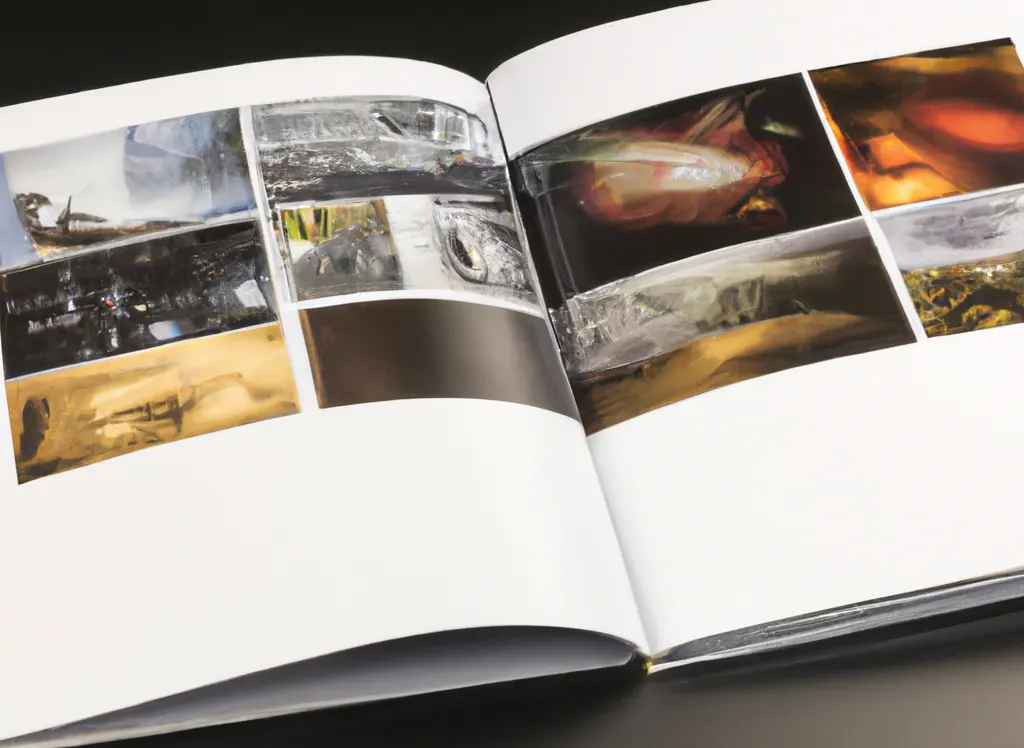
Publication in respected photography magazines, journals, online platforms, and books significantly enhances your credibility and visibility as a photographer. Being featured in prestigious outlets puts your work in front of industry professionals, potential clients, and photography enthusiasts who might become devoted followers of your work.
Research Target Publications
Different publications serve different audiences and have distinct editorial visions. Before submitting your work, thoroughly research publications to understand their aesthetic preferences, the types of stories they cover, and their submission guidelines.
Create a tiered list of target publications, from prestigious but difficult-to-crack outlets like National Geographic or Aperture, to more accessible online platforms and regional magazines. This strategic approach allows you to build a publication record gradually while working toward more prestigious placements.
Craft Compelling Pitches
When pitching story ideas or photo essays to publications, your proposal is as important as the photographs themselves. Editors receive countless submissions, so your pitch needs to immediately capture their attention and clearly communicate why your story matters to their audience.
Write concise, compelling pitch emails that include: a strong subject line, a brief introduction of yourself and your relevant experience, a clear description of your proposed story or photo essay, why it's timely or important, why you're uniquely positioned to tell this story, and a selection of your strongest images from the project. Always follow the publication's submission guidelines precisely.
Start with Online Platforms
While print publications carry prestige, don't overlook the value of online photography platforms and blogs. Websites like LensCulture, Feature Shoot, Booooooom, and Lenscratch have substantial audiences and can provide excellent exposure for your work.
Many online platforms are more accessible to emerging photographers than traditional print magazines. Getting featured on respected online platforms builds your publication record and can lead to opportunities with more prestigious outlets.
Consider Self-Publishing
While traditional publication is valuable, self-publishing has become an increasingly respected path for photographers. Creating your own photo book, zine, or digital publication allows you complete creative control and can demonstrate your ability to conceptualize and execute a cohesive project.
High-quality self-published work can attract the attention of galleries, publishers, and curators. Many photographers have launched successful careers through well-executed self-published books that showcased their vision more effectively than any magazine feature could.
Build Relationships with Editors
Successful publication often depends on relationships as much as the quality of your work. Attend portfolio reviews where you can meet editors in person, engage thoughtfully with editors on social media, and respond professionally and graciously whether your pitches are accepted or rejected.
If an editor provides feedback on a rejected pitch, take it seriously and use it to improve future submissions. Editors remember photographers who are professional, receptive to feedback, and persistent without being pushy. These relationships can lead to assignments and features down the line.
Maximize Publication Opportunities
When your work is published, leverage the opportunity fully. Share the publication across all your platforms, update your website and CV, and thank everyone involved in the publication. Save high-quality PDFs or physical copies of publications featuring your work for your portfolio and press kit.
Each publication creates momentum that can lead to additional opportunities. Editors at other publications notice when photographers are getting featured elsewhere, and potential clients are more likely to hire photographers with a strong publication record.
7. Build a Professional Online Presence Beyond Social Media
While social media is important, famous photographers establish their authority through a comprehensive online presence that includes a professional website, email marketing, and strategic content creation. Your website serves as your home base on the internet—the one platform you fully control and where you can present your work exactly as you envision it.
Create a Stunning Professional Website
Your website is often the first impression potential clients, galleries, or publications will have of your work. Invest in a clean, professional design that puts your photography front and center. Platforms like Squarespace, Format, or WordPress with photography-specific themes make it relatively easy to create beautiful portfolio websites without extensive technical knowledge.
Ensure your website includes: a strong portfolio organized by project or genre, an about page with your biography and artist statement, contact information that's easy to find, a blog or news section where you can share updates and insights, and clear calls to action for whatever you want visitors to do (hire you, buy prints, follow you on social media, etc.).
Optimize for Search Engines
Search engine optimization (SEO) helps potential clients and fans discover your work through Google and other search engines. Basic SEO practices include: using descriptive, keyword-rich page titles and image alt text, creating quality content that answers questions people are searching for, ensuring your website loads quickly and works well on mobile devices, and building backlinks by getting your work featured on other reputable websites.
While SEO can seem technical and overwhelming, implementing even basic best practices can significantly increase your website's visibility and bring organic traffic to your portfolio.
Start an Email Newsletter
Email marketing remains one of the most effective ways to maintain relationships with fans, clients, and industry professionals. Unlike social media, where algorithms control who sees your content, email gives you direct access to people who have expressed interest in your work.
Create a newsletter where you share new work, upcoming exhibitions, behind-the-scenes insights, or educational content. Don't spam your subscribers—aim for a consistent but reasonable schedule, whether that's monthly, quarterly, or whenever you have something genuinely valuable to share. Use email marketing platforms like Mailchimp, ConvertKit, or Substack to manage your list and create professional-looking newsletters.
Create Valuable Content
Content creation—whether through blog posts, YouTube videos, podcasts, or tutorials—establishes you as an expert in your field and helps attract an audience beyond those who simply appreciate your photographs. Share your knowledge about photography techniques, discuss your creative process, review equipment, or provide insights into the business side of photography.
Quality content serves multiple purposes: it improves your website's SEO, provides value that builds goodwill with your audience, demonstrates your expertise, and creates additional touchpoints where people can discover and connect with your work.
Maintain Consistency Across Platforms
Your online presence should feel cohesive across all platforms. Use consistent branding, including your name or business name, logo, color palette, and tone of voice. This consistency helps build recognition and makes your work more memorable.
Ensure all your online profiles link back to your website and to each other, creating a interconnected web presence that makes it easy for people to find and follow you wherever they prefer to engage.
The Long Game: Patience and Persistence
Becoming a famous photographer rarely happens overnight. The photographers we recognize as household names typically spent years, sometimes decades, honing their craft, building relationships, and creating the body of work that eventually brought them recognition. Success in photography is a marathon, not a sprint.
Stay committed to your vision even when progress feels slow. Celebrate small victories—your first publication, your first exhibition, your first thousand followers, your first significant sale. These milestones matter and indicate that you're moving in the right direction.
Remember that fame itself shouldn't be the ultimate goal. The most fulfilled photographers are those who love the process of creating images, who find meaning in the stories they tell or the beauty they capture, and who build careers that allow them to continue doing work they're passionate about. Fame, when it comes, should be a byproduct of exceptional work and authentic engagement with your craft and community—not an end in itself.
Keep shooting, keep learning, keep connecting with other photographers and artists, and keep pushing your creative boundaries. With talent, dedication, and strategic effort, you can build the recognition and career you're working toward.