The Bryan Peterson exposure books are a small group of photography handbooks from Amphoto Books and related imprints, and Understanding Exposure is the best known of them. Penguin Random House lists the author’s other titles on shutter speed, flash and exposure problems, as well as a later photography-school volume.1
First, this article compares what the publisher says each book covers. In addition, it explains where the 2004 revised edition of Understanding Exposure fits. For the full edition history, see our separate article on Understanding Exposure by Bryan Peterson.
Bryan Peterson Exposure Books at a Glance
| Book | Date and length (publisher) | Focus according to the publisher |
|---|---|---|
| Understanding Exposure, fourth edition | March 15, 2016; 176 pages | Light, aperture, shutter speed, meter readings, filters and flash |
| Understanding Shutter Speed | Ebook dated January 19, 2011; 160 pages | Freezing and implying motion, panning, zooming |
| Understanding Flash Photography | August 30, 2011; 160 pages | On-camera and off-camera flash, manual flash |
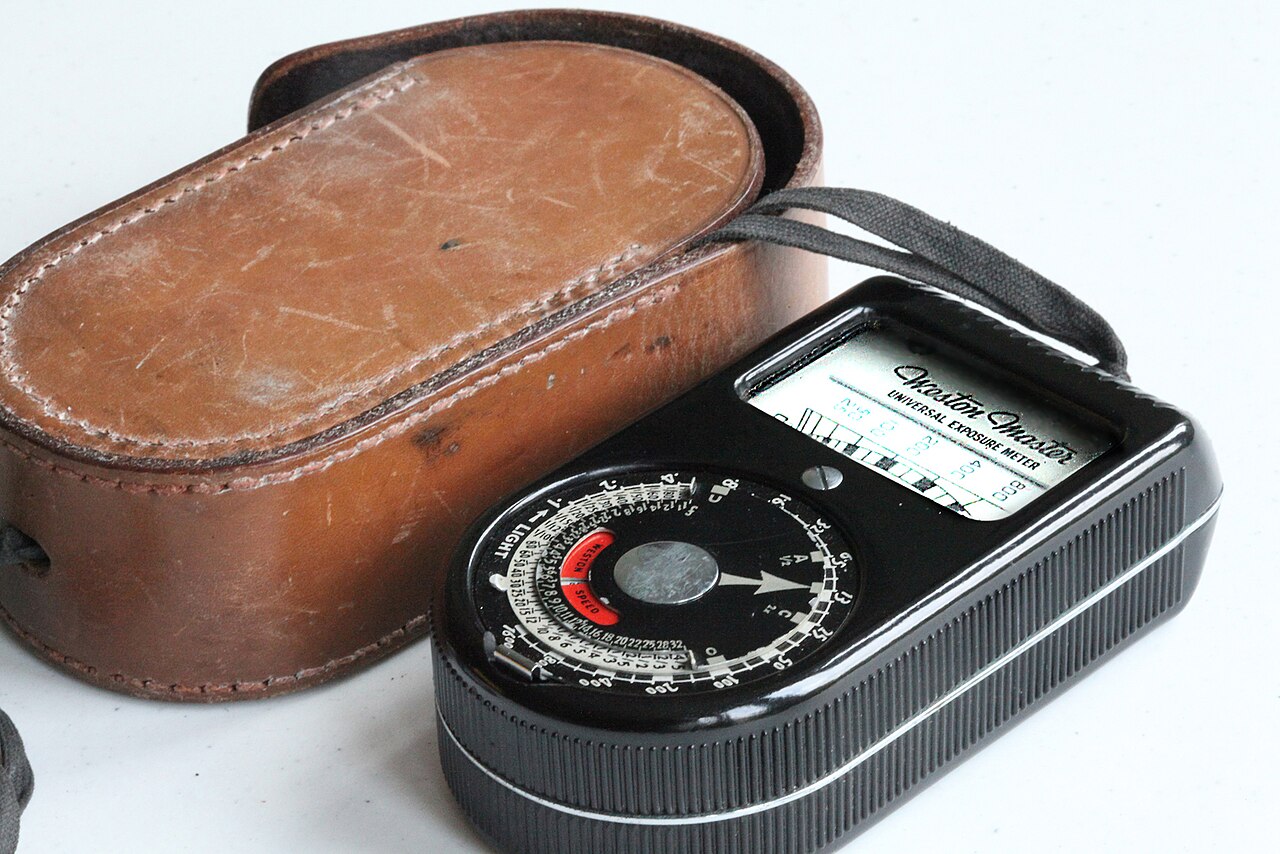
| Bryan Peterson’s Exposure Solutions | Ebook dated December 4, 2012; 144 pages | More than 25 tricky exposure scenarios |
| Bryan Peterson Photography School | July 27, 2021; 208 pages | Workshop-style lessons on angle, aperture, lens and filters |
Bryan Peterson Exposure Books: What Each Title Covers
Understanding Exposure
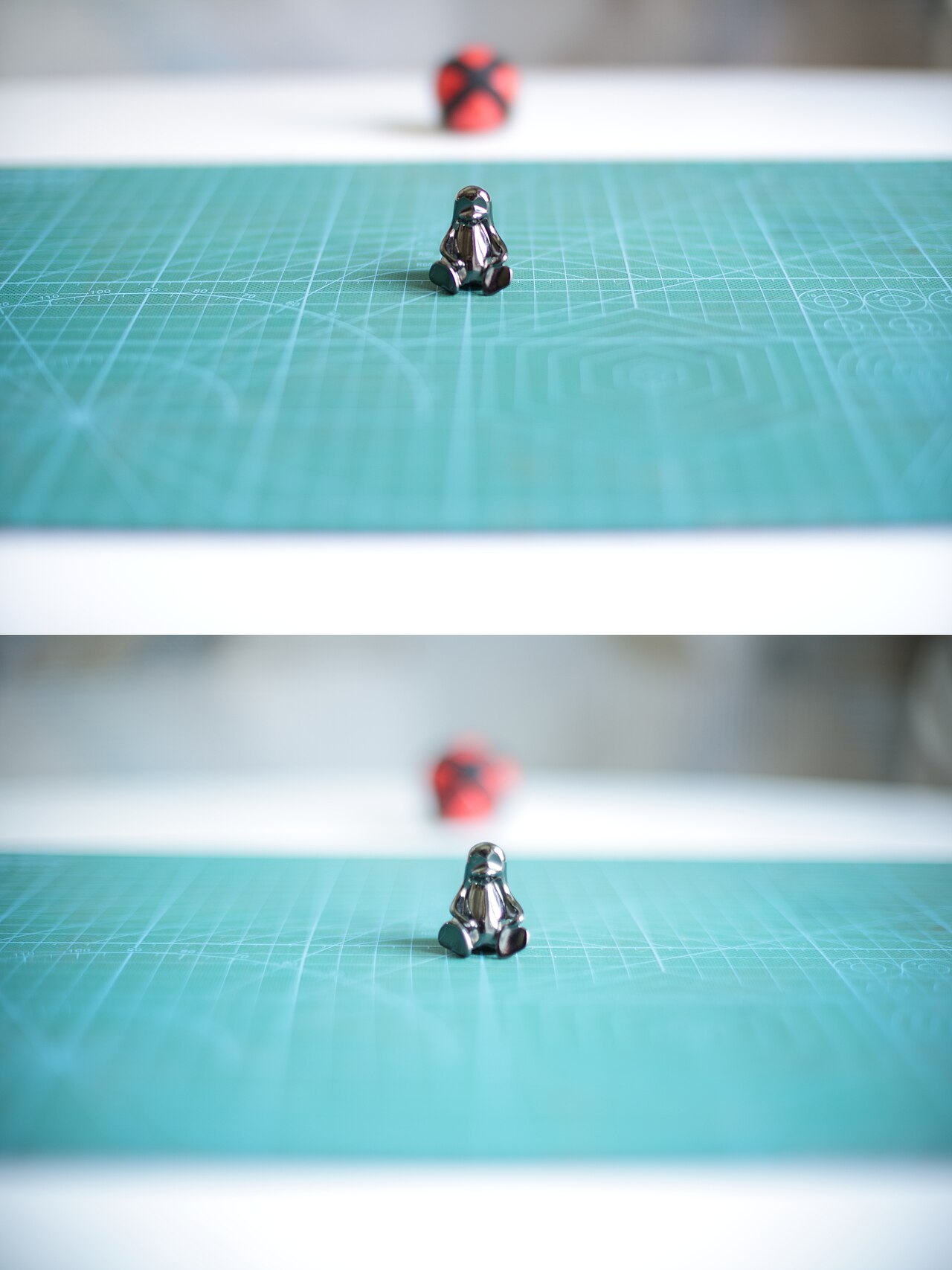
First, this is the foundation. The fourth edition, according to its description, explains light, aperture and shutter speed and how they interact.2 Because the later titles build on it, most readers start here.
Understanding Shutter Speed
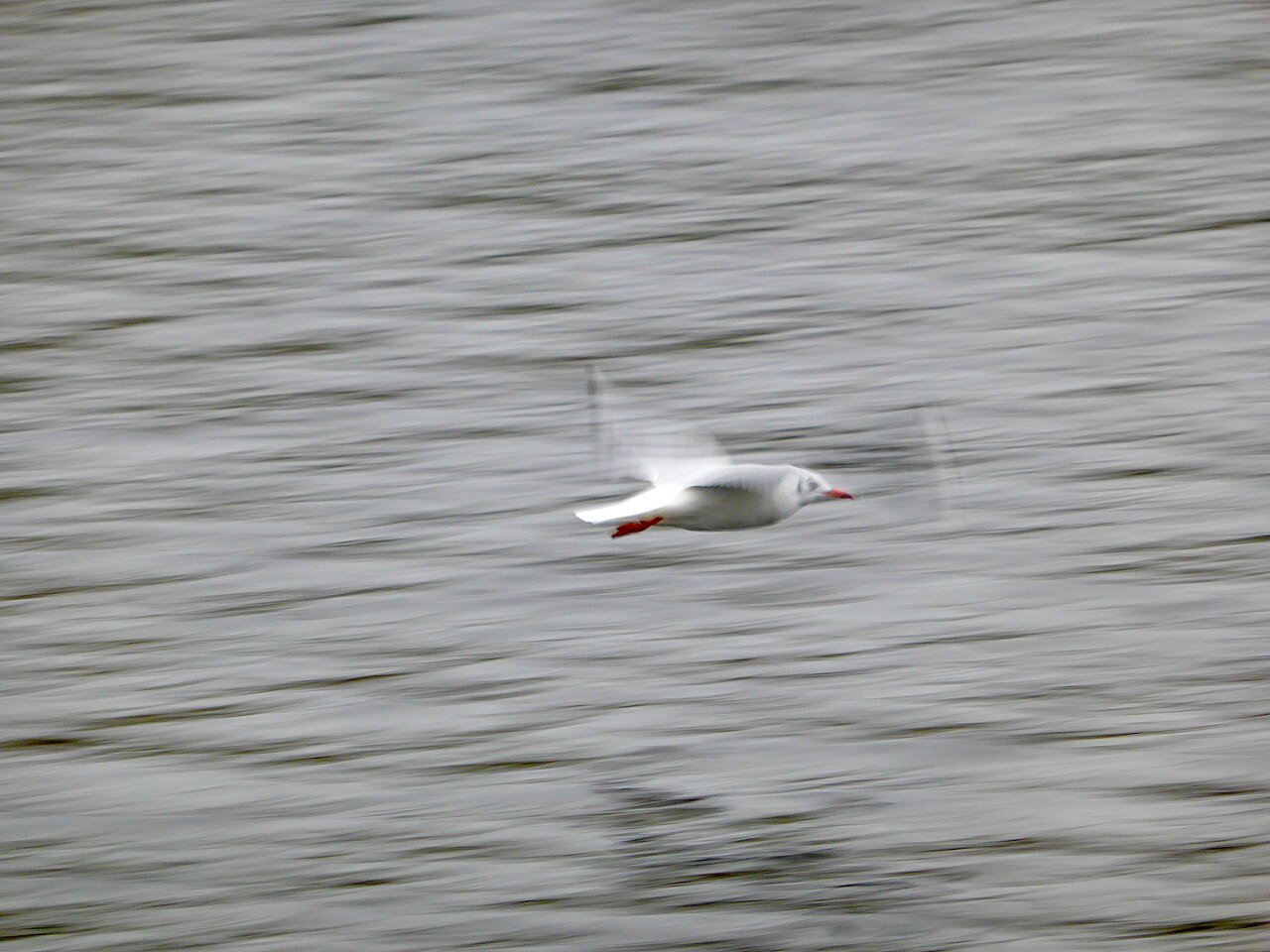
Next, the shutter speed book narrows the focus. Its description lists freezing and implying motion, panning, zooming and rendering motion effects with Photoshop. In addition, it promises before-and-after photos that pair a mediocre image with a better one.3

Understanding Flash Photography
Then comes flash. The publisher says this guide picks up where Understanding Exposure left off. Specifically, it covers on-camera and off-camera flash, and it explains how to go beyond automatic TTL exposure to manual flash.4 As a result, it overlaps with the flash chapter of the fourth edition of the first book.
Bryan Peterson’s Exposure Solutions
By contrast, this title is organized by problem. The publisher says it addresses more than 25 tricky exposure scenarios, for example a high-contrast snow scene or a backlit portrait.5 Therefore, it suits readers who already know the basics and want case-by-case answers.

Bryan Peterson Photography School
Finally, the 2021 volume has a wider scope. Its description presents it as a master class based on workshops from the Bryan Peterson School of Photography, with real student examples. It lists lessons on shutter speed, white balance, the light meter, lens choice, point of view and Photoshop.6 Hence it is less an exposure manual than a general course.
Where the 2004 Revised Edition of Understanding Exposure Fits
Open Library records a revised edition of Understanding Exposure from Amphoto Books, dated August 1, 2004, with 160 pages.7 In other words, it sits between the original 1990 edition and the third edition of 2010.
Meanwhile, the publisher says the third edition added more than one hundred new images, an all-new chapter, and material on white balance, flash and HDR. Consequently, a 2004 copy predates those additions. Even so, we did not compare the texts, so we cannot say how much of the 2004 content survives.

Which Bryan Peterson Exposure Book to Read First
Please note that the advice below is our reading of the publisher descriptions, not a review of the books.
- If you want the basics of light, aperture and shutter speed, start with Understanding Exposure.
- However, if motion is your problem, the shutter speed book is the natural next step.
- If you use flash, Understanding Flash Photography goes further than a single chapter.
- Alternatively, if you already know the basics, Exposure Solutions offers case-by-case answers.
- If you want a broader course, Photography School covers more than exposure.
Frequently Asked Questions
How many copies of Understanding Exposure have been sold?
However, the publisher gives two different figures. The shutter speed book’s description says more than 250,000 copies, whereas the third edition’s description says more than 350,000. Both are publisher claims, so we found no independent count.8
Is there a Bryan Peterson exposure book called Exposure Unlocked?
We found none, because an Open Library title search for “exposure unlocked” returned no result, and the author’s titles listed by the publisher do not include it. For that reason, we removed the name that an earlier version of this page used.
Do the Bryan Peterson exposure books cover digital cameras?
The descriptions mention digital and film formats for the shutter speed book and current technologies for the third edition of Understanding Exposure. However, we did not check each book for digital-specific advice.
Further Reading
- Penguin Random House, Understanding Exposure, Fourth Edition.
- Penguin Random House, Understanding Exposure, 3rd Edition.
- Penguin Random House, Understanding Shutter Speed.
- Penguin Random House, Understanding Flash Photography.
- Penguin Random House, Bryan Peterson’s Exposure Solutions.
- Penguin Random House, Bryan Peterson Photography School.
- Open Library, Understanding Exposure, list of editions.
Sources and Limits for Bryan Peterson Exposure Books
Sources used
First, descriptions, dates and page counts for the five books come from Penguin Random House. Second, the contents list of the fourth edition comes from a library catalog. In addition, the 2004 edition record comes from Open Library, a secondary source. Finally, the three photographs come from Wikimedia Commons and are not from the books.
Limits of what we could verify
First, we did not read any of the books, so the article describes what the publisher says and not what the books deliver. Second, dates are those printed on the publisher’s pages, and some are ebook dates, so they may differ from first print dates. Third, sales figures are publisher claims that disagree with each other. In addition, we could not compare the 2004 and later texts. Furthermore, the page address of this article still contains an older, inaccurate title, which we keep so that existing links work.
- Author biography and title list: Penguin Random House, Understanding Exposure, Fourth Edition.
- Penguin Random House, fourth edition page. Its contents list (Defining exposure, Aperture, Shutter speed, Light, Special techniques, Electronic flash) comes from the Schlow Centre Region Library catalog.
- Penguin Random House, Understanding Shutter Speed. Open Library, a secondary source, dates the first publication of the title to 2008; we did not reconcile that with the 2011 ebook date.
- Penguin Random House, Understanding Flash Photography.
- Penguin Random House, Bryan Peterson’s Exposure Solutions.
- Penguin Random House, Bryan Peterson Photography School.
- Edition record: Open Library, Understanding Exposure, list of editions. This is catalog data; we did not see the book.
- Compare Penguin Random House, Understanding Shutter Speed with Penguin Random House, Understanding Exposure, 3rd Edition.