In today’s hyper-connected digital landscape, where the average person scrolls through hundreds of images daily, visual content has become the primary language of communication. Among all visual mediums, photography stands as the most powerful tool in marketing—capable of stopping thumbs mid-scroll, evoking visceral emotions, and driving consumer action. This comprehensive guide explores how photography shapes modern marketing strategies, examining theoretical foundations, practical applications, and emerging trends that are redefining how brands connect with audiences.
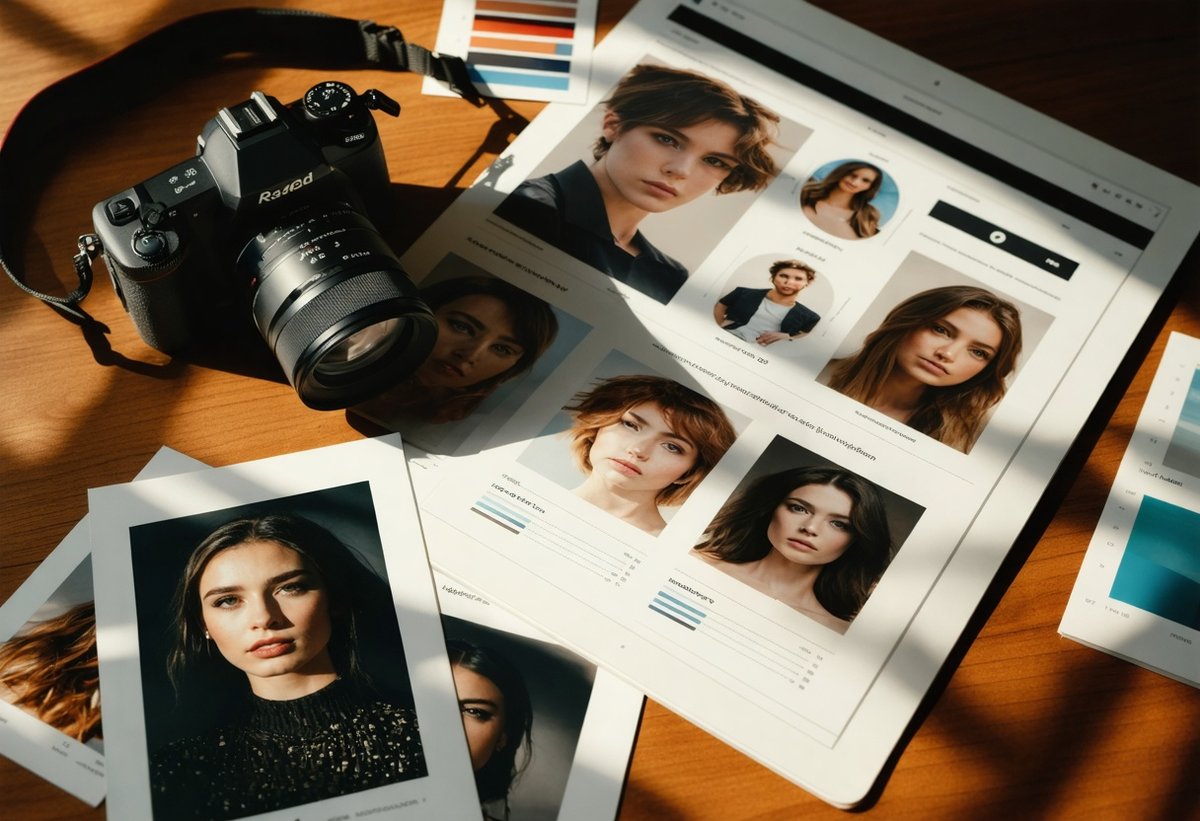
The Psychological Foundation: Why Photography Captivates
The Punctum: Roland Barthes and Emotional Resonance
Photography possesses a unique ability to pierce through our defenses and touch something deep within us. Renowned scholar Roland Barthes explored this phenomenon in his seminal work “Camera Lucida: Reflections on Photography,” introducing the concept of the punctum—that unexpected detail within an image that “pricks” or “wounds” the viewer emotionally. Unlike the studium (the general cultural interest in a photograph), the punctum is deeply personal and creates an immediate, visceral connection.
For marketers, understanding the punctum is transformative. It might be the genuine smile of a customer in a testimonial photo, the worn hands of a craftsperson showcasing authenticity, or the unexpected splash of color that makes a product image memorable. These details create emotional anchors that make brands unforgettable. Through strategic composition, lighting, and subject matter, photographers can craft moments that resonate on a profoundly human level—turning casual viewers into engaged customers.
Visual Narratives: Building Stories Through Sequential Imagery
Photography transcends single-frame impact through its narrative potential. Influential theorist Rosalind Krauss, in “The Originality of the Avant-Garde and Other Modernist Myths,” examined how photographs create meaning through sequencing and contextualization. When images are arranged thoughtfully, they construct compelling visual narratives that invite viewers to become active participants in storytelling.
André Bazin, in “What Is Cinema?,” emphasized photography’s unique capacity to freeze moments in time, preserving what he called the “mummy complex”—our desire to halt decay and mortality. This temporal suspension allows viewers to contemplate deeper meanings and narrative implications. In marketing, this translates to campaign sequences that build brand stories across touchpoints, from Instagram carousels to multi-page magazine spreads, creating cohesive narratives that deepen consumer engagement.
The Strategic Importance of Photography in Modern Marketing
Breaking Through Visual Noise: Attention Economics
In an era where consumers encounter between 4,000 and 10,000 marketing messages daily, capturing attention has become the scarcest commodity. Photography excels at cutting through this visual cacophony. Research shows that content with relevant images receives 94% more views than content without visuals, and social media posts with images produce 650% higher engagement than text-only posts.
Effective marketing photography employs several attention-grabbing techniques: striking compositions that guide the eye, vibrant color palettes that pop against monotonous feeds, unexpected perspectives that challenge viewer expectations, and human faces that trigger our innate social recognition systems. The key is creating visual disruption that feels intentional rather than chaotic—imagery that makes viewers pause and think, “I need to know more about this.”
Authenticity and Trust: The Currency of Modern Branding
In an age of skepticism toward traditional advertising, authenticity has emerged as the cornerstone of effective marketing. Photography plays a vital role in establishing genuine connections with audiences. Consumers, particularly Millennials and Gen Z, possess finely-tuned authenticity detectors—they can spot stock photography and staged scenarios from a mile away.
The work of artist Cindy Sherman, particularly her “Untitled Film Stills” series, demonstrates the power of constructed authenticity and challenges our assumptions about identity and representation. While Sherman’s work is highly staged, it reveals deeper truths about how we perform identity—a concept brands can leverage by showing the real people, processes, and stories behind their products. User-generated content, behind-the-scenes photography, and unpolished “real moment” imagery often outperform glossy commercial photography because they signal authenticity and build trust.

Emotional Triggers: The Neuroscience of Visual Persuasion
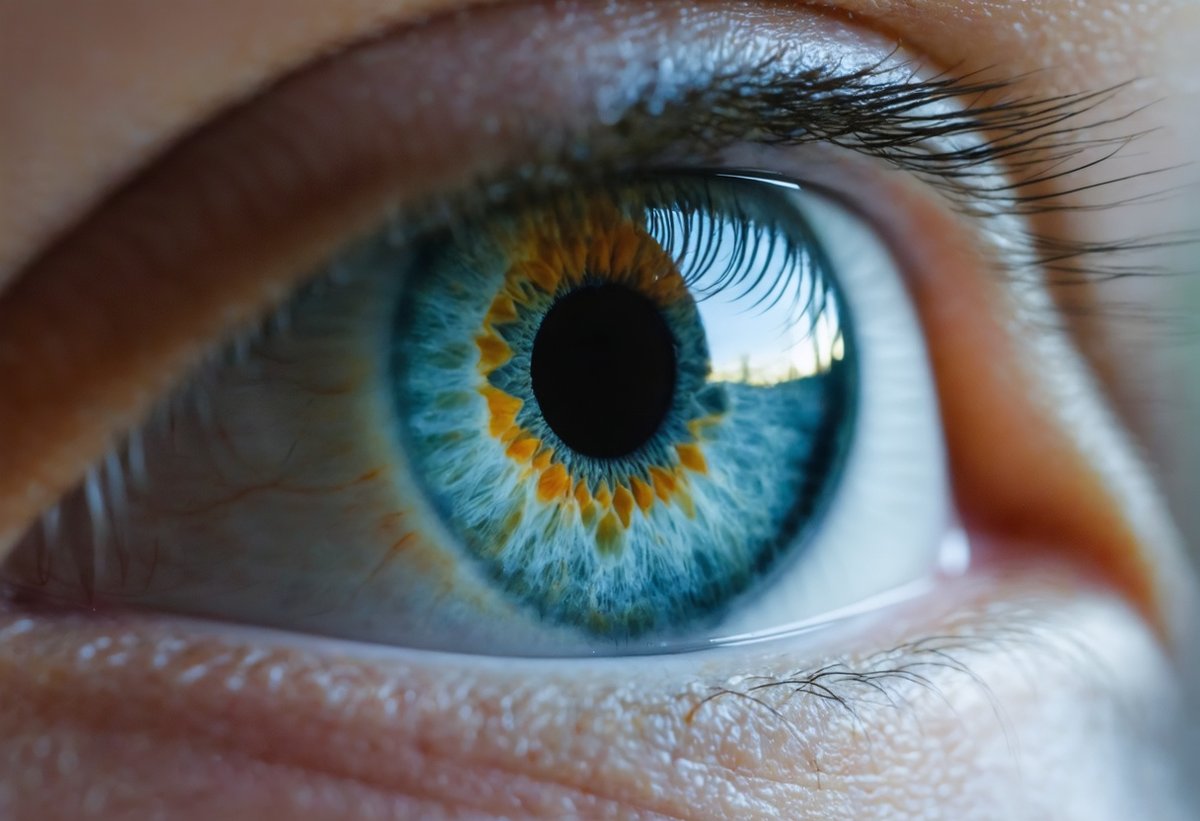
Neuroscience research reveals that emotional responses to images occur in milliseconds—faster than conscious thought. Photography activates the amygdala, the brain’s emotional processing center, creating feelings before rational analysis begins. This emotional primacy makes photography uniquely powerful for influencing consumer behavior.
Strategic marketers leverage specific emotional triggers through imagery: nostalgia through vintage aesthetics and familiar scenarios, aspiration through lifestyle photography showcasing desired identities, joy through bright colors and smiling faces, urgency through dynamic action shots, and security through calm, orderly compositions. By mapping desired emotional responses to visual strategies, brands can create photography that doesn’t just show products—it makes people feel something about them.
How Photography Transforms Marketing Effectiveness
Visual Communication: Instant Message Transmission
The human brain processes images 60,000 times faster than text. In marketing contexts where you have mere seconds to communicate value propositions, photography serves as a universal language that transcends literacy levels, language barriers, and cultural boundaries. A single well-crafted photograph can convey complex brand values, product benefits, and emotional associations instantaneously.
Consider how luxury brands communicate exclusivity through minimalist photography with abundant negative space, or how outdoor brands convey adventure through dramatic landscape imagery. These visual shorthand techniques allow brands to communicate sophisticated messages at a glance—essential in mobile-first environments where attention spans measure in microseconds. The most effective marketing photography operates as visual rhetoric, persuading without words.
Brand Identity and Visual Differentiation
In saturated markets, visual identity often provides the only meaningful differentiation. Photography establishes and reinforces brand personality through consistent aesthetic choices: color palettes, lighting styles, compositional approaches, and subject treatment. Think of how you can instantly recognize an Apple product photograph—clean, minimalist, with perfect lighting that emphasizes design—or how Patagonia’s environmental photography reinforces their sustainability values.
Developing a cohesive photographic style guide is essential for brand building. This includes defining your visual vocabulary: Will you use warm or cool tones? Shallow or deep depth of field? Natural or studio lighting? Candid or posed subjects? These decisions accumulate into a distinctive visual identity that makes your brand immediately recognizable across all touchpoints, from social media to packaging to advertising campaigns. For practical guidance on developing your visual identity, explore our comprehensive guide on creating your personal aesthetic on Instagram.
Social Media Amplification and Viral Potential
Photography fuels the social media ecosystem. Platforms like Instagram, Pinterest, and TikTok are fundamentally visual-first environments where compelling imagery determines content success. Posts with images produce 2.3 times more engagement on Facebook, while tweets with images receive 150% more retweets than those without.
Viral photography shares common characteristics: emotional resonance (whether humor, awe, or empathy), shareability (images people want to be associated with), visual surprise (unexpected elements that make people do a double-take), and cultural relevance (tapping into current conversations and trends). Brands that master these elements can achieve exponential organic reach—turning customers into brand ambassadors who voluntarily share content across their networks. The key is creating photography that people share not because it’s an ad, but because it genuinely adds value to their social media presence.
Creating Powerful Marketing Photography: Practical Techniques
Composition Mastery: Guiding the Viewer’s Eye
Strong composition transforms ordinary photographs into compelling marketing assets. The rule of thirds—placing key elements along imaginary lines dividing the frame into thirds—creates dynamic balance and visual interest. Leading lines draw viewers into the image and toward focal points, while symmetry conveys stability and professionalism. Negative space provides breathing room and emphasizes subject importance.
Advanced compositional techniques include framing (using environmental elements to create natural borders), layering (incorporating foreground, middle ground, and background elements for depth), and the golden ratio (a mathematical proportion found in nature that creates inherently pleasing compositions). Professional marketing photographers also consider the “Z-pattern” and “F-pattern”—the natural eye movement patterns viewers follow—placing key information along these visual pathways to maximize message retention.
Lighting: The Photographer’s Most Powerful Tool
Lighting doesn’t just illuminate subjects—it creates mood, dimension, and emotional tone. Natural light offers authenticity and warmth, particularly the coveted “golden hour” light that occurs shortly after sunrise and before sunset. This soft, directional light flatters subjects and creates an aspirational, dreamy quality perfect for lifestyle marketing.
Studio lighting provides complete control, allowing photographers to sculpt light precisely. Key light establishes the primary illumination and mood, fill light reduces shadows for a softer look, and rim light separates subjects from backgrounds. For product photography, diffused lighting minimizes harsh shadows and reveals texture and detail. Understanding color temperature—measured in Kelvin—ensures consistent, professional results across different lighting conditions. Warm light (2700-3000K) creates cozy, inviting atmospheres, while cool light (5000-6500K) conveys cleanliness, professionalism, and modernity.
Storytelling Through Sequential Imagery
While single images capture attention, sequential photography builds narratives that deepen engagement. Photo series allow brands to showcase product evolution, demonstrate use cases, reveal behind-the-scenes processes, or tell customer stories across multiple touchpoints. This approach mirrors documentary photography’s power to reveal deeper truths through accumulated evidence.
Effective sequential storytelling maintains visual coherence through consistent color grading, lighting styles, and compositional approaches while varying enough to sustain interest. Consider the narrative arc: establishing shots set the scene, detail shots reveal specifics, and wide shots provide context. This photographic grammar, borrowed from cinematography, guides viewers through a complete story that builds brand understanding and emotional investment.
Photography Across Marketing Channels and Industries
E-commerce and Product Photography: Converting Browsers to Buyers
In e-commerce, photography replaces the tactile experience of physical retail. High-quality product images directly impact conversion rates—with some studies showing that professional product photography can increase sales by up to 30%. Effective product photography requires multiple angles (front, back, sides, top), scale references (showing products in use or next to familiar objects), and detail shots that reveal texture, materials, and craftsmanship.
Lifestyle product photography shows items in context, helping customers visualize ownership and use. A watch photographed on a wrist conveys more than a watch on a white background. Clothing shown on diverse body types in real-world settings outperforms mannequin photography. The goal is reducing purchase anxiety by providing comprehensive visual information that answers questions before they’re asked. Advanced techniques like 360-degree photography and augmented reality integration are becoming standard expectations in competitive e-commerce categories.
Travel and Tourism: Selling Experiences Through Imagery
Tourism marketing lives and dies by photography’s ability to transport viewers and trigger wanderlust. Destination photography must balance aspirational beauty with authentic representation—showing locations as stunning yet achievable. Wide-angle landscape photography establishes sense of place, while intimate detail shots reveal local culture, cuisine, and character.
The most effective travel photography includes human elements—people experiencing destinations—because viewers project themselves into these scenarios. Empty beaches and monuments feel sterile; showing real travelers exploring, dining, and connecting makes experiences tangible. Seasonal variation photography helps tourism boards market year-round, while aerial drone photography provides dramatic perspectives that showcase destinations’ scale and beauty. The key is creating imagery that makes viewers think, “I need to experience this myself.”
Fashion and Lifestyle: Selling Identity and Aspiration
Fashion photography sells more than clothing—it sells identity, lifestyle, and aspiration. Successful fashion marketing photography creates aspirational worlds that customers want to inhabit. This requires attention to styling (not just the featured product but the complete look), location (environments that reinforce brand positioning), and models (whose appearance and attitude embody target customer aspirations).
Contemporary fashion marketing increasingly embraces diversity and authenticity, moving beyond traditional beauty standards to represent real customers. This shift reflects broader cultural changes and responds to consumer demand for inclusive representation. Brands that successfully balance aspiration with authenticity—showing diverse bodies, ages, and identities in aspirational contexts—build stronger emotional connections with broader audiences. The technical execution must remain flawless, but the content becomes more relatable and emotionally resonant.
Food and Beverage: Making Mouths Water Through Visuals
Food photography triggers primal responses—we literally salivate when viewing appetizing food images. Successful food marketing photography emphasizes texture (crispy, creamy, juicy), freshness (vibrant colors, glistening surfaces), and abundance (generous portions, overflowing plates). Styling techniques like adding steam, highlighting condensation, or showing a bite taken from a dish create dynamism and suggest sensory experience.
Lighting is crucial in food photography—soft, directional light reveals texture and dimension without harsh shadows. The 45-degree angle (shooting from slightly above and to the side) mimics natural viewing angles and flatters most dishes. Prop styling—plates, linens, utensils, and environmental elements—creates context and reinforces brand personality. Rustic wooden boards suggest artisanal quality, while minimalist white surfaces convey modern sophistication. The goal is creating imagery so compelling that viewers can almost taste what they’re seeing.
The Digital Evolution: Photography in the Age of AI and Social Media
AI-Generated Imagery: Opportunity or Threat?
Artificial intelligence has revolutionized image creation, enabling brands to generate custom photography without traditional photo shoots. AI image generators can produce product mockups, background variations, and conceptual imagery in minutes rather than days. This technology offers unprecedented speed and cost efficiency, particularly for small businesses and rapid content needs.
However, AI-generated imagery raises important questions about authenticity, copyright, and the future of professional photography. Consumers are developing sophisticated abilities to detect AI-generated content, and some react negatively to perceived inauthenticity. The most effective approach combines AI efficiency for certain applications (background generation, concept visualization, rapid iteration) with authentic human photography for emotional connection and trust-building. For deeper exploration of this evolving landscape, see our analysis of how AI is reshaping visual creation.
Mobile Photography: Democratization and Accessibility
Smartphone cameras have democratized photography, enabling anyone to create marketing content. Advanced computational photography—using AI to enhance images—produces results that rival professional cameras in many scenarios. This accessibility has transformed content strategies, enabling real-time marketing, user-generated content campaigns, and authentic behind-the-scenes documentation.
However, technical accessibility doesn’t replace creative vision and strategic thinking. The principles of composition, lighting, and storytelling remain essential regardless of equipment. Smart marketers leverage mobile photography’s immediacy and authenticity while maintaining quality standards through proper technique, editing, and curation. The best mobile marketing photography feels spontaneous yet intentional—capturing authentic moments with technical competence.
Platform-Specific Optimization: Tailoring Content for Maximum Impact
Different platforms demand different photographic approaches. Instagram favors square or vertical formats with bold, eye-catching compositions that work at small sizes. Pinterest rewards tall, vertical images (2:3 or 1:2.1 ratios) with clear focal points and text overlays. LinkedIn responds to professional, polished imagery that conveys expertise and credibility. TikTok and Instagram Reels prioritize vertical video but use striking thumbnail photography to drive clicks.
Technical specifications matter too: image dimensions, file sizes, and aspect ratios affect how platforms display content. Savvy marketers create multiple versions of key images optimized for different platforms rather than using one-size-fits-all approaches. This platform-specific optimization ensures maximum visual impact wherever audiences encounter brand content, respecting each platform’s unique culture and technical requirements.
Measuring Photography’s Marketing Impact: Metrics and ROI
Quantifying Visual Performance
While photography’s impact feels intuitive, effective marketing requires measurable results. Key performance indicators for marketing photography include engagement rates (likes, comments, shares relative to followers), click-through rates (how often images drive desired actions), conversion rates (purchase completion after viewing product photography), time on page (how long compelling imagery keeps visitors engaged), and brand recall (measured through surveys assessing visual memory).
A/B testing reveals which photographic approaches perform best. Test variables like background colors, lifestyle versus product-only shots, model demographics, and compositional styles. Analytics platforms provide heat maps showing where viewers focus attention within images, informing future compositional decisions. Social media analytics reveal which content types generate highest engagement, guiding content strategy refinement. This data-driven approach transforms photography from subjective art to measurable marketing science.
Calculating Photography ROI
Professional photography represents significant investment—equipment, talent, production, and post-processing costs add up quickly. Justifying this investment requires demonstrating clear return. Calculate photography ROI by comparing campaign performance metrics (conversion rates, engagement, sales) before and after implementing professional photography. Track customer acquisition costs and lifetime value for campaigns using different image quality levels.
Consider long-term value too: high-quality photography remains usable across multiple campaigns and platforms, amortizing costs over time. Build a photography library that serves ongoing marketing needs rather than starting from scratch for each campaign. Many brands find that investing in quarterly professional photo shoots, supplemented with ongoing mobile and user-generated content, provides optimal balance between quality and cost efficiency.
The Cultural Context: Museums, Institutions, and Photography’s Evolution
Institutional Influence: MoMA and the Centre Pompidou
Prestigious institutions like The Museum of Modern Art (MoMA) and the Centre Pompidou have played pivotal roles in elevating photography from commercial medium to fine art. Their exhibitions, collections, and critical frameworks shape how we understand photography’s aesthetic and cultural significance. These institutions celebrate photography’s artistic potential while acknowledging its commercial applications—recognizing that the boundary between art and commerce has always been porous in photography.
Marketing professionals benefit from understanding photography’s artistic evolution. Techniques, styles, and conceptual approaches that emerge in fine art photography eventually influence commercial work. The conceptual rigor and visual innovation celebrated in museum contexts push commercial photography toward greater creativity and sophistication. Following major photography exhibitions and critical discourse keeps marketers aware of emerging visual trends and fresh approaches to image-making.
Cindy Sherman and the Performance of Identity
Cindy Sherman’s groundbreaking work, particularly her “Untitled Film Stills” series, explores how identity is constructed and performed through imagery. Sherman photographs herself in various personas, revealing how we adopt roles and present curated versions of ourselves. This concept resonates powerfully in marketing’s Instagram age, where brands and consumers alike carefully construct visual identities.
Sherman’s work reminds marketers that all photography involves construction and performance—even seemingly “authentic” imagery is carefully crafted. The key is being intentional about what you’re constructing and why. Effective marketing photography performs brand identity consistently, creating recognizable visual personas that audiences connect with. Understanding photography as performance rather than pure documentation enables more strategic, effective visual communication.
Ethical Considerations in Marketing Photography
Authenticity Versus Manipulation
Digital editing capabilities raise important ethical questions: When does enhancement become deception? Consumers increasingly demand authenticity, yet perfect imagery remains aspirational. The solution lies in transparent editing that enhances without fundamentally altering reality. Disclose significant alterations, particularly in contexts where accuracy matters (real estate, product features, body representation).
Many brands now embrace “realistic” editing—removing temporary blemishes while preserving authentic characteristics. This approach acknowledges that all photography involves some manipulation (lighting, composition, framing) while maintaining truthfulness about what products and experiences actually deliver. Building trust requires this balance between aspiration and honesty.
Representation and Inclusion
Marketing photography shapes cultural perceptions by determining who is visible and how they’re represented. Ethical marketing photography embraces diverse representation—showing varied body types, ages, ethnicities, abilities, and identities. This isn’t just morally right; it’s strategically smart. Consumers support brands that reflect their values and represent their communities.
Inclusive photography requires intentionality: diverse casting, culturally sensitive styling, and avoiding stereotypical representations. Work with diverse photographers who bring varied perspectives and lived experiences. Representation matters behind the camera as well as in front of it. Brands that authentically embrace diversity in their visual storytelling build stronger connections with broader audiences while contributing to more equitable cultural representation.
Future Trends: Where Marketing Photography is Heading
Immersive and Interactive Photography
Technology is transforming photography from passive viewing to active experience. 360-degree photography allows viewers to explore environments interactively. Augmented reality (AR) enables customers to visualize products in their own spaces before purchasing. Virtual reality (VR) creates fully immersive brand experiences. These technologies extend photography’s storytelling capabilities, creating deeper engagement and reducing purchase hesitation.
Shoppable photography—images with embedded product tags enabling instant purchase—shortens the path from inspiration to transaction. Interactive elements like before-and-after sliders, zoom capabilities revealing extreme detail, and hotspots providing additional information transform static images into dynamic experiences. As these technologies become more accessible, they’ll become expected rather than novel, raising the baseline for effective marketing photography.
Sustainability and Conscious Production
Environmental consciousness is reshaping photography production. Brands increasingly consider the carbon footprint of photo shoots—travel, energy consumption, waste generation, and disposal. Sustainable photography practices include local production, digital delivery reducing physical shipping, efficient lighting, minimal waste styling, and virtual production using LED walls instead of location travel.
This shift aligns with broader consumer values: younger audiences particularly favor brands demonstrating environmental responsibility. Communicating sustainable production practices—”This campaign was shot locally using renewable energy”—can itself become marketing content, reinforcing brand values while showcasing beautiful imagery. Sustainability and quality aren’t mutually exclusive; they’re increasingly inseparable.
The Continued Rise of User-Generated Content
User-generated content (UGC)—photography created by customers rather than brands—continues gaining influence. UGC feels authentic because it is: real customers sharing genuine experiences. This content outperforms branded photography in trust and relatability, with 79% of consumers saying UGC highly impacts their purchasing decisions.
Smart brands cultivate UGC through hashtag campaigns, customer features, and content licensing programs. The challenge is maintaining quality standards while preserving authenticity. Provide customers with guidelines (lighting tips, compositional suggestions) without demanding professional polish. Curate thoughtfully, selecting UGC that aligns with brand aesthetics while celebrating diverse perspectives. The future of marketing photography isn’t brands versus users—it’s collaborative storytelling where both contribute to a richer, more authentic visual narrative.
Practical Implementation: Building Your Marketing Photography Strategy
Developing a Visual Brand Guide
Consistency creates recognition. Develop a comprehensive visual brand guide that defines your photographic standards: color palettes (specific hex codes and color treatments), lighting styles (natural versus studio, hard versus soft), compositional approaches (tight crops versus environmental context), subject treatment (posed versus candid), and editing styles (vibrant versus muted, high versus low contrast). This guide ensures visual consistency across photographers, campaigns, and platforms.
Include both aspirational examples (“shoot like this”) and cautionary examples (“avoid this”). Specify technical requirements: file formats, resolutions, and color profiles. Update your guide annually to reflect evolving brand positioning and emerging visual trends. A strong visual brand guide empowers everyone creating content—from professional photographers to social media managers—to maintain cohesive brand identity.
Building a Content Library
Effective marketing requires substantial visual assets. Build a comprehensive content library organized by categories: products, lifestyle, behind-the-scenes, team members, customers, and seasonal content. Implement digital asset management (DAM) systems that enable easy searching, tagging, and retrieval. Proper organization prevents recreating existing content and ensures you maximize return on photography investments.
Plan quarterly or bi-annual photography productions that build your library strategically. Shoot more than immediate needs require, capturing variations and alternative angles. This approach is more cost-effective than frequent small shoots and provides flexibility for emerging opportunities. Regularly audit your library, identifying gaps and planning productions to fill them.
Balancing Investment: When to Hire Professionals Versus DIY
Not all marketing photography requires professional photographers. Determine which applications demand professional quality (hero campaign images, product launches, brand-defining content) versus where authentic, lower-production content works better (social media stories, behind-the-scenes, real-time marketing). Allocate budgets accordingly, investing heavily in cornerstone content while empowering team members to create supplementary content.
When hiring professionals, clearly communicate objectives, provide comprehensive creative briefs, and establish usage rights upfront. When creating in-house content, invest in basic training and equipment that enables quality results. The goal isn’t choosing between professional and DIY—it’s strategically deploying both to create diverse, authentic, high-performing visual content within budget constraints.
Conclusion: Photography as Marketing’s Universal Language
Photography’s power in marketing stems from its unique ability to communicate instantly, emotionally, and universally. In an increasingly visual world where attention is scarce and skepticism is high, compelling imagery cuts through noise and builds genuine connections. From Roland Barthes’ punctum to Cindy Sherman’s identity performances, from MoMA’s institutional validation to Instagram’s democratization, photography continues evolving while maintaining its essential power: capturing human attention and moving human hearts.
Successful marketing photography balances art and strategy, authenticity and aspiration, consistency and innovation. It requires understanding theoretical foundations while mastering practical techniques. It demands technical excellence while embracing authentic imperfection. Most importantly, it requires seeing photography not as decoration but as a fundamental language—the primary means through which modern brands communicate identity, values, and promises.
As technology continues advancing—through AI generation, immersive formats, and interactive capabilities—photography’s central role in marketing will only intensify. Brands that master visual storytelling, that understand how images capture attention and create meaning, will thrive in increasingly competitive markets. Those that treat photography as an afterthought will struggle to connect with visually sophisticated audiences who expect more than generic stock imagery.
The future of marketing is visual, emotional, and immediate. Photography—whether captured by professionals with cutting-edge equipment or by customers with smartphones—will continue shaping how brands communicate, how consumers decide, and how businesses succeed. Invest in photography not as an expense but as the essential infrastructure of modern marketing. Your visual voice is your brand’s most powerful asset. Make it compelling, authentic, and unforgettable.
References
- Barthes, Roland. “Camera Lucida: Reflections on Photography.”
- Krauss, Rosalind. “The Originality of the Avant-Garde and Other Modernist Myths.”
- Bazin, André. “What Is Cinema?”
- Sherman, Cindy. “Untitled Film Stills.”
- Sontag, Susan. “On Photography.”
- Berger, John. “Ways of Seeing.”
Bibliography
- Dyer, Geoff. “The Ongoing Moment.”
- Ritchin, Fred. “After Photography.”
- Wells, Liz. “Photography: A Critical Introduction.”
- Manovich, Lev. “The Language of New Media.”
- Cotton, Charlotte. “The Photograph as Contemporary Art.”