The Kit Pro for the Xiaomi 17 Ultra is the accessory that finally answers a question mobile photographers have been asking for years: what if your phone stopped pretending to be a camera and simply became one? Priced at roughly €199.99, this DSLR-style grip system doesn't touch a single pixel of the sensor — and yet it may do more to improve your photographs than any software update ever could. This guide explains exactly why, how the kit works, what the phone's camera hardware brings to the table, and the aesthetic principles that turn a good snapshot into a photograph worth printing.
If you're weighing whether the Photography Kit Pro Xiaomi 17 Ultra is worth its price, or you simply want to understand how tactile control changes the way you see, read on. This is the most thorough resource on the kit available in English.
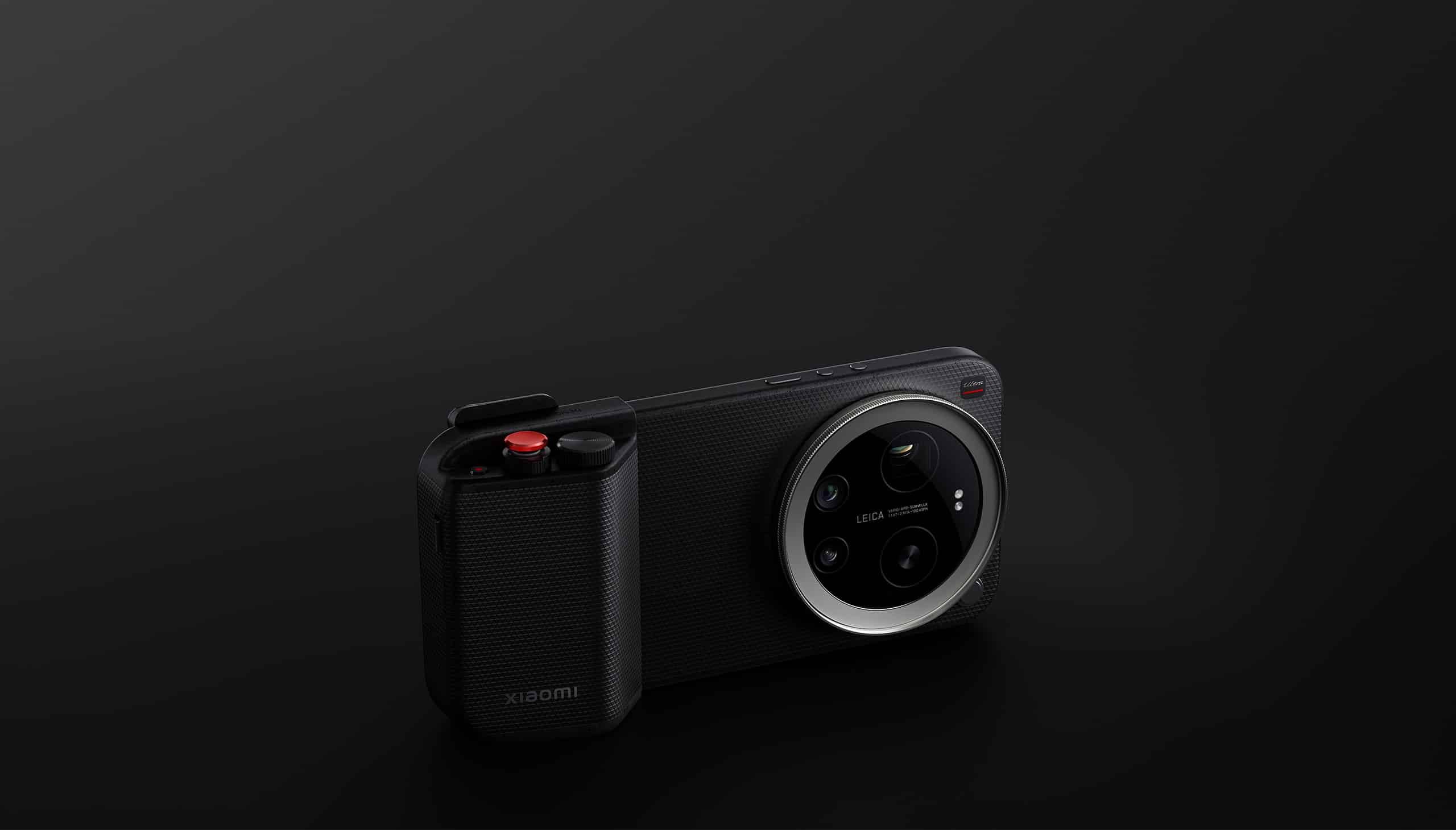
Quick Answer: What Is the Xiaomi 17 Ultra Photography Kit Pro?
The Photography Kit Pro (model 25125PS17S) is a magnetic grip-case that transforms the Xiaomi 17 Ultra into a camera you hold like a Leica. It adds a two-stage physical shutter, a customizable command dial, a zoom lever, a thumb support, a 2,000mAh battery with 90W passthrough charging, and a rotatable 67mm filter adapter ring. According to Xiaomi's official product page, it connects over USB Type-C for zero-latency control and adds IP54 dust-and-splash resistance when attached.
Crucially, the kit does not improve raw image quality. It improves the act of capturing — your stability, your timing, your creative range, and your willingness to compose deliberately. As we'll see, that distinction is the entire point.
There are actually two accessories with confusingly similar names. The full Photography Kit Pro (€199.99) is the complete rig described above. A slimmer standard Photography Kit (~€99.99) offers a two-stage shutter and Fastshot mode but swaps the big battery for a 270mAh Bluetooth cell and drops the 67mm filter ring entirely. TechCrunch's Ivan Mehta confirmed both prices at their global launch: "The Photography Kit is priced at €99.99, and the Photography Kit Pro is priced at €199.99."
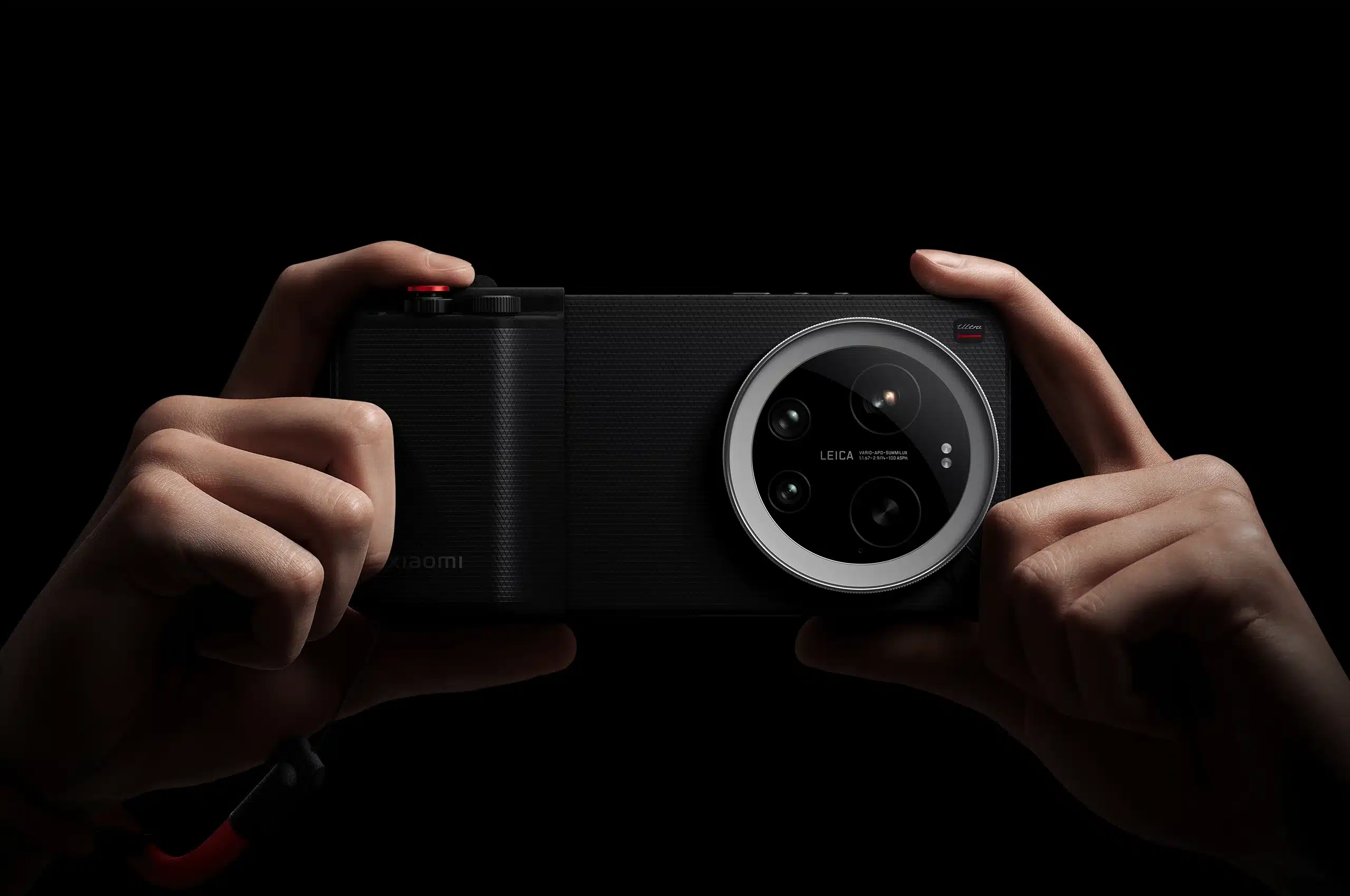
The Camera Hardware: Why the Xiaomi 17 Ultra Earns the Kit
Before the kit can elevate your photography, the phone underneath it has to be worth the ceremony. It is. The 17 Ultra scored 166 overall on the DXOMARK camera test, tying for sixth globally, with a class-leading tele-zoom sub-score and standout bokeh. Here's what makes the system special.
A True 1-Inch Main Sensor With LOFIC HDR
The main camera pairs a 50MP 1-inch sensor (f/1.67, Leica Summilux optics) with a technology called LOFIC — Lateral Overflow Integration Capacitor. In plain terms, each pixel gets an extra capacitor beside its photodiode. When bright highlights fill the main well to overflowing, the excess charge spills sideways into that capacitor instead of being clipped and lost. The result is enormous dynamic range captured in a single exposure, rather than by stacking multiple frames the way conventional smartphone HDR does.
Xiaomi states the sensor delivers a full-well capacity 6.3× greater than the previous-generation 1-inch sensor in the 15 Ultra. The engineering isn't marketing vapor: LOFIC has peer-reviewed academic roots, with research from Tohoku University demonstrating single-exposure dynamic range beyond 120 dB. Practically, this means cleaner shadows and retained highlights in brutally high-contrast scenes — fireworks, a face lit from behind, neon at night — with far less of the ghosting that plagues multi-frame HDR.
The First 200MP Telephoto With Mechanical Optical Zoom
The headline act is the telephoto: a 200MP Samsung ISOCELL HPE sensor with genuine mechanical optical zoom across 75–100mm. Where nearly every other phone fixes its telephoto lens and crops digitally between focal lengths, the 17 Ultra physically moves lens groups inside the periscope module — a real zoom, just like a dedicated camera. The GSMArena global review documents the hardware in detail, and reviewers were shown the moving mechanism during briefings. The lens is Leica APO-certified, meaning its apochromatic design focuses red, green, and blue wavelengths on the same plane to suppress the color fringing that betrays cheaper zooms.
This matters aesthetically more than it might sound: 75, 85, 90, and 100mm are the classic portrait focal lengths, and here they're all optically native. You're not upscaling a crop — you're framing with real glass.
Rounding Out the System
A 50MP ultrawide (14mm, f/2.2) covers sweeping landscapes and tight interiors, while 8K video, Dolby Vision 10-bit, and Log recording handle motion. Forbes' Prakhar Khanna framed the whole system as a deliberately "more human, less AI" approach to mobile photography — leaning on optics and Leica color science rather than aggressive computational trickery. That philosophy is exactly what the Kit Pro is built to serve.
Inside the Kit Pro: Every Control, Explained
The genius of the Photography Kit Pro is that it maps camera muscle memory onto a phone. Here's what each element does and why it matters.
The Two-Stage Shutter
Half-press to lock focus and exposure; full-press to capture. This single feature, borrowed directly from dedicated cameras, changes everything about timing. Instead of stabbing at a glass screen — which introduces shake and lag precisely at the moment of capture — you pre-focus, wait for the decisive instant, and release. Petapixel's Jaron Schneider described the grip as transformative for the shooting experience, enabling photographers to "street-shoot from the hip" with real confidence.
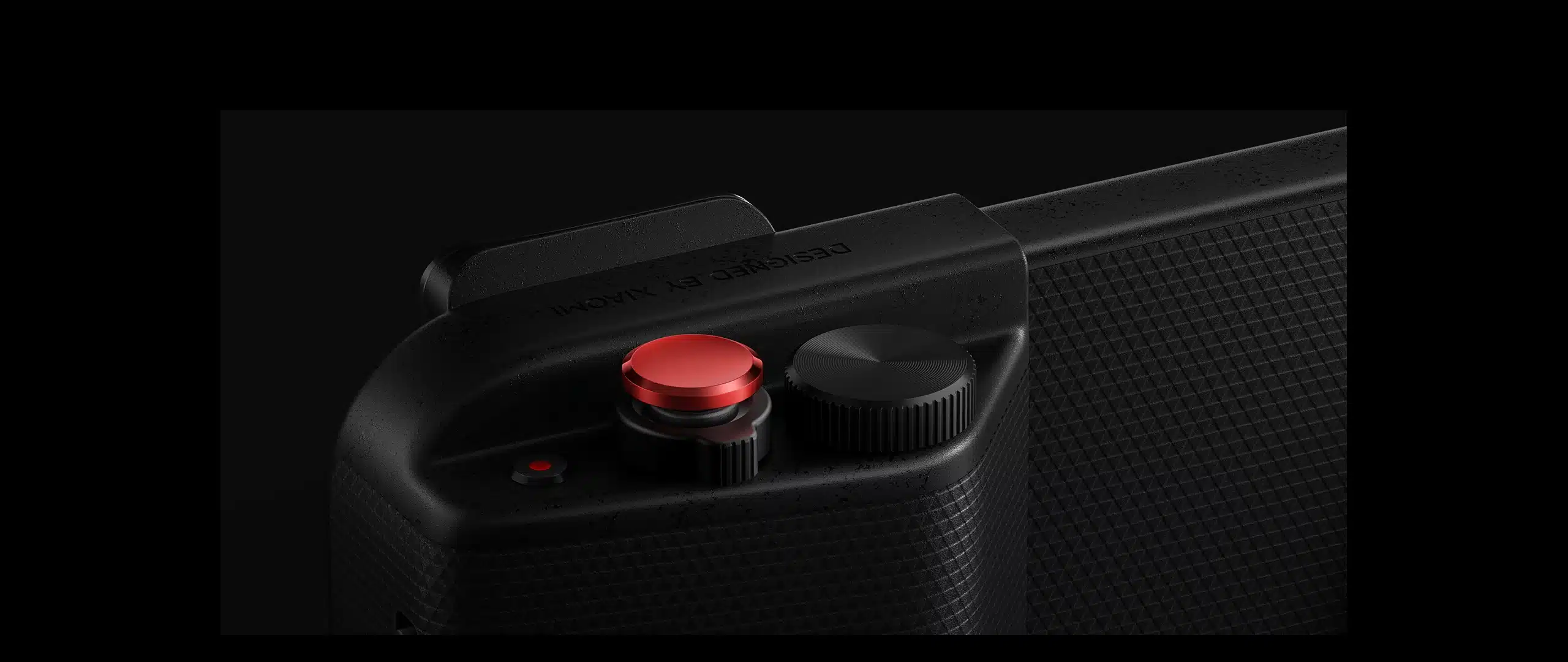
The Customizable Command Dial
A physical dial you can map to exposure compensation, ISO, shutter speed, white balance, or filter selection. The value here is eyes-on-subject control: you adjust exposure without ever looking away from your frame, the way a photographer working a fast-moving street scene has to. This is the difference between reacting to a moment and missing it.
The Zoom Lever
Flick it to jump between focal lengths; hold it for continuous zoom through the 17 Ultra's mechanical range. Some reviewers note the lever can feel slightly laggy, but the principle — analog, tactile framing — is sound and far more fluid than pinch-to-zoom.
The 2,000mAh Battery and 90W Passthrough
The grip houses a 2,000mAh cell that, per Xiaomi's support FAQ, charges the phone automatically when it drops below 20% (customizable) and supports 90W wired HyperCharge passthrough. This isn't a luxury: the phone's most demanding modes — 200MP readout, 8K video, multi-frame stacking — are power-hungry. The reserve battery means you can shoot an entire event or a full day of travel without battery anxiety cutting your session short.
The 67mm Filter Adapter Ring
A rotatable ring that accepts standard threaded 67mm filters — ND filters for long exposures in daylight, polarizers to kill reflections, Black Mist filters for cinematic halation and diffusion. These are physical optical effects that modify light before it reaches the sensor, and no computational simulation can fully replicate them. This is arguably the kit's most creatively significant addition, and it's exclusive to the Pro.
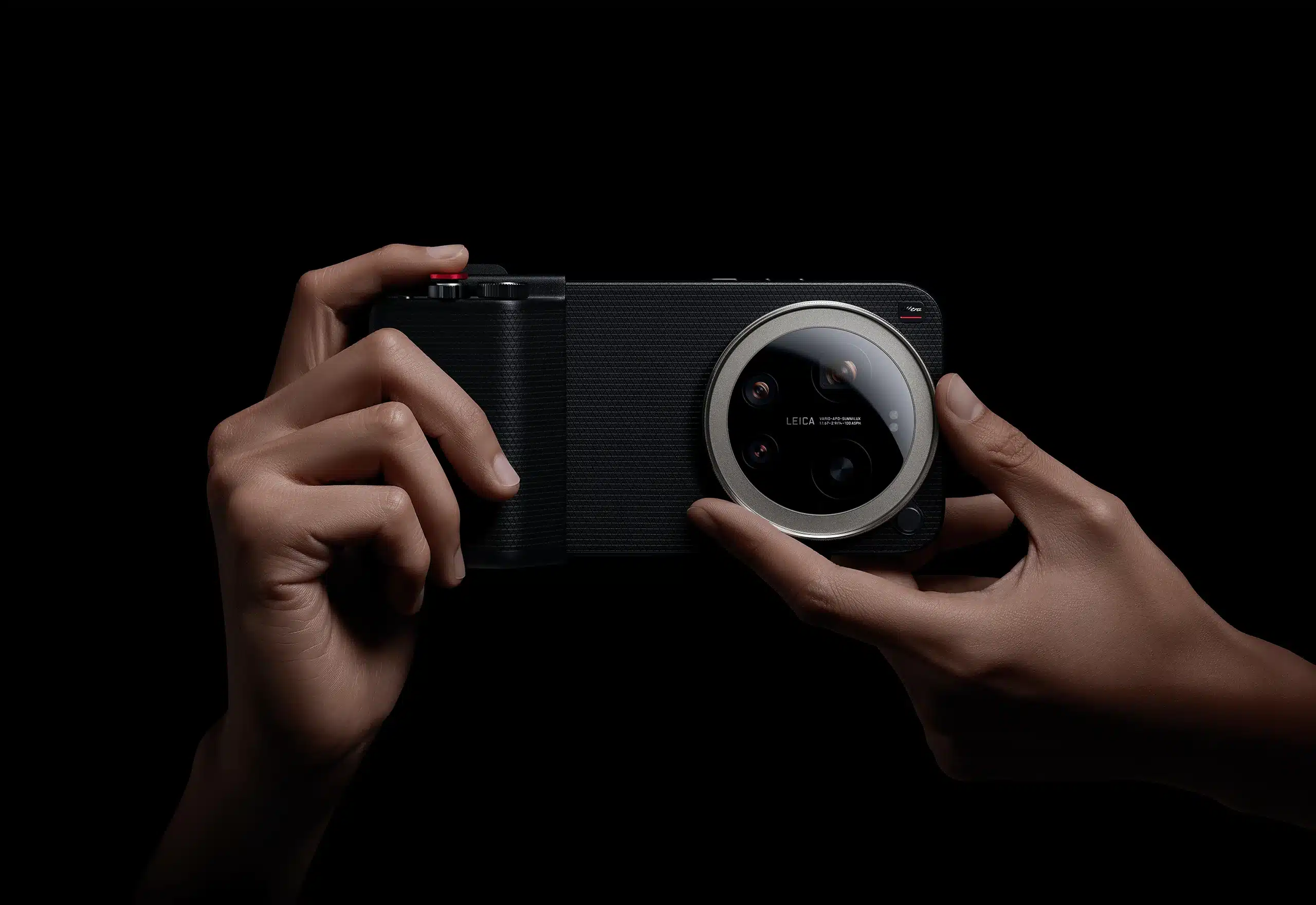
Fastshot Mode and IP54
Attaching the grip unlocks Fastshot mode, a stripped-down street-photography interface that reduces the UI to essentials and shortens your time-to-capture. Amateur Photographer's launch coverage highlighted this mode as a key part of the kit's appeal. The combined assembly also carries an IP54 dust-and-splash rating — down from the bare phone's IP68/IP69, a tradeoff worth noting. With Xiaomi 17 Ultra Photography Kit Pro, your smartphone may have never been closer to Bresson's Decisive moment.
How the Kit Pro Actually Improves Your Images
Here's the paradox at the heart of this accessory: it changes no pixels, yet it makes better pictures. The mechanism is entirely about capture execution and creative intent. Let's break down each pathway.
Stability Reduces Shake — Especially Where It Hurts Most
A stable grip with a thumb support and hand strap dramatically reduces camera shake compared to holding a slippery glass slab and tapping its screen. This matters most in exactly the situations where phones struggle: low light and telephoto. At slow shutter speeds or at 100mm, a fraction of a millimeter of movement smears detail. The kit's ergonomics translate directly into sharper files. There's even research grounding here — an ACM DIS 2018 paper on hand grips and body postures establishes that dedicated grip designs measurably improve one-handed stability and reduce inadvertent screen interactions during mobile photography.
Precise Control Raises Your Keeper Rate
Physical buttons and dials let you adjust exposure, focus, and framing faster and more precisely than any touchscreen, minimizing the shots lost to menu-diving and tap lag. When you can nail exposure compensation by feel in half a second, you capture moments that would otherwise be gone.
Filters Unlock Effects That Are Physically Impossible Otherwise
The 67mm ND filter lets you drag your shutter in bright daylight for silky water and light trails. A polarizer removes glare from glass and water in ways no algorithm can. A Black Mist filter blooms highlights into that dreamy, cinematic glow. These are optical, in-camera effects — the same tools working professionals reach for.
Intentional Composition Elevates the Work
This is the subtle, most important benefit, and reviewers keep circling back to it. As one summary put it plainly: the images themselves don't improve, but the tactile experience "tends to increase the chances for a bit more creativity and precision." When your phone feels and behaves like a camera, you think like a photographer. You slow down. You compose deliberately. You consider light. That shift in mindset — from casual snapping to intentional making — is where snapshots become photographs.
Aesthetic Principles: Making Pro-Grade Images With the Kit
Great gear is only half the equation. Here's how to marshal the kit and phone toward genuinely professional aesthetics.
Master light before anything else. The 1-inch LOFIC sensor thrives in high-contrast light — the very conditions casual shooters avoid. Shoot into backlight and let the sensor's dynamic range hold both the glowing rim of a subject and the shadow detail. Use the dial to expose for the highlights and let shadows fall where they may; contrast is emotion.
Use real focal lengths for real compositions. The mechanical 75–100mm zoom gives you honest portrait glass. Longer focal lengths compress space, flatter faces, and separate your subject from the background with natural, optical bokeh — which DXOMARK singled out as "natural looking bokeh mode with very good subject isolation." Frame tight, and let the compression do the work.
Embrace ND filters for time and motion. A 6-stop ND turns a midday waterfall into silk and a busy plaza into a ghostly flow of light. This is a look that screams "intentional" and is impossible to fake convincingly in software. The filter ring is your gateway to this vocabulary.
Compose with the frame edges, not the center. Because Fastshot and the two-stage shutter let you shoot from the hip and react quickly, you can chase the geometry of a scene — leading lines, the rule of thirds, layered foreground and background — instead of just centering your subject. The kit rewards the photographer who watches the whole frame.
Shoot RAW and finish with restraint. The hardware gives you a clean, wide-latitude file; honor it with subtle grading rather than heavy filters. Leica's color science already leans toward a filmic, human rendering — build on that, don't bury it.
Pros and Cons: The Honest Verdict
What Reviewers Love
The consensus across the Android Authority review by Robert Triggs and others is that the mappable physical controls, the two-stage shutter, the filter support, and the passthrough battery deliver a genuinely DSLR-like experience. On Reddit's r/XiaomiGlobal, owners debating whether the kit is worth it frequently land on "100% worth it" for heavy photo and video users.
The Tradeoffs
The kit isn't for everyone. It adds roughly 200g of bulk and heft, making the phone hard to pocket and — by broad consensus — "too bulky" for casual daily carry. The Stuff.tv review by Tom Morgan-Freelander and others flag build-quality nitpicks: the case can leave tiny scratch marks on the frame, the thumb rest can trigger accidental touch inputs, and on non-Leica versions the filter ring has slight play (which Xiaomi says is normal and doesn't affect imaging). The USB-C port on the grip is charge-only — no data passthrough, so external mics or SSDs require removing it. And attaching the kit drops weather sealing from IP68/IP69 to IP54.
Who Should Buy the Kit Pro?
Buy the Photography Kit Pro if you shoot street, travel, or portraits regularly, want true DSLR ergonomics, and will actually use ND/Black Mist filters and the passthrough battery. The tactile control genuinely raises your keeper rate and your enjoyment.
Buy the standard Photography Kit (~€99.99) if you mainly want a grip-case with a physical shutter and Fastshot for casual street work, and don't need filters or a big battery. It's the better value for most people.
Skip both if you shoot mostly point-and-shoot for social media — the phone alone delivers essentially identical image quality, since DXOMARK tested it without any kit. Put the money toward storage or a warranty instead.
A note for buyers: there is no official US launch for the 17 Ultra, so any US purchase is grey-market without official warranty. If you own the Leica Leitzphone powered by Xiaomi, the Pro kit unlocks additional Camera Ring integration and becomes more compelling still.
Final Thoughts
The Xiaomi 17 Ultra Photography Kit Pro is a rare accessory that understands something profound about photography: the best camera isn't the one with the most megapixels, it's the one that makes you want to shoot — and shoot carefully. By restoring the physical grammar of a real camera — the half-press, the dial, the filter thread, the reassuring weight in your hand — the kit doesn't upgrade your sensor. It upgrades you. And for a photographer, that's the upgrade that lasts.
Whether the €200 is worth it comes down to a single question: do you shoot with intention, or with your thumb? If it's the former, the Kit Pro was built for you.
Specifications and pricing reflect information available as of the phone's global launch and may vary by region. Verify current details on Xiaomi's official site before purchasing.