Film Soup Magic: Crafting Art with Everyday Liquids
Ever wondered how to add a touch of enchantment to your film photography? Welcome to the whimsical realm of film soup, where everyday liquids transform your ordinary film into extraordinary art. Picture vibrant, unpredictable splashes of color and texture, created by submerging your film into concoctions that feel more pantry than potion. It’s a playground for the adventurous spirit, where mistakes become happy accidents and results are always unique.
Film soup represents one of the most exciting frontiers in experimental photography, sitting alongside other alternative photography techniques that challenge conventional approaches to image-making. While digital photography dominates today’s visual landscape, film soup reminds us that the physical, chemical nature of analog photography still holds endless creative possibilities.
Dive into the World of Film Soup Wizardry
Imagine stepping into a world where film photography and alchemy blend into one mesmerizing craft. Film soup wizardry embraces the unpredictable, allowing chemistry to take control. The process is simple, yet the results are anything but: by soaking your developed or undeveloped film in liquids like coffee, tea, or even household cleaners, you open a portal to a wonderland of abstract imagery. Each frame becomes a unique masterpiece, reflecting the serendipitous nature of the soup you brew.
The magic lies in spontaneity. As you dip your film into various liquids, you might wonder if you’re creating art or simply making a mess. Spoiler alert: it’s both! The once pristine film emulsion reacts in unpredictable ways, leading to swirls of color, unexpected patterns, and a mosaic of textures. It’s like playing a game with unpredictability, and every roll of film serves as a canvas for your next experiment. Whether you’re a seasoned photographer or a curious newbie, film soup wizardry welcomes all to its chaotic, colorful embrace.
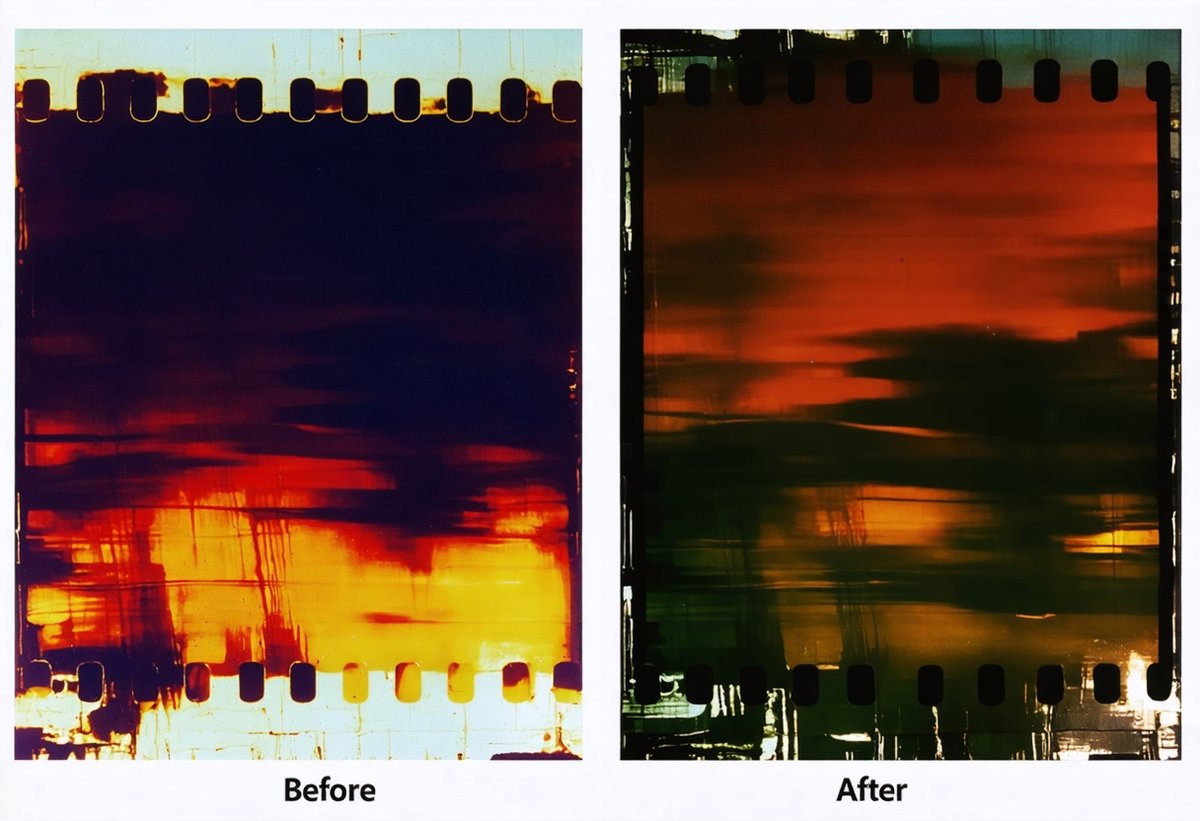
This experimental approach shares philosophical ground with other boundary-pushing photographic practices. Much like chemigrams, film soup celebrates the marriage of chemistry and creativity, transforming the darkroom into an artist’s studio where scientific reactions become aesthetic choices.
Understanding the Science Behind Film Soup
To truly master film soup, it helps to understand what’s happening beneath the surface. Photographic film consists of multiple layers: a protective coating, the light-sensitive emulsion containing silver halide crystals, and a base layer. When you introduce liquids to this delicate structure, you’re essentially disrupting and altering these layers in unpredictable ways.
Acidic liquids like vinegar, lemon juice, or cola work by breaking down the emulsion’s protective layers, creating areas where light can penetrate differently or where chemical reactions alter the color composition. Alkaline substances like certain detergents can have the opposite effect, creating different types of distortions. Organic materials like coffee and tea contain tannins that stain the emulsion, adding warm, sepia-like tones to your images.
Temperature also plays a crucial role. Warmer liquids accelerate chemical reactions, potentially creating more dramatic effects in shorter soaking times. Cold liquids slow down reactions, offering more subtle alterations and greater control over the final result. Understanding these variables allows you to move from random experimentation to intentional artistic expression.
Everyday Liquids, Extraordinary Film Art
Who knew that the contents of your kitchen could double as an artist’s palette? Everyday liquids become powerful agents of transformation when they meet the delicate surface of photographic film. Vinegar can introduce acidic bursts of color, while lemon juice adds a splash of zestful contrast. These household items, typically used for cooking or cleaning, suddenly become tools for painting with light and chemistry, turning the mundane into the magical.
The beauty of film soup lies in endless possibilities. Imagine infusing your frames with the rich browns of brewed coffee or the effervescent hues from a splash of soda. Each liquid, with its unique chemical properties, interacts differently with the film emulsion, meaning the same roll of film can yield wildly different results depending on your choice of soup. It’s an invitation to experiment, be bold and daring, and embrace the beautiful unpredictability of the process. No two rolls will ever be alike, and that’s the real charm of film soup art.
Creating Your Film Soup Ingredient Library
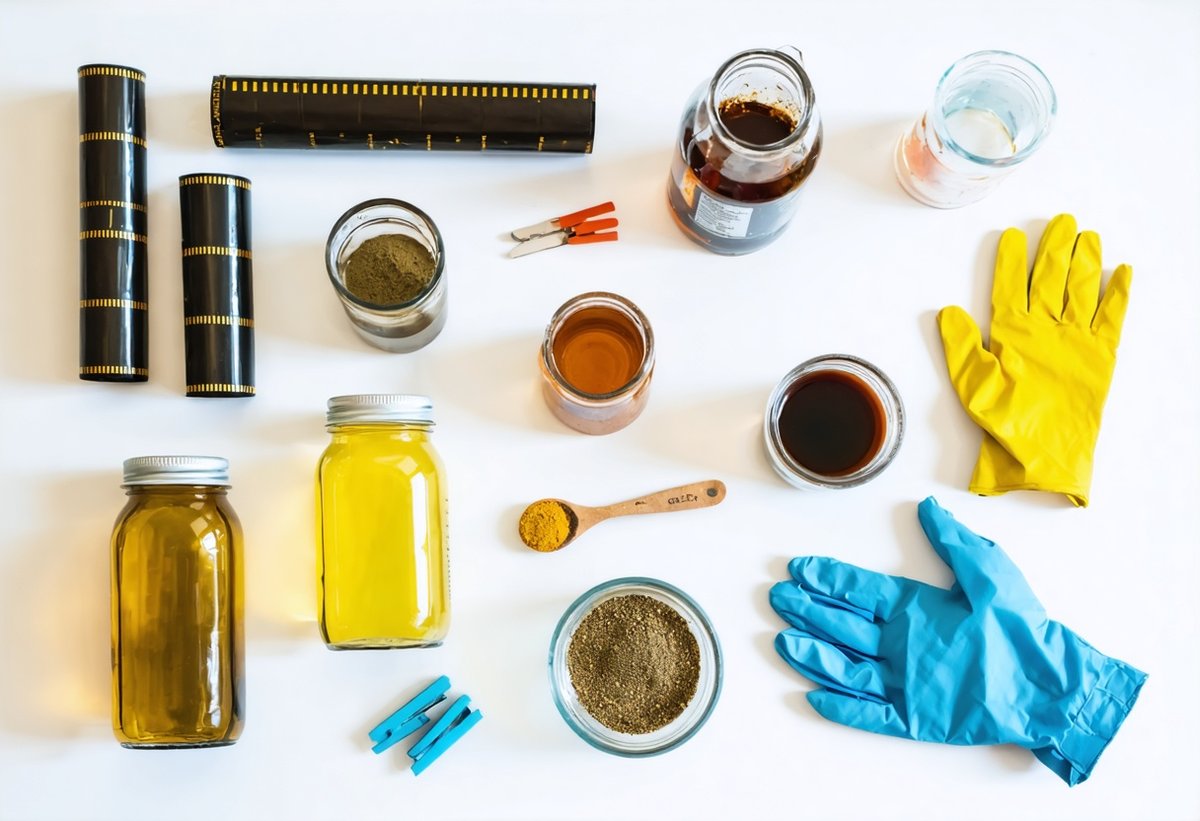
Building a collection of film soup ingredients is part of the fun. Start with these categories to organize your experiments:
Acidic liquids: White vinegar, apple cider vinegar, lemon juice, lime juice, and various sodas. These tend to create lighter, bleached effects and can introduce unexpected color shifts, particularly in color film.
Alkaline substances: Baking soda solutions, certain detergents, and household cleaners (use with caution and proper ventilation). These can create darker, more saturated effects and interesting texture patterns.
Organic staining agents: Coffee, tea (black, green, herbal), red wine, beet juice, and turmeric solutions. These introduce warm tones and can create beautiful vintage aesthetics reminiscent of early photographic processes.
Complex mixtures: Beer, energy drinks, fruit juices, and even seawater. These contain multiple chemical compounds that interact in fascinating, often unpredictable ways with the film emulsion.
From Coffee to Cola: Stirring Up Film Magic
Ready to start your own film soup journey? Begin with a stroll to your kitchen. Coffee, a beloved morning ritual, can awaken your images, infusing your film with warm, sepia tones. Brew a strong cup, let it cool, and immerse your film. The resulting images will boast rich gradients and a nostalgic, vintage feel. Tea offers a gentler tint range, from soft pastels to deeper amber hues, depending on the brew strength.
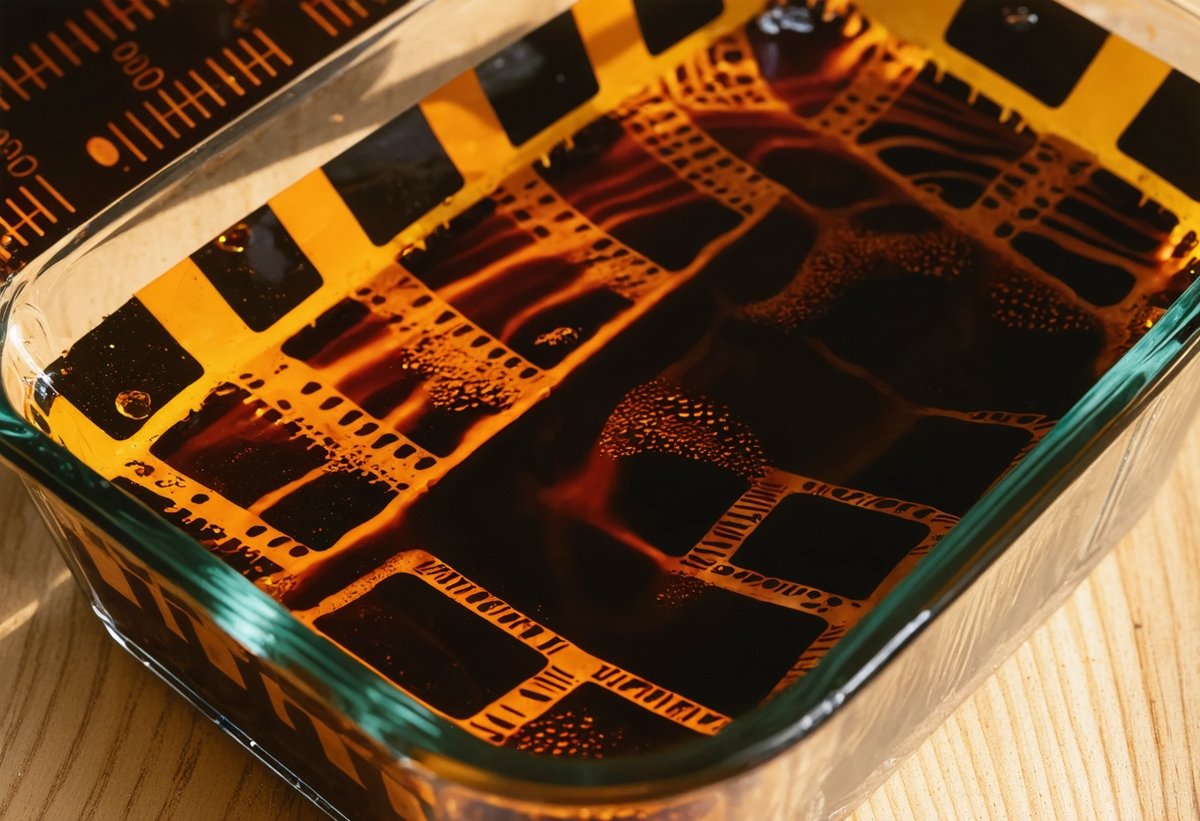
Cola, on the other hand, offers a fizz of excitement. Its high acidity and sugar content make it a wild card in film soup, often leading to dramatic contrasts and unique textures. Pour a can over your film and wait for the magic to bubble up. Remember, patience is key; the longer you soak, the more pronounced the effects. Other everyday liquids like detergent, wine, or even seawater can also be part of your experimental arsenal. The world of film soup is vast and varied, just waiting for your creative touch to stir it up.
Step-by-Step: Your First Film Soup Experiment
If you’re new to film soup, follow this beginner-friendly process to create your first altered masterpiece:
1. Choose your film: Start with an inexpensive color negative film (C-41 process) like Kodak ColorPlus or Fujifilm Superia. These films are forgiving and produce vibrant results. You can experiment with unexposed film, pre-exposed film before development, or even already-developed film for different effects.
2. Select your soup: For your first attempt, try something mild like black tea or instant coffee. Mix a strong solution—about three tea bags or three tablespoons of instant coffee per cup of warm water.
3. Prepare your workspace: You’ll need a plastic container large enough to submerge your film, rubber gloves, and paper towels. Work in a well-ventilated area, especially if using anything other than food-safe liquids.
4. Soak the film: Remove the film from its canister in complete darkness (if unexposed) or in normal light (if already exposed or developed). Unroll it completely and place it in your soup solution. Soak for anywhere from 30 minutes to 24 hours, depending on the intensity you desire.
5. Rinse and dry: After soaking, rinse your film gently under cool running water for several minutes to remove excess liquid. Hang it to dry in a dust-free environment. Be patient—film soup can take longer to dry than normally processed film.
6. Develop or scan: If you soaked unexposed or pre-exposed film, take it to a lab for standard development (or develop it yourself if you have the equipment). If you soaked already-developed film, you can scan it directly to see your results.
Advanced Film Soup Techniques
Once you’ve mastered basic film soup, you can explore more sophisticated techniques that offer greater creative control and more dramatic results.
Layered Soaking for Complex Effects
Instead of using a single liquid, try sequential soaking in different solutions. Start with a mild tea bath for 12 hours, rinse, then follow with a vinegar soak for 2 hours, and finish with a brief cola dip. Each layer adds its own character to the emulsion, creating depth and complexity that single-soup experiments can’t achieve. Document your process carefully so you can replicate successful combinations.
Selective Application Techniques
Rather than submerging entire rolls, try painting or dripping liquids onto specific areas of your film. Use cotton swabs, brushes, or even spray bottles to apply your soup selectively. This technique allows you to preserve some areas of the image while dramatically altering others, creating a mixed-media effect that bridges traditional photography and abstract painting.
Temperature Manipulation
Experiment with extreme temperatures to create unique effects. Freezing film in liquid can create ice crystal patterns that etch into the emulsion. Alternatively, heating your soup (carefully, and never above 140°F/60°C) can accelerate reactions and create more intense color shifts. Some artists even alternate between freezing and heating cycles for truly experimental results.
Physical Manipulation
While your film is soaking, try gently scratching, folding, or crumpling it. These physical alterations combined with chemical treatments create multi-dimensional effects. The J. Paul Getty Museum has documented various experimental photography techniques throughout history, showing how artists have always pushed the boundaries of the medium through unconventional methods.
Troubleshooting Common Film Soup Challenges
Even experienced film soup artists encounter problems. Here’s how to address the most common issues:
Film becomes too damaged or completely blank: This usually means your soup was too aggressive or the soaking time too long. Reduce both variables. Start with shorter soaking times (30 minutes to 2 hours) and milder solutions before moving to stronger chemicals.
Effects are too subtle or barely visible: Your soup may have been too weak, or the film type might be resistant to the particular liquid you used. Try increasing concentration, extending soaking time, or switching to a different film stock. Black and white films often require different approaches than color films.
Film sticks together or develops mold: This happens when film isn’t dried properly after soaking. Always rinse thoroughly and dry in a well-ventilated area. If you notice any organic growth, discard that film immediately—mold can spread to other materials and poses health risks.
Uneven effects across the roll: This often occurs when film isn’t fully submerged or when it’s rolled too tightly, preventing liquid penetration. Ensure complete submersion and consider unrolling the film completely in your soup bath (in darkness if working with unexposed film).
Film Soup and Contemporary Art Photography
Film soup exists within a broader conversation about authenticity, manipulation, and artistic intent in photography. In an era where digital manipulation is ubiquitous, film soup offers a tangible, chemical alternative that produces genuinely unique, unrepeatable results. Each frame carries the physical evidence of its creation process—something that resonates with collectors and galleries seeking authentic, one-of-a-kind works.
The technique aligns with contemporary interests in process-based art and the aesthetics of imperfection. Organizations like the Royal Photographic Society have increasingly recognized experimental photography practices, hosting exhibitions that celebrate unconventional approaches to the medium. Film soup challenges our expectations of what photography should look like, asking viewers to appreciate the beauty in degradation and unpredictability.
This experimental approach also connects to broader discussions about post-documentary photography, where the line between reality and artistic interpretation becomes intentionally blurred. Film soup takes this concept to its physical extreme, literally altering the material substrate of the photographic image.
Documenting and Sharing Your Film Soup Journey
Part of the film soup experience is documenting your experiments and sharing them with the growing community of alternative process enthusiasts. Keep a detailed journal noting:
• Film type and speed
• Soup ingredients and concentrations
• Soaking duration and temperature
• Whether film was exposed before or after soaking
• Development process (if applicable)
• Final results and observations
This documentation serves multiple purposes. First, it allows you to replicate successful experiments and avoid repeating failures. Second, it contributes to the collective knowledge of the film soup community. Many practitioners share their recipes and results online, creating a collaborative environment where everyone benefits from shared discoveries.
When sharing your work on social media or portfolio sites, consider the presentation carefully. Film soup images often benefit from being shown in series rather than as isolated images, allowing viewers to appreciate the range of effects and the intentionality behind your experiments. Pair your images with brief descriptions of your process—audiences are often as fascinated by the technique as they are by the results.
Safety Considerations and Best Practices
While film soup is generally safe when done responsibly, it’s important to follow basic safety protocols:
Ventilation: Always work in well-ventilated areas, especially when using household cleaners or other chemical solutions. Some combinations can produce fumes that, while not immediately dangerous, shouldn’t be inhaled repeatedly.
Skin protection: Wear rubber gloves when handling film that’s been soaking in anything other than food-safe liquids. Some chemicals can irritate skin, and prolonged exposure should be avoided.
Disposal: Dispose of used soup solutions responsibly. Most food-based soups (coffee, tea, juice) can be poured down the drain with plenty of water. Chemical solutions should be disposed of according to local regulations for household chemicals.
Storage: Never store film soup solutions in food containers, and always label any containers clearly. Keep all materials away from children and pets.
Testing: Before committing an entire roll of precious exposed film to an experiment, test your soup on a small strip of unexposed film first. This gives you a sense of the effects without risking important images.
The Philosophy of Embracing Imperfection
At its heart, film soup is about surrendering control and embracing imperfection. In a world obsessed with technical perfection—where digital tools allow us to manipulate every pixel—film soup represents a radical acceptance of chance and chaos. It’s a practice that requires patience, humility, and a willingness to fail.
This philosophy connects to broader artistic movements that value process over product, journey over destination. The Japanese concept of wabi-sabi—finding beauty in imperfection and impermanence—resonates strongly with film soup aesthetics. Each altered frame bears the marks of its creation, the evidence of time passing and chemicals reacting, creating beauty that could never be planned or replicated.
For photographers trained to pursue technical excellence, film soup can be liberating. It removes the pressure of perfection and replaces it with curiosity and play. The worst that can happen is you ruin a roll of film—and even that “failure” often produces interesting results worth studying and learning from.
Building Your Film Soup Practice
Like any artistic practice, film soup rewards consistency and experimentation. Consider dedicating one roll of film per month to pure experimentation—no pressure to create gallery-worthy work, just exploration and learning. Over time, you’ll develop an intuitive sense of how different liquids interact with different films, and you’ll begin to exert more intentional control over your results.
Connect with other film soup enthusiasts through online communities, workshops, and exhibitions. The Photo-Eye Gallery and similar institutions occasionally feature experimental photography that includes film soup techniques, providing inspiration and context for your own work.
Consider combining film soup with other alternative processes you might explore, such as lumen printing or cyanotype printing. Many artists create hybrid works that incorporate multiple experimental techniques, pushing the boundaries of what photographic art can be.
Conclusion: Your Invitation to Create Magic
Film soup is more than just a technique; it’s a celebration of creativity and chance, a testament to the beauty that can arise from the most unexpected places. By harnessing the power of everyday liquids, you can transform your photography into a kaleidoscope of color and texture, each frame telling its own story. It’s an open invitation to play, experiment, and surprise yourself with the results.
The beauty of film soup lies not just in the final images, but in the entire process—the anticipation as your film soaks, the excitement of seeing first results, and the lessons learned from each experiment. It reconnects us with the physical, chemical nature of photography that digital processes have largely abstracted away.
So, next time you’re brewing coffee or sipping on soda, think of the potential magic within those everyday concoctions. Grab a roll of film, your favorite household liquid, and dive into the enchanting, unpredictable world of film soup wizardry. Your journey into creating extraordinary art from the ordinary has just begun. Remember: in film soup, there are no mistakes—only happy accidents waiting to be discovered.
Start small, experiment boldly, and most importantly, have fun. The most memorable images often come from the experiments we almost didn’t try, the soups we thought might be too strange, the combinations that seemed unlikely to work. In the world of film soup, fortune favors the brave—and the results are always, without exception, one of a kind.