Since its invention in the early 19th century, photography has evolved from a technical curiosity into one of the most influential art forms of our time. Throughout nearly two centuries, photographers, theorists, and movements have articulated visions—sometimes through formal manifestos, other times through collective practice—that have fundamentally shaped how we understand, create, and interpret photographic images. This comprehensive guide explores these manifestos chronologically, examining how each movement responded to its historical moment while pushing the boundaries of what photography could represent and achieve.
Whether you’re a practicing photographer seeking historical context for your work, a student of visual culture, or simply curious about how photography became the multifaceted medium it is today, understanding these manifestos offers invaluable insight into the ongoing conversation about photography’s purpose, ethics, and aesthetic possibilities.
1860s: Photography as Fine Art (Pictorialism) Manifesto
Key Figures: Henry Peach Robinson, Julia Margaret Cameron, Oscar Gustave Rejlander
Period: 1860s-1900s
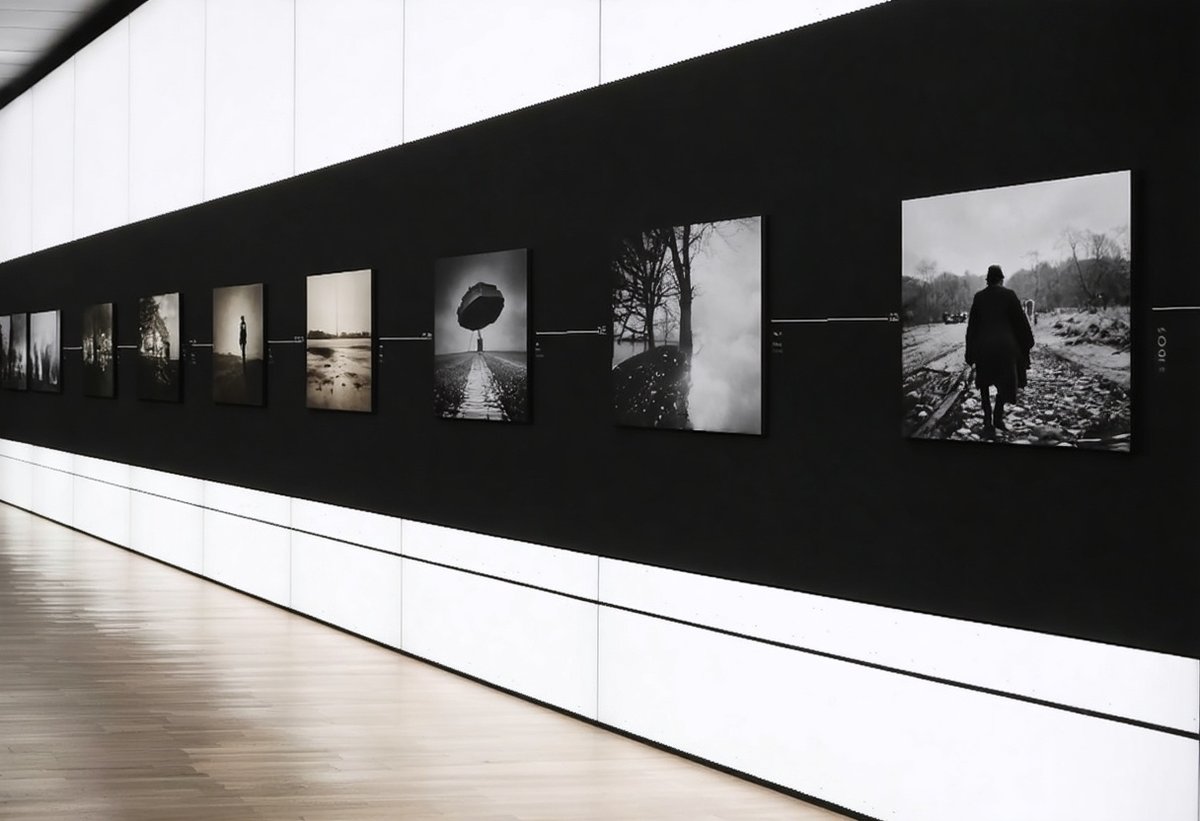
Imagined Manifesto: “Photography, like painting, should aspire to express deep emotions and aesthetic ideas. By imitating the styles and techniques of painters, photographers can elevate their works to the level of fine art. Images should be carefully composed, often staged, to create an artistic and poetic atmosphere.”
The Pictorialist movement emerged during a critical period when photography struggled for recognition as a legitimate art form. Practitioners like Julia Margaret Cameron created soft-focus portraits that emphasized emotion and atmosphere over documentary precision. Henry Peach Robinson pioneered combination printing, assembling multiple negatives to create elaborate tableaux that rivaled history paintings in complexity and ambition.
Key Techniques: Soft focus, elaborate staging, combination printing, hand-applied pigments, and gum bichromate processes that allowed for painterly manipulation.
Legacy: While later movements would reject Pictorialism’s painterly aspirations, its insistence that photography could be art laid essential groundwork for photography’s acceptance in museums and galleries.
1910s: Straight Photography Manifesto
Key Figures: Paul Strand, Alfred Stieglitz, Edward Weston
Period: 1910s-1930s
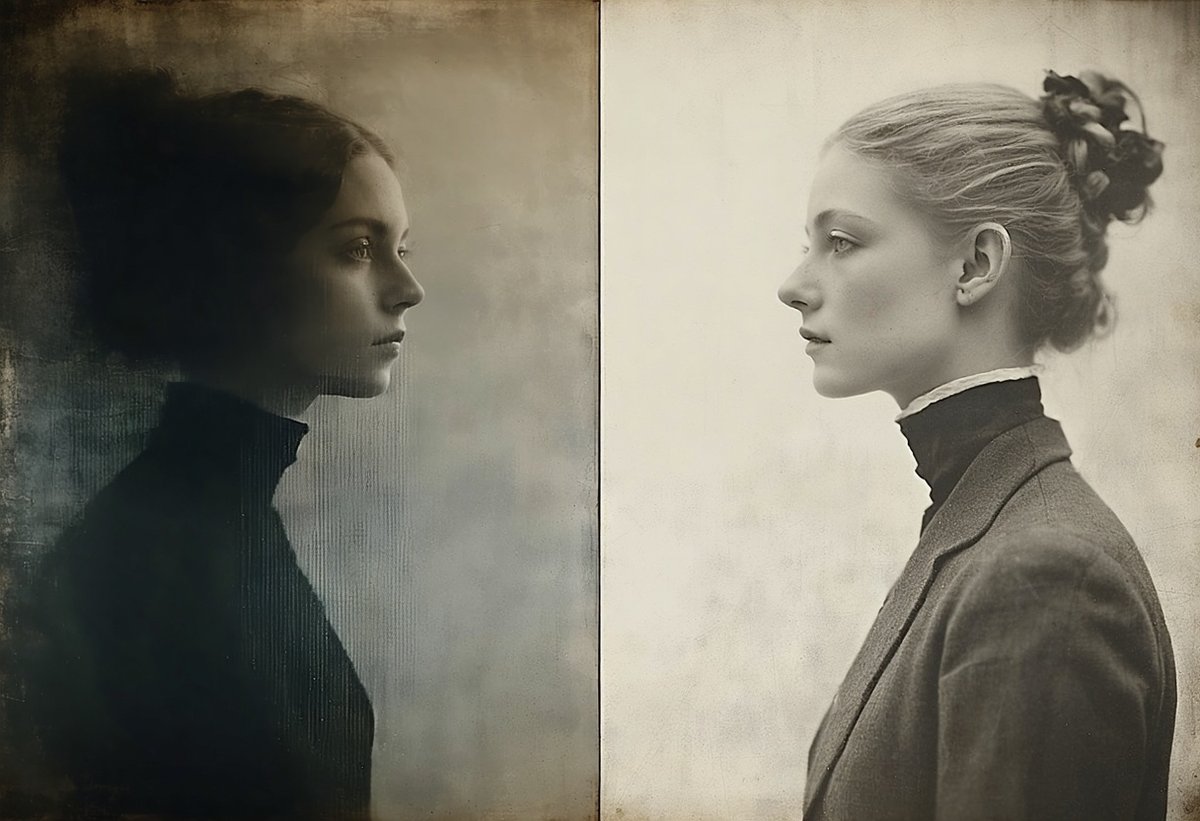
Imagined Manifesto: “Photography should be a direct and pure representation of reality, without manipulation or retouching. Images must be sharp and precise, revealing the intrinsic details of the photographed subject. Truth and authenticity are the core principles of straight photography.”
Straight Photography emerged as a direct reaction against Pictorialism’s soft-focus romanticism. Paul Strand’s 1917 photographs, published in Camera Work, demonstrated photography’s unique capacity to render precise detail and geometric form. This movement championed the camera’s mechanical objectivity as a virtue rather than a limitation.
Practical Application: For contemporary photographers, the Straight Photography ethos remains relevant in documentary photography, where authenticity and minimal intervention continue to carry ethical weight.
Core Principles: Sharp focus throughout the frame, unmanipulated prints, celebration of photographic specificity, and emphasis on form, texture, and tonal range.
1913: Manifesto of Futurist Photography
Author: Anton Giulio Bragaglia
Date: 1913
Link: Manifesto of Photodynamism
Excerpt: “Futurist photography must capture the dynamism and movement of modernity. It should represent the speed, strength, and energy of contemporary life. Using techniques such as chronophotography, photographers can showcase the beauty of machines and urban life.”
The Futurists’ embrace of technology, speed, and mechanical beauty represented a radical break from photography’s past. Bragaglia’s photodynamic experiments used long exposures to capture the trajectory of moving bodies, creating ghostly traces that suggested motion’s essence rather than freezing a single instant.
Historical Context: Published just before World War I, the Futurist manifesto celebrated the machine age with an enthusiasm that now seems both prescient and troubling, given the movement’s later association with Italian Fascism.
Technical Innovation: Chronophotography, multiple exposures, intentional motion blur, and experimental darkroom techniques that emphasized temporal dimension.
1920s: Russian Constructivism Manifesto
Key Figures: Alexander Rodchenko, El Lissitzky, Gustav Klutsis
Period: 1920s-1930s
Imagined Manifesto: “Constructivist photography must serve the revolution and be useful to society. Photographers should use dynamic angles, photomontages, and bold compositions to illustrate the ideals of modernity and social change. Art is a tool for education and societal transformation.”
Russian Constructivism rejected art for art’s sake, insisting instead that visual culture should serve social and political purposes. Rodchenko’s radical diagonal compositions and vertiginous perspectives literally offered new ways of seeing, challenging viewers to reconsider their relationship to the built environment and social structures.
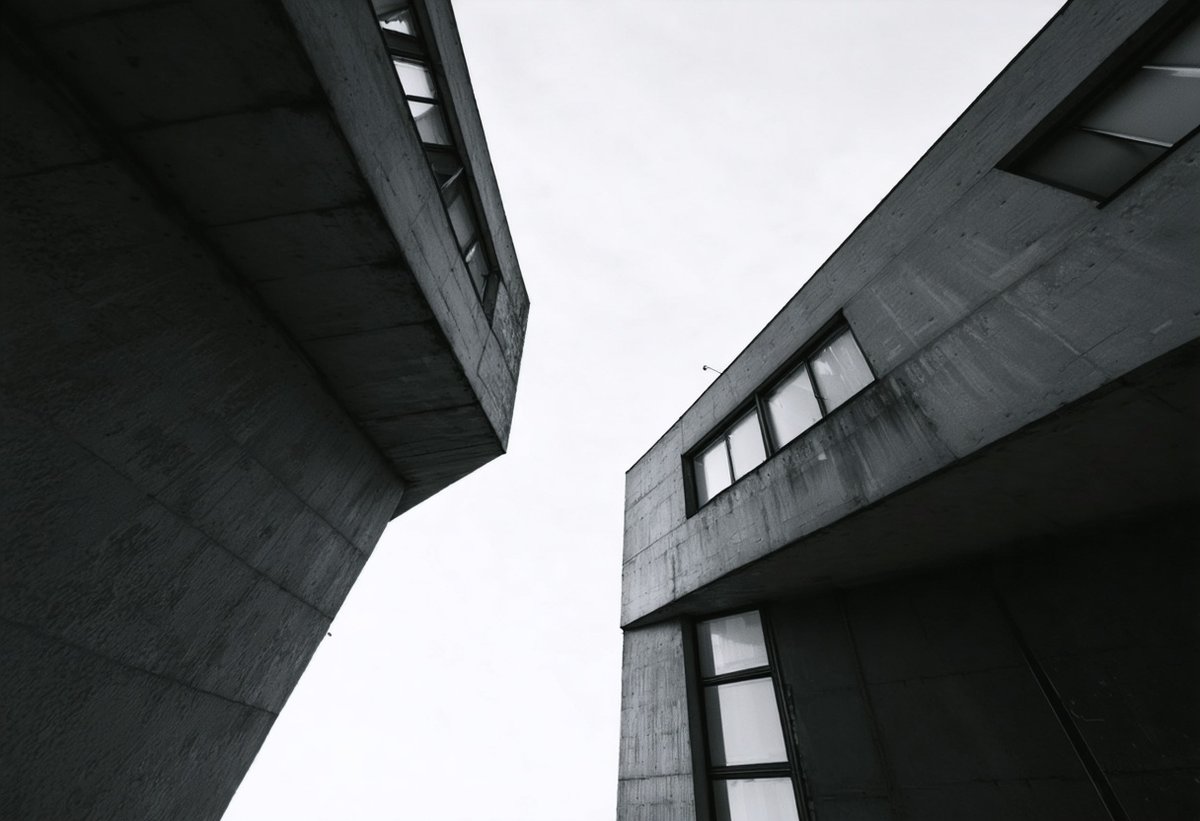
Revolutionary Techniques: Extreme angles (shooting from above or below), photomontage combining multiple images for propaganda purposes, bold diagonal compositions, and integration of text and image.
Contemporary Relevance: The Constructivist emphasis on photography’s social function resonates today in activist photography and visual journalism that seeks to catalyze social change.
1920s: New Vision (Neue Sachlichkeit) Manifesto
Key Figures: Albert Renger-Patzsch, August Sander, Karl Blossfeldt
Period: 1920s-1930s
Imagined Manifesto: “New Vision photography should be a direct and objective exploration of reality. It must capture the forms and structures of the world with exceptional clarity and precision. Each image should reveal hidden or overlooked aspects of everyday life, using new perspectives and unusual angles.”
The New Objectivity movement in Germany pursued an almost scientific approach to photography, cataloging the world with dispassionate precision. August Sander’s monumental portrait project attempted to document every social type in Weimar Germany, while Renger-Patzsch found profound beauty in industrial objects and natural forms through extreme close-ups and careful lighting.
Philosophical Foundation: This movement believed that objective observation could reveal essential truths about subjects, whether people, plants, or manufactured objects.
Aesthetic Principles: Precise focus, even lighting, frontal presentation, systematic seriality, and emphasis on texture and material qualities.
1931: Manifesto of the Association of German Press Photographers
Organization: Association of German Press Photographers
Date: 1931
Related link: Worker Photography Movement
Excerpt: “Press photography must be authentic, truthful, and ethical. Press photographers have the responsibility to document events objectively and provide the public with images that faithfully reflect reality.”
This manifesto emerged during a tumultuous period in German history, as the Weimar Republic faced economic crisis and rising political extremism. The emphasis on truth and objectivity in press photography represented both professional standards and an implicit political stance against propaganda and manipulation.
Historical Significance: Published just two years before the Nazi seizure of power, this manifesto’s commitment to truthful documentation would soon be tested under totalitarian rule.
Ethical Framework: The manifesto established principles that remain foundational to photojournalism: accuracy, context, respect for subjects, and resistance to manipulation.
1932: Manifesto of Group f/64
Members: Ansel Adams, Edward Weston, Imogen Cunningham, Willard Van Dyke, and others
Date: 1932
Related Link: Group f/64 at The Metropolitan Museum of Art
Excerpt: “We believe in pure photography, using small aperture lenses to achieve maximum depth of field and total sharpness. We reject pictorialist manipulations and advocate for a direct, honest, and precise approach to photography.”
Named after the smallest aperture setting on large-format cameras (f/64), this California-based group pushed Straight Photography to its logical extreme. Their crystalline images of natural forms and Western landscapes demonstrated photography’s unique capacity to render minute detail across vast depth of field.
Technical Standards: Large-format cameras, small apertures for maximum depth of field, contact printing to preserve detail, and minimal darkroom manipulation beyond basic dodging and burning.
Aesthetic Impact: Group f/64’s influence on landscape photography remains profound, establishing technical excellence and tonal mastery as benchmarks for the genre.
1930s-1950s: Humanist Photography Manifesto
Key Figures: Henri Cartier-Bresson, Robert Doisneau, Brassaï, Willy Ronis
Period: 1930s-1950s
Link: Henri Cartier-Bresson: The Decisive Moment
Imagined Manifesto: “Humanist photography must capture everyday moments and express humanity through scenes of ordinary life. It should reveal the beauty, dignity, and humor in daily experiences, fostering empathy and understanding among people.”
Humanist photography flourished in post-war Europe, particularly in France, as photographers sought to reaffirm human dignity and connection after the devastation of World War II. These photographers celebrated ordinary people in everyday situations, finding poetry in café scenes, street encounters, and moments of play or contemplation.
The Decisive Moment: Cartier-Bresson’s concept of capturing the precise instant when visual elements align to create meaning became one of photography’s most influential ideas, shaping street photography practice for generations.
Philosophical Approach: Humanist photographers believed in photography’s capacity to transcend language and cultural barriers, communicating universal human experiences through carefully observed moments.
1930s-1940s: Social Documentary Photography Manifesto
Key Figures: Dorothea Lange, Walker Evans, Arthur Rothstein, Gordon Parks
Period: 1930s-1940s
Imagined Manifesto: “Social documentary photography must document the living conditions of marginalized people and raise public awareness of social issues. Photographers should use their images to evoke empathy and call for social reforms, showing the harsh realities of injustice and poverty.”
The Farm Security Administration photography project, which employed many of these photographers during the Great Depression, demonstrated photography’s power to influence public opinion and policy. These images of rural poverty, migrant workers, and economic displacement helped build support for New Deal programs while creating an enduring archive of American social history.
Ethical Considerations: Social documentary photographers grappled with questions that remain relevant today: How can photographers represent vulnerable subjects with dignity? What responsibilities do photographers have to the people they photograph? How can images catalyze change without exploiting suffering?
Contemporary Connection: The tradition of socially engaged documentary photography continues today in projects addressing inequality, climate change, migration, and social justice.
1920s-1940s: Surrealist Photography Manifesto
Key Figures: Man Ray, Dora Maar, Maurice Tabard, Raoul Ubac
Period: 1920s-1940s
Imagined Manifesto: “Surrealist photography must explore the unconscious, dreams, and illusions. By using techniques such as manipulation, multiple exposures, and montages, photographers can create dreamlike and provocative images that challenge logic and stimulate the imagination.”
Surrealist photographers embraced the medium’s capacity for technical experimentation, developing techniques like solarization, rayographs (camera-less images), and photomontage to create images that defied rational explanation. They saw photography’s mechanical nature not as a limitation but as a tool for accessing the unconscious and revealing hidden realities.
Innovative Techniques: Solarization, rayographs, photograms, double exposure, sandwich printing, and creative darkroom manipulation that transformed photography into a medium of pure imagination.
Philosophical Foundation: Following André Breton’s Surrealist manifesto, these photographers believed that liberating the unconscious could reveal deeper truths than rational observation alone.
1960s-1970s: Conceptual Photography Manifesto
Key Figures: John Baldessari, Cindy Sherman, Ed Ruscha, Douglas Huebler
Period: 1960s-1970s
Imagined Manifesto: “Conceptual photography should be a means of critical reflection and social commentary. Photographers use images to explore questions of identity, representation, and the nature of art. Each photograph should express an idea or concept rather than merely reproducing reality.”
Conceptual photographers challenged photography’s documentary assumptions, using the medium to investigate language, representation, and artistic conventions. Ed Ruscha’s deadpan typological series of gas stations and parking lots presented photography as a system of classification rather than aesthetic expression. Cindy Sherman’s self-portraits explored how identity is constructed through cultural stereotypes and media representations.
Theoretical Framework: Conceptual photography emerged alongside postmodern theory, questioning photography’s claim to objective truth and examining how images construct rather than simply record reality.
Key Strategies: Seriality, appropriation, staged photography, text-image combinations, and systematic approaches that emphasized idea over craft.
2009: In Defense of the Poor Image
Author: Hito Steyerl
Date: 2009 (essay)
Link: In Defense of the Poor Image
Excerpt: “Poor images, despite their low resolution and heavy compression, democratize visual culture by making art accessible to a broader audience. They capture moments and emotions in their rawest form, emphasizing authenticity over technical perfection. Poor images resist commodification and challenge consumerist expectations, adding layers of meaning and cultural significance.”
Steyerl’s influential essay recognized that most images today circulate not as pristine museum prints but as degraded digital files—compressed, rescaled, screenshotted, and shared across platforms. Rather than lamenting this degradation, she argued that “poor images” enable broader participation in visual culture, moving images outside institutional and commercial control.
Digital Context: The essay addressed fundamental shifts in how images circulate in networked culture, where velocity and accessibility often matter more than resolution or authorial control.
Political Dimension: Steyerl connected image quality to class politics, noting how high-resolution images remain sequestered in museums and commercial contexts while poor images enable grassroots distribution and appropriation.
2010s-Present: Mobile Photography Manifesto
Context: Emergence of smartphone cameras and Instagram culture
Period: 2010s-present
Imagined Manifesto: “Mobile photography celebrates spontaneity, accessibility, and the ability to capture and share moments instantly. With smartphones, everyone can be a photographer, and each image can be edited and filtered to create unique works of art directly from our phones.”
The smartphone revolution has democratized photography more thoroughly than any previous technological shift. With billions of people carrying capable cameras at all times, photography has become a ubiquitous form of communication, self-expression, and social connection. Mobile photography has developed its own aesthetic conventions, from the square Instagram format to characteristic filter looks and selfie angles.
Platform Influence: Social media platforms have profoundly shaped mobile photography aesthetics, with Instagram’s filters and TikTok’s video features influencing how people shoot and edit.
Cultural Impact: Mobile photography has transformed how we document daily life, maintain relationships, and construct public identities. For insights on developing a cohesive visual presence, explore our guide on creating your personal aesthetic on Instagram.
2010s-Present: Post-Photography Manifesto
Key Theorists: Joan Fontcuberta, Fred Ritchin, Daniel Rubinstein
Period: 2010s-present
Imagined Manifesto: “Post-photography transcends traditional boundaries, leveraging digital technologies to create, manipulate, and disseminate images. It embraces the ‘iconosphere’—a universe saturated with images—where authenticity and originality are redefined. The focus shifts from capturing moments to curating and interpreting the vast visual landscape, emphasizing fluidity, interaction, and the democratization of image-making. In this new visual ecology, images become dynamic participants in cultural dialogue, reflecting the complexities and interconnectedness of contemporary life.”
Post-photography acknowledges that we now live in an image-saturated environment where the act of creating new photographs may be less significant than selecting, curating, and recontextualizing existing images. Joan Fontcuberta argues that photography’s indexical relationship to reality—its status as evidence—has been fundamentally undermined by digital manipulation capabilities.
Theoretical Implications: Post-photography challenges fundamental assumptions about photography’s nature, questioning whether traditional definitions remain useful when images can be synthesized, algorithmically generated, or infinitely modified. Learn more about this evolution in our article on post-documentary photography.
Contemporary Practice: Post-photographic practices include appropriation, algorithmic image generation, database aesthetics, and hybrid approaches that blur boundaries between photography, painting, and digital art.
2020s: AI Photography and Generative Image-Making
Key Technologies: DALL-E, Midjourney, Stable Diffusion, and other text-to-image AI systems
Period: 2020s-present
Imagined Manifesto: “AI photography represents a fundamental shift from capturing to conjuring images. By describing desired images through text prompts, creators can generate photographs of scenes that never existed, challenging photography’s foundational relationship to reality. This technology democratizes sophisticated image creation while raising profound questions about authorship, truth, and the nature of photographic representation in an age when any imaginable image can be synthesized.”
The emergence of sophisticated AI image generation tools in the early 2020s has sparked intense debate about photography’s future. These systems can create photorealistic images from text descriptions, raising fundamental questions about what constitutes photography when no camera or physical scene is involved.
Technical Revolution: AI image generation represents perhaps the most significant shift in image-making since photography’s invention, enabling creation of photorealistic images without cameras, subjects, or traditional photographic processes. For comprehensive analysis of this transformation, see our article on the aesthetics of AI-generated images.
Ethical Considerations: AI photography raises urgent questions about authenticity, consent, misinformation, copyright, and the economic impact on professional photographers. The technology’s capacity to generate convincing images of events that never occurred poses particular challenges for documentary photography and photojournalism.
Creative Possibilities: Despite controversies, AI tools offer unprecedented creative possibilities, enabling photographers to realize visions impossible through traditional means, blend photographic and illustrative approaches, and explore new aesthetic territories.
Connecting Past and Present: What These Manifestos Teach Contemporary Photographers
Examining these manifestos reveals recurring tensions that remain relevant today. Photography has continuously oscillated between competing values: objectivity versus expression, documentation versus interpretation, technical purity versus creative manipulation, and elite art versus democratic practice.
Practical Lessons for Today’s Photographers
1. Define Your Purpose: Each manifesto articulated a clear vision of photography’s purpose. Contemporary photographers benefit from similarly clarifying their intentions. Are you documenting reality, expressing personal vision, advancing social causes, or exploring formal possibilities?
2. Understand Your Medium: Historical movements engaged deeply with photography’s specific capabilities and limitations. Today’s photographers should similarly understand their tools—whether traditional cameras, smartphones, or AI systems—to use them intentionally rather than defaulting to presets.
3. Engage with Context: The most influential photographic movements responded to their historical moments. Contemporary photographers should consider how current social, technological, and cultural contexts shape their work and reception.
4. Balance Tradition and Innovation: Each movement both built upon and reacted against predecessors. Understanding photographic history enables more informed innovation, helping you recognize which conventions to embrace and which to challenge.
The Ongoing Evolution of Photographic Thought
These manifestos demonstrate that photography has never been a static medium with fixed meanings. Each generation has redefined what photography is and can be, responding to new technologies, social conditions, and cultural needs. The current moment, characterized by ubiquitous cameras, social media distribution, and AI generation, continues this evolution.
Rather than viewing recent developments as photography’s end, we might see them as the latest chapter in an ongoing conversation about images, reality, and representation. Just as Pictorialists, Straight Photographers, and Conceptualists each articulated distinct visions while remaining recognizably engaged with photography, contemporary practitioners are developing new approaches appropriate to our image-saturated, algorithmically mediated era.
Resources for Further Exploration
For photographers interested in deepening their understanding of photographic history and theory, several institutions offer exceptional resources:
The International Center of Photography in New York maintains extensive archives and offers educational programs exploring photography’s evolution from its origins to contemporary practice.
The Victoria and Albert Museum’s Photography Collection in London houses over 800,000 photographs spanning the medium’s entire history, with particular strengths in 19th-century work and contemporary art photography.
The Getty Museum’s Photography Collection offers comprehensive coverage of photography’s evolution, with exceptional holdings in early European and American photography alongside contemporary work.
Conclusion: Writing Your Own Photographic Manifesto
While few contemporary photographers write formal manifestos, the exercise of articulating your photographic philosophy remains valuable. Consider these questions as you develop your own approach:
What do you believe photography should do? What subjects or themes compel you? What technical approaches best serve your vision? How do you want viewers to experience your work? What ethical principles guide your practice?
The manifestos explored here demonstrate that photography’s power lies not in any single correct approach but in the medium’s capacity to accommodate diverse visions and purposes. From Pictorialism’s painterly aspirations to AI photography’s algorithmic generation, each movement has expanded our understanding of what photographic images can be and do.
As you develop your practice, let these historical movements inspire rather than constrain you. Photography’s future will be written by practitioners who understand its past while remaining open to its evolving possibilities. Whether you work with vintage processes, digital cameras, smartphones, or AI tools, you participate in photography’s ongoing conversation—a dialogue that has enriched visual culture for nearly two centuries and promises to continue evolving in ways we cannot yet imagine.
The most important manifesto is the one implicit in your work: the vision you articulate through your choices of subject, technique, and presentation. By understanding how previous generations defined photography’s purpose and possibilities, you’re better equipped to make intentional decisions about your own practice, contributing your voice to this rich, contentious, and endlessly fascinating medium.