Recently, we received an intriguing manifesto from an anonymous source. After thorough review and consideration, we have decided to share it with our readers. This manifesto presents a bold and visionary perspective on AI-Photography, proposing a dynamic fusion of human creativity and artificial intelligence to push the boundaries of visual art. While we cannot verify the identity of the authors, the consistency and thought-provoking nature of this text have compelled us to publish it. We encourage our readers to engage with and reflect on these innovative ideas, as they offer a unique glimpse into the future of photography and art.
As AI continues to reshape visual creation, this manifesto arrives at a pivotal moment in photographic history. The debate over AI’s role in image-making has intensified, with questions about authenticity, creativity, and the very definition of photography at stake. This document offers a radical reimagining of what photography can become when human vision merges with computational power.
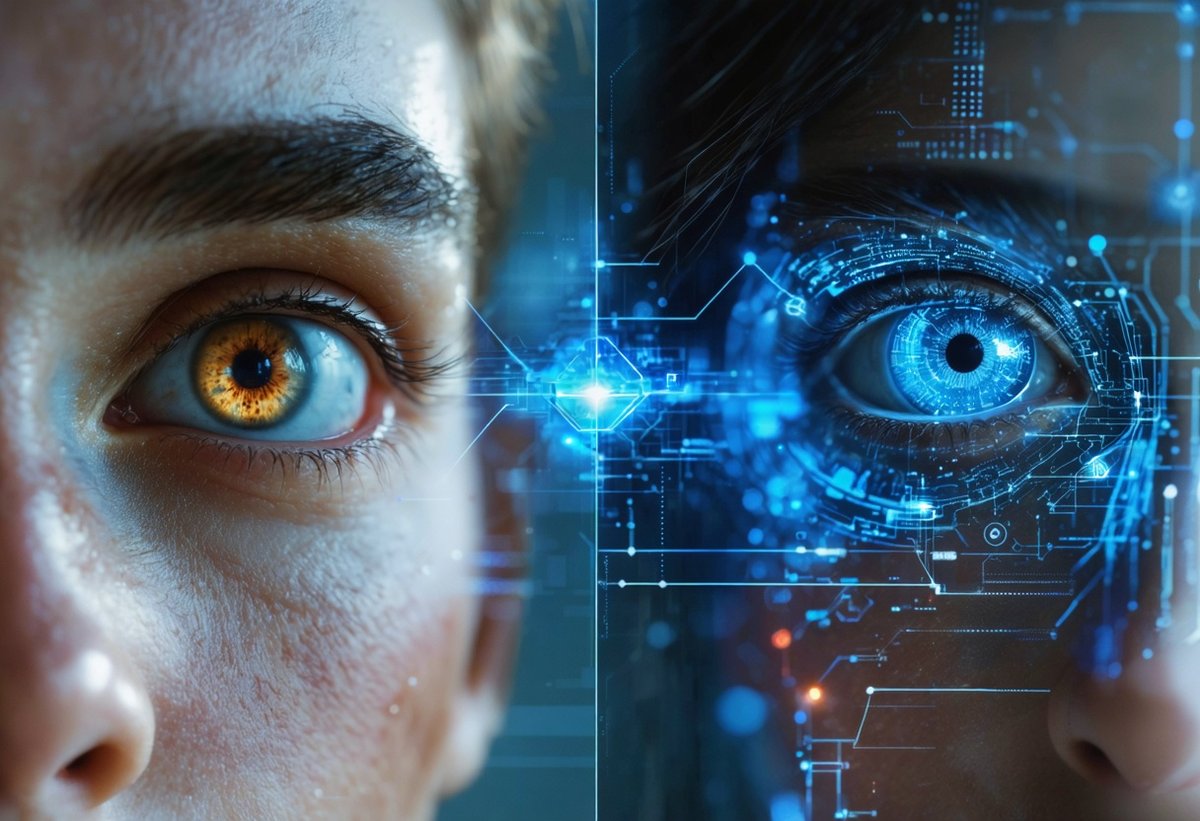
NY, March 2024: AI-Photography Manifesto
In this epoch of unprecedented technological advancement, we, a collective of acclaimed yet anonymous artists, stand at the vanguard of a new artistic revolution. We proclaim the advent of AI-Photography—a movement that harnesses the transformative power of artificial intelligence to redefine the boundaries of visual art.
The Core Principles of AI-Photography
Exaltation of the Machine as Creator
We glorify the machine not as a mere instrument but as an indispensable partner in creation. In AI-Photography, the machine is endowed with the ability to enhance and expand human creativity, producing works that transcend the limitations of traditional artistic methods. The synergy between human and artificial intelligence is the cornerstone of this new artistic paradigm.
This partnership represents a fundamental shift from photography’s historical relationship with technology. Where traditional photographers mastered cameras and darkroom techniques, AI-photographers must now understand algorithms, training data, and neural networks. The machine becomes not just a tool but a creative collaborator with its own emergent aesthetic tendencies, learned from millions of images and capable of generating visual solutions no human mind could conceive independently.
Symbiotic Fusion of Intuition and Algorithm
AI-Photography embodies the perfect fusion of human intuition and machine learning. The artist provides the vision, context, and emotional depth, while the AI offers unparalleled computational power, pattern recognition, and novel perspectives. This collaboration generates artworks that neither the human mind nor the machine could achieve independently, pushing the frontiers of creativity.
Consider how AI-generated images balance creativity, realism, and automation. The human artist curates, directs, and refines, while the AI processes, generates, and surprises. This iterative dialogue between creator and algorithm produces images that feel simultaneously familiar and alien, grounded in photographic tradition yet pointing toward unexplored visual territories.
Revolutionizing Visual Aesthetics
AI-Photography revolutionizes our understanding of beauty, form, and composition. By leveraging AI’s capability to analyze and reinterpret vast datasets, we explore new dimensions of color, shape, and structure, breaking free from conventional aesthetic norms. Our works challenge traditional perceptions and redefine the visual language of art.
The algorithms can identify patterns invisible to human perception, drawing connections between disparate visual elements across cultures and eras. They can synthesize the compositional strategies of masters while introducing novel arrangements that challenge our expectations. This computational approach to aesthetics doesn’t replace human judgment but expands the palette of possibilities available to the artist.
Unearthing the Extraordinary in the Ordinary
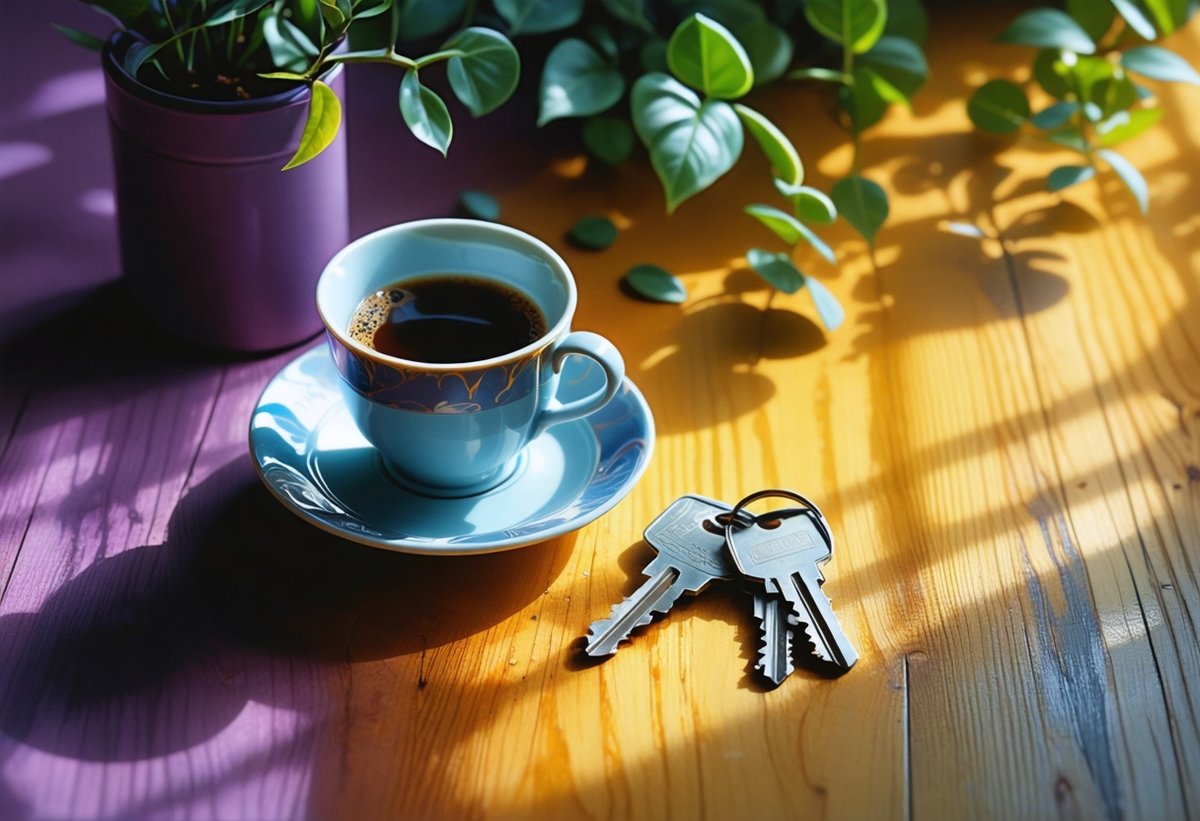
One of the core tenets of AI-Photography is the revelation of hidden magnificence in the mundane. Through sophisticated algorithmic processes, everyday scenes and objects are transformed into extraordinary visual spectacles. We elevate the ordinary, imbuing it with new meaning and significance.
This principle echoes photography’s historical mission—from Walker Evans documenting Depression-era America to contemporary street photographers capturing urban life—but amplifies it through computational vision. AI can recognize beauty in data patterns, textures, and relationships that human eyes might overlook, then enhance and reimagine these elements into striking visual statements.
Transcending Realism
In AI-Photography, realism is but one possibility among many. We embrace abstraction, surrealism, and hyperreality, creating images that challenge and expand our perception of reality. By blending the real and the imaginary, we forge new artistic expressions that defy conventional boundaries.
This transcendence addresses fundamental questions explored in post-documentary photography, where the line between reality, fiction, and truth becomes deliberately blurred. AI-Photography takes this further, creating images that exist in a liminal space between documentation and imagination, challenging viewers to reconsider their assumptions about photographic truth.
Democratic and Ethical Dimensions
Democratization of Artistic Creation
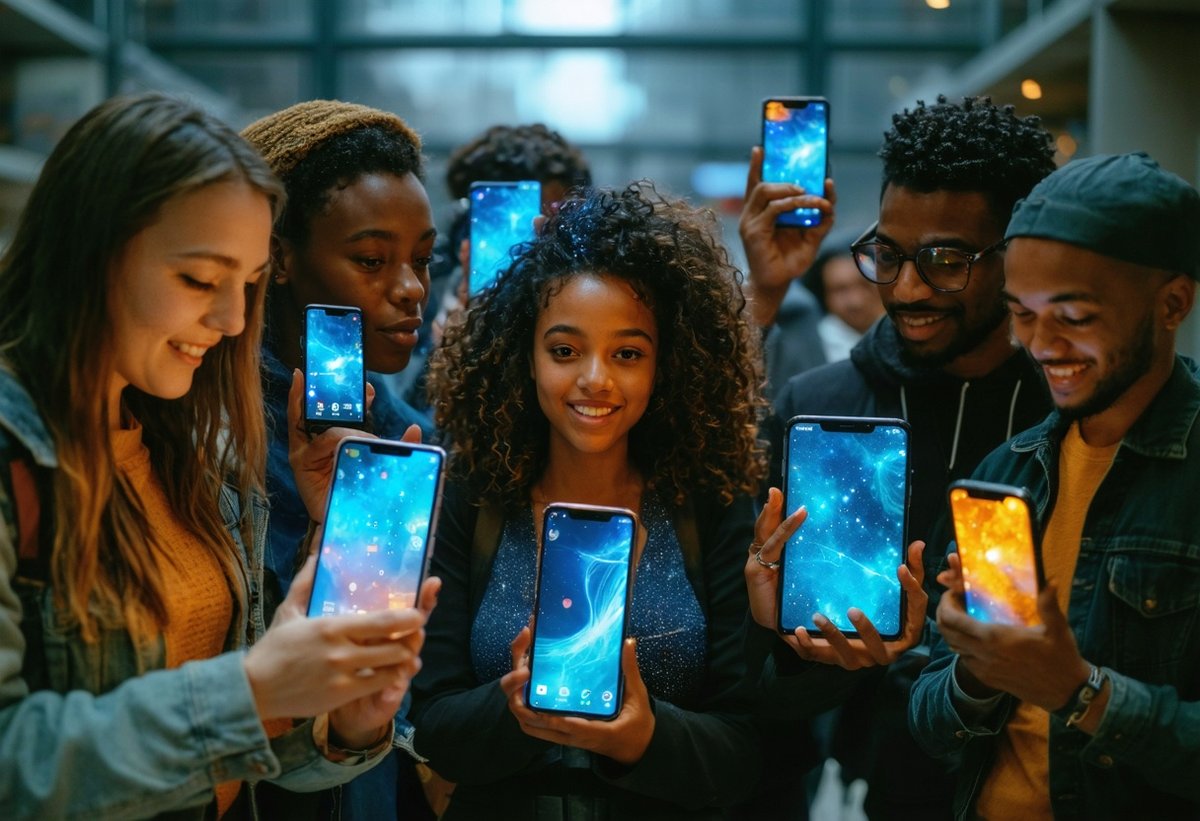
AI-Photography democratizes the process of creation, making sophisticated artistic tools accessible to a broader audience. The barriers of technical skill and traditional training are diminished, allowing pure creativity to flourish. With AI as an ally, anyone can become an artist, contributing to a more inclusive and diverse artistic landscape.
This democratization doesn’t diminish the value of expertise; rather, it shifts the focus from technical mastery to conceptual vision. Just as automatic cameras liberated photographers from complex exposure calculations, AI tools free creators to focus on ideas, emotions, and narratives. The result is a more diverse visual culture where voices previously excluded by technical barriers can now participate fully.
However, this accessibility comes with responsibilities. New creators must understand not just how to use AI tools but also the visual language they’re working within, the ethical implications of their choices, and the cultural contexts they’re engaging with or potentially appropriating.
Ethical Considerations and Authenticity
As pioneers of AI-Photography, we are committed to maintaining ethical integrity. Transparency in the use of AI tools, respect for intellectual property, and the authenticity of the artist’s vision are paramount. We advocate for responsible and conscientious use of AI, ensuring that our works remain true to their artistic and ethical principles.
Ethical AI-Photography requires disclosure about the role of artificial intelligence in image creation. Viewers deserve to know when they’re viewing AI-generated or AI-assisted work. This transparency doesn’t diminish the art; it contextualizes it, allowing for informed appreciation and critical engagement.
Additionally, we must confront questions of training data and bias. AI models learn from existing images, potentially perpetuating historical biases and stereotypes. Responsible AI-photographers must actively work to identify and counteract these biases, ensuring their work contributes to a more equitable visual culture rather than reinforcing problematic patterns.
The question of authorship and copyright in AI-generated work remains complex and evolving. As discussed by institutions like the U.S. Copyright Office, these legal frameworks are still being developed. AI-photographers must navigate these uncertainties with integrity, respecting both the contributions of AI systems and the original sources that informed their training.
The Practice of AI-Photography
Perpetual Innovation and Evolution
AI-Photography is a dynamic, ever-evolving movement. We embrace continuous learning, experimentation, and adaptation, ensuring that our art remains at the cutting edge of technological and cultural advancements. We are committed to perpetual innovation, pushing the boundaries of what is possible in visual art.
This commitment requires AI-photographers to remain students throughout their careers. New models, techniques, and capabilities emerge constantly. What seemed impossible six months ago becomes routine; what appears cutting-edge today will be standard tomorrow. This rapid evolution demands flexibility, curiosity, and willingness to abandon comfortable techniques in pursuit of new possibilities.
Interdisciplinary Collaboration
We champion collaboration across disciplines, recognizing that AI-Photography thrives on the fusion of diverse perspectives. Artists, technologists, scientists, and visionaries unite in a collective quest for new artistic frontiers. This interdisciplinary approach enriches our works, infusing them with a breadth of knowledge and creativity.
Effective AI-Photography often emerges from conversations between seemingly unrelated fields. A neuroscientist’s understanding of visual perception might inform how an artist prompts an AI model. A philosopher’s questions about consciousness could shape the conceptual framework of an AI-generated series. A programmer’s technical insight might unlock new creative possibilities the artist hadn’t imagined.
Organizations like the International Center of Photography are beginning to explore these intersections, hosting exhibitions and conversations that bring together diverse voices to examine AI’s impact on visual culture.
Celebration of Unpredictability
One of the most exhilarating aspects of AI-Photography is its unpredictability. We celebrate the unexpected outcomes and happy accidents that arise from the interplay between human creativity and machine algorithms. These serendipitous results are the sparks of innovation, driving the movement forward and ensuring that our art remains vibrant and dynamic.
Traditional photography has always embraced the unexpected—the decisive moment, the fortunate light, the unplanned gesture. AI-Photography amplifies this element of surprise. The algorithm might interpret a prompt in unexpected ways, generate surprising juxtapositions, or produce glitches that become aesthetic features. Skilled AI-photographers learn to recognize and cultivate these accidents, incorporating them into their artistic practice.
Cultural and Social Impact
AI-Photography as a Cultural Catalyst
We envision AI-Photography as a cultural catalyst, provoking thought, inspiring dialogue, and challenging societal norms. Our works are not mere aesthetic objects but powerful statements that reflect and shape contemporary culture. We seek to engage audiences in meaningful ways, encouraging them to question, reflect, and imagine.
AI-Photography arrives at a moment of profound cultural transformation. As artificial intelligence reshapes labor, communication, and creativity, AI-generated images serve as both symptoms and commentaries on these changes. They force conversations about authenticity, authorship, and value in an age of algorithmic production.
Like documentary photography’s continued importance in our media-saturated age, AI-Photography can serve crucial cultural functions—not by documenting reality in traditional ways, but by visualizing possibilities, anxieties, and dreams that text alone cannot capture.
Pushing the Limits of Imagination
AI-Photography pushes the limits of human imagination, exploring uncharted territories of visual expression. By combining the boundless creativity of the human mind with the vast computational capabilities of AI, we unlock new realms of artistic potential. Our works are a testament to the limitless possibilities of this symbiotic relationship.
This expansion of imagination operates on multiple levels. AI can visualize concepts that would be physically impossible to photograph—abstract ideas, emotional states, or speculative futures. It can blend historical periods, merge disparate locations, or create entirely synthetic worlds that feel photographically real. These capabilities don’t replace traditional photography but expand the vocabulary available to visual artists.
Environmental and Social Responsibility
As stewards of this new art form, we recognize our responsibility towards the environment and society. We advocate for sustainable practices in the creation and dissemination of our works, ensuring that our artistic endeavors contribute positively to the world. Our commitment to social responsibility is reflected in the themes we explore and the messages we convey.
This responsibility includes acknowledging the environmental costs of AI systems. Training large models requires significant computational resources and energy consumption. Responsible AI-photographers must consider these impacts, supporting development of more efficient systems and using AI tools thoughtfully rather than wastefully.
Social responsibility also means considering the impact of AI-generated images on visual culture and truth. In an era of misinformation, AI-photographers must be especially careful about how their work might be misused or misinterpreted, ensuring they contribute to visual literacy rather than confusion.
Global Reach and Cultural Exchange
AI-Photography transcends geographical and cultural boundaries, fostering a global dialogue. We embrace cultural exchange, drawing inspiration from diverse traditions and perspectives. Our works celebrate the richness of human diversity, promoting a deeper understanding and appreciation of different cultures.
However, this global reach demands cultural sensitivity. AI models trained predominantly on Western images may struggle to authentically represent other cultures or may perpetuate stereotypes. AI-photographers must actively work to expand their visual vocabularies, collaborate with artists from diverse backgrounds, and remain humble about the limitations of their perspectives.
The Metropolitan Museum of Art’s photography collection demonstrates how photographic traditions vary across cultures and eras. AI-Photography should honor this diversity rather than homogenizing visual expression into algorithmic uniformity.
Practical Considerations for AI-Photographers
Developing Your AI-Photography Practice
For photographers interested in exploring AI-Photography, the journey begins with understanding both traditional photographic principles and emerging AI capabilities. Strong AI-Photography still requires knowledge of composition, lighting, color theory, and visual storytelling—the foundational elements that make images compelling.
Start by experimenting with different AI tools and platforms. Each has distinct characteristics, strengths, and aesthetic tendencies. Some excel at photorealistic generation, others at stylistic interpretation or abstract visualization. Understanding these tools deeply allows you to choose the right one for your creative vision.
Develop a critical eye for AI-generated imagery. Learn to recognize common artifacts, limitations, and biases. This awareness helps you work more effectively with AI tools, knowing when to accept their suggestions and when to override or refine them.
Building a Cohesive Body of Work
One challenge in AI-Photography is maintaining consistency and developing a recognizable style when working with tools that generate infinite variations. Successful AI-photographers develop clear conceptual frameworks that guide their use of AI, ensuring their work feels cohesive rather than scattered.
Document your process, including prompts, settings, and iterations. This documentation serves multiple purposes: it helps you refine your technique, provides transparency for viewers, and creates a record of your artistic development. Consider sharing aspects of your process to contribute to the growing knowledge base around AI-Photography.
Engaging with the Photography Community
AI-Photography exists within the broader context of photographic history and practice. Engage with this context rather than isolating yourself in purely AI-focused spaces. Study photographic masters, understand movements and genres, and consider how your AI-assisted work relates to or departs from these traditions.
Expect skepticism and criticism from some quarters of the photography community. Rather than dismissing these concerns, engage with them thoughtfully. The questions raised about AI-Photography—regarding authenticity, skill, and value—are legitimate and deserve serious consideration. Your responses, both verbal and through your work itself, help shape the evolving understanding of what AI-Photography can be.
Vision for the Future
We envision a future where AI-Photography continues to evolve, inspiring new generations of artists and thinkers. This manifesto is a living document, open to reinterpretation and adaptation as the movement grows. We invite all those who share our vision to join us in this audacious journey, forging a new path where human imagination and artificial intelligence converge to create a richer, more vibrant tapestry of art.
The future of AI-Photography will likely see deeper integration between traditional photographic practice and AI capabilities. We may see hybrid workflows where photographers capture raw material that AI then transforms according to the artist’s vision, or AI systems that operate in real-time, augmenting the photographer’s perception as they work.
Educational institutions will need to adapt, teaching both traditional photographic skills and AI literacy. New critical frameworks will emerge for evaluating AI-Photography, moving beyond simplistic debates about whether it “counts” as photography toward more nuanced discussions of artistic merit, cultural impact, and technical achievement.
The legal and ethical frameworks surrounding AI-Photography will mature, providing clearer guidelines for creators while protecting the rights of those whose work contributes to AI training data. This evolution will require ongoing dialogue between artists, technologists, legal experts, and policymakers.
Conclusion: An Invitation to Create
This manifesto is not a final statement but an opening salvo in an ongoing conversation about the future of visual art. AI-Photography challenges us to reconsider fundamental assumptions about creativity, authorship, and the nature of the photographic image itself.
Whether you embrace AI-Photography enthusiastically, approach it with caution, or remain skeptical of its claims, engagement with these questions is essential. The technology exists and will continue to develop regardless of our individual positions. Our responsibility is to shape how it’s used, ensuring it serves human creativity and cultural enrichment rather than diminishing them.
We invite photographers, artists, technologists, critics, and viewers to join this conversation. Experiment with AI tools, but do so thoughtfully. Create boldly, but consider the implications of your work. Challenge boundaries, but respect the traditions and communities you’re building upon.
The future of photography—whether we call it AI-Photography or something else entirely—will be written by those who engage with these tools critically and creatively. This manifesto is an invitation to participate in that future, to help determine what role artificial intelligence will play in humanity’s eternal quest to capture, create, and communicate through images.
The revolution is not in the technology itself, but in how we choose to wield it. Join us in exploring these uncharted territories, where human vision and machine capability merge to expand the boundaries of what photography can be.