The history of photography in China represents one of the most fascinating journeys in visual culture, spanning nearly two centuries of dramatic transformation. From the moment European traders brought daguerreotype cameras to southern coastal cities in the 1840s, photography became intertwined with China's tumultuous modernization, political upheavals, and eventual emergence as a global creative powerhouse1.
Understanding this photographic evolution offers unique insights into how China engaged with Western technology, documented its own heritage, survived revolutionary turmoil, and ultimately developed a distinctive contemporary aesthetic that commands international recognition today.
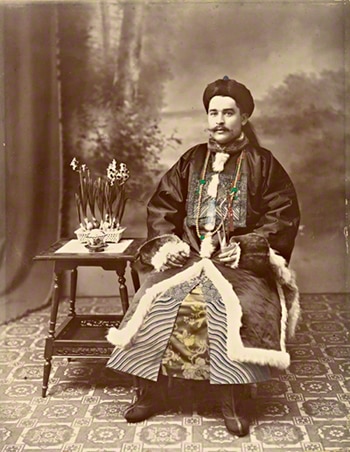
The Arrival of Photography in China (1840s-1850s)
Photography first arrived in China during the mid-19th century when European photographers established themselves in Macao and other coastal cities2. The invention of photography in 1839 quickly spread to China through trade routes and colonial expansion, fundamentally altering how Chinese society would document and view itself.
Among the earliest documented photographers in China was Jules Itier, a French customs official who arrived with the Lagrené Mission in 18443. His daguerreotypes of Guangzhou and Shanghai represent some of the first photographic images captured on Chinese soil. The Shanghai plate of the Yuyuan tea garden is now recognized as the earliest known photograph taken in Shanghai, providing an invaluable window into mid-19th century urban life.
The introduction of photography coincided with profound changes in China's relationship with the West. Following China's defeat in the First Opium War (1839-42), Britain established treaty ports in cities including Hong Kong, Canton, Amoy, Foochow, Ningbo, and Shanghai4. These gateway cities became the primary locations where photographic technology took root and flourished, creating a unique hybrid culture of Eastern and Western visual practices.
Western Photographers and the Documentation of China
The 1850s through 1870s witnessed an influx of Western photographers who documented China with unprecedented visual detail. Several pioneers of photography in China include Felice Beato (British, 1832-1909), John Thomson (British, 1837-1921), and Afong Lai (Chinese, 1839-1900)5.
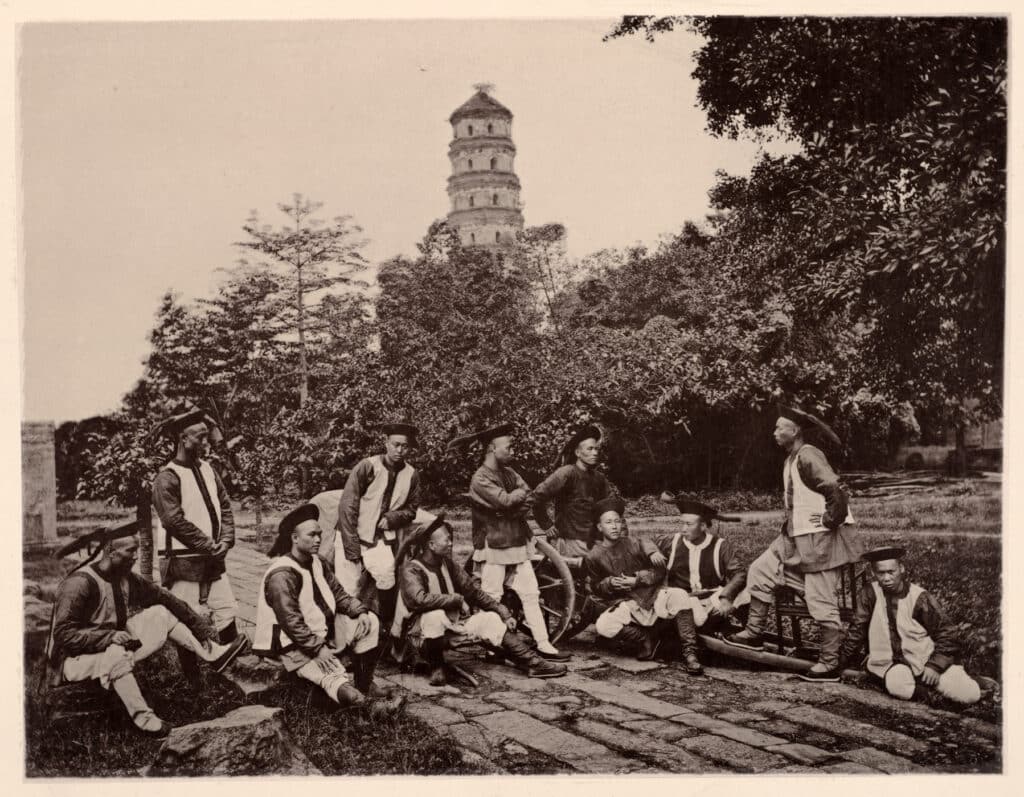
John Thomson, in particular, created an extraordinary body of work during his travels through China6 between 1868-1872. His street scenes of Beijing demonstrated remarkable sensitivity, showing not only his talent as a professional portrait photographer but also his concern for ordinary Chinese people and their daily struggles7. His photographs of Fujian and Guangdong provinces remain invaluable historical documents, capturing landscapes and people with an artistic eye that transcended mere documentation.
These Western photographers often served multiple purposes beyond artistic documentation. Many, like Thomas Child, sold their photographs to magazines and book publishers, creating visual records of China for Western audiences8. Child's photographs of Beijing's Summer Palace, much of which was later destroyed by Anglo-French forces, provide irreplaceable documentation of lost architectural heritage that would otherwise exist only in written descriptions.
Understanding the technical aspects of early photography helps appreciate these pioneers' achievements. Learn more about the evolution of camera technology that made these early expeditions possible.
The Rise of Chinese Photographers and Studios
While Western photographers initially dominated the medium, Chinese practitioners quickly recognized photography's commercial and artistic potential. In the second half of the 19th century, Chinese photo studios were established, such as Kung Tai and Sze Yuen Ming in Shanghai, and Pun Lun and Lai Afong in Hong Kong9.
Some Chinese photographers purchased cameras from departing Westerners, while others benefited from Chinese innovation, such as mathematician Zou Boqi who designed his own glass plate camera using foreign-made products10. This represented an early example of Chinese technological adaptation and innovation, demonstrating that Chinese practitioners were not merely imitators but innovators in their own right.
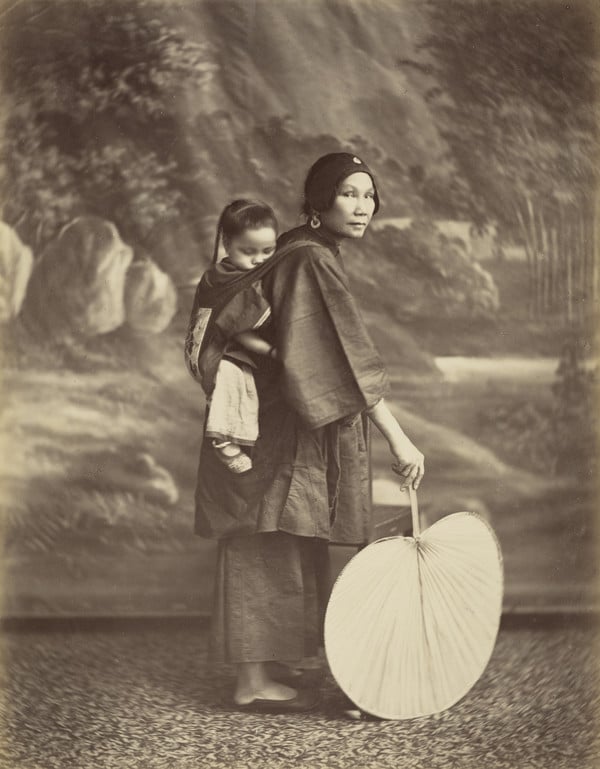
Lai Afong (also known as Afong Lai) emerged as China's most prominent 19th-century photographer. Operating under the name Afong in Hong Kong from the 1860s, he built a towering reputation through his illustrious clientele and impressive product range, maintaining a catalogue of views of China larger and more complete than any other photographer in the empire11. His studio remarkably persisted into the 1940s, demonstrating extraordinary longevity in a challenging field.
The techniques these early studios employed reflected a unique fusion of Eastern and Western aesthetics. Explore more about portrait photography techniques that evolved from these early studios.
Photography and Chinese Society
By the end of the 19th century, all major cities had photographic studios where middle-class Chinese could have portraits taken for family occasions12. This democratization of portrait photography represented a significant shift from traditional painted ancestor portraits that had been expensive and available only to the wealthy.
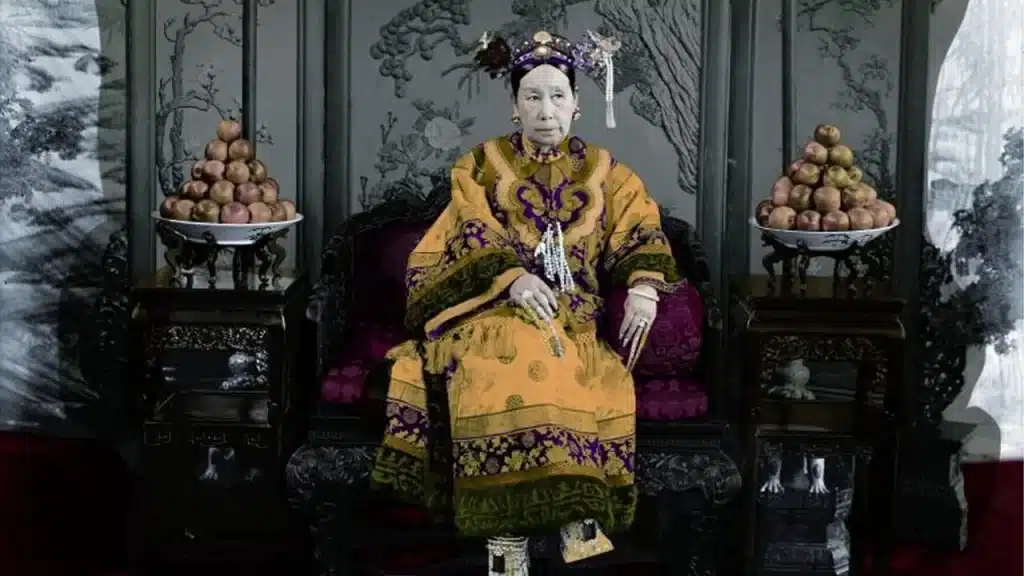
The adoption of photography by China's elite proved particularly noteworthy. Affluent Chinese adopted photography as a hobby, and Empress Dowager Cixi had her portrait taken repeatedly, using photography to craft her public image13. These imperial photographs were often mounted on brocade as hanging scrolls, integrating photography within Chinese painting traditions and demonstrating multimediality14.
Chinese photographers developed unique stylistic approaches that blended traditional Chinese aesthetics with the new medium. Photography was conceptualized as "sheying" - capturing shadow or illusion - and was practiced within China's flourishing urban culture, with costume photos and multiplied self-images proving particularly popular15. This philosophical approach to the medium distinguished Chinese photography from its Western counterparts.
Early 20th Century: Photojournalism and Artistic Expression
The early 20th century witnessed photography's expansion into new domains beyond portraiture and landscape documentation. Well-known photographers of the early 20th century include Liu Bannong (1891-1934) and Zhang Yin Quan (1900-1971), with some photographers branching into filmmaking and China's first steps into photojournalism done by Lang Jingshan (1892-1995)16.
This period saw photography used increasingly for record keeping, newspaper and magazine journalism, and fine-art photography purposes. The medium became integral to modern Chinese visual culture, documenting rapid urbanization, political changes, and social transformations throughout the Republican era. Photographers began experimenting with new approaches that would later influence documentary photography styles worldwide.
The Communist Era: Photography as State Tool (1949-1976)
The establishment of the People's Republic in 1949 dramatically transformed photography's role in Chinese society. In the early years of the People's Republic, the state organized artists and writers into official groups that directed their work and provided steady salaries, with many photographers assigned to photograph Mao and high Party members17. Among these state photographers were Hou Bo, Lu Houmin, and Xu Xiaobing.
Photography in China was seen as a Socialist Realist propagandist tool, with state control severely limiting photographic expression18. Photographers were expected to produce positive images supporting Communist Party narratives and revolutionary goals, fundamentally restricting artistic freedom.
Li Zhensheng: Documenting the Cultural Revolution
Despite pervasive restrictions, certain photographers managed to create honest historical records. Li Zhensheng, working as an accredited photographer for the Heilongjiang Daily newspaper from May 1966, documented the revolutionary fervor including Red Guards painting posters and waving banners19.
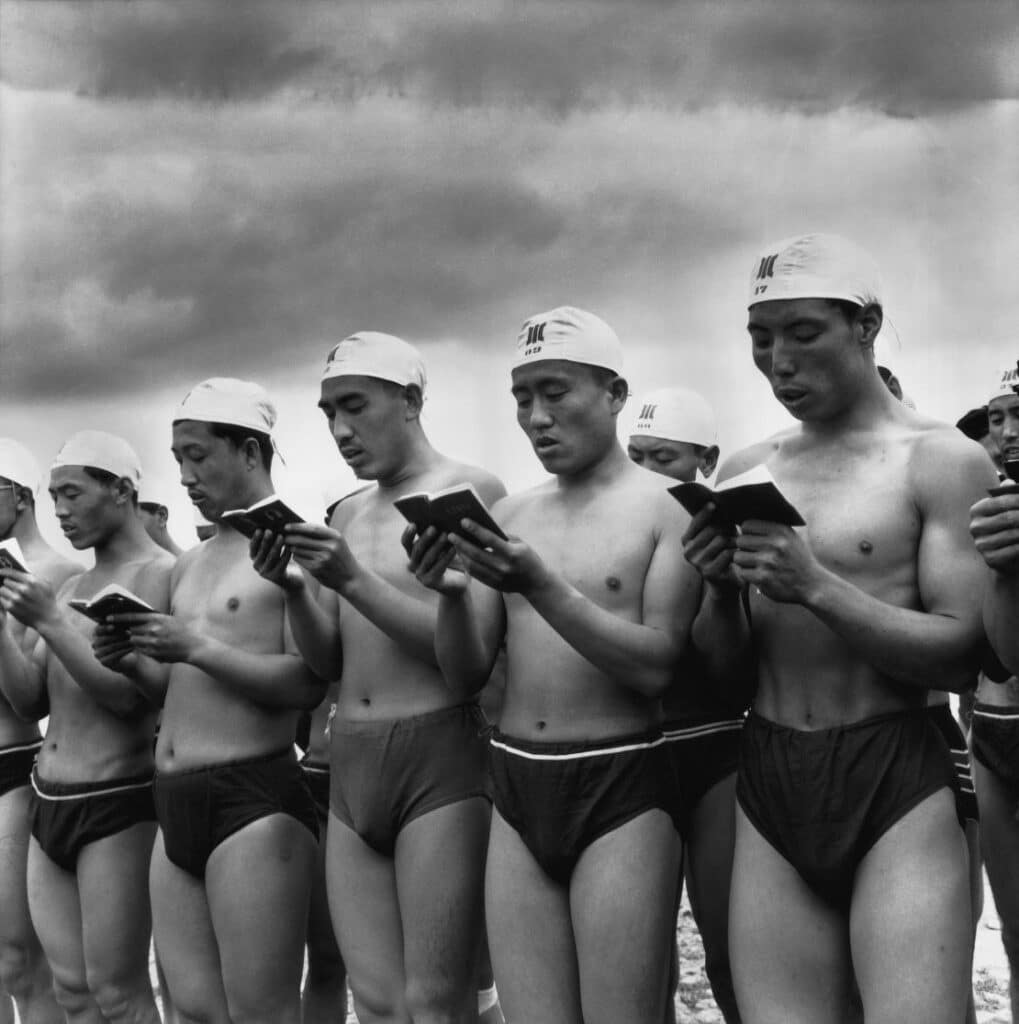
More remarkably, Li captured examples of shocking violence against those denounced as public enemies or counterrevolutionaries, including scenes of public humiliation, torture during "struggle sessions," and even roadside executions, hiding thousands of negatives before sharing them with the world in the decades following Mao's death in 197620.
Li's photos represented "the most comprehensive and systematic visual archive" of Mao Zedong's Cultural Revolution campaign, generating "a feeling of empathy about the disaster"21. His work, published in the book "Red-Color News Soldier" by Phaidon, stands as an incomparable historical document that demonstrates photography's power to preserve truth even under authoritarian suppression.
The courage required for such photojournalism in dangerous conditions cannot be overstated, and Li's work remains a testament to photography's role in historical documentation.
The Documentary Movement and New Vision (1976-1980s)
The April Fifth Movement in 1976 marked the start of a new photographic vision in China, as ordinary citizens and amateur photographers documented people's public mourning for Premier Zhou Enlai in Tiananmen Square22. This grassroots documentation represented a turning point toward more independent photographic expression, breaking decades of state-controlled imagery.
The aftermath of the Cultural Revolution led to a documentary photography movement that rapidly grew in strength. Photographers increasingly used their cameras to capture authentic Chinese experiences rather than state-approved narratives23. The photographers formed during the late 1970s and 80s were among the first to use visual technology as an art form for individual expression, giving rise to "unofficial photography" that evolved into "New Wave Photography" in the 1980s24.
The Contemporary Photography Explosion (1990s-Present)
The 1990s witnessed a revolutionary transformation in Chinese photography. The establishment in 1993 of the East Village area in Beijing created an artistic collective that used photography as an adjunct to experimental performance art and conceptual art25.
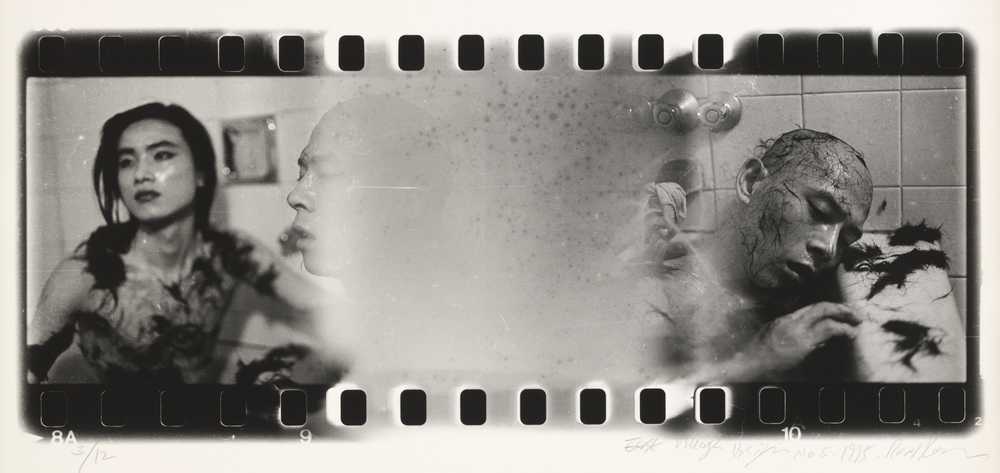
Rong Rong's photos of the East Village chronicle many of the most important artists - Zhang Huan, Ma Liuming, Cang Xin and others - creating works that tested the limits of what was physically possible and possible within society at that time26. This dissident art scene emerged in the wake of the Tiananmen Square crackdown in 1989, centered around self-expression and declaratively rejecting the collective ethos of earlier generations.
These experimental approaches influenced broader trends in conceptual photography that continue to shape contemporary visual culture.
Themes in Contemporary Chinese Photography
Contemporary Chinese photographers explore diverse themes reflecting their rapidly transforming society. Wang Jinsong's portraits of single-child families and Zhang Dali's images of nonstop urban demolition and reconstruction capture the massive social and physical changes reshaping China27.
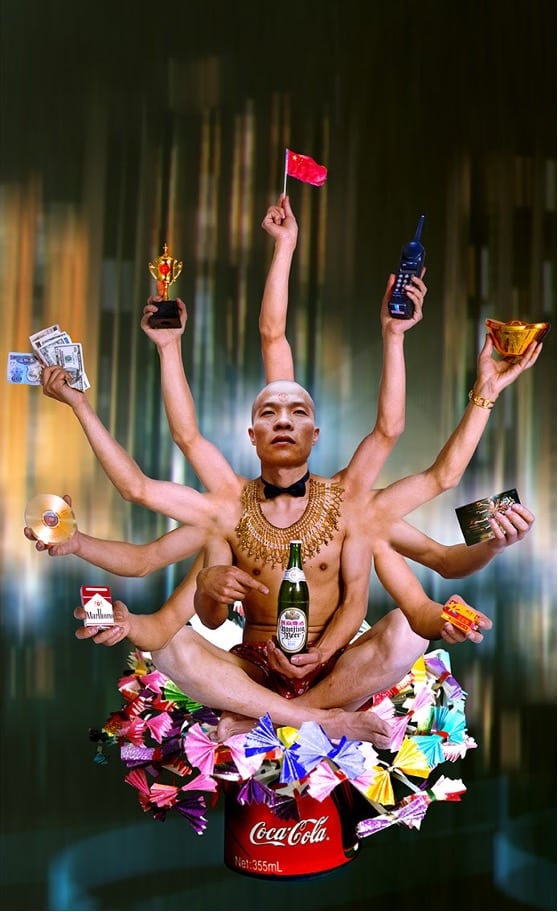
Between 2000 and 2012, photographers revived social-documentary photography and experimented with new digital photographic processes to explore common concerns: changes in social self-identity, alteration of the natural environment, and erosion of cultural heritage in an increasingly globalized society28.
Many contemporary photographers draw inspiration from China's rich artistic legacy while employing cutting-edge digital techniques. Artists like Zhang Dali documented the frenzy of demolition and construction by spray-painting silhouettes on doomed buildings and photographing them, while Wang Jinsong's "One Hundred Demolition Signs" presents a grid of 100 demolition symbols commenting on urban redevelopment29.
Understanding these urban photography techniques provides insight into how photographers document rapid social change.
The Digital Age and Global Recognition
The 21st century has seen Chinese photography gain unprecedented international attention. Over three decades, emerging Chinese artists independently embraced the immediacy of print and digital photography, with their art offering a portrait of a country at a moment of rapid urbanization, globalization, and cultural foment30.
Contemporary photographers like Wang Qingsong create staged photographs serving as vehicles for incisive, witty commentary on economic expansion, social tension, and rising Western influence, while artists like Yang Yongliang create digital landscapes that reference classical Chinese painting traditions31.
The diversity of contemporary Chinese photography is striking. Photographers employ aesthetics ranging from minimalist compositions with subdued color palettes evoking traditional ink painting and Taoist philosophy, to flamboyantly surreal images that question reality through conceptual experimentation32.
Modern photographers continue pushing boundaries with digital photography techniques that blend traditional Chinese aesthetics with cutting-edge technology.
Technical Innovations and Photographic Formats
Throughout its history, Chinese photographers have both adopted and adapted photographic technologies. Early practitioners worked with daguerreotypes, wet plate processes, and albumen prints. These earliest forms of photography, such as albumen print which uses egg whites to bind chemicals to paper and the "wet plate" process with negatives processed on glass plates in portable dark rooms, were utilized from the 1850s through the 1880s33.
The 20th century brought new formats including film photography, color processes, and eventually digital technologies. Chinese photographers have proven particularly adept at adopting digital tools, with many contemporary artists using advanced post-processing, digital manipulation, and even virtual reality in their work. The evolution of black and white photography techniques remains influential even as digital color dominates contemporary practice.
The Lasting Impact on Visual Culture
The history of photography in China demonstrates how a Western technology was not merely imported but transformed to serve Chinese cultural needs and artistic expression. From early commercial studios blending photography with traditional painting techniques, to documentary photographers recording revolutionary upheaval, to contemporary artists achieving global recognition, Chinese photography has continuously evolved while maintaining connections to China's rich visual heritage.
Photography's arrival in China in the 19th century occurred at precisely the right moment to capture a way of life that would largely disappear when the Qing Dynasty fell from power in the early 20th century34. This fortunate timing preserved invaluable documentation of Imperial China's final decades, creating an irreplaceable visual archive.
Today, Chinese photography stands as both a historical archive and a dynamic contemporary art form. Museums and galleries worldwide showcase Chinese photographic work, while Chinese photographers continue pushing boundaries and exploring new technologies. The medium that arrived on trading ships nearly two centuries ago has become an essential vehicle for Chinese artists to engage with their past, document their present, and envision their future.
Contemporary practitioners continue innovating with fine art photography approaches that command international attention and influence global visual culture.
Conclusion: A Visual Legacy
The history of photography in China encompasses far more than technical or aesthetic evolution. It reflects the nation's complex relationship with modernity, its struggles with political control versus artistic freedom, and its ongoing negotiation between tradition and innovation. From Jules Itier's first daguerreotypes in Guangzhou to contemporary digital installations in Beijing galleries, photography has served as both mirror and window - reflecting Chinese society while offering views into worlds beyond.
For historians, these photographs provide irreplaceable primary source material documenting nearly two centuries of transformation. For artists, they represent an evolving tradition of visual expression that continues inspiring new generations. For the global community, Chinese photography offers profound insights into one of the world's oldest civilizations navigating one of its most transformative periods.
As China continues its rapid development in the 21st century, photography remains an essential medium for documenting, interpreting, and understanding this remarkable journey. The visual legacy created by generations of Chinese photographers - from anonymous 19th-century studio operators to internationally celebrated contemporary artists - ensures that future generations will have unprecedented access to China's complex, multifaceted history through the powerful language of images.
Understanding the fundamentals of photography composition helps appreciate how Chinese photographers have mastered and transformed these principles across nearly two centuries of practice.
Frequently Asked Questions
When did photography first arrive in China?
Photography first arrived in China in the mid-1840s when European traders and diplomats brought daguerreotype cameras to coastal cities like Macao and Guangzhou. Jules Itier, a French customs official, is credited with creating some of the earliest photographs in China in 1844, including the earliest known photograph of Shanghai showing the Yuyuan tea garden.
Who were the most important early Chinese photographers?
Lai Afong (1839-1900) was China's most prominent 19th-century photographer, operating successful studios in Hong Kong and building the most complete catalogue of Chinese views in the empire. His studio remarkably persisted into the 1940s. Other important early Chinese photographers included Zou Boqi, who designed his own camera, and numerous studio operators like Kung Tai in Shanghai and Pun Lun in Hong Kong who established thriving commercial photography businesses.
How did the Cultural Revolution affect photography in China?
During the Cultural Revolution (1966-1976), photography became primarily a propaganda tool controlled by the state. However, photographer Li Zhensheng courageously documented both official revolutionary activities and shocking scenes of violence, public humiliation, and executions, hiding thousands of 'negative' negatives under his floorboards. His work, later published in "Red-Color News Soldier," now represents the most comprehensive visual archive of this tumultuous period.
What characterizes contemporary Chinese photography?
Contemporary Chinese photography emerged in the 1990s with the Beijing East Village movement and is characterized by diverse styles ranging from minimalist compositions inspired by traditional ink painting to surreal digital works. Common themes include rapid urbanization, social transformation, environmental concerns, and the intersection of Chinese tradition with globalization. Artists like Wang Qingsong, Zhang Huan, and Yang Yongliang have gained international recognition for their innovative approaches.
Why is Chinese photography historically significant?
Chinese photography is historically significant because it documented the final decades of Imperial China during the Qing Dynasty, captured revolutionary periods including the Cultural Revolution with unprecedented honesty, and preserved visual records of massive social and urban transformation. It also demonstrates how China adapted Western technology to serve Chinese cultural needs and artistic expression, creating a unique photographic tradition that blends Eastern aesthetics with modern techniques.
What photographic techniques were used in early Chinese photography?
Early Chinese photographers used daguerreotypes (1840s-1850s), wet plate collodion processes, and albumen prints (which used egg whites to bind chemicals to paper). These techniques required portable darkrooms and significant technical skill. By the late 19th century, dry plate negatives made photography more accessible, leading to the proliferation of commercial studios throughout China's major cities.
- Getty Research Institute, "Photography in China, 1839–ca. 1911," https://www.getty.edu/research/tools/guides_bibliographies/photography_china/index.html
- Terry Bennett, "History of Photography in China: New Discoveries and Research," The Classic, December 8, 2021, https://theclassicphotomag.com/history-of-photography-in-china-new-discoveries-and-research/
- Bennett, "History of Photography in China: New Discoveries and Research"
- Getty Research Institute, "Brush & Shutter: Early Photography in China," https://www.getty.edu/research/exhibitions_events/exhibitions/brush_shutter/gateways_transitions.html
- TIME, "These Rare Examples of Early Photography in China Captured a Disappearing World," March 7, 2017, https://time.com/4684239/early-chinese-photography/
- https://visualizingcultures.mit.edu/john_thomson_china_01/ct_essay.pdf
- Asian Art Newspaper, "Early Photographs of China," September 28, 2022, https://asianartnewspaper.com/early-photography-in-china/
- CNN Style, "Rare images show China at the dawn of photography," October 2, 2020, https://www.cnn.com/style/article/china-photos-19th-century-loewentheil-collection
- TIME, "These Rare Examples of Early Photography in China"
- CNN Style, "Rare images show China at the dawn of photography"
- Art Blart, "Tag: Early Chinese photography," https://artblart.com/tag/early-chinese-photography/
- Getty Research Institute, "Photography in China, 1839–ca. 1911"
- TIME, "These Rare Examples of Early Photography in China"
- Columbia University Press Blog, "Early Photography in China By Shengqing Wu," March 23, 2021, https://cupblog.org/2021/03/22/early-photography-in-china-by-shengqing-wu/
- Columbia University Press Blog, "Early Photography in China By Shengqing Wu"
- Getty Research Institute, "Photography in China, 1839–ca. 1911"
- Trans Asia Photography, "The Challenging Archive: Studying Photographers of the Chinese Communist Party," https://quod.lib.umich.edu/t/tap/7977573.0004.106/
- Trans Asia Photography, "The Challenging Archive"
- CNN Style, "Li Zhensheng remembered for his harrowing photos of the Cultural Revolution," June 25, 2020, https://www.cnn.com/style/article/li-zhensheng-cultural-revolution/index.html
- CNN Style, "Li Zhensheng remembered for his harrowing photos"
- CNN Style, "Li Zhensheng remembered for his harrowing photos"
- China Books Review, "Contemporary Chinese Art Photography," January 8, 2025, https://chinabooksreview.com/2024/08/01/chinese-art-photography/
- China Books Review, "Contemporary Chinese Art Photography"
- China Artlover, "Chinese Photography and modern photographers," February 5, 2022, https://www.chinaartlover.com/chinese-photography
- China Books Review, "Contemporary Chinese Art Photography"
- Dazed Digital, "The trailblazing rebels of contemporary Chinese photography," March 7, 2023, https://www.dazeddigital.com/art-photography/article/58366/1/the-trailblazing-rebels-of-contemporary-chinese-photography
- China Books Review, "Contemporary Chinese Art Photography"
- San José Museum of Art, "Rising Dragon: Contemporary Chinese Photography," https://sjmusart.org/exhibition/rising-dragon-contemporary-chinese-photography
- Aesthetics of Photography, "The Aesthetics of Contemporary Chinese Photography," March 1, 2025, https://aestheticsofphotography.com/the-aesthetics-of-contemporary-chinese-photography/
- Hirshhorn Museum, "A Window Suddenly Opens: Contemporary Photography in China," April 21, 2025, https://hirshhorn.si.edu/exhibitions/a-window-suddenly-opens-contemporary-photography-in-china/
- China Artlover, "20 famous modern Chinese photographers," February 5, 2022, https://www.chinaartlover.com/20-modern-chinese-photographers
- Aesthetics of Photography, "The Aesthetics of Contemporary Chinese Photography"
- CNN Style, "Rare images show China at the dawn of photography"
- TIME, "These Rare Examples of Early Photography in China"