If you’ve been scrolling through Instagram or TikTok lately, you’ve probably noticed something nostalgic happening: the Y2K photography aesthetic is everywhere. From grainy snapshots that look like they were taken on a disposable camera at a 2002 house party to deliberately light-leaked images that scream early-2000s nostalgia, this retro visual style has captured the hearts of Gen Z creators and millennial photographers alike. The Y2K photography aesthetic isn’t just a trend—it’s a full-blown cultural revival that’s reshaping how we think about image-making in the digital age.

This resurgence coincides with a broader film photography revival that’s seeing young photographers embrace analog techniques, hunt for vintage cameras at thrift stores, and deliberately add imperfections to their digital images. Whether you’re shooting on actual film or emulating the look digitally, understanding the Y2K photography aesthetic opens up a world of creative possibilities that feel both nostalgic and refreshingly authentic in our overly-polished social media landscape.
Understanding the Y2K Photography Aesthetic: Why We’re Obsessed with Imperfection
The Y2K photography aesthetic represents more than just a visual style—it’s a rebellion against the hyper-polished, algorithmically-optimized imagery that dominates our feeds. This aesthetic embraces grain, color shifts, light leaks, timestamp overlays, and the kind of “imperfections” that modern smartphones work tirelessly to eliminate.1
What makes this aesthetic so compelling is its authenticity. Images shot on disposable cameras or budget point-and-shoots from 2000-2005 have a distinctive look: slightly soft focus, unpredictable color casts (often leaning cyan or magenta), visible grain structure, and occasional light leaks or double exposures. These weren’t artistic choices—they were technical limitations. But to today’s photographers who’ve grown up with computational photography that corrects everything automatically, these “flaws” feel refreshingly human and real.
The psychology behind this nostalgia is fascinating. For Gen Z creators, the Y2K era represents a time before social media anxiety, when photos were taken for memory’s sake rather than for likes. For millennials, it’s a direct connection to their adolescence. This vintage photography approach offers an emotional authenticity that perfectly-edited images simply can’t replicate, which is why it’s become such a powerful tool for developing your personal aesthetic on Instagram.
The Film Photography Revival: Analog Techniques Making a Digital Comeback
While the Y2K photography aesthetic can be achieved digitally, the current film photography revival has introduced countless young creators to actual analog techniques. Sales of film cameras have surged, with vintage point-and-shoots that once sold for $20 at garage sales now fetching hundreds of dollars online. Film stock sales have increased year-over-year, and photo labs that were closing a decade ago are now struggling to keep up with demand.2
Shooting on actual film offers several advantages for photographers pursuing this aesthetic. First, there’s no need to fake the grain—it’s built into the medium. Second, the color science of film stocks like Kodak Gold, Fuji Superia, or Kodak Portra creates those distinctive warm or cool color shifts automatically. Third, the limitations of film (you can’t see your results immediately, you have only 24-36 exposures per roll) force a more intentional approach to photography that many find creatively liberating.
Popular Film Stocks for the Y2K Look
If you’re diving into analog photography techniques, certain film stocks naturally produce that coveted Y2K photography aesthetic:
- Kodak Gold 200: The quintessential Y2K film with warm tones and moderate grain—this is what most disposable cameras used
- Fujifilm Superia 400: Slightly cooler color palette with beautiful cyan-green shifts in shadows
- Kodak Ultramax 400: Punchy colors and visible grain structure perfect for that nostalgic feel
- Lomography Color Negative films: Deliberately unpredictable with strong color shifts and vignetting
- Expired film stocks: Shooting film past its expiration date creates unpredictable color shifts and increased grain
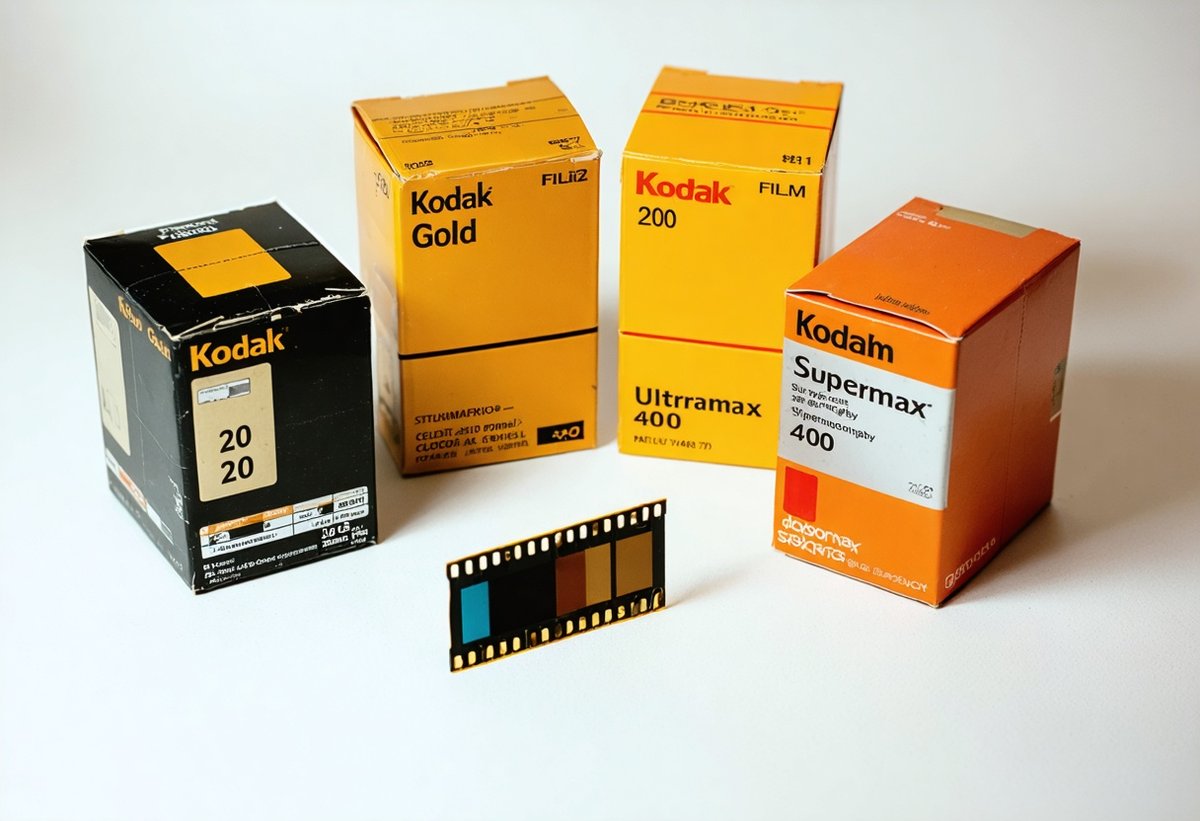
For photographers interested in even more experimental approaches, techniques like film soup can create truly unique effects that push the Y2K aesthetic into more artistic territory.
Disposable Camera Effect: Recreating the Ultimate Y2K Photography Aesthetic
The disposable camera effect sits at the heart of the Y2K photography aesthetic. These cameras—Fujifilm QuickSnap, Kodak FunSaver, and countless generic versions—were ubiquitous at parties, vacations, and events throughout the late 90s and early 2000s. Their distinctive look comes from several technical factors: a simple plastic lens (creating soft focus and vignetting), built-in flash (causing harsh lighting and red-eye), and cheap film stock (producing grain and color shifts).
Today, you can achieve this look three ways: shooting actual disposable cameras, using reusable point-and-shoot cameras from that era, or digitally emulating the effect. Each approach has its merits. Real disposable cameras offer complete authenticity but require film development and scanning. Vintage point-and-shoots like the Canon Sure Shot or Olympus Stylus Epic provide similar results with reusability. Digital emulation offers convenience and infinite experimentation.
Key Characteristics of the Disposable Camera Look
To authentically recreate this grainy photo aesthetic, whether shooting analog or editing digitally, focus on these elements:
- Soft focus: Images should be slightly less sharp than modern digital photos, especially at the edges
- Vignetting: Darkened corners are a signature of cheap plastic lenses
- Strong grain: Visible grain structure throughout the image, more pronounced in shadows
- Color shifts: Slight cyan or magenta casts, rarely perfectly neutral
- Blown-out highlights: Overexposed areas, especially when using flash
- Timestamp overlays: Orange date stamps in the corner (optional but very Y2K)
- Light leaks: Occasional orange or red light streaks from imperfect camera seals
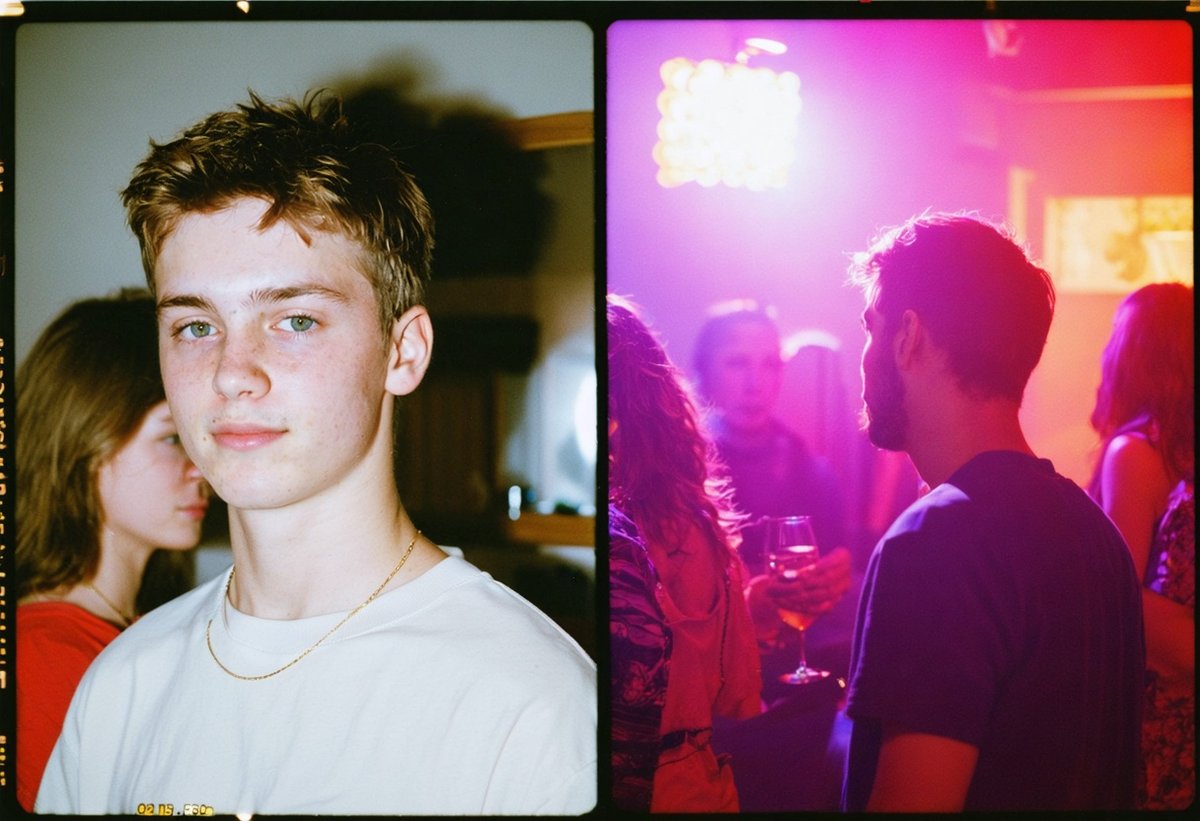
The beauty of this aesthetic is that “mistakes” become features. A slightly blurry party photo or an overexposed beach snapshot has more character and emotional resonance than a technically perfect image. This connects beautifully with the broader film look aesthetic that’s dominating visual platforms right now.
Digital Tools and Retro Photography Filters for Y2K Aesthetics
Not everyone wants to deal with film development and scanning, which is where digital emulation comes in. Modern editing software and apps can convincingly replicate the Y2K photography aesthetic, though achieving truly authentic results requires understanding what you’re emulating and why.3
Mobile Apps for Y2K Photography Effects
Several smartphone apps specialize in vintage photography filters and disposable camera effects:
- Huji Cam: The most popular disposable camera app, adding realistic light leaks, date stamps, and color shifts
- Dazz Cam: Offers multiple vintage camera simulations including disposables and early digital cameras
- 1998 Cam: Specifically designed for Y2K aesthetics with timestamp overlays and film-like colors
- VSCO: Premium presets like C1, A6, and M5 emulate specific film stocks convincingly
- Prequel: Trending filters that capture the grainy photo aesthetic Gen Z loves
Desktop Editing for Advanced Y2K Effects
For more control over your retro photography filters, desktop editing software offers greater flexibility:
Adobe Lightroom: Create custom presets by adjusting grain amount and size, adding split-toning (warm highlights, cool shadows or vice versa), reducing clarity for softness, adding vignetting, and shifting color profiles toward film emulations. The Camera Calibration panel is particularly powerful for achieving authentic film-like color.
Photoshop: Offers even more control with layer-based editing. Add grain using the Camera Raw filter, create light leak overlays using gradient tools with blend modes, apply color lookup tables (LUTs) designed for film emulation, and use blur filters selectively for that soft-focus disposable camera look.
Capture One: Professional-grade film emulation with precise color grading tools and customizable grain structures that closely mimic specific film stocks.
While these digital tools are powerful, it’s worth noting that AI photography tools are beginning to offer one-click film emulation that analyzes your image and applies contextually appropriate effects. The key is using these tools thoughtfully rather than letting them make all creative decisions for you.
Shooting Techniques for Authentic Y2K Photography Aesthetic
Beyond equipment and editing, achieving an authentic Y2K photography aesthetic requires adopting certain shooting techniques and mindsets. The way people photographed in the early 2000s was fundamentally different from today’s approach—more spontaneous, less curated, and unconcerned with technical perfection.
Embrace Spontaneity Over Perfection
Y2K-era photography was characterized by candid moments rather than posed portraits. People didn’t review their shots immediately or take 47 versions of the same photo. To capture this energy:
- Shoot without chimping (reviewing your LCD screen after every shot)
- Take one or two frames of a moment, then move on
- Focus on genuine interactions and emotions rather than Instagram-worthy poses
- Don’t delete “imperfect” shots—they often have the most character
- Shoot from the hip occasionally for unexpected compositions
Lighting for the Disposable Camera Effect
Disposable cameras had simple, harsh built-in flashes that created a distinctive look. To emulate this:
- Use direct on-camera flash without diffusion
- Shoot in mixed lighting situations (indoor lighting plus flash)
- Don’t worry about red-eye—it’s part of the aesthetic
- Embrace blown-out foregrounds and dark backgrounds
- For outdoor shots, slightly overexpose for that sun-bleached summer vibe
This approach contrasts sharply with modern photography’s emphasis on balanced lighting and exposure. The “flaws” created by simple flash photography are exactly what gives Y2K images their nostalgic charm. For more advanced lighting techniques that still maintain authenticity, exploring vintage lenses can add unique optical characteristics to your images.
Subject Matter and Composition
The content of Y2K photography was distinctly different from today’s carefully curated aesthetic. Common subjects included:
- Casual friend hangouts and house parties
- Concert and event coverage from the crowd perspective
- Road trips and vacation snapshots
- Everyday moments without artistic pretension
- Group photos with everyone crowded into frame
- Pets and family in unstaged situations
Compositionally, Y2K photos often featured centered subjects, cut-off heads or bodies, tilted horizons, and other “mistakes” that modern photographers are trained to avoid. Embracing these imperfections is key to authenticity.
Color Grading for the Perfect Vintage Photography Look
Color is perhaps the most critical element in achieving a convincing Y2K photography aesthetic. Consumer film stocks and early digital cameras had distinctive color science that differed significantly from modern sensors and processing.4
Characteristic Y2K Color Palettes
Different film stocks and cameras created distinct color signatures:
Warm/Golden Look (Kodak Gold, Ultramax): Slightly elevated yellows and oranges, warm skin tones, golden-hour quality even in neutral lighting, reduced blues and cyans in shadows.
Cool/Cyan Look (Fuji Superia, Agfa Vista): Cyan-green color cast in shadows, cooler skin tones, elevated blues, reduced reds and oranges, almost a cross-processed quality.
Faded/Muted Look (expired or poorly stored film): Reduced overall saturation, color shifts toward magenta or green, lower contrast, milky shadows rather than pure black.
Early Digital Look (2000-2005 point-and-shoots): Oversaturated primary colors, harsh contrast, sometimes purple fringing in highlights, slightly artificial-looking skin tones.
Split-Toning for Film-Like Color
One of the most effective techniques for achieving vintage photography color is split-toning—adding different color tints to highlights and shadows. Try these combinations:
- Warm (orange/yellow) highlights + cool (cyan/blue) shadows
- Magenta highlights + green shadows (cross-processed look)
- Yellow highlights + purple shadows (faded film aesthetic)
- Orange highlights + teal shadows (complementary contrast)
The key is subtlety—real film color shifts are usually gentle rather than extreme. Start with 5-10% saturation in your split-toning and adjust from there. This approach works beautifully whether you’re pursuing Y2K aesthetics or exploring other styles like moody photography.
Grain Structure: The Soul of the Grainy Photo Aesthetic
Grain is to film what pixels are to digital—the fundamental building blocks of the image. But unlike digital noise (which is random and generally undesirable), film grain has structure, character, and beauty. Understanding grain is essential for nailing the grainy photo aesthetic that defines Y2K photography.
Film grain comes from the silver halide crystals in the emulsion. Faster films (higher ISO) have larger grain structures because they use larger crystals to capture more light. This grain isn’t uniform—it varies in size and density across the image, is more visible in midtones than highlights, and has a three-dimensional quality (grain exists in different emulsion layers).5
Adding Convincing Grain Digitally
When adding grain to digital images for a Y2K photography aesthetic, avoid the trap of applying uniform noise. Instead:
- Use grain tools, not noise: Lightroom’s grain slider and Photoshop’s Camera Raw grain are designed to mimic film, unlike the Add Noise filter
- Vary grain size: ISO 400 film has medium grain; ISO 800+ has coarse, visible grain
- Adjust grain roughness: This controls how uniform vs. varied the grain appears
- Apply grain after color grading: Grain should sit on top of your color work, not underneath it
- Less in highlights, more in midtones: Real film grain is least visible in bright areas
For the most authentic results, study actual scanned film to see how grain behaves. Kodak and Fujifilm both maintain archives showing the characteristics of their various film stocks, which can serve as reference material.
Grain as Creative Choice
Beyond technical accuracy, grain serves creative purposes in the Y2K photography aesthetic. It adds texture and tactility to images, softens digital harshness, creates visual cohesion across a series of images, and evokes emotional nostalgia and warmth. Heavy grain can also obscure details, directing attention to composition and mood rather than pixel-level sharpness.
This is why the grainy photo aesthetic resonates so strongly on platforms like Instagram and TikTok—it makes images feel more human and approachable in an era of computational photography that can feel sterile and over-processed.
Common Mistakes to Avoid When Creating Y2K Photography
As the Y2K photography aesthetic has exploded in popularity, certain mistakes have become common. Avoiding these pitfalls will help your images feel authentic rather than like cheap imitations.
Over-Processing and Heavy-Handed Effects
The biggest mistake is applying effects too strongly. Real film has subtlety—color shifts are gentle, grain is visible but not overwhelming, and light leaks are occasional rather than constant. When every image has extreme grain, intense color casts, and multiple light leaks, it stops looking like authentic film and starts looking like an Instagram filter.
Instead, vary your processing. Some images should be relatively clean, others more affected. Real film photography had variation—some rolls came out perfect, others had issues. This inconsistency is part of the charm.
Using the Wrong Type of Grain
Digital noise and film grain are fundamentally different. Adding random noise to an image doesn’t create a film look—it creates a digital-noise look. Use proper grain tools that simulate film structure, or better yet, scan actual film to see what real grain looks like and use that as reference.
Ignoring the Content and Composition
No amount of filters can make a carefully posed, perfectly composed, obviously-staged photo look like authentic Y2K photography. The aesthetic isn’t just visual effects—it’s about the spontaneous, casual nature of how people photographed in that era. A selfie taken with a ring light and edited with a disposable camera filter still looks like a modern selfie.
Forgetting About Dynamic Range
Modern digital cameras capture much more dynamic range than consumer film did. Y2K photos often had blown-out highlights and blocked-up shadows. If your image has perfect detail in both the brightest and darkest areas, it won’t look like film no matter what effects you apply. Don’t be afraid to clip some highlights and let shadows go dark.
Mixing Aesthetics Inconsistently
If you’re building a cohesive feed or portfolio with the Y2K photography aesthetic, consistency matters. Mixing heavily-processed disposable camera effects with clean digital images breaks the illusion. Choose your aesthetic and commit to it across a body of work. This principle applies whether you’re pursuing vintage photography or developing any other personal aesthetic.
Building a Y2K Photography Kit: Equipment Recommendations
Whether you’re shooting analog or digital, having the right equipment makes achieving the Y2K photography aesthetic much easier. Here’s what to consider for different approaches and budgets.
Film Cameras for Authentic Y2K Aesthetics
Disposable Cameras (Budget: $15-25 per camera): Fujifilm QuickSnap, Kodak FunSaver, and Ilford XP2 disposables offer the most authentic Y2K look. They’re single-use, so factor in development costs, but the results are genuinely period-accurate.
Reusable Point-and-Shoots (Budget: $50-300): Cameras like the Canon Sure Shot series, Olympus Stylus Epic, Nikon L35AF, Pentax Espio, and Yashica T4 were hugely popular in the Y2K era and produce that characteristic look. Prices have increased dramatically due to demand, but they’re still more economical than disposables long-term.6
SLR Cameras (Budget: $100-500): For more control while maintaining analog authenticity, 35mm SLRs like the Canon AE-1, Nikon FM2, Pentax K1000, or Minolta X-700 offer manual controls with film’s natural aesthetic. Pair them with affordable prime lenses for best results.
Digital Cameras for Y2K Emulation
Early Digital Cameras (Budget: $50-200): Ironically, actual digital cameras from 2000-2005 are now being used for their “vintage” digital aesthetic. Look for low-megapixel models (3-5MP) from Canon, Nikon, or Sony with CCD sensors for that characteristic early-digital look.
Modern Digital with Film Simulations (Budget: $500-2000): Fujifilm X-series cameras have built-in film simulations based on their actual film stocks. The Classic Chrome, Classic Neg, and Eterna profiles can provide a strong starting point for Y2K aesthetics straight out of camera.
Essential Accessories
- Film scanner: If shooting film, a quality scanner (Plustek, Epson V600, or Nikon Coolscan) preserves grain and color better than lab scans
- On-camera flash: A simple hot-shoe flash mimics disposable camera lighting
- Film stock variety: Keep several types on hand to match different moods and situations
- Editing software: Lightroom Classic or Capture One for professional-grade film emulation
- Color calibration tools: Ensure your monitor displays colors accurately when editing
Remember that equipment is just a tool—understanding the aesthetic principles matters more than having expensive gear. Some of the most viral Y2K photography on TikTok and Instagram was shot on actual disposable cameras costing less than $20.
The Cultural Impact: Why Y2K Photography Resonates Now
The Y2K photography aesthetic isn’t just a random trend—it reflects deeper cultural shifts in how we relate to images and authenticity. Understanding these cultural currents helps explain why this aesthetic has become so powerful and how it might evolve.
First, there’s a widespread fatigue with social media perfection. After years of heavily edited, algorithmically optimized imagery, audiences are craving something that feels real. The film photography revival represents a rejection of computational photography’s clinical perfection. Images with grain, light leaks, and imperfect exposure feel more human and trustworthy.
Second, nostalgia is a powerful emotional force, especially during uncertain times. For Gen Z, the Y2K era represents a pre-social-media world they never experienced but find appealing. For millennials, it’s a direct connection to their youth. This vintage photography aesthetic provides comfort and escapism.7
Third, the Y2K photography aesthetic offers a form of resistance to AI-generated imagery. As AI photography tools become increasingly sophisticated, film’s physical, chemical nature provides proof of authenticity. You can’t AI-generate actual film grain or real light leaks—they’re evidence of a physical process.
Finally, the disposable camera effect democratizes photography. Unlike carefully curated Instagram aesthetics that require expensive equipment and editing skills, the Y2K look is accessible. Anyone can pick up a disposable camera or download Huji Cam and create images that fit the aesthetic. This accessibility has fueled its viral spread across TikTok and Instagram.
Monetizing Your Y2K Photography: Turning Nostalgia into Income
The popularity of the Y2K photography aesthetic has created real opportunities for photographers to monetize this skill. Here’s how creators are turning retro photography filters and film techniques into income streams.
Preset and Filter Sales
If you’ve developed convincing Y2K editing techniques, packaging them as Lightroom presets, Photoshop actions, or mobile app filters can generate passive income. Platforms like Etsy, Gumroad, and Creative Market are filled with successful preset creators. The key is offering something unique—not just generic “film look” presets, but carefully crafted emulations of specific film stocks or camera types.
Event Photography with Disposable Cameras
Weddings, parties, and corporate events are increasingly incorporating disposable cameras as both entertainment and documentation. Photographers can offer services where they provide disposable cameras to guests, collect and develop them, and deliver edited digital galleries. This combines the Y2K aesthetic with genuine candid moments guests capture themselves.
Social Media Content Creation
Brands targeting Gen Z and younger millennials are actively seeking content creators who can produce authentic-looking Y2K photography for their social media. This might include product photography with disposable camera aesthetics, lifestyle content with vintage photography vibes, or behind-the-scenes content shot on film. Building a strong portfolio in this aesthetic can lead to paid brand partnerships.
Educational Content
Teaching others how to achieve the Y2K photography aesthetic is itself monetizable. This could take the form of YouTube tutorials (monetized through ads and sponsorships), paid online courses or workshops, TikTok content (through the Creator Fund and brand deals), Instagram Reels and posts (driving traffic to paid offerings), or written tutorials and ebooks. The demand for education in analog photography techniques and film emulation is strong and growing.
Print Sales and Exhibitions
There’s a growing market for physical prints of Y2K-aesthetic photography, especially when shot on actual film. The grainy photo aesthetic translates beautifully to print, and the nostalgia factor makes these images appealing as wall art. Consider selling through online print-on-demand services, local galleries and coffee shops, art fairs and markets, or your own website with print fulfillment.
The Future of Y2K Photography and Film Revival
As we look ahead, several trends suggest the Y2K photography aesthetic and broader film photography revival aren’t just passing fads but represent more fundamental shifts in photographic culture.
Film manufacturers are responding to increased demand by reintroducing discontinued stocks and developing new ones. Kodak has brought back Ektachrome and continues to invest in film production. New companies like CineStill are creating innovative film products specifically for modern photographers. This industrial support suggests long-term viability for analog photography techniques.
Digital camera manufacturers are also adapting. Beyond Fujifilm’s film simulations, we’re seeing cameras with built-in grain effects, vintage color profiles, and even simulated light leaks. Nikon’s recent Z-series cameras include “Monochrome” and “Flat” profiles that provide film-like starting points. This suggests the industry recognizes that not everyone wants computationally-perfect images.
The aesthetic is also evolving beyond pure Y2K nostalgia. We’re seeing hybrid approaches that combine film aesthetics with modern composition and subject matter, experimental techniques that push beyond simple emulation, and integration with other trends like the broader cinematic film look and moody photography styles.8
Interestingly, as AI-generated imagery becomes more prevalent, the value of provably-real photography increases. Film photography, with its physical negatives and chemical processes, offers inherent authenticity that digital images lack. This could position the film photography revival as not just nostalgic but practically relevant in an age of synthetic media.
The disposable camera effect specifically will likely remain popular on social media because it serves both aesthetic and psychological functions—it looks good and it signals authenticity and casualness that audiences value. As long as those values remain important (and there’s no sign they’re diminishing), the Y2K photography aesthetic will continue to resonate.
Frequently Asked Questions About Y2K Photography Aesthetic
What exactly is the Y2K photography aesthetic?
The Y2K photography aesthetic refers to the visual style characteristic of photographs taken in the late 1990s and early 2000s, particularly with consumer-grade film cameras and early digital cameras. Key features include visible grain, soft focus, color shifts (often warm or cyan-tinted), light leaks, vignetting, and the overall “imperfect” quality of disposable cameras and budget film stocks. This aesthetic embraces the technical limitations of that era’s photography equipment as desirable artistic qualities.
Can I achieve the Y2K photography aesthetic without shooting film?
Absolutely. While shooting actual film provides the most authentic results, digital emulation can be highly convincing when done properly. Mobile apps like Huji Cam and Dazz Cam provide quick Y2K effects, while desktop software like Lightroom and Photoshop offer more control for custom film emulation. The key is understanding what you’re emulating—study real film photography to see how grain, color, and imperfections actually behave, then replicate those qualities digitally rather than just applying generic filters.
What’s the best film stock for achieving the Y2K look?
For the most authentic Y2K photography aesthetic, Kodak Gold 200 is the quintessential choice—it was the film used in most disposable cameras and produces warm tones with moderate grain. Fujifilm Superia 400 offers a cooler, cyan-leaning alternative, while Kodak Ultramax 400 provides punchier colors and more visible grain. For experimentation, try expired film stocks or techniques like film soup for unpredictable color shifts and effects.
Why is the Y2K photography aesthetic so popular on TikTok and Instagram?
The Y2K photography aesthetic resonates on social media for several reasons. First, it offers visual contrast to the overly-polished, heavily-edited imagery that dominates these platforms, making content stand out. Second, it taps into powerful nostalgia for Gen Z and millennials. Third, it signals authenticity and casualness—qualities that audiences increasingly value in an era of curated perfection. Finally, the aesthetic is accessible; anyone can achieve it with disposable cameras or free apps, democratizing the look and fueling its viral spread.
How do I add convincing grain to my digital photos?
To add convincing film grain rather than digital noise, use dedicated grain tools in Lightroom (the Grain slider under Effects) or Photoshop’s Camera Raw filter. Adjust both the amount and size of grain—ISO 400 film has medium grain, while ISO 800+ has coarser, more visible grain. Increase roughness slightly for variation rather than uniform grain. Apply grain after color grading, and remember that real film grain is less visible in highlights and more prominent in midtones. Study scanned film as reference to see how authentic grain behaves.
Are disposable cameras still being manufactured?
Yes, disposable cameras are still manufactured and have seen increased production due to renewed demand. Fujifilm QuickSnap and Kodak FunSaver remain widely available at drugstores, tourist shops, and online retailers. Ilford also produces black-and-white disposable cameras. Prices have increased somewhat due to demand and film production costs, typically ranging from $15-25 per camera plus development. For regular shooting, reusable point-and-shoot cameras or learning film development may be more economical long-term.
Embrace the Imperfect: Your Y2K Photography Journey Starts Now
The Y2K photography aesthetic represents more than just a visual trend—it’s a movement toward authenticity, imperfection, and emotional resonance in an increasingly digital world. Whether you’re shooting on actual disposable cameras, hunting for vintage point-and-shoots at thrift stores, or carefully crafting digital emulations, this aesthetic offers a refreshing alternative to computational photography’s clinical perfection.
The beauty of this film photography revival is its accessibility. You don’t need expensive equipment or advanced technical skills to create compelling Y2K-style images. A $20 disposable camera or a free mobile app can produce results that resonate deeply with audiences craving authenticity. What matters most is understanding the aesthetic principles—the grain, the color, the spontaneity, the embrace of imperfection—and applying them thoughtfully to your work.
As you explore vintage photography techniques and retro photography filters, remember that the goal isn’t perfect technical emulation but emotional authenticity. The most successful Y2K photography captures not just the visual aesthetic but the feeling of that era—casual, spontaneous, unconcerned with perfection, focused on genuine moments rather than curated content.
The grainy photo aesthetic dominating TikTok and Instagram isn’t going anywhere soon. If anything, as AI-generated imagery becomes more prevalent and digital photography becomes more computationally perfect, the value of film’s physical, imperfect, provably-real qualities will only increase. Now is the perfect time to develop your skills in this aesthetic, whether for personal creative expression or professional opportunities.
So grab a disposable camera, dust off that old point-and-shoot, or open your favorite editing app. Embrace the grain, celebrate the light leaks, and let go of technical perfection. Your Y2K photography journey starts now—and the world is ready for images that feel real, human, and beautifully imperfect.
[efn_list]