Is Luigi Mangione a hero, a regular guy, or something else entirely? The narrative surrounding him is complex and ever-evolving, with photography at its core. In our visually driven age, images are powerful tools that shape public perception, casting individuals in either a positive or negative light. This influence was notably seen in the 1994 O.J. Simpson case, where TIME magazine darkened Simpson’s mugshot, portraying him as menacing, while Newsweek used the original image. This contrast led to criticism of TIME for potentially swaying public opinion through visual manipulation.
Similarly, Monica Lewinsky's media portrayal in the late 1990s varied significantly. Some outlets depicted her as a seductress with unflattering images suggesting complicity, while others used photos that conveyed vulnerability, influencing public sentiment during the Clinton-Lewinsky scandal.
Luigi Mangione: Hero, Regular Guy, or No Hero?
In the case of Luigi Mangione, accused of killing a high-profile CEO linked to harmful corporate healthcare policies, photography takes center stage. Images of Mangione—whether calm and reflective, aggressive and unhinged, or remorseful and subdued—allow the media to craft and control the narrative.
Roland Barthes, in his essay “Rhetoric of the Image,” explains that photographs function on two levels: the denotative or literal message and the connotative or symbolic message. This duality enables images to convey deeper meanings, influencing how we emotionally connect with what we see.
Analyzing Mangione’s photographs reveals how they support conflicting interpretations of his actions, much like other pivotal historical cases. Are these images revealing the truth, or are they carefully curated fragments suppressing deeper complexities, such as Mangione’s manifesto, which remains hidden from public discourse?
This examination highlights the media's ethical responsibility in image selection and the profound impact such choices have on public perception.
Luigi Mangione: Hero Image 1
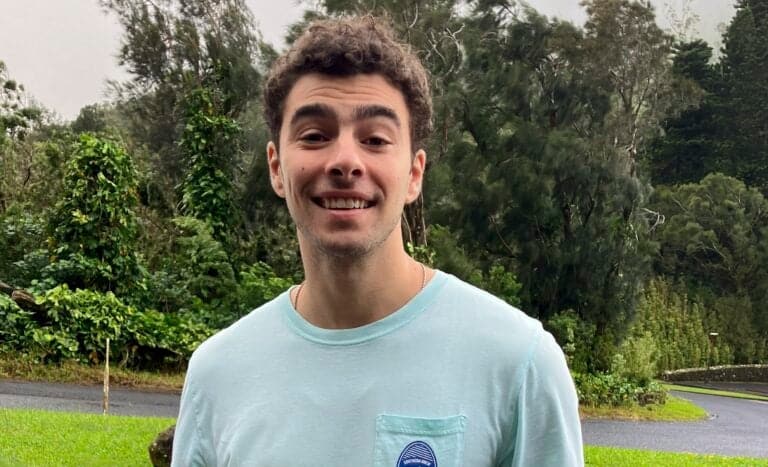
Mangione stands outdoors in a vibrant park, wearing a light turquoise t-shirt. His relaxed smile and the lush background exude warmth and humility. This image positions him as approachable and relatable, suggesting a character at peace, potentially fighting for justice.
Media Use: Likely shared on social media platforms and progressive outlets aiming to emphasize Mangione’s humanity and righteousness.
Luigi Mangione: Hero Image 2
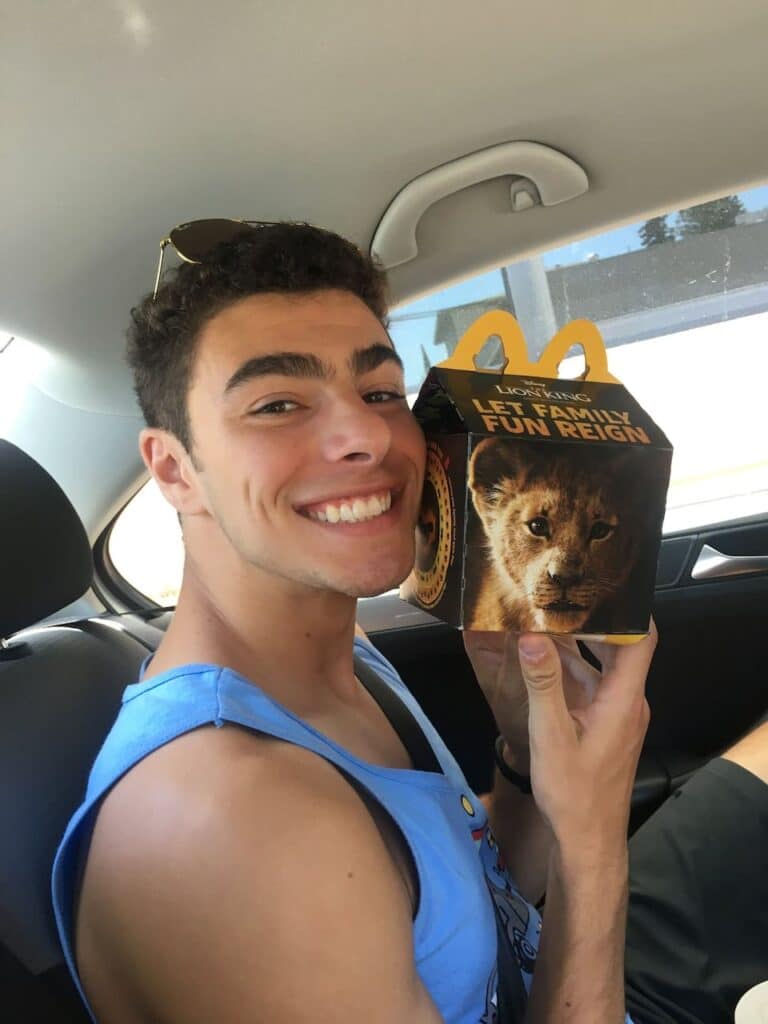
Mangione is seated in a car, holding a McDonald’s Happy Meal box with a broad grin. His carefree look adds an element of innocence, contrasting with the seriousness of his alleged actions.
Media Use: Used in smaller, independent outlets or blogs sympathetic to Mangione’s perceived cause, reinforcing the idea of him as misunderstood.
Luigi Mangione: Hero Image 3

A candid shot of Mangione in a hooded jacket and scarf creates an air of quiet confidence. The grainy image adds an organic feel, aligning him with a principled cause.
Media Use: Found in balanced articles, hinting at Mangione’s moral complexity and motivations.
Luigi Mangione: Neutral Image 1
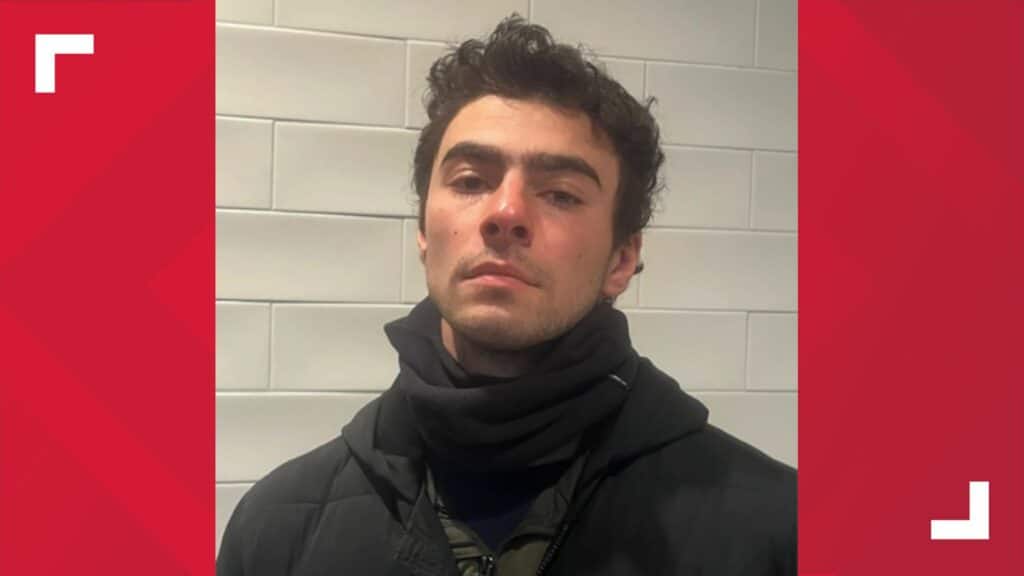
Photographed against a neutral background, Mangione's calm but unsmiling expression exudes quiet resilience. This image presents him as an ordinary person, leaving interpretation to the viewer.
Media Use: Used in objective reports focused on delivering factual updates about Mangione’s case.
Luigi Mangione: Neutral Image 2
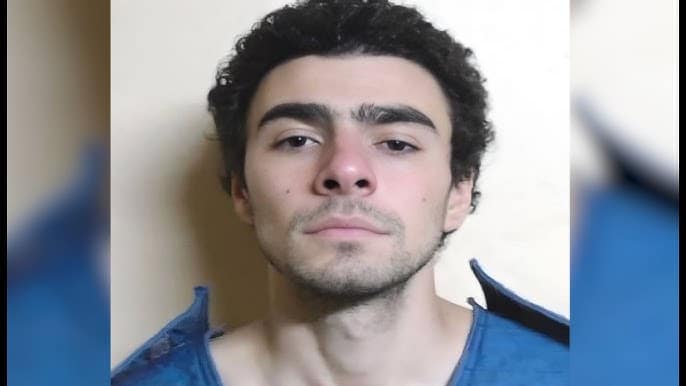
This police mugshot captures Mangione in an unembellished state, emphasizing the procedural context rather than building a narrative.
Media Use: Common in mainstream media when reporting on Mangione’s legal proceedings, reinforcing his connection to the justice system.
Luigi Mangione: No Hero Image 1

Mangione is shown in an orange prison jumpsuit, flanked by police. His solemn expression suggests regret, shaping public perception as one of remorse.
Media Use: Used in traditional media to evoke sympathy or condemnation, framing Mangione as a tragic figure.
Luigi Mangione: No Hero Image 2

Captured mid-struggle, Mangione’s expression of anger portrays him as a man out of control. This image collaborates with a broader narrative, ignoring his motivations and portraying him as irrational.
Media Use: Circulated in sensationalist media, simplifying Mangione into a caricature of instability.
Conclusion
The case of Luigi Mangione underscores photography's unparalleled force in shaping public perception. Unlike textual arguments, images bypass intellectual scrutiny, reaching directly into the human soul. Barthes's concept of the punctum describes this deeply affecting detail that transforms an image into an emotional truth. In an era where images wield narrative power, they carry an almost incontestable authority, presenting themselves as evidence of reality, even when curated or manipulated.
Mangione’s images construct competing identities—a natural hero, an ordinary individual, or a volatile criminal. Each photograph reflects the intentions of those who select it, whether to inspire admiration, evoke sympathy, or provoke condemnation. These images influence public opinion and suppress deeper complexities, such as Mangione’s manifesto, offering insight into his motivations but largely ignored by the media.
This underscores the urgent need for education in visual literacy. Cultivating the ability to critically interpret visual content is essential in a world flooded with conflicting narratives. Without this skill, we risk manipulated perceptions and shallow understandings, shaped more by editorial decisions than by truth.
What do you think? How do these images of Luigi Mangione shape your perception of his actions and character? Share your thoughts in the comments below—we’d love to hear how you feel about the power of photography in shaping narratives and influencing public discourse.