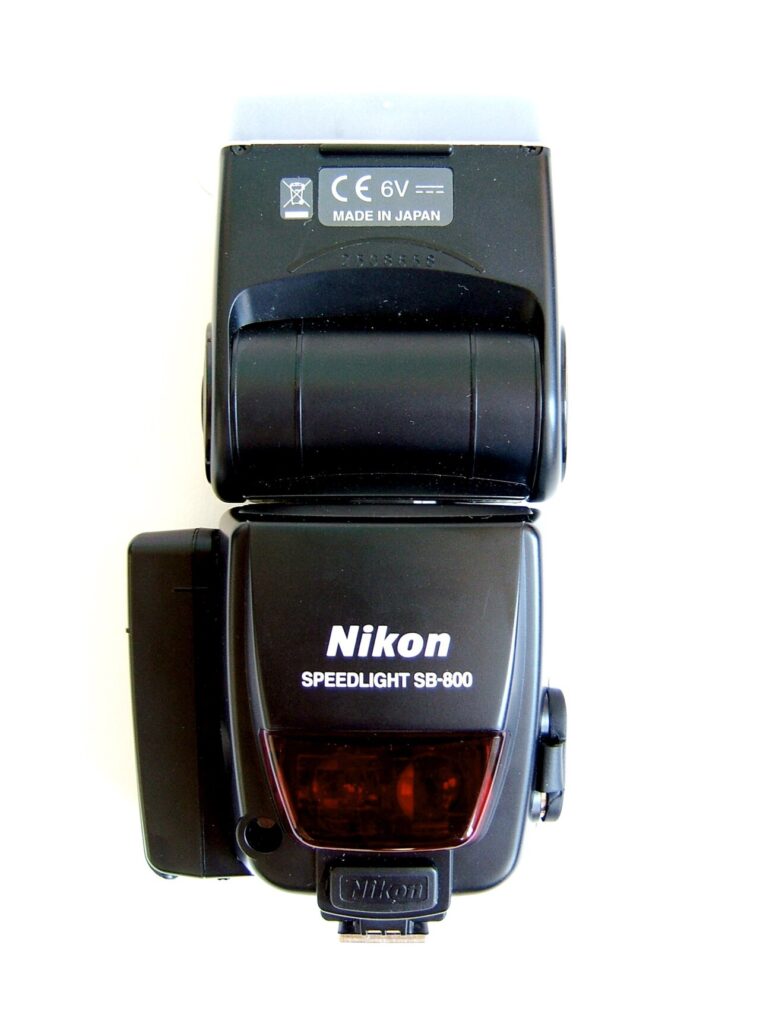
The Hot Shoe Diaries: Big Light from Small Flashes is Joe McNally’s 2009 book on lighting with small hot-shoe flashes. In essence, it explains, through behind-the-scenes case studies, how he shapes, colours and directs light with Nikon Speedlights. This guide describes how the book is built, what its sixty-two chapters cover and what to take from it today. Because the book is out of print, we also explain where to find it and where its age shows.
A note on method: first, we describe the book from publisher pages and the published table of contents. We have not reproduced its text. In short, this is a reader’s guide, not a summary of every chapter.
The Hot Shoe Diaries at a glance
| Detail | Information |
|---|---|
| Author | Joe McNally |
| Publisher | New Riders (Voices That Matter series) |
| Published | 3 March 2009, first edition |
| Length | 336 pages in print (Peachpit); 320 in the e-book listing (O’Reilly) |
| ISBN | 978-0-321-58014-6 (print) |
| Status | Peachpit lists the print book as out of print |
| Level | Intermediate to advanced (O’Reilly) |
Who is Joe McNally?
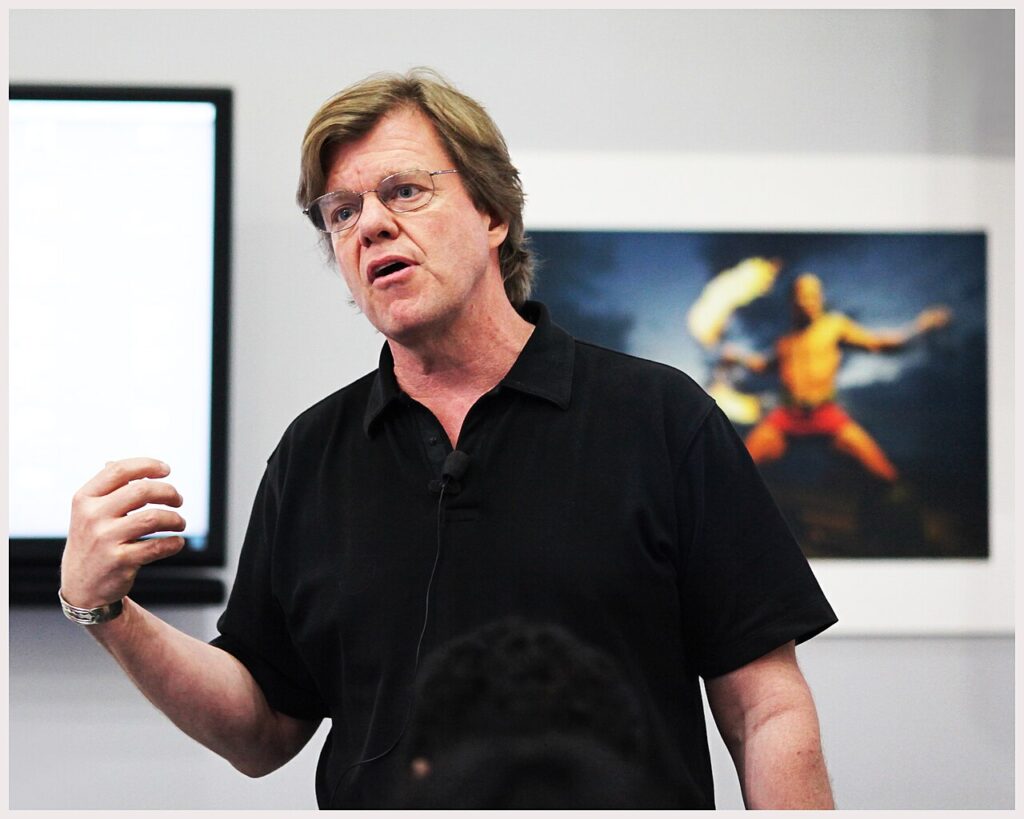
McNally was born in 1952 in Montclair, New Jersey, and studied at Syracuse University’s Newhouse School. According to Wikipedia, he served as LIFE magazine’s staff photographer from 1994 to 1998, the first in 23 years. He has also worked for National Geographic, and his 2003 story on the Wright brothers’ centennial was the magazine’s first all-digital shoot. In addition, he won four World Press Photo awards between 1996 and 2000.
However, another project shows his range. Faces of Ground Zero is a set of 246 large Polaroid portraits of 9/11 heroes, shot in a studio near Ground Zero over about three weeks. Subsequently, life-size prints toured seven cities in 2002. His books include The Moment It Clicks (2008), The Hot Shoe Diaries (2009) and Sketching Light (2011).
How the Hot Shoe Diaries is built
The book follows a simple ladder. First, it teaches the tools. Then it moves to one light, then to two or more, and finally to large setups. The publisher’s table of contents shows four parts and an appendix:
- Part One, Nuts ’n’ Bolts: what McNally uses and why, accessories, and how to hold a flash and camera.
- Part Two, One Light!: thirty chapters of single-flash setups, from a doorway to a parking lot.
- Part Three, Two or More: portraits, window light, gels and group shots.
- Part Four, Lotsa Lights: larger projects, including a backyard studio.
- Appendix: camera and flash controls, titled “What’s This Button Do?”
The front matter carries a telling title: “This Is Not the Manual.” Therefore, the book teaches by example rather than by menu. Moreover, the chapter titles show a conversational tone, for example “Make the Sunrise,” “Light as a Feather” and “80 Plus 20 Equals Good Light.” Admittedly, we cannot say what each chapter argues, but the titles show where McNally puts his attention.
Case studies: the gymnast, the alligator and the fire truck
Meanwhile, publisher pages highlight three shoots: a gymnast on the Great Wall, an alligator in a swamp and a fire truck in Times Square. The table of contents confirms matching chapters, such as “A Great Wall of Light,” “Up to Your Ass in Alligators” and “Rollin’ with Pride of Midtown.”
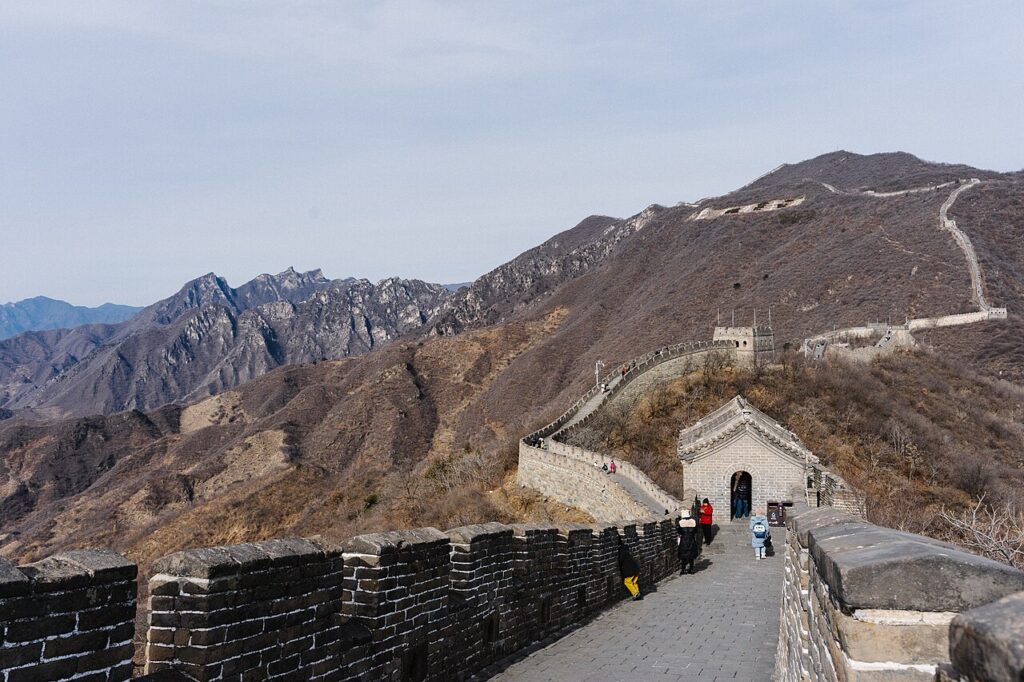
These examples show the book’s method. Indeed, each chapter starts from a real assignment, then explains the light that solved it. As a result, readers learn decisions in context, not formulas in isolation.
Small flash principles to take from the Hot Shoe Diaries
Next, the following points are general lighting principles that fit the book’s theme. They are our summary, not quotations from McNally.
- Move the flash off the camera. Direction, not power, gives a flash picture its shape.
- Soften and shape the light. A small source looks harsh, so, in practice, diffusers and modifiers matter.
- Balance flash with ambient light. Expose for the background first, then add flash to the subject.
- Build up in steps. Finally, start with one light, and add another only when the picture asks for it.
For the wider craft of light, see our essays on what photography is and our guide to Michael Freeman’s The Photographer’s Mind.
Strengths and limits
The book’s strength is its case-study format, which links every technique to a real job. Furthermore, it trains the eye to ask what light a scene needs before choosing gear. On the other hand, the book dates from 2009 and centres on Nikon Speedlights. For instance, camera menus, flash models and wireless systems have changed since then. Consequently, readers with other brands will need to translate the settings, although the lighting logic transfers.
Sources and limits
- Peachpit: publisher page with date, pages, ISBN, parts and out-of-print notice
- O’Reilly: description and full table of contents
- Wikipedia: Joe McNally (photographer)
We rewrote this article on 10 November 2026. Our research tools return summaries of web pages, so check details against the originals. Page counts differ between the print listing (336) and the e-book listing (320). Finally, we have not read the book, so we cannot assess individual chapters. Also, the earlier version of this post made general claims about small flashes that did not come from the book, and we removed them.