Joe McNally is an American photographer known for magazine assignments and for teaching light, especially flash. In addition, he worked as a LIFE staff photographer, shot stories for National Geographic, and wrote several bestselling instructional books. In short, this profile separates what his biographies confirm from the promotional language that surrounds him, and it points readers to the books that matter most.
First, a caution about sources. Two of the most accessible biographies come from Nikon and from a Syracuse University speaker page. Because McNally works with Nikon, those pages promote him. For that reason, we check them against Wikipedia and mark where figures differ.
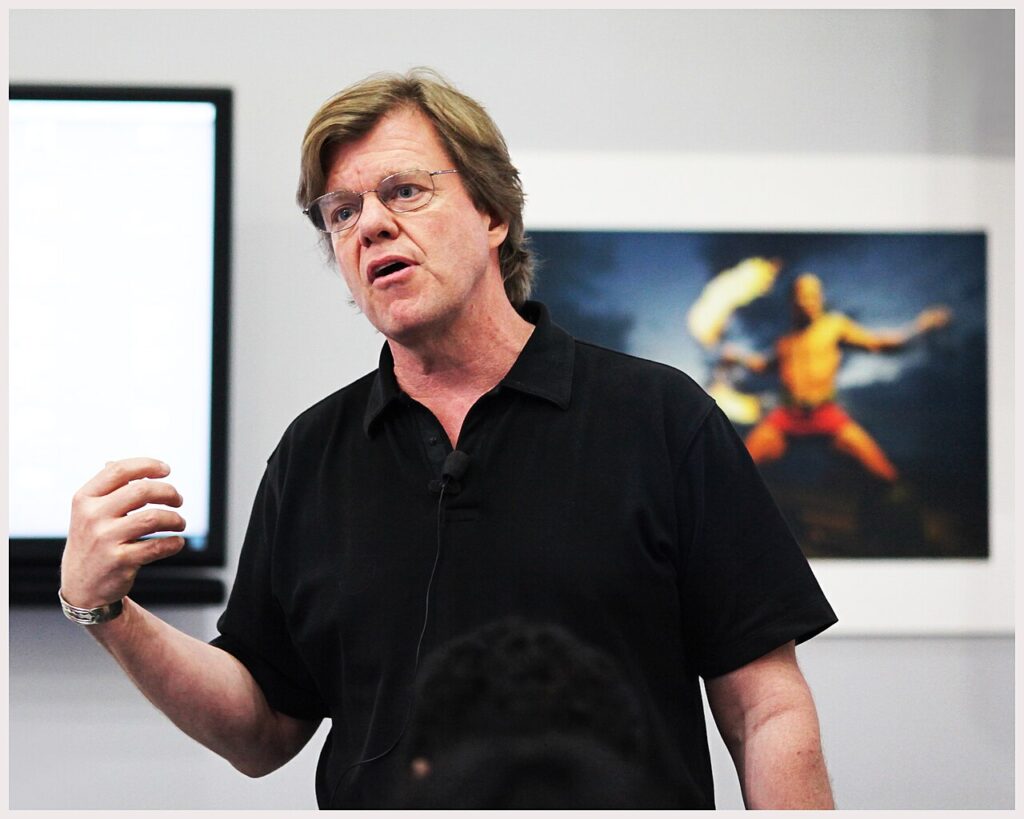
Joe McNally at a glance
| Detail | Information |
|---|---|
| Born | 1952, Montclair, New Jersey (Wikipedia) |
| Education | Syracuse University, S. I. Newhouse School (Wikipedia) |
| Magazines | LIFE staff photographer 1994–1998; National Geographic contributor; covers for Sports Illustrated, Time and others |
| Awards | Four World Press Photo awards (1996, 1997, 1998, 2000); Alfred Eisenstaedt Award, 1998 (Wikipedia) |
| Best-known project | Faces of Ground Zero, 246 Polaroid portraits (2002) |
| Brand relationship | Nikon Ambassador (Nikon’s own page) |
From LIFE to National Geographic: the career
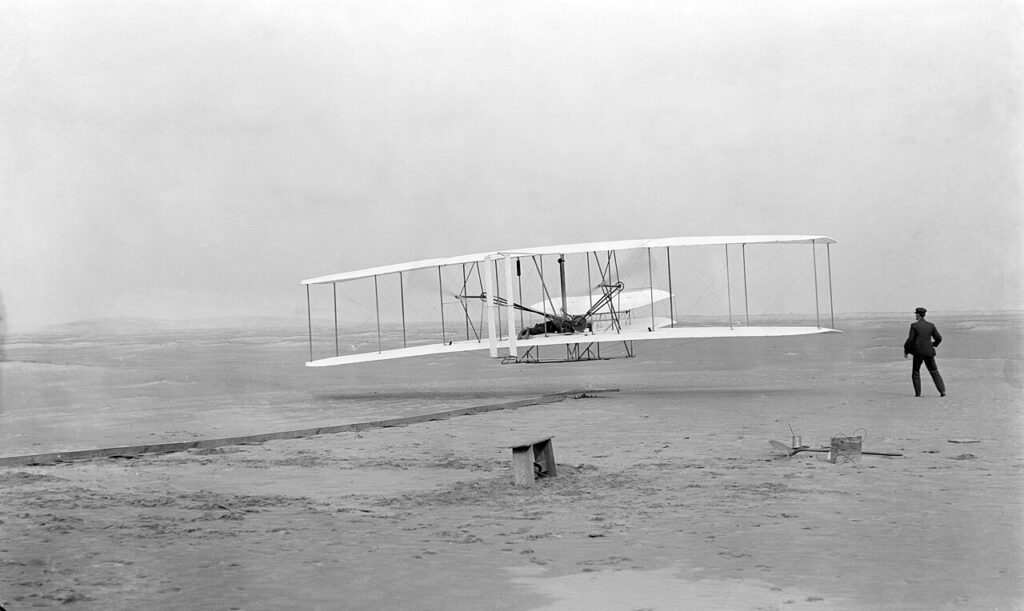
According to Wikipedia, McNally became LIFE magazine’s staff photographer in 1994, the first to hold the job in 23 years, and he stayed until 1998. He has also contributed to National Geographic for many years. For example, in 2003, his story on the Wright brothers’ centennial became the magazine’s first all-digital shoot.
Meanwhile, the promotional biographies give larger numbers. For instance, Nikon’s page speaks of more than forty years and about 35 years with National Geographic, while the Syracuse page says about thirty years and 25 years. Evidently, the two pages date from different years. Therefore, we avoid quoting a total, and we advise readers to check the date of any biography they cite.
Faces of Ground Zero
In 2002, McNally published Faces of Ground Zero, a set of 246 large Polaroid portraits of 9/11 heroes. According to Wikipedia, he shot them in a studio near Ground Zero over about three weeks. Afterwards, life-size prints toured seven cities. Moreover, the project shows a different side of his work: patient portraiture rather than action coverage.
Joe McNally’s books
First, Wikipedia lists five titles. In addition, other biographies add a guide to digital photography and an instructional DVD.
- Faces of Ground Zero (2002)
- The Moment It Clicks (2008)
- The Hot Shoe Diaries (2009), which we cover in a separate guide
- Sketching Light (2011)
- The Real Deal (2022)
- Guide to Digital Photography and the DVD The Language of Light (named on the Nikon and Syracuse pages)
Both Nikon’s page and the Syracuse page say that The Moment It Clicks and The Hot Shoe Diaries reached Amazon’s top-ten bestseller lists. However, we could not confirm this independently, so treat it as the claim of those pages.
Joe McNally and small-flash lighting
Above all, McNally is most associated with small, portable flashes. For example, his book The Hot Shoe Diaries teaches this through case studies, and the publisher presents it as a guide to Nikon Speedlights. However, his approach does not depend on one brand. Overall, the core idea, that a small source can look big when you move, shape and combine it, applies to any flash system.
Finally, readers who want the thinking behind such choices can pair his books with our guide to Michael Freeman’s The Photographer’s Mind, which asks why photographers decide as they do.
Sources and limits
- Wikipedia: Joe McNally (photographer)
- Nikon USA: Joe McNally (promotional)
- Syracuse University Newhouse Military: speaker biography
- Peachpit: The Hot Shoe Diaries
- O’Reilly: The Hot Shoe Diaries, table of contents
We rewrote this article on 10 November 2026. Our research tools return summaries of web pages, so check details against the originals. Also, we did not read the books or interview McNally. Finally, the earlier version of this post called him a “wizard” and listed techniques and gear that we could not trace to any source, so we removed them.