Street photography travel looks simple: you walk, you watch and you press the shutter. However, the rules change at every border, and a gesture that is routine in one country can cause trouble in another. This guide compares what four official or professional sources say about photographing strangers in the United States, the United Kingdom, France and Germany, and it adds practical habits for the road.
We removed the earlier version’s long passages on “soul,” “serendipity” and gear, because we could not check them. What remains rests on sources, so you can plan a trip with clearer expectations. This is general information, not legal advice, and laws change.
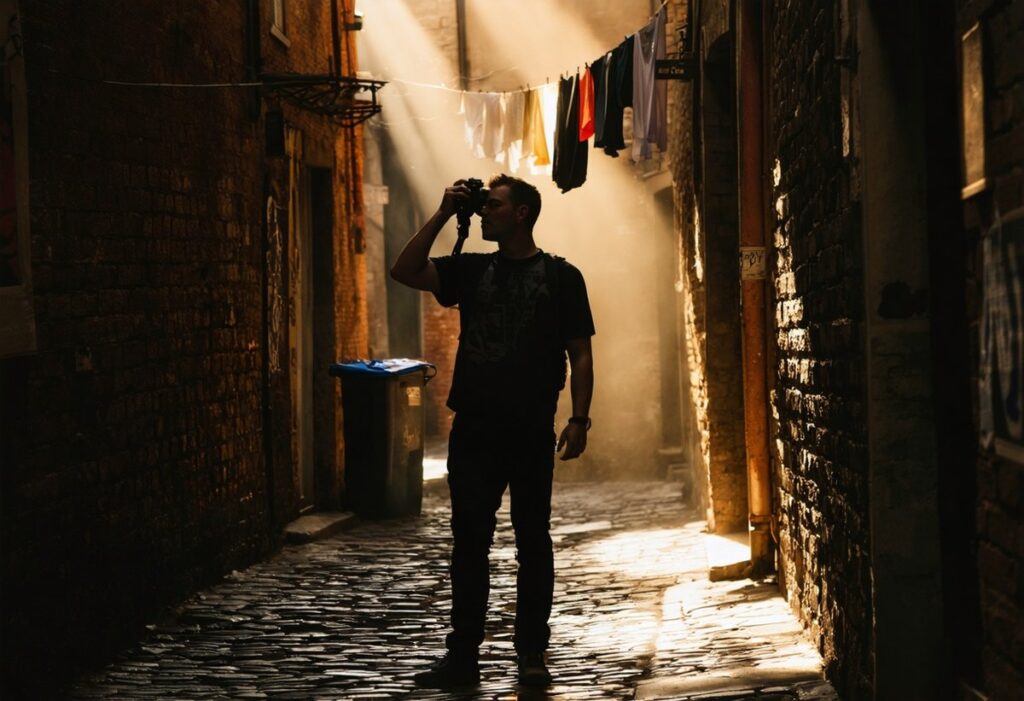
Street photography travel at a glance
| Country | Taking the picture | Publishing the picture | Source |
|---|---|---|---|
| United States | The law protects things plainly visible in public | Not covered by the source we read | ACLU |
| United Kingdom | Generally legal; no general law requires consent | Separate issue: data protection, privacy, defamation, commercial use | NCPF, Press Gazette |
| France | Allowed in public; privacy law protects private places | Consent needed if one person is isolated and recognisable; exceptions for street scenes and artistic freedom | Service-Public |
| Germany | GDPR applies to identifiable people; household exemption is narrow | KUG exceptions for contemporary history, incidental persons and assemblies | Baden-Württemberg data protection authority |
In short, taking a picture and publishing it follow different rules almost everywhere. Therefore, you can usually shoot first and think about publication later. The sections below give the detail.
The decisive moment: where travel street work comes from
Henri Cartier-Bresson’s book Images à la sauvette appeared in October 1952 from the publisher Tériade, with a cover by Henri Matisse. It collected 126 photographs from his first twenty years of work, according to Phototrend. The American edition carried the title The Decisive Moment, which spread the idea of the “instant décisif” well beyond France. In 2025, the Fondation Henri Cartier-Bresson reissued the book with a study by its director, Clément Chéroux.
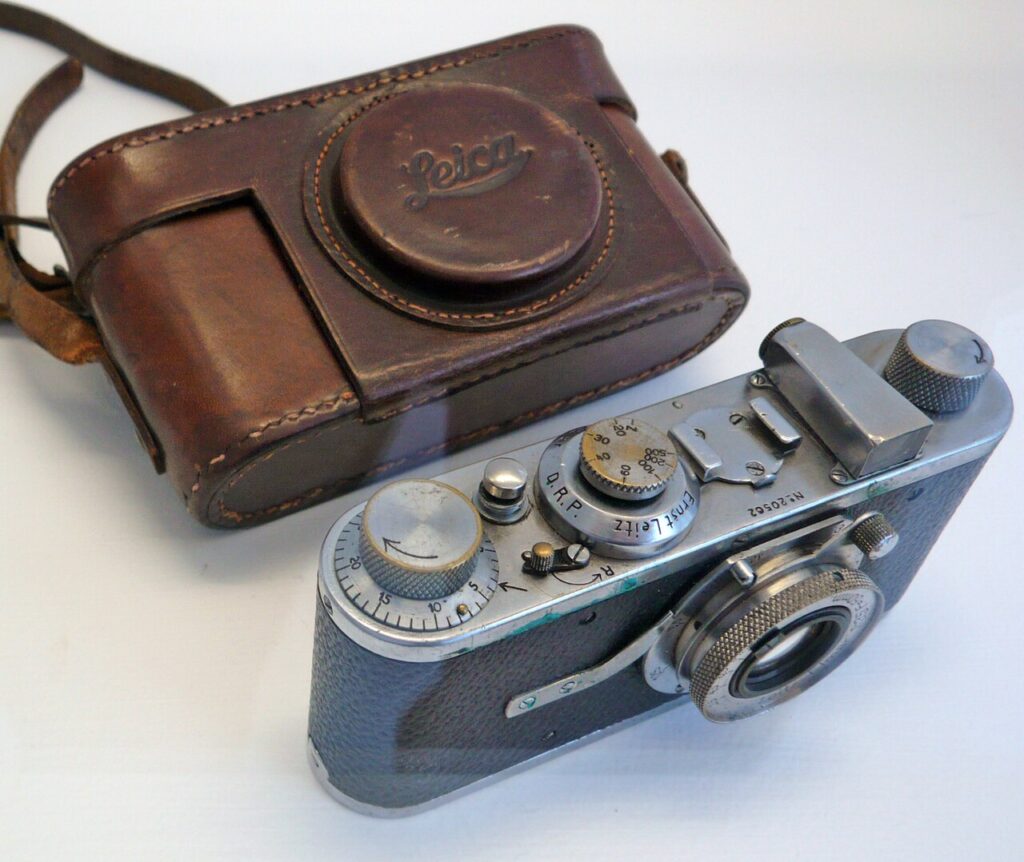
Cartier-Bresson worked with a small Leica and walked many countries, so his example still shapes street photography travel today. Nevertheless, he worked under different laws and a different media world. A photograph then rarely reached millions of strangers within hours, whereas today a single post can.
United States: photograph what is plainly visible
The ACLU states that taking photographs and video of things plainly visible in public spaces is a constitutional right. Its page names transportation facilities, the outside of federal buildings and officials doing their jobs. However, the same page says that some officers have asked photographers to stop, and some people who refused faced harassment, detention or arrest.
The ACLU page we read does not cover private property, the interior of government buildings, deleting images or commercial use. Consequently, check those points separately before you rely on this summary, and remember that rules differ from state to state.
United Kingdom: lawful in principle, confused in practice
The National Council for the Protection of Freelance Photographers (NCPF) says it is generally legal to photograph people in public places without permission and that no general law requires consent. Places with a reasonable expectation of privacy, such as toilets, changing rooms and private homes, are different. In addition, harassment, stalking and voyeurism are crimes, and some military or national security sites have special restrictions.

In August 2026, a Home Office booklet for asylum seekers, Understanding behaviours and expectations in the UK, said people should not take photographs or videos of someone without consent. The National Union of Journalists called the guidance misleading and asked the government to amend it. A Home Office spokesperson answered that it expects everyone who comes to the UK to obey UK law. Press Gazette reported no correction when it published its story on 25 August 2026, so check the current state of the booklet yourself.
Street photography travel in France: publication is the sensitive step
The official Service-Public guide on image rights says that publishing a recognisable adult’s image needs written consent, and that a person who allowed a photo has not agreed to its publication. In a public place, you need consent when the person stands alone in the frame and others can recognise them. By contrast, the guide lists exceptions where the right to one’s image gives way to information, expression and artistic freedom, provided the use respects dignity and stays non-commercial. These include a street scene or a group in a public place where the photo does not single anyone out.

The guide also lists criminal penalties. For instance, photographing a person in a private place without consent, or transmitting that image, carries up to one year in prison and a fine of 45,000 euros. The page adds that a person can ask the author, then the website or network, to remove an image. For minors, it requires written parental consent for publication by a third party. Because the page says its authors are updating it, read the current version before you rely on it.
Germany: GDPR first, then the KUG
A German data protection authority (Baden-Württemberg) explains that any photo of an identifiable person is personal data under the GDPR. The household exemption covers purely personal or family use, but the authority reads it narrowly, and publishing on a freely accessible website brings the GDPR into play. The older Kunsturhebergesetz (KUG) still matters, and its § 23 allows publication without consent for contemporary history, for people who appear only as incidental to a place, and for assemblies and similar events.
Experts dispute whether the KUG survives next to the GDPR, although the authority says the practical difference is small. Moreover, individuals can object to publication under Article 21 GDPR. The FAQ does not address artistic photography specifically, so a travelling street photographer should treat publication in Germany with extra care.
Street photography travel: practical habits
The following suggestions are our own judgment, not legal rules. Even so, they follow from the sources above:
- Read the local rules before you fly, and remember that “legal to take” does not mean “legal to publish.”
- Frame wider when you can. A street scene with no one singled out is the safest case in the French guide and the German KUG exceptions.
- Ask before you publish a close portrait, and delete the image if the person says no.
- Avoid photographing children without their parents’ agreement, because French rules require parental consent for publication.
- Stay out of private places and leave restricted sites alone. Moreover, put the camera down when someone becomes uncomfortable.
- Carry a short explanation in the local language, and stay calm if an officer asks you to stop.
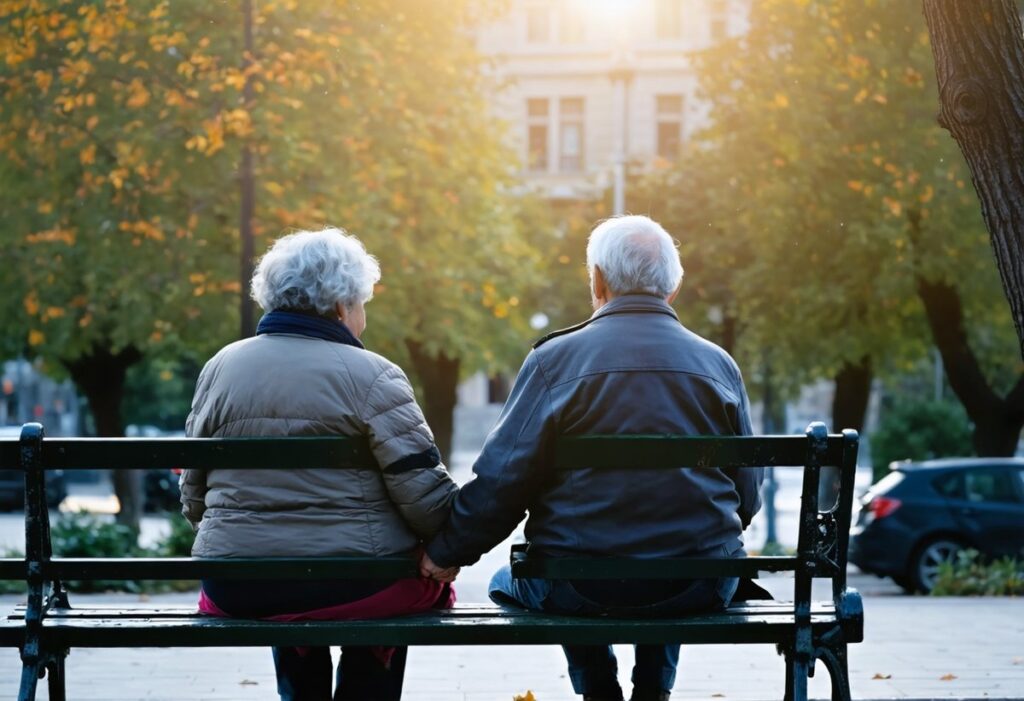
Street photography travel and ethics beyond the law
The law sets a floor, not a standard. A tourist who photographs a local market vendor is rarely breaking a rule, yet the vendor may still feel used. For that reason, many photographers talk to people first, buy something at the stall or share a print. Photographing people from behind or in groups can also reduce the problem, as in the bench image above.
Our related articles discuss documentary photography, post-documentary photography and cinematic street photography, which show how the ethics and the style of street work connect.
Sources and limits
- ACLU: Photographers’ Rights
- Service-Public (France): Droit à l’image et respect de la vie privée
- NCPF: Street Photography Legality (8 September 2026)
- Press Gazette: NUJ slams misleading Home Office booklet (25 August 2026)
- Baden-Württemberg data protection authority: FAQ on photography and data protection
- Phototrend: Images à la sauvette, reissue
We rewrote this article on 10 November 2026. Our research tools return summaries, so we did not read the full legal texts, and none of these sources replaces a lawyer. We covered only four jurisdictions, and local rules, city by-laws and sacred or military sites can differ. The German FAQ dates from 2018, and the Service-Public page says its authors are updating it. The three people illustrations are AI-generated, as their captions say.