Crafty Clicks: Vintage & DIY Lenses for Unique Photos
Hey there, shutterbugs! Always on the hunt for ways to make your photography truly stand out? Dive into the enchanting world of Crafty Clicks, where vintage and DIY camera lenses transform ordinary shots into extraordinary visual stories. Whether you’re a seasoned pro or a budding hobbyist, these unique lenses add a sprinkle of magic to your photos. So grab your camera, and let’s explore how to snap some captivating images with a touch of old-school charm and creativity.
Discover the Charm of Vintage & DIY Camera Lenses
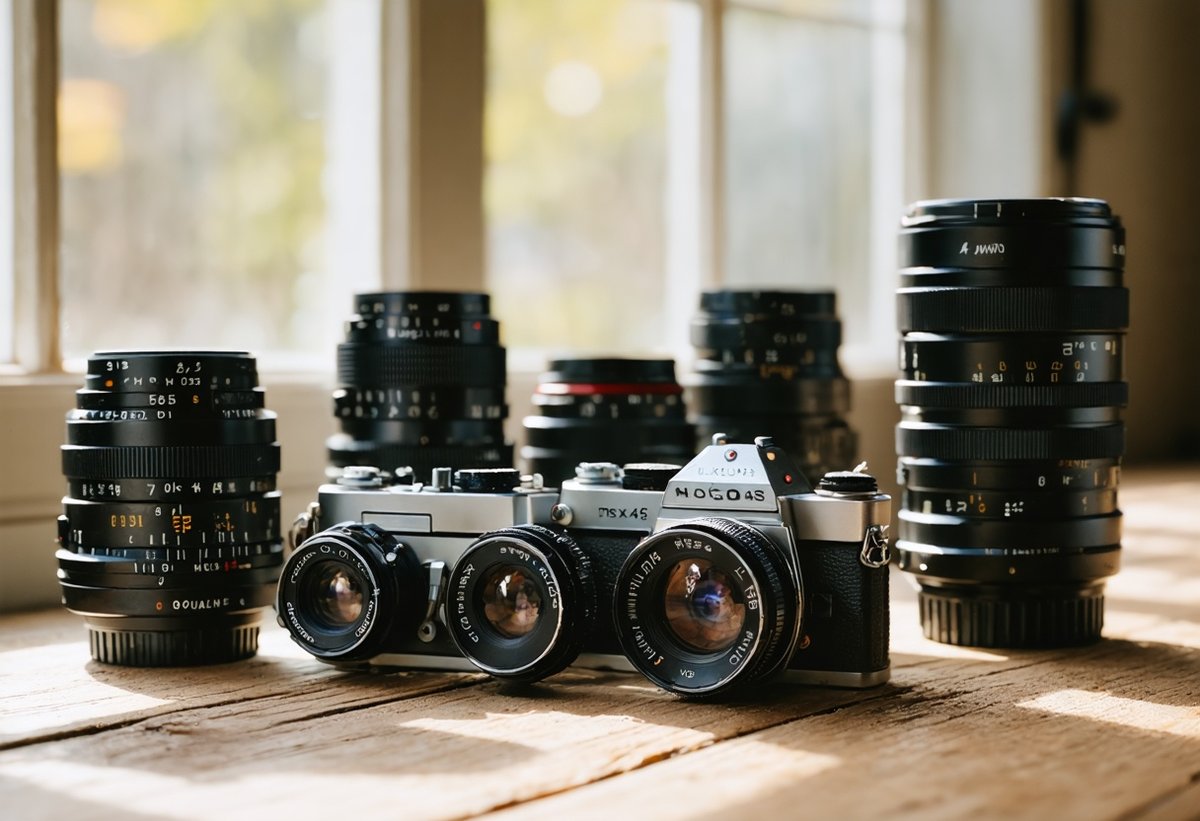
There’s something undeniably nostalgic about vintage camera lenses that modern equipment just can’t replicate. These retro beauties bring a distinctive character to your photos, often with subtle imperfections like soft focus, vignetting, or a touch of chromatic aberration. Far from drawbacks, these quirks add an emotive and artistic flair to your work. Imagine capturing a sunlit landscape with a dreamlike haze or snapping a portrait that looks like it stepped out of a forgotten era. Vintage lenses let you do just that, making each click of the shutter feel like a trip back in time.
Now, let’s talk about DIY lenses. Yes, you read that right—do-it-yourself! Crafting your own lenses from thrift store finds or household items can bring a whole new dimension to your photography. Picture this: a lens fashioned from a plastic magnifier or a repurposed piece of vintage glass. These unconventional lenses offer unpredictable and unique results, pushing the boundaries of traditional photography. Not only do they encourage thinking outside the box, but they also allow for personalization and experimentation that’s just plain fun. Plus, who wouldn’t want to brag about a photo taken with a lens they made themselves?
The History and Appeal of Vintage Glass
Vintage lenses carry decades of photographic heritage in their optical design. From classic Zeiss glass to Soviet-era Helios lenses, each piece tells a story through its unique rendering characteristics. The Getty Museum’s photography collection features countless images captured with these legendary lenses, showcasing their timeless appeal and distinctive aesthetic qualities.
What makes vintage lenses particularly appealing is their manual construction. Without modern autofocus systems or electronic corrections, these lenses force you to slow down and engage more thoughtfully with your craft. This deliberate approach to photography can be incredibly rewarding, helping you develop a deeper understanding of composition, light, and focus. Many photographers find that using vintage glass reconnects them with the fundamental principles of image-making, stripping away digital distractions to focus on pure visual storytelling.
The optical characteristics of vintage lenses also create a distinct look that’s difficult to replicate with modern glass or digital filters. The swirly bokeh of a Helios 44-2, the creamy rendering of a Takumar 50mm f/1.4, or the distinctive color palette of early Leica lenses—these qualities have become sought-after aesthetic choices for contemporary photographers. Whether you’re shooting portrait photography or capturing urban landscapes, vintage lenses offer a palette of creative possibilities that stand apart from the clinical sharpness of modern optics.

How Crafty Clicks Can Transform Your Photography Game
Crafty Clicks isn’t just about slapping an old lens onto your modern camera and hoping for the best. It’s a creative journey that can rejuvenate your passion for photography. By incorporating vintage and DIY lenses into your gear, you’re essentially adding a new set of brushes to your artistic toolkit. These lenses invite you to rethink composition, light, and subject matter, often leading to serendipitous moments and happy accidents that can elevate your work from good to unforgettable. It’s all about embracing the unexpected and letting go of the pursuit of perfection.
The beauty of working with unconventional lenses lies in their ability to break you out of creative ruts. When you’re forced to work within the constraints of manual focus, fixed apertures, or optical quirks, you begin to see the world differently. Suddenly, that perfectly sharp corner-to-corner modern lens seems almost too predictable. The soft edges, light leaks, and unexpected flares from vintage or DIY lenses can add layers of meaning and emotion to your images that polished perfection simply cannot achieve.
Moreover, Crafty Clicks offers a fantastic way to engage with a community of like-minded photo enthusiasts. Countless forums, social media groups, and workshops are dedicated to the art of using these unique lenses. Organizations like the Royal Photographic Society have embraced alternative photographic processes and experimental techniques as legitimate artistic expressions. Sharing your experiences, tips, and the occasional mishap can be incredibly rewarding. You’ll find inspiration in others’ work and maybe even collaborate on projects that push the creative envelope. At its core, Crafty Clicks is more than just a technique; it’s a vibrant, supportive community that thrives on shared passion and innovation.
Adapting Vintage Lenses to Modern Cameras
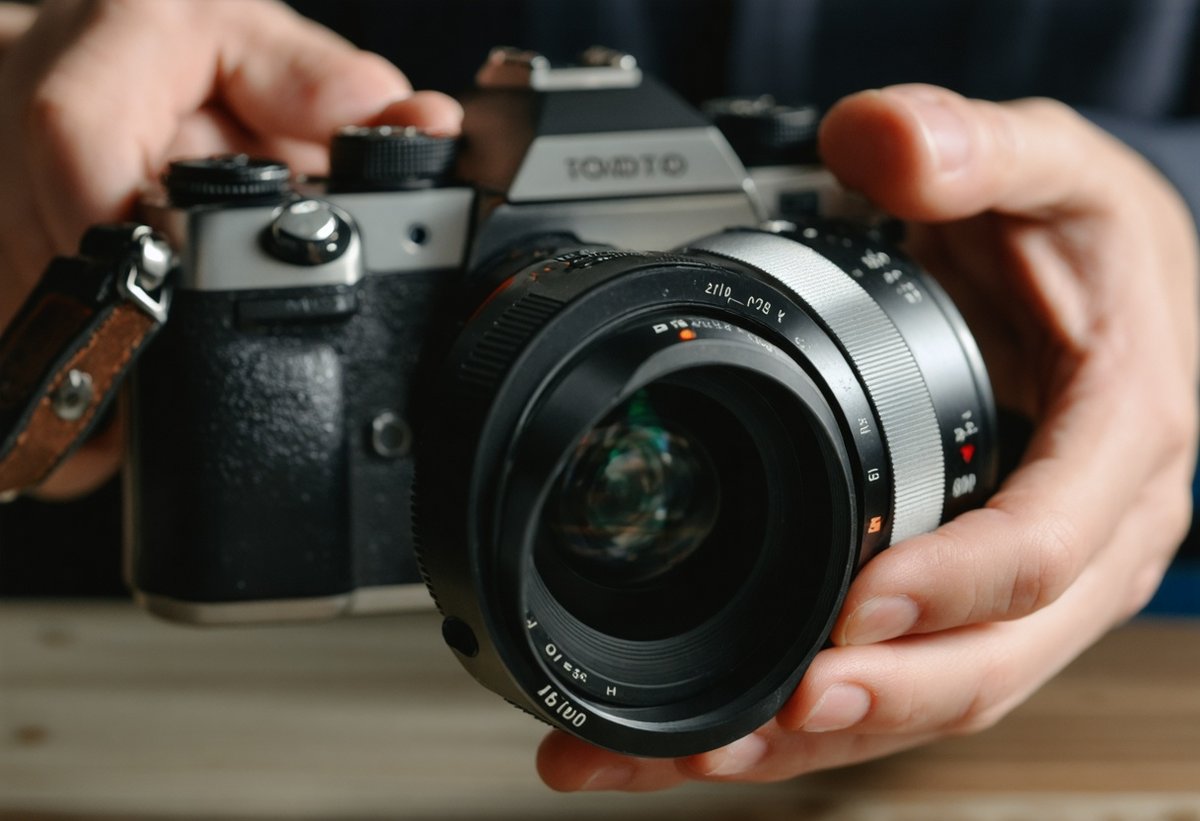
One of the most exciting aspects of vintage lens photography is the accessibility of adaptation. Thanks to the mirrorless camera revolution, attaching virtually any vintage lens to a modern camera body has become remarkably simple. All you need is the appropriate adapter ring that matches your lens mount to your camera body. Popular combinations include M42 screw-mount lenses on Sony E-mount cameras, Canon FD lenses on Fujifilm X-mount bodies, or Nikon F-mount glass on virtually any mirrorless system.
When shopping for adapters, invest in quality metal adapters rather than cheap plastic alternatives. A well-made adapter ensures proper lens alignment and maintains the correct flange distance, which is crucial for achieving sharp focus at infinity. Some adapters even include built-in aperture control for lenses that lack aperture rings, or tilt-shift capabilities for creative perspective control. The investment in a good adapter is minimal compared to the world of creative possibilities it unlocks.
It’s worth noting that adapted vintage lenses typically require full manual operation. You’ll need to focus manually, set aperture manually, and your camera won’t record lens data in your image metadata. However, many modern mirrorless cameras offer focus peaking, magnification, and other aids that make manual focusing surprisingly easy and accurate. These features, combined with the electronic viewfinder’s ability to preview exposure in real-time, actually make shooting with vintage lenses more intuitive than it ever was with film cameras.
Get Creative: Tips for Using Unique Photo Lenses
Ready to dive into the quirky world of vintage and DIY lenses? Start with some basic experimentation. Attach your vintage lens and explore its manual settings—play with focus, aperture, and shutter speed to see how each tweak changes your image. Embrace the imperfections. Those slightly blurred edges or unexpected light flares? They’re not mistakes; they’re part of the charm. For DIY lenses, consider starting simple. Use a magnifying glass or even a small piece of tinted glass from an old picture frame. The key is to experiment and have fun with it; the results might surprise you.
Another pro tip: pay special attention to your lighting. Vintage lenses, in particular, often handle light differently than modern ones. Natural light can bring out the best in these lenses, adding a soft, ethereal quality to your photos. Morning and evening light, with its warm tones and long shadows, can be especially magical—a technique that works beautifully for golden hour photography. For DIY lenses, try shooting in various lighting conditions to understand how your creation interacts with different light sources. The unpredictability is half the fun and can lead to some truly unique shots. Remember, the goal here isn’t just to capture a moment, but to create an unforgettable visual story.
DIY Lens Projects to Try at Home
Creating your own DIY lens doesn’t require advanced technical skills or expensive materials. One of the simplest projects is the “freelensing” technique, where you detach your regular lens and hold it slightly away from the camera body at various angles. This creates a tilt-shift effect with selective focus planes and beautiful light leaks. It takes practice to master, but the dreamy, ethereal results are worth the effort.
For a more structured DIY approach, try creating a lens from a magnifying glass. Purchase an inexpensive magnifying glass from a dollar store, remove the glass element, and mount it to a body cap with a hole drilled in the center. Secure it with epoxy or strong tape, and you’ve created a simple single-element lens that produces soft, dreamlike images with unique aberrations. This technique shares similarities with pinhole photography in its embrace of optical imperfection as an artistic choice.
Another fascinating DIY project involves creating a bokeh filter. Cut shapes into black cardstock—hearts, stars, or custom designs—and attach the filter to the front of your lens. When shooting with a wide aperture, out-of-focus highlights will take on the shape of your cutout, creating whimsical and personalized bokeh effects. This simple modification can transform ordinary backgrounds into magical, story-enhancing elements. The Museum of Modern Art’s photography department has documented various experimental photographic techniques throughout history, showing how innovation and playfulness have always been part of the medium’s evolution.
Best Vintage Lenses for Beginners
If you’re new to vintage lens photography, starting with the right glass can make all the difference. The Canon FD 50mm f/1.8 is an excellent entry point—it’s affordable, widely available, and produces beautiful images with pleasant bokeh and good sharpness. Similarly, the Pentax SMC Takumar 50mm f/1.4 offers exceptional optical quality and a distinctive rendering that’s become beloved by portrait photographers.
For those seeking more character, the Helios 44-2 58mm f/2 is legendary for its swirly bokeh effect, created by its unique optical design. This Soviet-era lens is incredibly affordable and produces images with a dreamy, almost painterly quality. The Olympus OM Zuiko 50mm f/1.8 is another fantastic choice, known for its compact size, excellent build quality, and neutral color rendering that works well for various photography styles.
Don’t overlook M42 screw-mount lenses from various manufacturers—these are among the most adaptable vintage lenses and offer tremendous variety in focal lengths and optical characteristics. Brands like Zeiss, Meyer-Optik, and Pentax produced exceptional M42 glass that remains highly regarded today. Start with a standard 50mm lens to learn the basics of manual focus and aperture control, then expand your collection based on your specific creative interests and shooting style.
Overcoming Common Challenges with Vintage Glass
Working with vintage lenses comes with unique challenges that require patience and practice to overcome. Manual focusing is perhaps the most significant adjustment for photographers accustomed to modern autofocus systems. The key is to slow down and use your camera’s focus aids—focus peaking highlights in-focus areas with colored outlines, while magnification allows you to zoom in on critical focus points. With practice, manual focusing becomes intuitive and can actually improve your overall photographic awareness.
Another common challenge is dealing with lens condition issues. Vintage lenses may have dust, fungus, haze, or scratches that affect image quality. While minor dust rarely impacts images, fungus and haze can significantly reduce contrast and sharpness. When purchasing vintage lenses, carefully inspect the glass elements using a bright light. Small amounts of dust are acceptable, but avoid lenses with visible fungus threads or significant haze. Many vintage lenses can be professionally cleaned, but factor this cost into your purchase decision.
Exposure metering with vintage lenses requires understanding your camera’s metering modes. Most modern cameras default to stop-down metering, which meters light through the lens at the selected aperture. This works well, but be aware that changing aperture will affect your exposure, requiring you to adjust shutter speed or ISO accordingly. Some photographers prefer to shoot in aperture priority or manual mode, using the camera’s exposure compensation to fine-tune results based on the lens’s particular characteristics.
Developing Your Unique Visual Style
One of the most rewarding aspects of working with vintage and DIY lenses is how they can help you develop a distinctive visual style. The optical characteristics of these lenses—their particular rendering of color, contrast, bokeh, and sharpness—become part of your photographic signature. Unlike the homogenized look of modern lenses with their computer-optimized designs, vintage glass offers individuality and character that can set your work apart.
Consider how different lenses complement different subjects and moods. A soft-focus lens might be perfect for romantic portraits or ethereal landscapes, while a lens with strong contrast and defined edges could suit architectural photography or street scenes. Experiment with various lenses across different genres to discover which combinations resonate with your creative vision. This exploration is similar to how photographers develop their personal aesthetic through intentional choices about gear, subject matter, and post-processing.
Don’t be afraid to embrace the “flaws” that vintage and DIY lenses introduce. Vignetting, chromatic aberration, and soft corners aren’t necessarily problems to be corrected—they’re creative tools that can enhance mood and direct viewer attention. The key is using these characteristics intentionally, understanding how they affect your images and leveraging them to strengthen your visual storytelling. Over time, these optical quirks become part of your recognizable style, making your work immediately identifiable to your audience.
Caring for and Maintaining Vintage Lenses
Proper care and maintenance will ensure your vintage lenses continue producing beautiful images for years to come. Store lenses in a cool, dry environment with low humidity to prevent fungus growth. Silica gel packets in your camera bag or storage container help absorb excess moisture. If you live in a humid climate, consider investing in a dry cabinet specifically designed for camera equipment storage.
Regular cleaning is essential but should be done carefully to avoid damaging delicate lens coatings. Use a rocket blower to remove loose dust before touching the glass with anything. For fingerprints or smudges, use lens cleaning solution specifically designed for camera optics and high-quality microfiber cloths. Clean in gentle circular motions from the center outward, never applying excessive pressure. For stubborn spots, it’s better to seek professional cleaning than risk damaging the lens yourself.
Pay attention to the mechanical condition of your vintage lenses as well. Aperture blades should move smoothly without sticking, and focus rings should turn with appropriate resistance—not too loose or too tight. If you notice grinding sounds, sticky aperture blades, or focus rings that bind, these issues typically require professional service. Many camera repair shops specialize in vintage lens maintenance and can restore lenses to excellent working condition. Investing in proper maintenance protects your investment and ensures consistent image quality.
The Economics of Vintage Lens Photography
One of the most appealing aspects of vintage lens photography is its accessibility from a financial perspective. While modern high-quality lenses can cost thousands of dollars, excellent vintage glass can often be found for under $100. This democratization of quality optics allows photographers at any budget level to experiment with different focal lengths, apertures, and optical characteristics without breaking the bank.
The secondary market for vintage lenses is robust, with options ranging from online marketplaces to local thrift stores and estate sales. Online platforms like eBay, KEH Camera, and specialized vintage camera retailers offer graded lenses with return policies, providing some buyer protection. Local options like flea markets and estate sales can yield amazing finds at bargain prices, though they require more knowledge to assess lens condition accurately. Given recent discussions about rising camera equipment costs, vintage lenses offer an economical alternative for expanding your creative toolkit.
It’s worth noting that some vintage lenses have appreciated significantly in value as their unique characteristics have gained recognition. Certain Leica, Zeiss, and specialty lenses now command premium prices. However, countless excellent lenses remain affordable, particularly from brands like Pentax, Minolta, Olympus, and Soviet manufacturers. The key is researching which lenses offer the characteristics you’re seeking and being patient in your search for good deals. Building a vintage lens collection over time can be both financially sensible and creatively rewarding.
Inspiration from the Vintage Lens Community
The vintage lens photography community is vibrant, welcoming, and eager to share knowledge and inspiration. Social media platforms host numerous groups dedicated to specific lens brands, mounts, or optical characteristics. These communities offer invaluable resources for identifying lenses, troubleshooting issues, and discovering new creative possibilities. Members regularly share sample images, technical information, and adaptation tips that can accelerate your learning curve significantly.
Photography forums and websites dedicated to vintage gear provide deep dives into specific lenses, including detailed reviews, sample galleries, and historical information. Understanding a lens’s original design purpose and historical context can inform how you use it creatively. For instance, knowing that a particular lens was designed for cinema work might explain its smooth focus ring and unique bokeh characteristics, suggesting applications in video or portrait photography.
Consider participating in photo challenges or projects focused on vintage lens photography. Many online communities organize monthly themes or competitions that encourage experimentation and provide constructive feedback. Engaging with these activities not only improves your technical skills but also connects you with photographers worldwide who share your passion for alternative photographic approaches. The International Center of Photography regularly features exhibitions and programs exploring both historical and contemporary photographic practices, including experimental techniques and alternative processes.
Embracing the Imperfect and Unexpected
So there you have it, folks—an invitation to step off the beaten path and explore the fascinating world of Crafty Clicks. Vintage and DIY lenses offer not just a new way to capture images but a whole new way to see the world. Each frame becomes an adventure, each shot a little piece of art with its own story to tell. So why stick to the ordinary when you can dive into the extraordinary? Dust off that old lens, whip up a DIY creation, and let your creativity run wild.
The beauty of this approach to photography lies in its rejection of technical perfection in favor of emotional authenticity. While modern lenses strive for clinical sharpness and color accuracy, vintage and DIY lenses embrace the quirks and imperfections that make images feel human and alive. These optical characteristics—once considered flaws—have become sought-after aesthetic choices that distinguish thoughtful, artistic photography from technically competent but soulless images.
As you embark on your vintage lens journey, remember that the goal isn’t to replace your modern gear entirely but to expand your creative palette. Different tools serve different purposes, and having both contemporary and vintage options allows you to choose the right tool for each creative vision. Some projects demand the precision and reliability of modern autofocus lenses, while others come alive with the character and unpredictability of vintage glass. The wisdom lies in knowing when to use each approach and having the skills to execute your vision regardless of the tools at hand. Happy snapping!