Enchanted Frames: Capturing Christmas Magic Perfectly
The holiday season is a time when joy sparkles in the air, and magic weaves through every street, window, and heart. For photographers, this season offers a unique opportunity to capture the enchantment that infuses everything with an otherworldly glow. Christmas photography goes beyond simple documentation—it’s about preserving the emotional resonance of traditions, the warmth of human connection, and the ethereal quality of winter light that transforms ordinary scenes into extraordinary memories.
From discovering perfect scenes to the artful dance of light and shadow, each frame tells a story of wonder and delight. Whether you’re a seasoned professional or an enthusiastic amateur, mastering the art of holiday photography requires technical skill, creative vision, and an understanding of what makes this season so visually compelling. This comprehensive guide delves into the techniques, approaches, and mindset needed to create Christmas photographs that resonate long after the decorations are packed away.
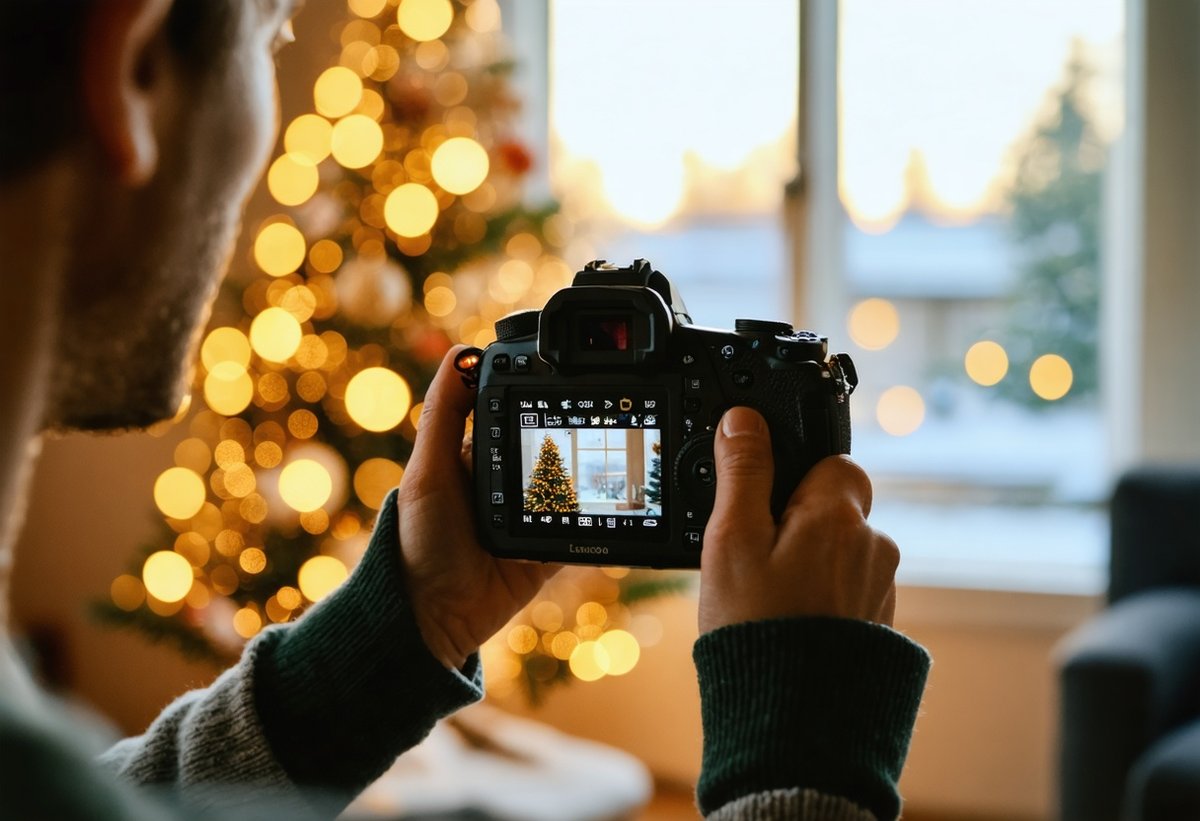
Discovering the Wonder in Holiday Photography
The allure of holiday photography lies in its unparalleled ability to capture the spirit of a season filled with love, generosity, and nostalgia. Each photograph serves as a timeless keepsake, encapsulating cherished moments and the warmth of shared traditions. For photographers, it’s a pursuit of aesthetic beauty and emotional depth, seeking to conjure images that resonate long after the decorations are packed away.
Holiday lights cast a golden glow over snow-laden streets, while a family’s laughter echoes in a quiet room as they decorate a tree. These fleeting moments, though temporary, can be eternally preserved through the deftness of a camera lens. The challenge lies not only in capturing the visual splendor but also in conveying the palpable joy and wonder that define the season—a skill that draws from the same emotional authenticity found in documentary photography, where genuine moments trump staged perfection.
This search for wonder often begins long before the first snowfall. Photographers meticulously plan projects, scout locations, and envision shots that encapsulate the quintessential Christmas spirit. They harness technical skill, creativity, and an intuitive understanding of emotion to prepare for those perfect moments when all elements align. The preparation mirrors the anticipation of the season itself—thoughtful, intentional, and filled with possibility.
The Enchantment Begins: A Photographer’s Tale
Every photographer has a story—a journey filled with serendipity and passion—that leads them to holiday photography. For many, it begins with childhood memories of Christmas, filled with twinkling lights, the scent of pine, and the warmth of family gatherings. These memories shape their artistic vision, infusing each photograph with a personal touch of nostalgia and magic.
The journey into Christmas imagery often starts with a spark of inspiration: perhaps a vintage Christmas card or a moment of awe at a bustling holiday market. This initial enchantment propels them to explore more deeply, pushing creative boundaries to capture the season’s unique essence. They embrace their surroundings, finding beauty in simplicity and joy in spontaneity.
A photographer’s journey is marked by myriad experiences—both planned and unexpected. From bustling cityscapes adorned with glittering decorations to tranquil countryside scenes blanketed in snow, each setting provides a new canvas. Their tale is one of constant evolution as they experiment with techniques, styles, and perspectives, continually refining their craft. This evolution reflects the broader journey of developing a personal aesthetic that distinguishes their work from countless other holiday images.
Essential Equipment for Christmas Photography
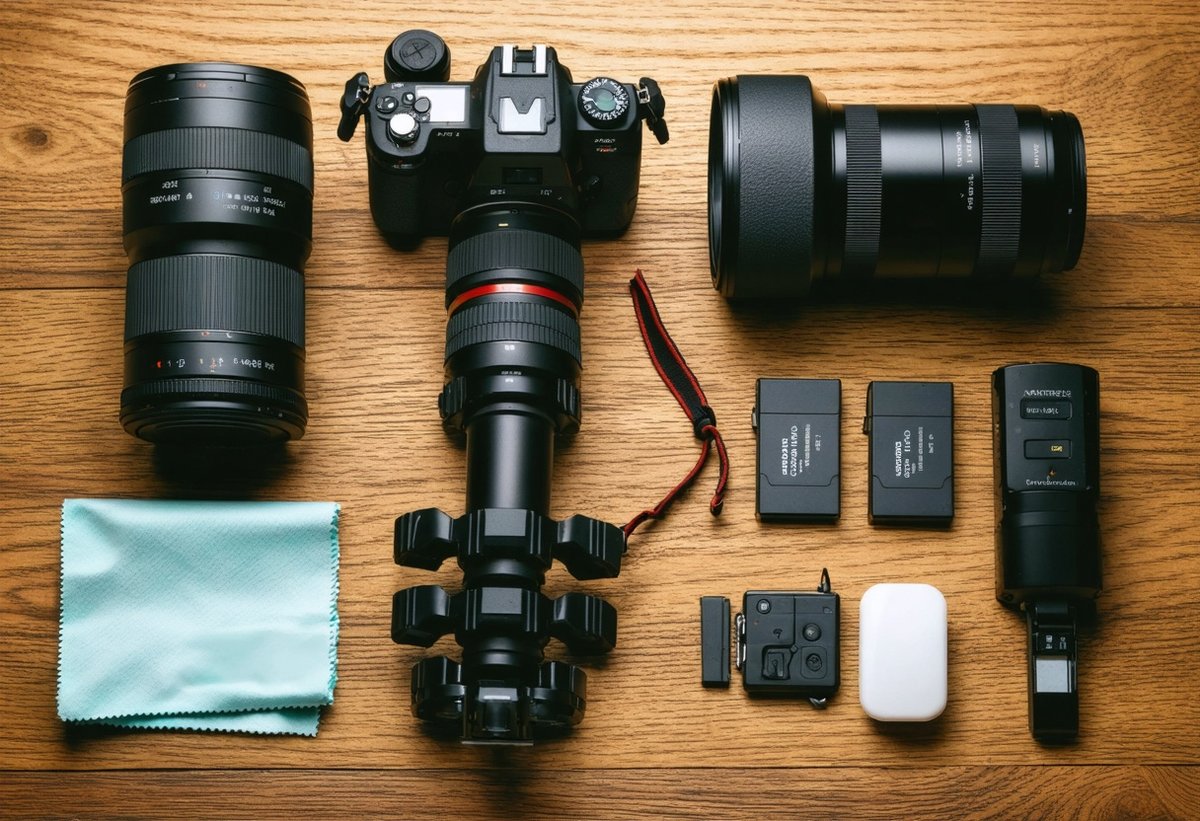
Before venturing into the winter wonderland, understanding your equipment is crucial. Christmas photography presents unique challenges—low light conditions, high contrast between bright decorations and dark backgrounds, and often unpredictable weather conditions that demand preparation.
Camera and Lens Selection
While any camera can capture holiday moments, certain features prove invaluable during Christmas photography. A camera with strong low-light performance and high ISO capabilities allows you to shoot in dimly lit environments without excessive noise. Full-frame sensors excel in these conditions, though modern APS-C and even smartphone cameras can produce remarkable results when used skillfully.
Lens choice dramatically affects your creative possibilities. A fast prime lens (f/1.4 to f/2.8) enables shooting in low light while creating beautiful bokeh that makes Christmas lights appear as dreamy orbs. A 35mm or 50mm prime offers versatility for both environmental shots and intimate portraits. For capturing detailed ornaments or creating compressed perspectives of light displays, a telephoto lens (85mm-135mm) proves invaluable.
Supporting Gear and Accessories
A sturdy tripod becomes essential for long-exposure shots of Christmas lights, allowing you to use lower ISOs for cleaner images. When photographing indoors with mixed lighting, a portable LED panel or small flash can provide fill light while maintaining the ambient holiday atmosphere. Don’t forget spare batteries—cold weather drains them quickly—and lens cloths for managing condensation when moving between warm interiors and cold exteriors.
Remote shutters or cable releases eliminate camera shake during long exposures, particularly important when capturing light trails or twinkling decorations. For outdoor work, weather-sealed equipment or rain covers protect your gear from snow and winter precipitation.
Capturing Christmas Magic: Finding the Perfect Scene
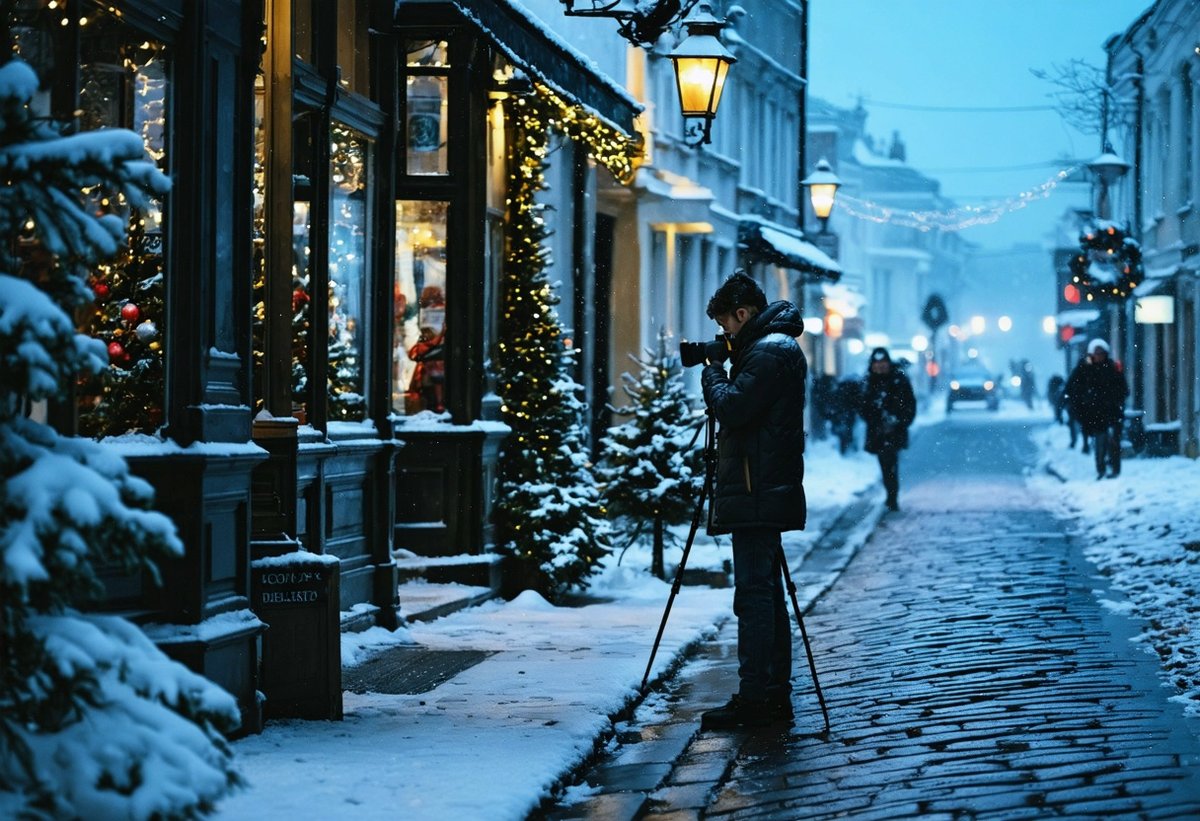
The heart of captivating Christmas photography lies in finding the perfect scene—a setting that evokes wonder and warmth. Photographers become storytellers, curating each element within the frame to evoke emotion and transport viewers into a world of holiday magic. This often requires meticulous planning, scouting, and a keen eye for detail.
While grand cityscapes can be breathtaking, many photographers discover that the most enchanting scenes are often in the ordinary. A cozy corner adorned with handmade ornaments or a snow-covered street lit by a single lamppost serves as a powerful reminder of the season’s intimate charm. It’s in these small vignettes where the essence of Christmas is most sincerely felt and captured.
Setting the stage involves balancing artistic vision with authenticity. Photographers strive to honor the genuine essence of the holiday spirit, capturing scenes that resonate with simplicity and truth. Whether through candid shots or carefully composed images, they create a visual narrative that highlights the emotion and beauty of the season.
Urban Holiday Landscapes
Cities transform during the holiday season, offering photographers a wealth of opportunities. Department store window displays become theatrical stages of creativity, while public squares host towering Christmas trees that serve as gathering points for communities. The Museum of Modern Art and similar institutions often feature special exhibitions during the holidays, providing inspiration for how master photographers approach seasonal imagery.
Scout locations during different times of day to understand how light interacts with decorations. The blue hour—that magical time just after sunset—creates a perfect balance between ambient light and artificial illumination, when Christmas lights glow vibrantly against a deep blue sky rather than appearing washed out against daylight or isolated in complete darkness.
Intimate Indoor Moments
The most emotionally resonant Christmas photographs often happen indoors, where families gather and traditions unfold. These intimate settings present technical challenges—mixed lighting from windows, lamps, and Christmas lights creates complex color temperatures—but also offer unparalleled opportunities for authentic storytelling.
Position yourself to use window light as a primary source, allowing the soft, directional quality to sculpt faces while Christmas lights provide accent and atmosphere. Shoot in RAW format to retain maximum flexibility for adjusting white balance in post-processing, as mixed lighting often requires selective corrections.
Light and Shadow: Painting with Festive Illumination
In holiday photography, light serves not only as a tool but as the essence of magical imagery. The play of light and shadow transforms scenes, adding depth, texture, and mood to each photograph. Photographers become artists, painting with light to create compositions that glow with festive warmth.
Christmas lights, candles, and fireplaces become primary sources of illumination, casting a soft, golden hue that bathes each scene in tranquility. The strategic use of natural and artificial light highlights specific elements within the frame, drawing attention to nuanced details and creating focal points that guide the viewer through the narrative.
Mastering light requires patience and understanding. Photographers harness light’s dynamic qualities, using shadows to add drama and intrigue. They experiment with different times of day, weather conditions, and lighting techniques to perfect each shot, uncovering the delicate balance between light and shadow.
Working with Christmas Lights
Christmas lights present unique photographic opportunities and challenges. Their small, bright points create high contrast that can overwhelm camera sensors if not managed carefully. To create the classic bokeh effect—where out-of-focus lights become soft, circular orbs—use a wide aperture (f/1.4 to f/2.8) and ensure significant distance between your subject and the lights.
For sharper light displays, use a smaller aperture (f/8 to f/16) to create star-burst effects, where each light source develops radiating points. This technique works beautifully for tree toppers, street decorations, and architectural lighting. Experiment with intentional camera movement during longer exposures to create abstract light paintings that convey the energy and excitement of the season.
Natural Light During Winter
Winter light possesses distinct qualities that enhance Christmas photography. The low angle of the sun creates longer, more dramatic shadows and bathes scenes in warm, golden tones during the brief golden hours. Overcast days, rather than being obstacles, provide beautifully diffused light that eliminates harsh shadows—perfect for portraits and detail shots.
Snow acts as a natural reflector, bouncing light upward to fill shadows and create even illumination. However, snow’s brightness can fool your camera’s meter into underexposing, rendering snow gray rather than white. Compensate by overexposing by one to two stops, or use your camera’s exposure compensation feature to ensure proper brightness.
Technical Settings for Perfect Holiday Photos
Understanding the technical aspects of photography becomes crucial when working in challenging holiday lighting conditions. The right settings balance technical excellence with creative vision, ensuring your images capture both the visual beauty and emotional essence of Christmas.
Exposure Triangle Mastery
The relationship between aperture, shutter speed, and ISO determines your exposure and creative control. For indoor holiday scenes with limited light, start with a wide aperture (f/1.8-f/2.8) to maximize light gathering while creating pleasing background blur. This isolates your subject—whether a decorated ornament or a child’s delighted expression—from busy backgrounds.
Shutter speed must be fast enough to freeze motion, particularly when photographing excited children or active holiday gatherings. A minimum of 1/125 second works for relatively still subjects, while 1/250 or faster captures movement without blur. When working with tripods for static scenes, slower shutter speeds (several seconds) create dreamy effects with Christmas lights.
Modern cameras handle high ISO remarkably well, making ISO 1600-3200 acceptable for most situations. Don’t fear higher ISOs when necessary—a slightly noisy but properly exposed and sharp image surpasses a blurry or underexposed one. Noise reduction in post-processing has advanced significantly, allowing considerable recovery of detail.
White Balance Considerations
Christmas scenes typically feature mixed lighting—tungsten bulbs, LED decorations, window light, and candlelight—each with different color temperatures. Rather than fighting this complexity, embrace it as part of the holiday aesthetic. The warm golden tones of traditional lights contrast beautifully with cooler daylight, creating depth and visual interest.
Shoot in RAW format to retain complete control over white balance during editing. For consistency across a series, use custom white balance or manually set color temperature. When warmth enhances the cozy holiday feeling, bias toward tungsten settings (3200K-3800K). For outdoor snow scenes, slightly cooler settings (5500K-6500K) preserve the crisp, fresh quality of winter light.
Capturing Moments: The Heart of Christmas Magic
At the core of Christmas photography lies the art of capturing moments—those brief flashes of emotion, connection, and joy that define the holiday season. These moments are the heartbeat of holiday imagery, encapsulating the authentic spirit of togetherness and celebration.
From children’s wide-eyed wonder at a decorated tree to the tender smile exchanged between family members, photographers seek to immortalize the sentiments that unite us during the holidays. These real, unguarded moments breathe life into photographs, transforming them into cherished memories that tell a story beyond words.
Capturing these fleeting moments requires an attentive eye, intuition, and empathy. Photographers immerse themselves in the experience, blending into the scene to ensure the essence of the moment remains untouched. Through their lens, they weave through the fabric of the holiday, ensuring every captured moment reflects the profound heart of Christmas magic.
Candid vs. Posed Photography
The debate between candid and posed photography finds particular relevance during the holidays. While formal family portraits have their place, the most emotionally powerful images often emerge from unguarded moments—a grandmother teaching a grandchild to hang ornaments, siblings conspiring over wrapped presents, or quiet contemplation beside a glowing fireplace.
Develop the skill of anticipation: watch for developing interactions, position yourself where meaningful moments are likely to unfold, and keep your camera ready. Use continuous shooting mode to capture sequences, ensuring you don’t miss peak expressions or gestures. The Getty Museum’s photography collection showcases how master photographers throughout history have captured genuine human moments, offering inspiration for your own work.
Photographing Children During the Holidays
Children embody the wonder and excitement of Christmas, making them natural subjects for holiday photography. However, photographing children requires specific approaches. Get down to their eye level to create more engaging, intimate perspectives rather than shooting from adult height, which creates psychological distance.
Allow children to interact naturally with their environment rather than forcing poses. The genuine delight of discovering presents, the concentration while decorating cookies, or the awe of seeing holiday lights creates far more compelling images than stiff, directed poses. Patience proves essential—wait for authentic expressions rather than demanding smiles on command.
When capturing skin tones in mixed lighting conditions, techniques similar to those used in portrait photography apply—proper white balance and exposure ensure children’s faces appear natural and radiant rather than orange from tungsten lights or blue from LED decorations.
Composition Techniques for Holiday Photography
Strong composition transforms ordinary holiday scenes into compelling visual narratives. While technical proficiency ensures properly exposed images, compositional skill determines whether photographs merely document or truly captivate.
Rule of Thirds and Leading Lines
The rule of thirds remains fundamental to pleasing composition. Position key elements—a decorated tree, a subject’s eyes, or a focal ornament—along the intersecting points of an imaginary grid dividing your frame into thirds horizontally and vertically. This creates dynamic tension and visual interest superior to centered compositions.
Leading lines guide viewers through your image toward the main subject. Strings of lights, garland, stair railings adorned with greenery, or pathways through snow all serve as natural leading lines that create depth and direct attention. Use these elements intentionally to construct visual pathways through your compositions.
Framing and Layers
Natural frames within your scene—doorways decorated with wreaths, windows framing Christmas trees, or archways adorned with lights—add depth and context while focusing attention on your subject. These frames create a sense of looking into a moment, enhancing the intimate quality of holiday photography.
Build layers within your composition by including foreground, middle ground, and background elements. Shoot through out-of-focus ornaments in the foreground to frame a subject in the middle ground, with twinkling lights providing depth in the background. This three-dimensional approach creates immersive images that draw viewers into the scene.
Embracing the Unexpected: Serendipity in Shots
One of the true joys of holiday photography is the serendipity that often accompanies the unexpected. While meticulously planned shots have their place, some of the most enchanting images are born from spontaneity and happy accidents. Photographers learn to embrace these unplanned moments, where the magic of Christmas organically reveals itself.
The unexpected can manifest in various forms—a sudden snowfall, a candid laugh, or light spilling through a window in an unanticipated way. These moments offer photographers a fresh perspective and an opportunity to capture the season’s raw, genuine essence without artifice or pretense.
By remaining open to surprises, photographers enrich their storytelling and find inspiration in life’s unpredictability. They understand that Christmas’s true beauty lies not in perfection but in tender, authentic moments that bring warmth and joy. This openness to serendipity connects to broader photographic philosophy—the recognition that some of the most powerful images emerge when we release rigid expectations and allow moments to unfold naturally.
Weather as Creative Opportunity
Rather than viewing challenging weather as an obstacle, embrace it as a creative element. Falling snow adds movement, texture, and atmosphere to images—use slower shutter speeds (1/60-1/125) to capture individual flakes as soft streaks rather than frozen dots. Fog creates ethereal, mysterious moods perfect for conveying the magical quality of the season.
Storm light—those dramatic moments when sun breaks through clouds after snow—creates spectacular conditions with high contrast, saturated colors, and dramatic skies. Keep your camera accessible during unpredictable weather, as the most memorable conditions often last mere minutes.
Joy and Nostalgia: Emotion Behind the Lens
Holiday photography evokes powerful emotions of joy and nostalgia, weaving stories of past and present that resonate deeply. Photographers tap into these universal feelings, creating images that connect with the heart and soul.
Each frame has the potential to trigger a memory or longing, perhaps a reminiscent aroma of freshly baked cookies or the sound of a favorite carol. Such emotions forge a bond between the image and the viewer, allowing them to relive cherished moments and create new memories infused with the magic of Christmas.
Behind the lens, photographers channel their artistic vision and personal experiences, allowing these emotions to guide their creative process. By capturing the intimate yet universal aspects of the holiday, they craft images that transcend time and place. This emotional authenticity—the ability to convey genuine feeling through imagery—represents the highest achievement in holiday photography.
Creating Timeless vs. Trendy Images
Consider whether your images aim for timeless quality or contemporary relevance. Timeless Christmas photographs focus on universal elements—family connections, the play of light, traditional decorations—that remain meaningful across decades. These images avoid dated fashion, trendy filters, or contemporary references that quickly age.
Conversely, documenting current traditions and contemporary celebrations has value, creating a historical record of how holidays evolve. Balance both approaches in your work: create some images with enduring, classic appeal while also capturing the specific character of Christmas in your particular time and place.
Post-Processing Holiday Images
Post-processing completes the creative vision begun in-camera, allowing photographers to refine their images and enhance the magical quality of holiday scenes. However, editing should enhance rather than fundamentally alter the authentic character of your photographs.
Color Correction and Enhancement
Begin with basic corrections: adjust exposure, contrast, and white balance to establish a solid foundation. For holiday images, slight adjustments toward warmth often enhance the cozy, inviting quality associated with Christmas. However, avoid excessive warming that makes skin tones appear orange or unnatural.
Selectively enhance colors that contribute to the holiday atmosphere—deepen reds and greens in decorations, add richness to golden lights, and ensure snow appears crisp and white. Use HSL (Hue, Saturation, Luminance) sliders for precise color control, adjusting individual color channels rather than applying global saturation increases that affect all colors equally.
Managing Highlights and Shadows
Christmas photography often involves extreme contrast—bright lights against dark backgrounds or brilliant snow beside deep shadows. Modern editing software provides powerful tools for managing this dynamic range. Recover detail in blown highlights (overexposed areas) while lifting shadows to reveal hidden detail, but maintain some contrast to preserve depth and dimension.
Pay special attention to Christmas lights—they should glow attractively without becoming featureless white blobs. Reduce highlights specifically in light sources while preserving their luminous quality. Similarly, ensure shadow areas retain detail and don’t become muddy black voids.
Adding Atmosphere and Mood
Subtle vignettes—gradual darkening around frame edges—draw attention toward the center and create intimate, focused compositions. Use this technique sparingly; heavy vignettes appear dated and artificial. Slight adjustments to clarity and texture can enhance the crisp quality of snow or the soft glow of candlelight.
Consider adding subtle grain to digital images, particularly those shot at high ISO. Controlled grain adds texture and a slightly nostalgic quality reminiscent of film photography, enhancing the timeless character of holiday images. The key is restraint—effects should be barely perceptible, supporting rather than overwhelming your image.
Sharing the Magic: Inspiring Through Imagery
Photographers have the unique ability to share the enchantment of Christmas with the world, inspiring others through the power of imagery. Each photograph becomes a portal to the warmth, wonder, and joy of the holiday season, inviting viewers to step into a world brimming with magic.
By showcasing their work, photographers offer a gift that transcends boundaries and connects people across cultures and continents. Their images inspire others to celebrate shared traditions, reflect on cherished memories, and embrace the spirit of giving. In our interconnected digital age, holiday photographs travel instantly around the world, bringing moments of beauty and connection to viewers far from their origins.
In sharing the magic, photographers contribute to a collective narrative of hope and unity. Their images serve as reminders of the beauty and joy that exist in the world, even amidst challenging times. By capturing the essence of Christmas, they inspire others to see and appreciate the magic in the everyday, encouraging all to carry the spirit of the season forward.
Curating and Presenting Your Holiday Portfolio
When sharing holiday work, curation matters as much as creation. Select images that work together to tell a cohesive story rather than simply displaying every successful shot. A carefully edited collection of 10-15 strong images makes a more powerful statement than 50 mediocre ones.
Consider sequence and flow—how images relate to one another and build a narrative arc. Begin with establishing shots that set the scene, move through intimate moments and details, and conclude with images that provide resolution or emotional payoff. This storytelling approach creates engagement beyond individual images.
Organizations like the Royal Photographic Society offer resources and communities for photographers seeking to develop their skills and share their work with appreciative audiences. Engaging with photographic communities provides feedback, inspiration, and opportunities to learn from others’ approaches to holiday imagery.
Creating Holiday Photo Books and Keepsakes
Transform your best holiday photographs into tangible keepsakes that families will treasure for generations. Photo books allow you to curate your images into a narrative format, combining pictures with captions, dates, and stories that provide context and preserve memories beyond the visual.
When designing holiday albums, consider pacing and variety—mix wide establishing shots with intimate details, include both people and places, and vary your compositions to maintain visual interest. High-quality printing ensures your images appear as intended, with accurate colors and fine detail reproduction.
Ethical Considerations in Holiday Photography
As photographers document holiday celebrations, ethical considerations deserve attention. Respect privacy, particularly when photographing in public spaces or capturing images of people outside your immediate circle. While holiday displays in public areas are generally fair game, be mindful of photographing individuals without permission.
When photographing family gatherings, recognize that not everyone enjoys being photographed. Balance your desire to document moments with respect for those who prefer to remain off-camera. Establish clear communication about how images will be used and shared, particularly on social media.
Consider the environmental impact of holiday photography projects. If creating elaborate setups or traveling to locations, make sustainable choices that minimize waste and environmental harm. The beauty of Christmas photography often lies in simplicity rather than excessive consumption or elaborate productions.
Building Your Christmas Photography Tradition
Developing a personal tradition of holiday photography creates continuity and allows you to track growth—both as a photographer and in the lives you document. Photograph the same locations annually to create a visual timeline of change. Return to favorite spots to capture how light, decorations, and seasons vary from year to year.
Create annual family portraits in consistent locations or with similar compositions, building a collection that chronicles growth and change over decades. These series become invaluable family archives, documenting not just individual moments but the passage of time and evolution of relationships.
Challenge yourself to explore new techniques or approaches each year. One season might focus on macro details of ornaments and decorations, another on environmental portraits, and another on abstract light studies. This variety prevents creative stagnation while building a diverse body of work.
Conclusion: Preserving the Magic Forever
As we look through the enchanted frames of holiday photography, we glimpse how the magic of Christmas can be captured and shared. Each image tells a story filled with joy, light, and love, inviting us to appreciate the season’s beauty and the connections that bind us all. Whether through orchestrated scenes or spontaneous snapshots, photographers offer us a timeless gift: the ability to hold onto the magic and wonder of Christmas forever.
The technical skills—understanding exposure, mastering light, composing thoughtfully—provide the foundation for successful holiday photography. But the heart of memorable Christmas images lies in emotional authenticity, the ability to recognize and preserve genuine moments of connection, wonder, and joy. These are the photographs that transcend mere documentation to become cherished family heirlooms.
As you embark on your own Christmas photography journey, remember that perfection is less important than presence. The best holiday photographs emerge when photographers immerse themselves fully in the experience, remaining attentive to unfolding moments while maintaining technical readiness. Balance planning with spontaneity, technique with emotion, and artistic vision with authentic representation.
This holiday season, pick up your camera and venture out into the enchanted world of Christmas. Whether you’re capturing your family’s traditions, exploring decorated neighborhoods, or documenting public celebrations, approach each opportunity with both technical skill and emotional openness. The magic is there, waiting to be discovered and preserved—all you need to do is look through your lens with both your eyes and your heart.
May your holiday photography journey be filled with wonder, creativity, and the joy of capturing moments that will warm hearts for generations to come. The magic of Christmas awaits your lens.