In an age where AI-generated perfection dominates our feeds, there's a growing hunger for something real. Candid street photography offers that antidote—raw, unfiltered moments that capture the beautiful chaos of human existence. As photographers increasingly reject polished artificiality, the streets have become our canvas for authentic storytelling, where every frame documents life as it unfolds, unposed and unscripted.

This counter-movement isn't just a trend; it's a revolution. TikTok and Instagram are flooded with documentary-style captures that celebrate imperfection, genuine emotion, and the unpredictable beauty of everyday life. Whether you're a seasoned photojournalist or just starting your journey in urban photography, mastering candid street photography means learning to see—and capture—the extraordinary in the ordinary.
Why Candid Street Photography Matters in 2025
The rise of AI photography tools has created an interesting paradox. While technology enables us to create technically flawless images, audiences crave authenticity more than ever. Candid street photography fills this void by offering unmanipulated glimpses into real human experiences.1
This authentic photography style resonates because it tells truth. Unlike staged portraits or carefully curated Instagram aesthetics, street photography captures fleeting moments—a grandmother's smile, strangers sharing laughter, the solitary figure lost in thought. These images carry emotional weight precisely because they weren't manufactured for consumption.
The documentary photography tradition has always valued this authenticity, but today's digital landscape amplifies its importance. As documentary photography becomes increasingly vital in our image-saturated world, candid street work serves as visual testimony to our shared humanity.
The Philosophy Behind Authentic Street Photography
Before diving into techniques, understanding the philosophy of candid street photography transforms your approach. This isn't about stealing images—it's about witnessing and documenting. The greatest street photographers, from Henri Cartier-Bresson to Vivian Maier, shared a common belief: the camera is an extension of the eye, and the photographer is an observer, not a director.
The Ethics of Observation
Candid photography exists in a delicate ethical space. While legal considerations vary by location, the moral imperative remains constant: respect your subjects. This means photographing with empathy, avoiding exploitation, and understanding when to lower the camera.2
Urban photography techniques must balance artistic vision with human dignity. Ask yourself: Does this image contribute to understanding, or does it merely exploit vulnerability? The best storytelling photography elevates rather than diminishes its subjects.
Developing Your Visual Voice
Your photographic voice emerges from what you choose to see and how you frame it. Some photographers gravitate toward gritty urban landscapes, while others find beauty in quiet moments of connection. The Magnum Photos collective demonstrates this diversity—each photographer brings unique perspective while maintaining documentary integrity.
Developing this voice requires shooting consistently and critically examining your work. What patterns emerge? What emotions do your images evoke? This self-awareness separates snapshots from meaningful photojournalism basics.
Essential Gear for Candid Street Photography
While the photographer matters more than the camera, equipment choices significantly impact your ability to capture authentic moments. The best street photography gear disappears into your workflow, allowing you to focus on seeing rather than adjusting settings.
Camera Selection for Street Work
Compact, discreet cameras work best for candid street photography. Mirrorless systems from Fujifilm X-series cameras, Sony, and other manufacturers offer professional image quality without the intimidating presence of larger DSLRs. The Fujifilm X100 series has become iconic among street photographers for its rangefinder styling and exceptional image quality in a pocketable form factor.3
However, don't discount smartphone cameras. Modern iPhone and Android devices produce remarkable results, and their ubiquity makes them invisible—people don't react to phone cameras the way they do to professional gear. This invisibility can be your greatest asset when pursuing authentic photography style.
Lens Choices That Shape Your Vision
Focal length fundamentally affects your relationship with subjects and the stories you tell. The classic street photography focal lengths each offer distinct advantages:
- 28mm: Wide enough to capture environmental context while remaining intimate
- 35mm: The documentary standard—approximates human vision and encourages engagement
- 50mm: Forces you closer to subjects, creating psychological intimacy
- 85mm+: Allows distance while compressing perspective for layered compositions
Prime lenses typically outperform zooms for street work—they're smaller, faster, and force decisive composition. The constraint of a fixed focal length sharpens your visual thinking, a principle understood by masters of documentary photography throughout history.
Street Photography Tips 2025: Technical Mastery
Technical proficiency frees you to focus on content rather than camera operation. These street photography tips for 2025 reflect both timeless principles and contemporary workflow optimizations.
Mastering Exposure in Dynamic Environments
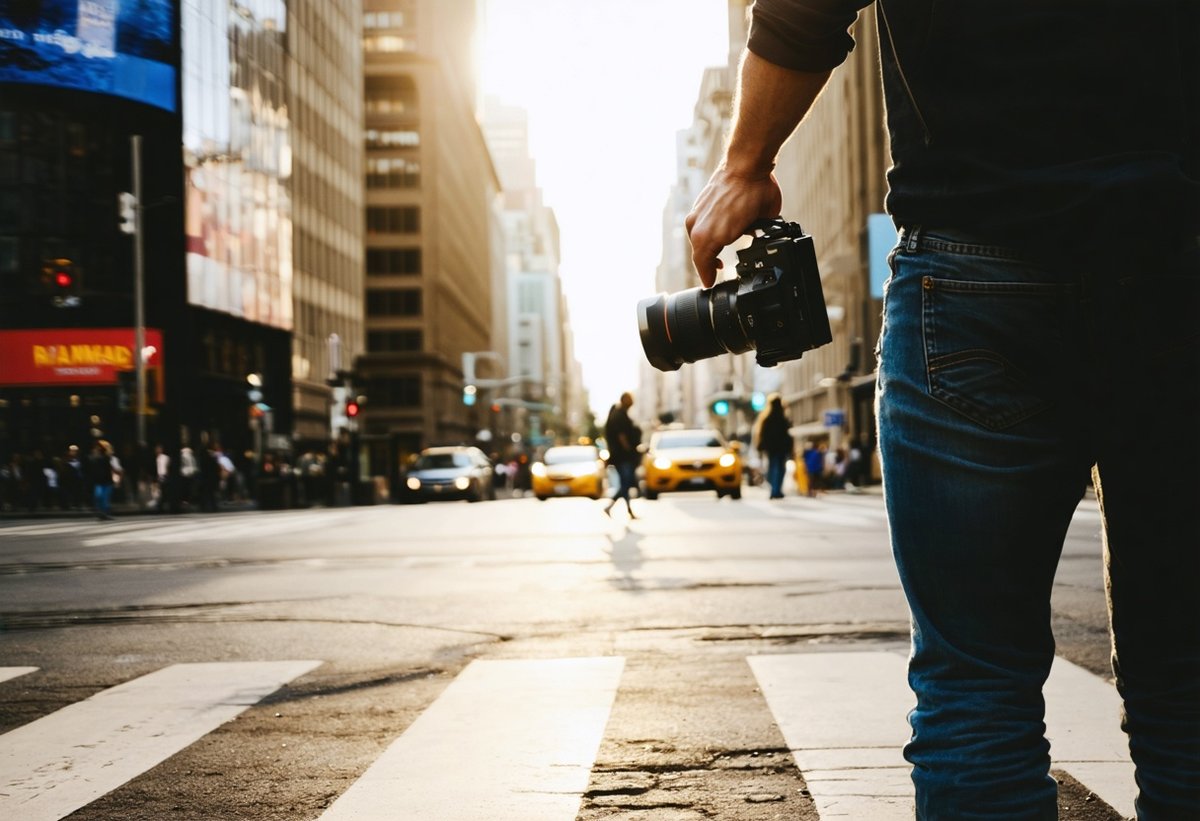
Street scenes present constantly changing light conditions. Develop a baseline exposure approach that adapts quickly. Many professionals use aperture priority mode (A or Av) with auto-ISO, setting their aperture based on desired depth of field and letting the camera handle shutter speed and ISO within defined parameters.
For candid work, prioritize shutter speed—1/250s minimum to freeze motion, faster for running children or other fast action. Modern cameras handle ISO 3200 or higher with acceptable noise, so don't fear raising sensitivity to maintain adequate shutter speeds.4
Zone Focusing for Decisive Moments
Henri Cartier-Bresson's "decisive moment" requires anticipation and preparation. Zone focusing—pre-focusing at a specific distance and using depth of field to maintain sharpness—enables instant shooting without autofocus delays.
Set your lens to f/8 or f/11, focus at approximately 10 feet, and everything from about 7 feet to 20 feet stays acceptably sharp. This technique, combined with hyperfocal distance calculations, ensures you're always ready when moments unfold. It's an essential urban photography technique that connects modern shooters with photojournalism basics from the film era.
Shooting From the Hip and Other Discrete Techniques
Sometimes the most authentic moments happen when subjects don't notice the camera. Shooting from the hip—holding your camera at waist level without looking through the viewfinder—allows you to capture unguarded expressions. This requires practice to master framing, but tilt screens and electronic viewfinders make learning easier than in the film era.
Other discrete approaches include:
- Shooting while appearing to check your camera settings
- Framing subjects in your peripheral vision while seeming to photograph something else
- Using silent shutter modes to eliminate the attention-grabbing click
- Blending into the environment by sitting at cafes or benches
These techniques aren't about deception—they're about minimizing your impact on the scene to preserve authenticity, a core principle of storytelling photography.
Composition Principles for Compelling Street Images
Technical competence means nothing without strong composition. Candid street photography demands intuitive visual organization—you rarely have time for careful arrangement. Internalizing compositional principles allows you to frame effectively in fractions of a second.
Layering and Depth
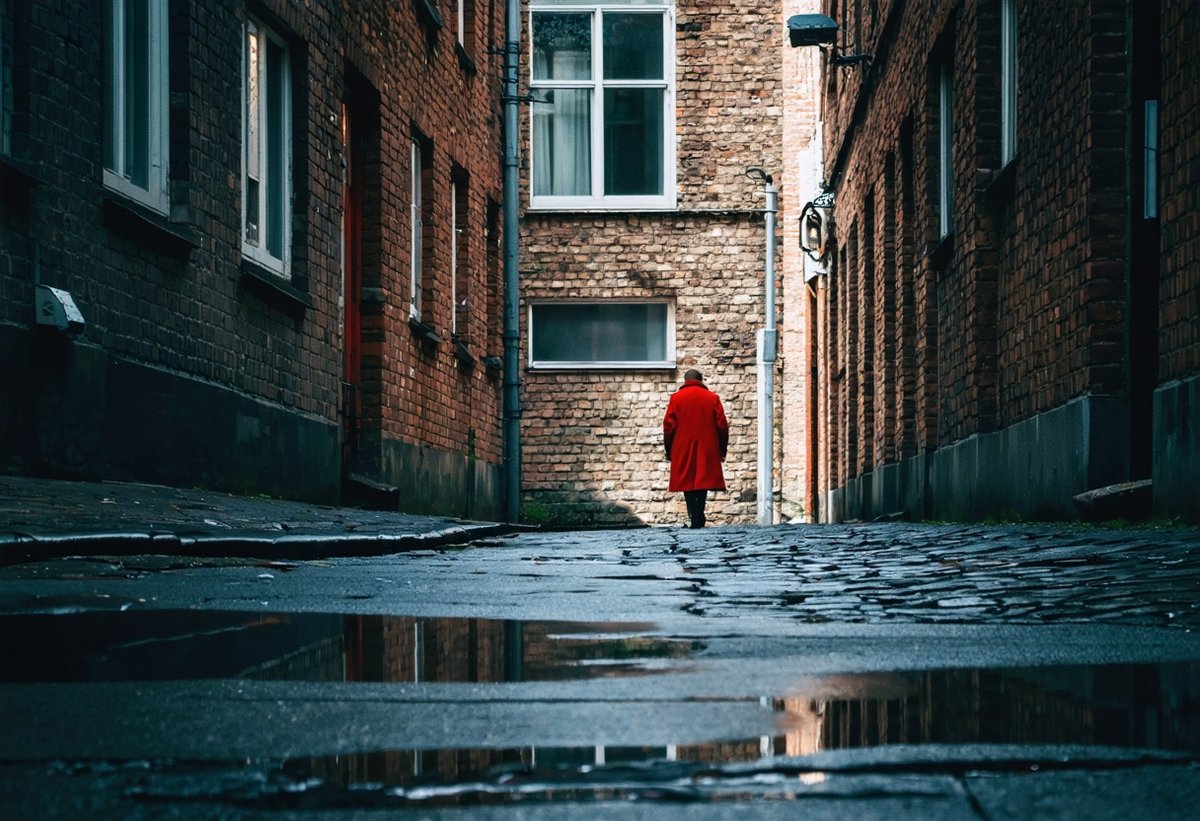
Great street photographs often contain multiple planes of interest—foreground, middle ground, and background elements that create visual depth. This layering guides the viewer's eye through the frame while providing context for your primary subject. Look for opportunities to position subjects against interesting backgrounds or to include foreground elements that frame your scene.
The cinematic street photography aesthetic popular on Instagram leverages this layering to create film-like depth and atmosphere. Study how cinematographers compose shots, and apply those principles to still photography.
Geometry and Lines
Urban environments overflow with geometric elements—building edges, sidewalk lines, shadows, and architectural features. These lines organize chaotic scenes and direct attention. Leading lines pull viewers into the frame, while diagonal compositions create dynamic tension.
Pay attention to how light creates geometry. Shadows cast by buildings or street furniture become compositional elements as important as physical structures. This awareness of light and form distinguishes competent street photography from exceptional work.
Juxtaposition and Visual Irony
Some of the most powerful street photographs derive impact from unexpected juxtapositions—contrasts between subjects, contradictions between people and their environments, or ironic relationships between foreground and background elements. These visual tensions create narrative complexity that engages viewers.
Look for moments where advertising interacts with real people, where wealth and poverty coexist in the same frame, or where human behavior contradicts expectations. These observations form the foundation of meaningful documentary photography.
Finding and Creating Opportunities
Candid street photography requires being in the right place at the right time—but you can dramatically improve your odds through strategic positioning and patient observation.
Reading the Street
Experienced street photographers develop an intuition for promising locations and situations. Learn to read environmental cues: Where does light fall interestingly? Where do people naturally congregate? What locations offer strong backgrounds against which human activity will play out?
Transit hubs, markets, parks, and commercial districts provide constant human activity. But don't overlook quieter neighborhoods where life unfolds at a slower pace. Discovering new destinations through street photography often means exploring beyond obvious tourist areas to find authentic local life.
The Power of Patience
Sometimes the best approach is staying still. Identify a location with strong visual potential—interesting light, compelling background, or geometric elements—and wait for subjects to enter the scene. This "fishing" technique allows you to perfect your composition and exposure, then simply wait for the right moment.5
This patience contrasts with the "hunting" approach of constantly moving and reacting to moments as they unfold. Both methods have merit, and most photographers naturally gravitate toward one or blend both depending on circumstances.
Working Events and Gatherings
Public events, festivals, protests, and celebrations concentrate human emotion and activity, creating rich opportunities for candid photography. People expect cameras at events, reducing self-consciousness and allowing more natural behavior. The principles of immersive event photography apply equally to street work—blend in, anticipate action, and focus on genuine emotion rather than staged moments.
Events also provide narrative structure. Arrive early to capture preparation and anticipation, document the peak action, and stay late for aftermath and reflection. This complete coverage elevates your work from isolated images to cohesive storytelling photography.
Post-Processing for Authentic Street Photography
Post-processing should enhance rather than transform. The goal is revealing what was already present in the scene, not creating something artificial. This philosophy aligns with the broader rejection of over-manipulated imagery in favor of authentic photography style.
Black and White vs. Color
The black and white versus color debate continues, but the choice should serve your vision. Black and white removes color distraction, emphasizing form, light, and emotion—often strengthening documentary impact. Color, when used deliberately, adds information and atmosphere that black and white cannot convey.
Many contemporary street photographers shoot in color but convert selectively to black and white in post-processing. This flexibility allows you to make creative decisions based on each image's specific needs rather than committing to one approach in-camera.
Developing a Consistent Editing Style
While each image is unique, developing consistent editing parameters creates visual cohesion across your body of work. This doesn't mean applying identical presets to everything—it means establishing aesthetic principles that guide your processing decisions.
Consider your approach to:
- Contrast levels and tonal range
- Color saturation and palette
- Shadow and highlight recovery
- Grain and texture
- Sharpness and clarity
The International Center of Photography offers exhibitions and resources showing how master photographers maintain distinctive visual voices through consistent processing approaches. Study work you admire and analyze the technical choices that create its impact.
When to Crop and When to Preserve
Purists argue that cropping represents compositional failure, but pragmatists recognize that perfect framing isn't always possible in fast-moving street situations. The key is understanding why you're cropping. Are you strengthening composition by removing distractions, or are you fundamentally changing the image's meaning?6
Maintain original aspect ratios when possible—radical crops to square or panoramic formats can feel forced. Subtle adjustments that eliminate edge distractions while preserving the image's essential character generally work best for authentic documentary photography.
Common Mistakes to Avoid in Candid Street Photography
Learning what not to do accelerates your development as much as mastering techniques. These common pitfalls trap many photographers pursuing candid street photography.
Photographing Without Purpose
Random shooting hoping something interesting appears rarely produces meaningful work. While spontaneity is essential, approach street photography with intention. What story are you telling? What emotions are you exploring? What aspects of urban life fascinate you? This purposefulness transforms wandering into productive exploration.
Develop projects or themes that focus your vision. You might document a specific neighborhood over time, explore how people interact with technology, or capture moments of solitude in crowded spaces. These frameworks provide direction while allowing spontaneity within defined parameters.
Over-Reliance on Post-Processing
Heavy editing can't rescue weak composition or poor timing. While post-processing is valuable, prioritize getting it right in-camera. This means proper exposure, decisive timing, and strong composition at capture. Post-processing should refine, not rescue.
The temptation to over-process is particularly strong in an era of powerful editing software. Resist the urge to apply dramatic filters or extreme adjustments that move your work away from authentic photography style toward stylized artificiality.
Ignoring Context and Background
Focusing exclusively on subjects while ignoring backgrounds creates cluttered, confusing images. Train yourself to see the entire frame—not just your primary subject. Background elements provide context, but they can also distract if not carefully considered.
Before pressing the shutter, quickly scan the frame edges. Are there distracting elements you can eliminate by shifting position? Does the background support or undermine your subject? This awareness separates amateur snapshots from professional photojournalism basics.
Fear of Confrontation
Anxiety about photographing strangers paralyzes many aspiring street photographers. While respecting boundaries is essential, excessive fear prevents you from capturing authentic moments. Most people either don't notice or don't care that you're photographing. When someone does object, respond politely—offer to delete the image if they're genuinely uncomfortable, and move on.
Confidence comes with practice. Start in busy areas where cameras are common, gradually building comfort with closer, more intimate work. Your body language matters—photograph with purpose and confidence rather than furtiveness, and people generally accept your presence.
Building Your Street Photography Portfolio
A strong portfolio demonstrates consistent vision and technical competence. Whether you're pursuing professional opportunities or simply want to share your work, thoughtful curation elevates your street photography from hobby to art.
Editing for Impact
Ruthless editing separates good portfolios from mediocre ones. Show only your strongest work—twenty exceptional images create more impact than fifty that include filler. Each image should justify its inclusion by adding something unique to your portfolio's narrative.
Consider sequencing carefully. How do images relate to each other? Does the order create visual rhythm and narrative flow? Portfolio presentation is itself an art form, one that enhances individual images through thoughtful arrangement.
Platform Considerations
Different platforms serve different purposes. Instagram rewards individual striking images and consistent aesthetic style. Portfolio websites allow deeper exploration of projects and series. Print exhibitions provide physical presence that digital cannot match.
Understanding each platform's strengths allows you to optimize presentation. Instagram's algorithm favors engagement, so images with immediate visual impact perform better. Portfolio sites accommodate longer artist statements and project descriptions that provide context. Choose platforms that align with your goals and audience.
Developing Series and Projects
While single images can be powerful, cohesive series demonstrate sustained vision and deeper engagement with subjects. Projects might explore specific locations, themes, or social issues over weeks, months, or years. This commitment to long-form storytelling photography distinguishes serious practitioners from casual shooters.
Document your process and thinking. Artist statements that explain your intentions and approach add depth to visual work. The Magnum Photos newsroom provides excellent examples of how photographers contextualize their documentary projects through written narratives.
Learning From the Masters of Street Photography
Studying great street photographers accelerates your development by revealing how masters solve visual problems and develop distinctive voices. While you should never imitate, understanding what makes iconic work effective informs your own creative decisions.
Classic Documentary Photographers
Henri Cartier-Bresson established foundational principles of candid photography—the decisive moment, geometric composition, and invisible presence. His work demonstrates how patience and anticipation create images that transcend documentation to become art.
Vivian Maier's posthumously discovered archive reveals an entirely personal vision developed without audience or recognition. Her work proves that authentic vision matters more than professional validation. Garry Winogrand's energetic, sometimes chaotic frames capture American life with unmatched vitality. Each photographer offers lessons in seeing and capturing authentic moments.
Contemporary Street Photographers
Today's practitioners adapt classic techniques to contemporary contexts. Photographers like Matt Stuart, Vivian Maier, and Alex Webb demonstrate that street photography remains vital and evolving. Follow contemporary work through platforms like LensCulture and photography festivals worldwide.
Study how these photographers use color, navigate ethical considerations, and develop long-term projects. Their work shows that urban photography techniques continue evolving while honoring documentary traditions.
The Future of Candid Street Photography
As we move deeper into 2025, several trends are shaping the evolution of candid street photography. Understanding these developments positions you to participate in the medium's ongoing conversation.
The Authenticity Movement
The backlash against AI-generated imagery and over-processed photography continues strengthening. Audiences increasingly value verifiable authenticity—images that document rather than construct reality. This trend favors candid street photography's core values of observation and truth-telling.7
This doesn't mean rejecting technology—it means using tools in service of authenticity rather than artificiality. The challenge is maintaining documentary integrity while leveraging contemporary capabilities.
Technology and Street Photography
Computational photography continues advancing. Features like improved low-light performance, faster autofocus, and AI-powered subject detection make capturing decisive moments easier. However, technology should enhance rather than replace visual thinking and timing.
Silent electronic shutters, in-body stabilization, and advanced autofocus systems remove technical barriers that once limited street photographers. Use these tools to focus on what matters—seeing and capturing authentic human moments.
Social Media and Documentary Photography
Instagram, TikTok, and emerging platforms democratize photography distribution while creating new pressures. The challenge is maintaining artistic integrity while navigating algorithm-driven visibility. The most successful street photographers on social media balance platform requirements with authentic vision—they understand the game without compromising their voice.
These platforms also enable direct connections between photographers and audiences, bypassing traditional gatekeepers. This democratization benefits documentary photographers willing to engage authentically with communities around their work.
Frequently Asked Questions About Candid Street Photography
Is street photography legal?
In most public spaces in the United States and many other countries, photographing people without permission is legal under freedom of expression protections. However, laws vary significantly by location, and ethical considerations extend beyond legal minimums. Commercial use of recognizable people typically requires model releases, while editorial and artistic use generally doesn't. Always research local laws and respect when people object to being photographed, even if you're legally permitted.
What camera settings work best for candid street photography?
Most street photographers use aperture priority mode (A/Av) with auto-ISO, setting aperture between f/5.6 and f/11 for adequate depth of field. This ensures shutter speeds stay fast enough (1/250s minimum) to freeze motion while maintaining proper exposure in changing light. Some prefer full manual with auto-ISO for complete control. Continuous autofocus (AF-C) with flexible spot or zone focusing works well for moving subjects, while single-point autofocus suits more deliberate compositions.
How do I overcome fear of photographing strangers?
Start in busy areas where cameras are common and your presence is less noticeable. Practice with a longer lens initially if that feels more comfortable, gradually working closer as confidence builds. Remember that most people either don't notice or don't care about being photographed. When someone does object, respond politely and move on—it's not personal. Confidence comes from experience, so the only solution is consistent practice. Consider photographing from behind initially, capturing scenes rather than faces until you're comfortable with more direct work.
Should I shoot in RAW or JPEG for street photography?
RAW files provide maximum editing flexibility, preserving more information for post-processing adjustments to exposure, white balance, and color. However, they require processing before sharing and consume more storage space. Many street photographers shoot RAW+JPEG, using JPEGs for quick sharing and RAWs when images need careful editing. If you're confident in your exposure skills and want immediate results, well-configured in-camera JPEGs can be excellent. The choice depends on your workflow preferences and editing approach.
How can I develop a unique style in street photography?
Unique style emerges from consistent practice and self-awareness rather than conscious invention. Shoot regularly and critically review your work, identifying patterns in what you're drawn to photograph and how you frame scenes. Study photographers you admire, but focus on understanding their thinking rather than copying their aesthetics. Experiment with different approaches—color versus black and white, close versus distant, geometric versus organic compositions. Over time, your authentic interests and visual preferences naturally coalesce into a recognizable style. Authenticity matters more than uniqueness—photograph what genuinely interests you rather than what you think should interest you.
What's the difference between street photography and documentary photography?
The terms overlap significantly, but street photography typically refers to candid images captured in public spaces, often emphasizing aesthetic qualities and decisive moments. Documentary photography encompasses broader storytelling projects that may include street work but also incorporates planned shoots, portraits, and comprehensive coverage of specific subjects or issues. Street photography can be purely aesthetic, while documentary work usually serves journalistic or social purposes. However, the best street photography often functions as documentary evidence of time and place, and strong documentary projects frequently employ street photography techniques.
Taking Your Street Photography Journey Forward
Mastering candid street photography is a lifelong pursuit—there's always more to see, new ways to frame familiar subjects, and deeper understanding to develop. The technical aspects become second nature with practice, freeing you to focus on what truly matters: observing human experience and capturing authentic moments that resonate with universal truths.
Remember that every photographer's journey is unique. While learning from masters and understanding techniques accelerates development, your authentic voice emerges from your specific perspective and interests. The streets offer infinite possibilities for those willing to see them.
Start today. Take your camera outside, observe carefully, and photograph what moves you. Some images will fail, but each attempt teaches something valuable. The beauty of candid street photography lies not in perfection but in the genuine pursuit of authentic human moments. In an increasingly artificial world, this pursuit matters more than ever.
Your perspective is unique—no one else sees exactly what you see or frames it quite the way you do. That's your greatest asset as a street photographer. Honor it by shooting consistently, editing ruthlessly, and sharing work that reflects your authentic vision. The streets are waiting, full of stories only you can tell.
- According to a 2024 Pew Research study, 73% of social media users report feeling more connected to content that appears authentic and unedited, compared to heavily produced imagery.
- The American Society of Media Photographers (ASMP) provides comprehensive guidelines on ethical street photography practices, emphasizing dignity and context in documentary work.
- The X100VI, released in early 2024, features a 40-megapixel sensor and improved autofocus specifically designed for capturing decisive moments in street photography.
- Contemporary sensors from Sony, Canon, and Nikon maintain excellent dynamic range up to ISO 6400, with usable results even at ISO 12800 when properly exposed.
- Photographer Matt Stuart famously describes this approach as "setting a trap"—preparing everything technically, then waiting for life to walk into your frame.
- Henri Cartier-Bresson famously opposed cropping, printing full-frame with black borders to prove he hadn't altered compositions. However, many contemporary street photographers view cropping as a legitimate tool for refining vision.
- A 2024 survey by the World Photography Organisation found that 68% of photography consumers prefer demonstrably authentic images over heavily manipulated or AI-generated alternatives.