In today’s world, photography offers more than just a snapshot of a moment in time—it serves as an invitation to journey into the heart of an experience or event. Capturing the essence of local events through photography can unveil the soul of a community and its vibrant cultures. By immersing yourself deeply into your surroundings and being mindful of the moments you capture, you can preserve stories that are rich in authenticity and life. Join us on this inspirational journey as we explore how you can capture the local spirit through immersive event photography.
Discover the Magic of Local Event Photography
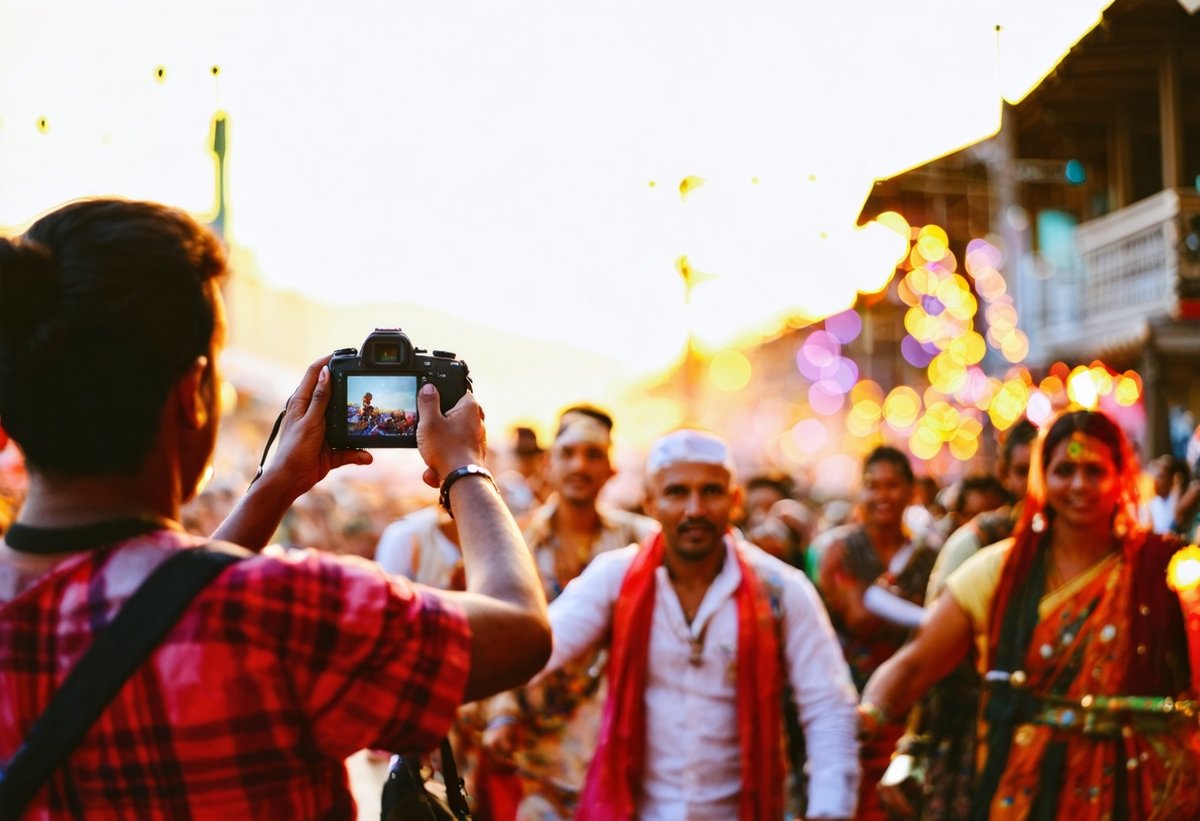
Let the magic of local event photography sweep you off your feet by diving into the energy and excitement that surrounds you. When you find yourself at an event, allow your senses to be your guide. Listen to the murmur of conversations, the rhythm of music, and the echoes of laughter. Observe the intricate dance between people and the environment, as they paint a vivid picture of the community’s personality. This magic doesn’t just reside in the photographs themselves but in the very process of capturing them—the ephemeral moments that make the experience unforgettable.
Every local event unfolds its unique story, often delving into the traditions, cultures, and histories that best define the area. As a photographer, your goal is to unravel these stories and embed them into your images. Start by acquainting yourself with the narrative threads that connect the people, place, and occasion. As you build this understanding, your task of creating visual poetry through photographs becomes both a challenge and a form of art.
The beauty of local event photography lies not just in the sights but also in the unseen narratives you bring to life. These hidden gems are what transform ordinary photos into extraordinary keepsakes that resonate with people from all walks of life. By embracing your inner storyteller and seeing beyond the surface, you can amplify the magic that local events have to offer. This approach shares similarities with documentary photography, where authenticity and truth-telling form the foundation of powerful visual narratives.
Research Your Event Before You Arrive
Preparation separates good event photographers from great ones. Before attending any local event, invest time in research. Learn about the event’s history, significance, and cultural context. What traditions does it celebrate? Who are the key participants? What moments are most meaningful to the community? This background knowledge will help you anticipate important moments and position yourself strategically.
Connect with event organizers or community leaders beforehand. They can provide insights into the event’s flow, highlight special moments to watch for, and sometimes grant you access to restricted areas. This preparation also demonstrates respect for the community you’re documenting, which often translates into more authentic and cooperative subjects.
Embrace the Heartbeat of the Community
An event is but a moment in the long-standing tradition of a community’s culture, and it is up to the photographer to capture this in its entirety. To do so, you must wholeheartedly embrace the heartbeat of the community, living and breathing its essence as you take each shot. This requires developing a sense of empathy and understanding toward the people surrounding you, which is facilitated by immersing yourself in the social fabric that makes each community unique.
Building rapport with locals can greatly enhance your ability to capture their stories authentically. As you engage with them, pay attention to the way people interact, their expressions, and the subtle cues that bring their stories to light. Look beyond the event’s primary activities and explore the fringes, where the vibrancy and diversity of human experiences often exist. Here lies the heartbeat of the community, where moments of connection and shared history reside.
Approaching local event photography with an open heart and mind transforms it from a simple creative endeavor into a meaningful journey of connection and discovery. Learn the language of the community’s pulse, and let it guide you to the stories that wait to be captured and told. In this artistic process, photographers become part of the ever-continuing narrative, weaving the lived experiences of many into a tapestry of shared memories.
Practice Cultural Sensitivity and Respect
Cultural sensitivity is paramount in event photography. Different communities have varying comfort levels with photography, especially during sacred or intimate moments. Always ask permission before photographing individuals, particularly children or during religious ceremonies. Some cultures consider certain activities or spaces off-limits to photography, and respecting these boundaries is essential.
Learn basic greetings and phrases in the local language if you’re photographing a community different from your own. This small effort demonstrates respect and often opens doors to more genuine interactions. Remember that you’re a guest documenting someone else’s cultural experience—humility and gratitude should guide your approach throughout the event.
Connect Deeply with Your Event’s Atmosphere
Atmosphere can be the most intangible yet impactful aspect of event photography. By connecting deeply with the atmosphere, you enrich the visual narrative with context and emotion, inviting viewers to experience not just what you saw, but what you felt. Start by grounding yourself in the environment, attuning to the subtle shifts in energy and mood as the event unfolds.
Become a conduit for the atmosphere by observing how different elements interact within the space—colors, textures, sounds, and even the weather can shape the narrative. Let these elements inform your composition choices and help you tell a story that goes beyond what is visible. Look for opportunities to juxtapose the expected with the unexpected for a richer, more dynamic portrayal of the event’s ambiance.
When you immerse yourself in an event’s atmosphere, allowing it to guide your creative instincts, you transfer its nuances into your photographs. Each image becomes a portal to the vibrant and immersive world you experienced, allowing others to sense the atmosphere’s rhythm through your lens. In doing so, you provide both a window into the cultural tapestry of the community and a profound testament to the unique spirit of the event.
Use Environmental Context to Tell Richer Stories
Don’t isolate your subjects from their surroundings. The environment provides crucial context that helps viewers understand the event’s significance. Include architectural elements, decorations, weather conditions, and crowd dynamics in your compositions. A wide-angle shot showing hundreds of participants creates a different narrative than a tight portrait, and both have their place in comprehensive event coverage.
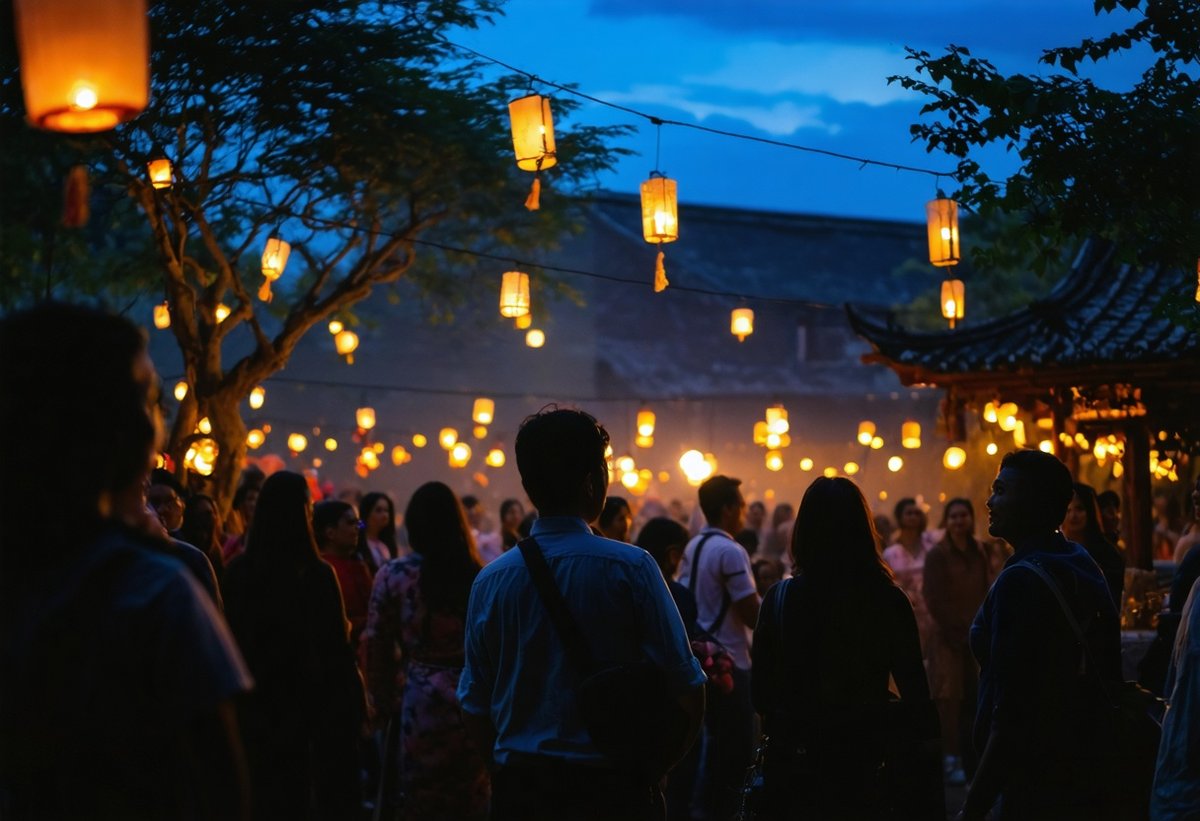
Pay attention to how light interacts with the environment throughout the day. The harsh midday sun creates different opportunities than the soft glow of evening lanterns. Each lighting condition tells a different story about the same event, and capturing this variety adds depth to your photographic narrative.
Capture Candid Moments with Authenticity
In the realm of event photography, candid moments often measure the true pulse of the experience. Seeking out these unposed, unscripted moments captures the authenticity of the event, illustrating the genuine emotion and unfiltered human experiences that make each occasion unforgettable. As a photographer, you must skillfully navigate the fluidity of such moments, remaining both present and unobtrusive.
Capturing candid moments demands a heightened awareness and understanding of the subtle expressions of human interaction. Focus on distilling the essence of the event by witnessing the quiet interactions between participants, the shared laughter, and the fleeting pauses of introspection. It is through these unscheduled snippets of time that the true story unfolds—narratives rich in authenticity and raw emotion.
To capture the most genuine instances, place yourself in the heart of the action while maintaining a respectful distance. Adaptive shooting techniques, such as using a longer focal length or working with natural light, afford you the opportunity to observe and capture without disturbing the scene. Embracing these techniques can yield beautiful, emotive images that bring forth the authenticity inherent to local events for all to appreciate.
Anticipate Decisive Moments
Henri Cartier-Bresson’s concept of the “decisive moment” remains as relevant today as ever. Train yourself to anticipate when significant moments will occur. Watch for patterns in human behavior—the moment before a dancer leaps, the instant when laughter erupts, the split second when emotion crosses someone’s face. Position yourself strategically and keep your camera ready, settings pre-configured for the lighting conditions you’re working in.
Develop your reflexes through practice. Shoot in continuous mode when appropriate, but also learn to trust your instincts about when to press the shutter. The more events you photograph, the better you’ll become at reading situations and predicting when meaningful moments will unfold. This skill, combined with technical proficiency, separates memorable event photography from merely adequate documentation.
The Art of Being Invisible
The best event photographers master the art of being simultaneously present and invisible. Dress appropriately for the event—blend in rather than stand out. Avoid wearing bright colors or clothing that draws attention. Move slowly and deliberately rather than rushing through crowds. Make eye contact and smile when people notice you, but don’t linger or make them feel uncomfortable.
Use quieter camera settings when possible. Turn off unnecessary beeps and sounds. If you’re shooting in a quiet, contemplative moment, consider whether the sound of your shutter will be disruptive. Sometimes the most respectful choice is to simply observe rather than photograph, preserving the sanctity of particularly intimate moments.
Master the Art of Storytelling Through Images
Photography, much like storytelling, is an art form that requires thoughtful curation and perspective. As you aim to master this, consider each photograph as a single frame within a bigger narrative. Approaching events with this mindset allows you to create a cohesive and compelling visual story that encapsulates the entirety of the experience.
Begin by identifying the key threads of your photographic narrative—what are the moments, people, and feelings central to the story? Integrate these elements with strategic composition, lighting, and framing decisions that draw the viewer into a seamless narrative flow. Each image should naturally lead into the next, revealing the deep, interconnected tapestry that binds the event with its environment.
Finally, as with any great story, your selection of images should offer a balance of conflict, resolution, and reflection. The images you choose to include or exclude will influence the story’s voice and thematic resonance. Let your instincts and experiences guide you in crafting a narrative that is neither overly scripted nor lacking in spontaneity, but instead strikes a harmonious balance that captivates and informs. Through your lens, invite others to witness firsthand the profound stories woven within local events.
Create a Narrative Arc in Your Photo Series
Think of your event coverage as a visual essay with a beginning, middle, and end. Start with establishing shots that set the scene—wide views of the venue, preparations, early arrivals. Move into the heart of the event with close-ups of participants, emotional moments, and key activities. Conclude with images that capture the aftermath, departure, or reflection—empty chairs, tired but happy faces, or the quiet cleanup that follows celebration.
This narrative structure helps viewers who weren’t present understand the full arc of the event. It also creates emotional resonance, taking them on a journey rather than simply showing them disconnected moments. When editing your work later, arrange images in a sequence that tells this story effectively, even if that sequence doesn’t match the chronological order in which you captured them.
Vary Your Perspectives and Focal Lengths
A compelling photo story requires visual variety. Alternate between wide, medium, and tight shots. Shoot from different angles—get low to the ground, find elevated positions, shoot through foreground elements. This variation keeps viewers engaged and provides different entry points into your narrative.
Consider bringing multiple lenses or a versatile zoom lens that allows you to quickly adapt to changing situations. A wide-angle lens (24-35mm) captures environmental context, a standard lens (35-70mm) works well for natural perspective, and a telephoto lens (70-200mm) allows you to capture intimate moments from a distance. Each focal length tells the story differently, and using them strategically enriches your overall narrative.
Unveil Hidden Details in Every Frame
Hidden within each frame of a photograph are the details that bring a scene to life. These details—often overlooked in the broader scope—can convey depth, add texture, and enhance the visual richness of your story. As an event photographer, become keenly attuned to these intricacies and your images will blossom with newfound clarity and meaning.
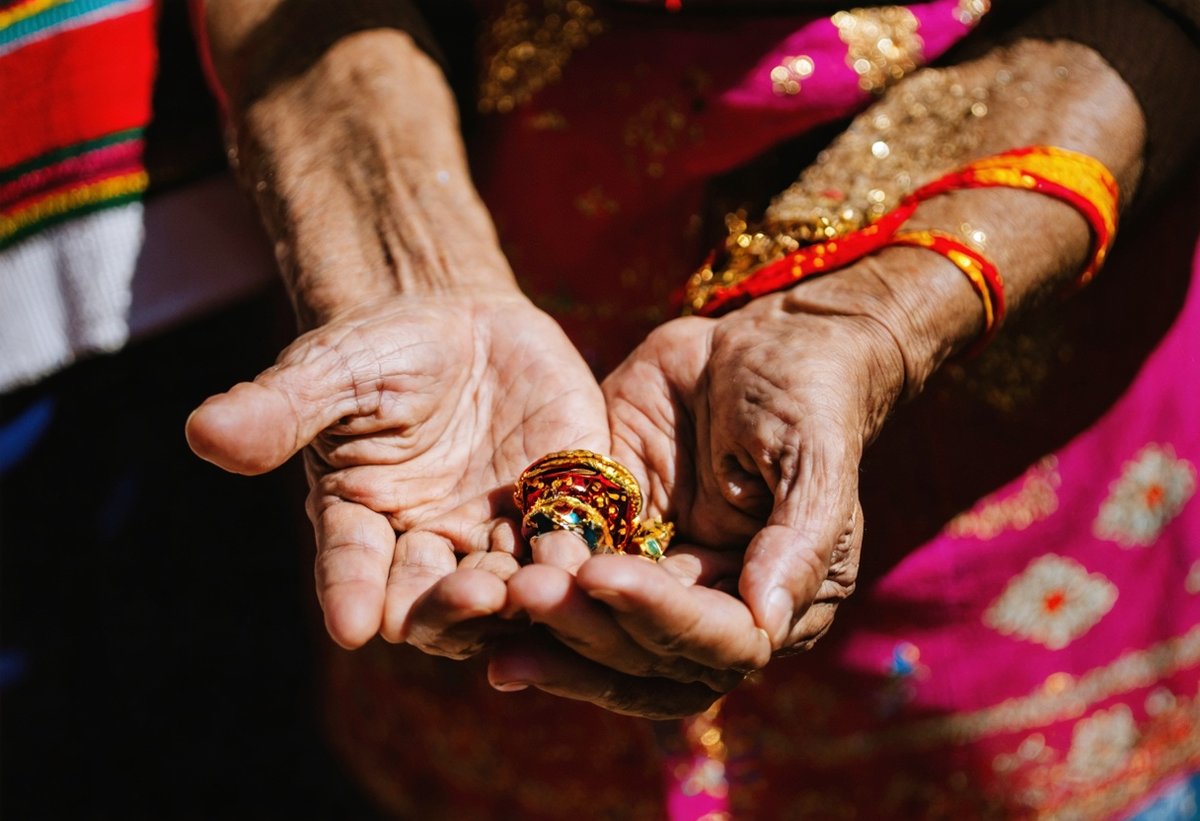
Focus on capturing the nuances that speak volumes about the event’s character. It might be the intertwining hands of an elderly couple, the worn flag that has waved over gatherings for decades, or the footprints left behind by a participant in the dirt. These details imbue your photography with a distinctive voice, painting a vivid picture of the event’s cultural and emotional landscape.
To uncover these hidden details, practice patience and remain observant. Take the time to linger within moments and explore various perspectives—both literal and metaphorical—to reveal the layers that lie beneath the surface. By engaging with these subtleties, you craft a visual narrative that resonates with the authenticity and spirit of the event, allowing viewers to witness the beauty within the smallest facets of the experience.
The Power of Detail Shots
Detail shots serve as punctuation marks in your visual story. They provide breathing room between intense emotional moments and offer viewers a chance to absorb the event’s texture and character. Look for meaningful objects—traditional costumes, handmade decorations, ceremonial items, food preparation, musical instruments, or weathered hands engaged in traditional crafts.
These details often carry profound cultural significance. A close-up of intricate embroidery on traditional dress tells a story about craftsmanship and heritage. The calloused hands of a drummer speak to years of dedication. Steam rising from a pot of traditional food evokes sensory memories. These images work in concert with your wider shots to create a complete, immersive portrait of the event.
Harness Natural Light to Elevate Every Shot
Natural light possesses a remarkable power to transform and enrich a photograph, elevating it beyond mere representation to evoke a profound sense of place and time. As a photographer, embracing natural light in its various forms allows you to infuse your images with emotion and atmosphere, drawing the viewer into the experience.
Begin by understanding how different qualities of light—golden, harsh, soft, or diffused—affect the mood and tone of your photographs. Experiment with shooting during different times of the day, letting the natural light sculpt your compositions in different ways. The soft, diffuse light of early morning can capture the serenity of a scene, while the golden hues of dusk bathe everything in warmth and nostalgia.
Take advantage of natural light by considering its interaction with your subjects and surroundings. Allow shadow and light to play in your compositions, creating depth and contrast that guide the viewer’s eye through the narrative. Through skillful use of natural light, you can capture the local spirit of the event by illuminating the characteristics that make each moment special, engraining them in the collective memory of all those who witness them.
Working with Challenging Lighting Conditions
Local events rarely occur under ideal lighting conditions. You might face harsh midday sun, dim indoor venues, mixed lighting sources, or rapidly changing conditions. Develop strategies for each scenario. In harsh sunlight, look for open shade or use the strong light to create dramatic silhouettes. In low light, increase your ISO, open your aperture, and slow your shutter speed while bracing your camera for stability.
Mixed lighting—combining natural light with artificial sources like stage lights, lanterns, or candles—creates unique challenges and opportunities. Don’t fight the color temperature variations; instead, embrace them as part of the event’s character. The warm glow of candlelight against cool twilight can create magical, atmospheric images that perfectly capture the event’s mood. Understanding how to work with different lighting conditions is crucial for maintaining natural, flattering tones in your event photography.
When to Use Flash (and When to Avoid It)
Flash photography at events requires careful consideration. Direct on-camera flash often creates harsh, unflattering light and can be disruptive. If you must use flash, consider bouncing it off ceilings or walls for softer, more natural-looking illumination. Better yet, use off-camera flash positioned strategically to complement existing light sources.
However, many events are best photographed using only available light. Modern cameras handle high ISO settings remarkably well, allowing you to shoot in surprisingly dim conditions without flash. This approach preserves the authentic atmosphere and allows you to remain unobtrusive. Before the event, test your equipment’s low-light capabilities so you know its limits and can work confidently within them.
Reflect Local Culture in Your Photographic Journey
A profound aspect of event photography is the opportunity to delve deeply into the cultures that emerge in our local communities. By weaving the nuances of these cultures into your photographic journey, you breathe life into your images, crafting a vibrant testimony of human experience.
Begin this journey by immersing yourself in the traditions and histories that form the core of the event. Speak with community members, learn the significance of rituals, and observe how these elements manifest in the faces and actions of those who participate. This cultural context will enrich your understanding of the event, allowing you to approach your subjects with respect and insight.
Bridging the visual and cultural elements into a cohesive narrative allows you to capture the essence of the event in a way that resonates universally. Let your photographs serve as a cultural narrative that celebrates diversity, honors heritage, and offers a glimpse into a world that might otherwise remain unseen. As you reflect the local culture through your lens, you become both a historian and an artist, preserving stories that contribute to the rich tapestry of human life. Organizations like the Magnum Photos cooperative have long championed this approach to documentary and cultural photography, demonstrating how powerful images can bridge cultural divides.
Understanding Cultural Symbolism
Every culture embeds meaning in symbols, colors, gestures, and objects. Before photographing a cultural event, research these symbolic elements. Understanding that certain colors represent mourning in some cultures or celebration in others, or that specific gestures carry religious significance, will inform your photographic choices and help you capture images that resonate with cultural authenticity.
This knowledge also helps you identify the most significant moments to photograph. When you understand that a particular ritual marks a transition point in the ceremony, or that a specific object holds ancestral importance, you can position yourself to capture these moments with the reverence they deserve. Your photographs will carry greater depth and meaning when informed by cultural understanding.
Technical Considerations for Event Photography
While artistic vision drives compelling event photography, technical proficiency ensures you can execute that vision reliably. Understanding your equipment thoroughly allows you to work intuitively, responding to moments as they unfold without fumbling with settings.
Essential Gear for Event Photography
Your gear choices should balance capability with mobility. A full-frame camera with excellent high-ISO performance gives you flexibility in varied lighting conditions. Bring at least two camera bodies if possible—redundancy protects against equipment failure and allows you to keep different lenses mounted for quick adaptation.
Lens selection depends on the event type and venue size. A 24-70mm f/2.8 zoom provides versatility for most situations. Add a 70-200mm f/2.8 for capturing distant subjects or creating compressed perspectives. A fast prime lens like a 35mm f/1.4 or 50mm f/1.4 excels in low light and creates beautiful background separation. Pack extra batteries, multiple memory cards, and a simple cleaning kit.
Camera Settings for Dynamic Events
Configure your camera for quick response. Shoot in RAW format for maximum post-processing flexibility. Use aperture priority mode (Av/A) for most situations, allowing you to control depth of field while the camera adjusts shutter speed. Switch to shutter priority (Tv/S) when you need to freeze or blur motion deliberately. Manual mode gives you complete control but requires more attention during rapidly changing conditions.
Set your autofocus to continuous mode (AI Servo/AF-C) with an appropriate focus area—single point for precise control, zone focusing for moving subjects, or wide area when tracking unpredictable movement. Enable back-button focus to separate focusing from shutter release, giving you greater control over when and what you focus on.
Managing Your Workflow During the Event
Develop a workflow that allows you to stay engaged with the event rather than buried in your camera. Periodically review your images to ensure proper exposure and focus, but don’t spend excessive time chimping (reviewing the LCD screen). Trust your technique and stay present in the moment.
Change memory cards before they fill completely—running out of space during a crucial moment is devastating. Keep used cards in a separate pocket from empty ones to avoid confusion. If the event is particularly important, consider shooting to two cards simultaneously for instant backup, though this drains batteries faster and limits your buffer speed.
Post-Processing: Enhancing Without Distorting
Post-processing completes the creative process, but it should enhance rather than fabricate reality. Your goal is to present the event authentically while making technical and aesthetic refinements that strengthen your visual narrative.
Culling and Selection
Begin by culling your images ruthlessly. Event photography typically yields hundreds or thousands of frames, but only a fraction deserve further attention. In your first pass, eliminate technical failures—poor focus, extreme overexposure, or distracting composition errors. In subsequent passes, choose the strongest images that advance your narrative.
Look for images with strong emotional content, excellent timing, or unique perspectives. Eliminate near-duplicates, keeping only the frame with the best expression, gesture, or composition. Your final selection should tell the event’s story comprehensively without redundancy—quality always trumps quantity.
Developing a Consistent Editing Style
Develop a consistent editing approach that enhances your images while maintaining their authenticity. Adjust exposure, contrast, and white balance to correct technical issues and establish mood. Be cautious with saturation—vibrant colors attract attention but can appear artificial if pushed too far. Local adjustments using graduated filters, radial filters, or adjustment brushes can guide viewers’ eyes and balance uneven lighting.
Create and save presets for common scenarios you encounter—indoor events, outdoor festivals, evening celebrations. These presets provide starting points that you can refine for individual images, dramatically speeding your workflow while maintaining consistency across your series. Remember that effective post-processing should be invisible—viewers should see the moment, not the editing.
Ethical Considerations in Event Photography
Event photography carries ethical responsibilities that extend beyond technical and artistic concerns. How you photograph, what you choose to show, and how you present your images all have implications for the communities you document.
Consent and Privacy
While public events generally allow photography, ethical practice requires consideration of individual privacy and dignity. Photograph people in ways that respect their humanity—avoid images that mock, demean, or misrepresent subjects. When photographing children, be especially mindful and seek parental permission when possible.
If someone objects to being photographed, respect their wishes gracefully. Delete images if requested, and don’t argue about your legal rights—building trust with communities requires prioritizing relationships over individual photographs. This respectful approach often leads to better access and more authentic images in the long run.
Representation and Context
Consider how your images might be interpreted by different audiences. Avoid perpetuating stereotypes or presenting communities in ways that reduce them to exotic curiosities. Provide context when sharing your images—captions, descriptions, or accompanying text that explain the event’s significance and cultural meaning help viewers appreciate what they’re seeing rather than simply consuming visual spectacle.
Be particularly thoughtful when photographing communities different from your own. Recognize your position as an outsider and the power dynamics inherent in who gets to tell whose stories. Whenever possible, share your images with community members and incorporate their feedback. This collaborative approach produces more accurate, respectful documentation. The Royal Photographic Society offers valuable resources on ethical photography practices that every event photographer should consider.
Sharing Your Event Photography
Creating powerful event photographs is only half the journey—sharing them effectively ensures they reach audiences who will appreciate and learn from them.
Building a Compelling Photo Essay
Organize your images into a coherent photo essay that tells the event’s story from beginning to end. Start with 15-30 images that capture the full narrative arc—establishment, development, climax, and resolution. Arrange them in a sequence that creates emotional rhythm, alternating between wide and tight shots, action and reflection, individual and collective experiences.
Write thoughtful captions that provide context without over-explaining. Good captions answer essential questions—who, what, when, where, why—while allowing images to carry the emotional weight. Include quotes from participants when relevant, giving voice to the people you’ve photographed and enriching viewers’ understanding of their experiences.
Platforms for Sharing Event Photography
Different platforms serve different purposes. Instagram works well for reaching broad audiences with individual images or short series, though its format limits deep storytelling. Personal websites or blogs allow more comprehensive presentations with detailed captions and context. Consider platforms like Medium or Exposure that are designed specifically for photo essays and visual storytelling.
Share your work with the community you photographed. Offer prints to event organizers or participants. Submit your photo essays to local newspapers, cultural organizations, or photography publications. Consider exhibitions in community spaces where the people you photographed can see and share your work with others. This reciprocal approach strengthens community bonds and often leads to future opportunities.
Building Long-Term Relationships
The most rewarding event photography comes from sustained engagement with communities rather than one-off visits. Return to the same events year after year, documenting how they evolve while building deeper relationships with participants. These long-term projects yield richer, more nuanced documentation and transform you from an outside observer into a trusted community member.
Maintain connections with community members between events. Share your work, ask for feedback, and listen to their stories. This ongoing dialogue informs your photography and ensures your work serves the community’s interests rather than simply extracting images for your portfolio. Institutions like the International Center of Photography emphasize this community-engaged approach as essential to meaningful documentary work.
Learning from Masters of Event and Documentary Photography
Studying accomplished event and documentary photographers accelerates your development and inspires new approaches to your work. Examine how masters of the craft capture atmosphere, emotion, and cultural significance.
Look at the work of photographers like Sebastião Salgado, who documents communities and traditions with profound empathy and technical excellence. Study Mary Ellen Mark’s intimate portraits that reveal the humanity in every subject. Examine Alex Webb’s complex, layered compositions that capture the chaos and beauty of public gatherings. Consider how contemporary photographers blend documentary and artistic approaches to create fresh perspectives on cultural events.
Analyze what makes their work compelling—composition choices, use of light, moment selection, and how they sequence images to build narratives. Apply these lessons to your own practice while developing your unique voice and perspective. Remember that technical skill serves storytelling—the goal is always to reveal truth and beauty in the communities you document.
Overcoming Common Challenges in Event Photography
Even experienced event photographers encounter obstacles. Recognizing common challenges and developing strategies to address them builds resilience and improves your results.
Dealing with Crowds and Limited Access
Popular events often mean dense crowds that limit your movement and sightlines. Arrive early to scout locations and identify strategic positions. Look for elevated vantage points—stairs, balconies, or hills—that provide clear views over crowds. Alternatively, work within the crowd, using wide-angle lenses to capture the immersive experience of being surrounded by participants.
When access is restricted, work with what you have rather than fighting limitations. Barriers and boundaries can become compositional elements. Shooting through or around obstacles often creates layered, complex images that convey the event’s density and energy. If you’re denied access to certain areas, respect those boundaries while finding creative alternatives that still tell the story.
Managing Fatigue During Long Events
Many cultural events last for hours or even days, testing your physical and mental stamina. Pace yourself—you can’t maintain peak intensity for extended periods. Identify the most important moments through your pre-event research and concentrate your energy there. During quieter periods, rest, hydrate, review your images, and prepare for the next significant phase.
Wear comfortable shoes and dress in layers to adapt to changing conditions. Pack snacks and water. Take breaks to rest your eyes and clear your mind—fatigue degrades your decision-making and creative vision. Remember that event photography is a marathon, not a sprint, and maintaining your energy ensures you’re ready when crucial moments arrive.
Handling Unexpected Situations
Events rarely unfold exactly as planned. Weather changes, schedules shift, key participants arrive late or not at all, and equipment fails at inopportune moments. Develop flexibility and problem-solving skills that allow you to adapt quickly. Carry backup equipment, have contingency plans for different scenarios, and maintain a calm, professional demeanor when things go wrong.
Sometimes unexpected situations create the most memorable images. Rain might add dramatic atmosphere, schedule changes might create interesting juxtapositions, and spontaneous moments often surpass carefully planned shots. Stay alert, remain adaptable, and view challenges as opportunities for creative problem-solving rather than insurmountable obstacles.
The journey of capturing the local spirit through immersive event photography is one filled with rich stories, intricate details, and genuine human connections. By embracing these elements, you not only enrich your own experiences but also contribute to the preservation of the community’s vibrant spirit. As you continue your photographic journey, let your heart be your guide, and allow each image taken to echo the true essence of the moments shared and the stories told. Through your lens, you become part of a legacy that transcends time, offering future generations an intimate glimpse into the heart of the world’s diverse cultures. With dedication, cultural sensitivity, technical proficiency, and genuine respect for the communities you document, your event photography can bridge divides, preserve traditions, and celebrate the beautiful diversity of human experience.