In a world increasingly saturated with social media check-ins and popular travel destinations, there lies a quieter, more introspective way to explore new places: through the art of street photography. This creative pursuit not only sharpens the photographer’s eye but also unveils unique stories hiding in plain sight, offering a rich narrative of urban life that often goes unnoticed. As we wander through bustling streets and serene alleys, each click of the shutter captures more than just a moment; it seizes the essence of a place, echoing with the tales of its people, its history, and its soul.
Street photography transforms the act of travel from passive tourism into active discovery. Rather than following guidebook recommendations to the same overcrowded landmarks, photographers armed with cameras become urban explorers, seeking out the authentic character of a city through its unguarded moments and overlooked corners. This approach to discovering destinations offers a deeper, more meaningful connection to place—one that reveals layers of culture, community, and character that standard tourism often misses entirely.
Capturing the Soul of Hidden Urban Gems
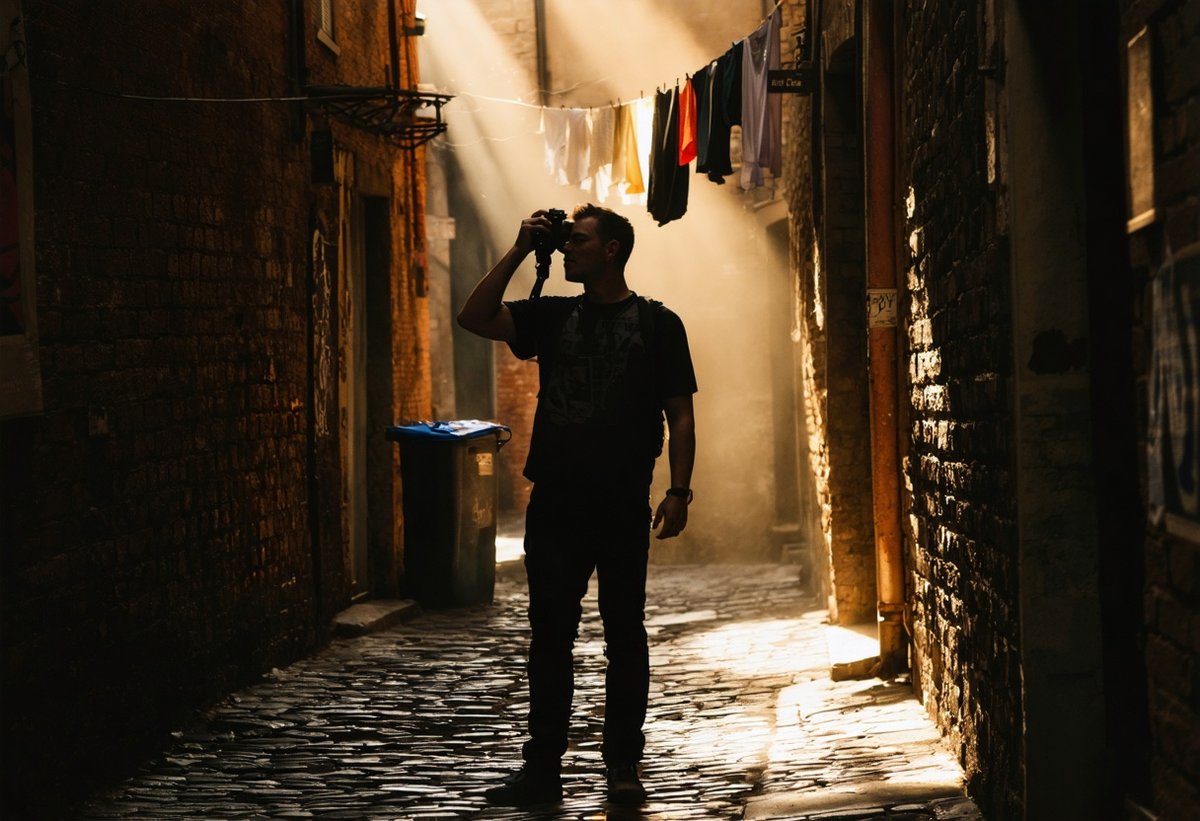
Street photography has the uncanny ability to unearth the soul of hidden urban gems. While tourist hotspots are well-trodden and frequently photographed, the true spirit of a city often resides in its less-explored corners. Through the lens, the forgotten alleys, quiet parks, and bustling local markets reveal their unique charm and character, offering a fresh perspective to those willing to look beyond the obvious.
In these secret nooks, photographers find more than just picturesque settings; they discover stories etched in the worn cobblestones and faded murals. The play of light and shadow on old architecture tells tales of times gone by, while the vibrancy of street art and the rhythm of daily life paint a picture of the present. Each photograph becomes a testament to the past and a celebration of the now, capturing a place’s inherent beauty and complexity.
Through this exploration, street photography does more than just document—it celebrates the understated, the overlooked, and the ordinary that, when seen with a new perspective, become extraordinary. It invites viewers to see the familiar with fresh eyes, igniting a deeper appreciation for the urban landscapes that quietly but powerfully speak of a city’s authentic soul.
Practical Tips for Finding Hidden Locations
Discovering these urban gems requires both strategy and spontaneity. Start by researching neighborhoods away from major tourist districts—areas where locals actually live and work. Food markets, residential streets during morning hours, and neighborhood cafés often yield the most authentic scenes. Use mapping applications to identify interesting street patterns, but be willing to deviate from your planned route when something catches your eye.
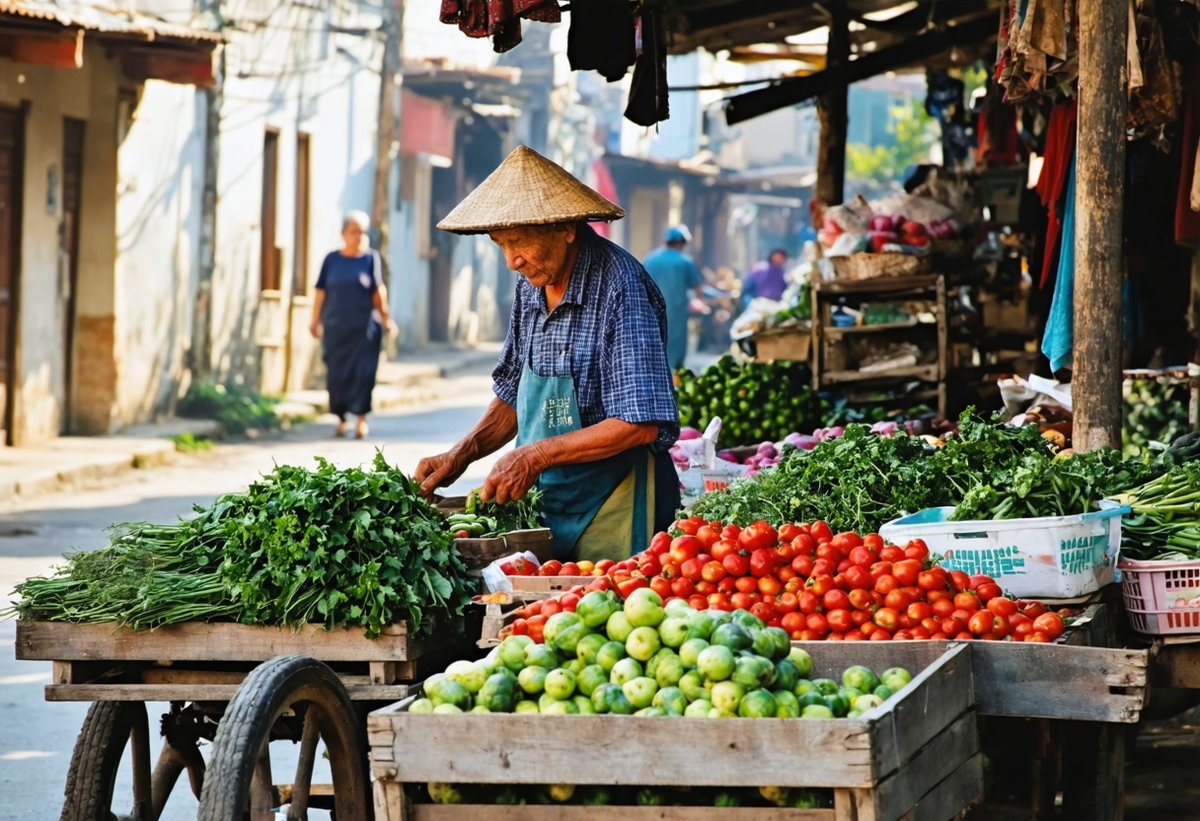
Talk to locals, from shopkeepers to taxi drivers, about their favorite spots in the city. These conversations not only lead to photographic opportunities but also provide cultural context that enriches your understanding of place. Consider visiting the same location at different times of day—morning light transforms a street completely from its evening appearance, revealing different aspects of its character and different communities using the space.
How Street Photography Ignites Wanderlust
The raw allure of street photography lies in its ability to transform everyday scenes into captivating narratives, fueling a desire to explore and discover. Unlike staged or heavily curated travel photography, street photography embraces spontaneity and authenticity, drawing viewers into the unfiltered essence of new destinations. This immediacy and honesty compel us to pack our bags and step beyond the confines of our routine.
Each street photograph serves as a window into the life of a location, sparking curiosity and a yearning to experience the vibrancy of different cultures firsthand. The transformational impact of observing life’s candid moments—whether it’s a street musician playing an impromptu concert, a lively conversation between market vendors, or a solitary figure framed against a city skyline—stirs a wanderlust that drives us to seek these raw experiences ourselves.
Moreover, street photography invites us to imagine the stories behind each captured image, prompting our spirits to wander across the lines the photographs draw. It evokes a sense of adventure, encouraging us to explore unknown streets and forge our own paths in pursuit of similar compelling and authentic encounters. The genre’s power lies in its democratic nature—extraordinary moments exist everywhere, not just in exotic locations, teaching us that adventure and discovery await in any city if we approach it with the right mindset.
Building a Travel Photography Mindset
Developing a street photography approach to travel means cultivating patience and presence. Rather than rushing through a checklist of attractions, allow yourself extended periods in single neighborhoods. Spend an afternoon in one plaza, watching how the light changes, how different people use the space, and how the energy shifts throughout the day. This depth of observation produces more meaningful photographs than superficial coverage of multiple locations.
Train yourself to notice the extraordinary within the ordinary. A reflection in a puddle, an interesting juxtaposition of old and new architecture, or the gesture of a street vendor arranging produce—these moments reveal the character of a place more authentically than any landmark. This observational practice, central to documentary photography, transforms how you experience every destination, making even familiar cities feel newly discovered.
Finding Stories in Every Corner and Alley
Every corner and alley carries whispers of stories waiting to be discovered. Street photography acts as a conduit through which these stories are not only heard but felt. A seemingly mundane scene, when viewed through the lens of a street photographer, transforms into a tapestry of human experience—weaved with tales of joy, struggle, love, and resilience.
The beauty of street photography lies in its unfiltered lens; it captures life as it is, in all its messy unpredictability. Whether it’s a group of children playing soccer in a narrow alley or an elderly couple sharing a quiet moment on a park bench, each scene carries an unspoken narrative, inviting viewers to pause and consider the intricate, often unseen threads that connect us all.
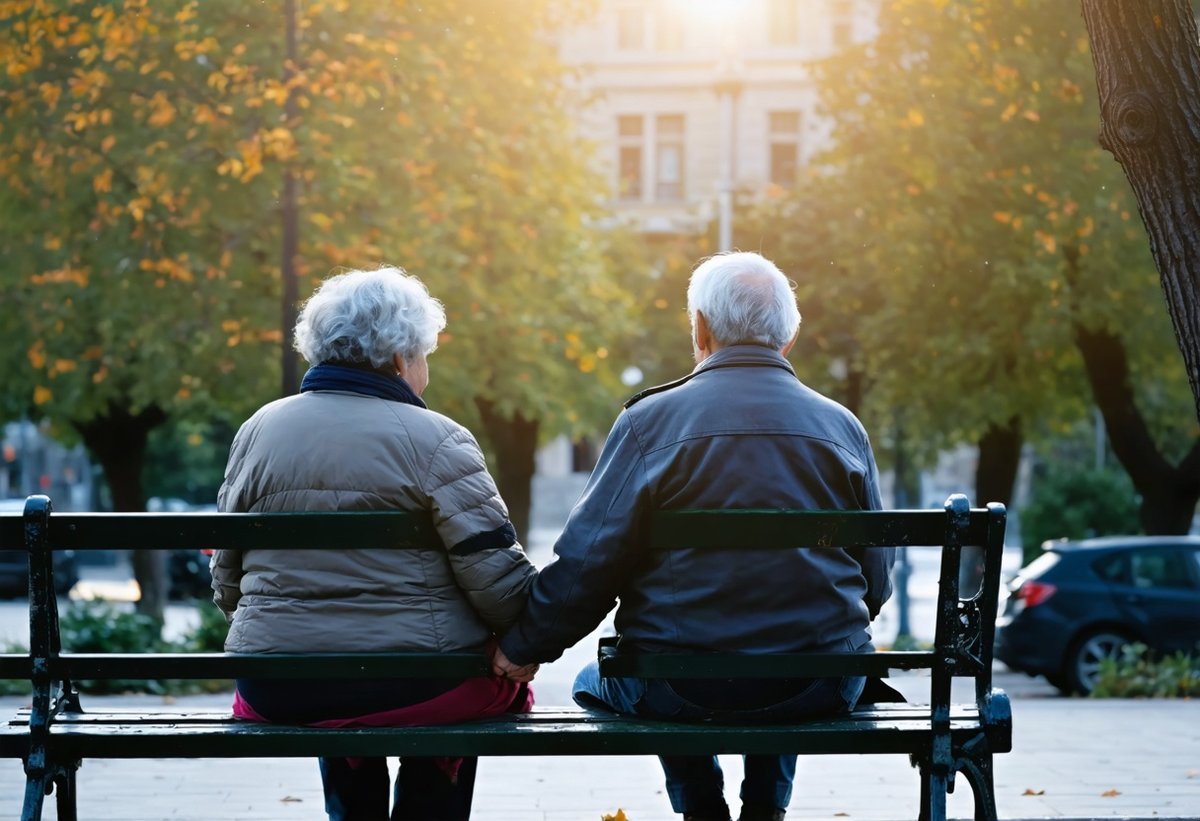
In every shot, there is an opportunity to delve deeper into the human condition, to find empathy and connection in unexpected places. Street photographers become storytellers, their images offering glimpses into the lives and stories that animate our urban landscapes, encouraging us to look beyond the surface and appreciate the layers of narratives that make up a city.
Developing Your Narrative Eye
Learning to recognize stories in street scenes requires practice and intention. Start by asking questions as you observe: What is this person’s relationship to this space? What just happened before this moment? What might happen next? These narrative questions help you anticipate decisive moments and understand the emotional content of a scene before pressing the shutter.
Look for visual elements that suggest story: contrasts between individuals, interactions between people and their environment, expressions that convey emotion, or gestures that communicate relationship. The juxtaposition of elements within your frame—a modern storefront next to a centuries-old building, youth and age occupying the same space, tradition and innovation coexisting—creates layers of meaning that invite viewers to construct their own interpretations.
Consider creating photo series rather than isolated images when exploring a new destination. Following a theme—morning routines, street vendors, public transportation, architectural details—provides structure to your exploration while building a more comprehensive narrative about a place. This approach, common among Magnum photographers, results in bodies of work that communicate the complexity of urban life more effectively than single images.
Embracing Serendipity on Our Urban Travels
Street photography thrives on serendipity—a chance meeting, an unexpected scene that compels you to pause and capture the moment. As we wander through urban landscapes, we learn to embrace spontaneity, allowing our paths to be guided by curiosity and coincidence rather than a rigid itinerary. This openness to the unexpected often leads to the most rewarding discoveries.
The thrill of capturing a serendipitous moment is one of the great joys of street photography. It trains the eye to notice things often overlooked—the way sunlight filters through a canopy of leaves, or how a sudden rain shower transforms a busy street into a canvas of reflections. These unscripted moments, once captured, become timeless records of human spontaneity and beauty.
Embracing serendipity in street photography encourages a mindset of exploration and wonder. It teaches us that the journey itself can be just as fulfilling as the destination, and that the greatest stories often unfold when we allow ourselves to get lost in the ebb and flow of urban life. This willingness to surrender control and follow intuition distinguishes memorable travel experiences from merely checking boxes on a tourist itinerary.
Techniques for Maximizing Serendipitous Encounters
While serendipity involves chance, you can create conditions that increase fortunate accidents. Walk rather than taking transportation whenever possible—the slower pace allows you to notice details and change direction spontaneously when something interesting appears. Leave your camera readily accessible rather than packed away; the best moments often vanish within seconds, and fumbling with a camera bag means missing the shot.
Practice what street photographers call “working a scene”—when you encounter an interesting location or situation, don’t just take one photo and move on. Stay for 10, 20, or even 30 minutes, observing how the scene evolves. Different people will pass through, the light will change, and unexpected interactions will occur. Some of the most celebrated street photographs resulted from photographers patiently waiting for all the elements to align perfectly within a promising location.
Get lost intentionally. Choose a direction and walk without consulting maps or navigation apps. This deliberate disorientation, practiced safely in daylight in reasonably secure areas, removes the efficiency mindset that prevents discovery. When you don’t know where you’re going, every turn presents possibility, and you remain alert to your surroundings in ways that following GPS directions prevents.
The Power of Perspective in New Destinations
Perspective is everything in street photography. It shapes how we see the world and, ultimately, how we capture it. New destinations offer a fresh slate for exploring diverse perspectives, challenging photographers to view the unfamiliar through various lenses—literally and metaphorically. This exploration not only enriches the photographic journey but deepens personal understanding of different cultures and environments.
Shifting perspectives can reveal unexpected beauty in common scenes, turning a mundane street corner into a canvas of vibrant activity or a quiet alley into a gallery of light and shadow play. By actively seeking out new angles and viewpoints, photographers unlock hidden layers within their subjects, transforming the ordinary into something remarkable.
Engaging with new perspectives allows street photographers to convey a more nuanced, comprehensive narrative of a place. It highlights the multifaceted nature of urban life, prompting both photographer and viewer to question their own preconceived notions and embrace the diverse tapestry of human experience that unfolds with every frame.
Physical and Conceptual Perspectives
Physical perspective involves your literal position relative to your subject. Shooting from ground level creates drama and emphasizes scale, making ordinary subjects appear monumental. Elevated positions—from stairs, bridges, or upper-floor windows—reveal patterns in crowd movement and urban design invisible from street level. Getting close with wide-angle lenses creates intimacy and immersion, while longer focal lengths compress space and isolate subjects from chaotic backgrounds.
Conceptual perspective involves the interpretive framework you bring to a location. Your cultural background, personal experiences, and photographic influences all shape what you notice and how you frame it. Traveling to new destinations challenges these ingrained perspectives, forcing you to question assumptions and see with fresh eyes. A photographer from a rural area might notice urban density and anonymity differently than a lifelong city dweller, while someone from a warm climate might be struck by how cold weather shapes public behavior and architecture.
Deliberately experimenting with unfamiliar perspectives expands your visual vocabulary. If you typically shoot at eye level, spend a day photographing only from low or high angles. If you favor wide-angle lenses, restrict yourself to a telephoto. These constraints force creative problem-solving and help you discover new ways of seeing that enhance all your future work.
Connecting with People Through the Lens
Street photography creates a bridge between strangers, revealing the humanity that binds us all. With each snapshot, photographers capture not only the likeness of their subjects but also the emotions and stories behind their expressions. This connection transcends language and culture, forming bonds between people who may never meet yet share a moment captured in time.
Through the lens, photographers can immerse themselves in the lives of others, if only for a fleeting moment. The candid nature of street photography often allows for authentic human connections—capturing a child’s laughter, a moment of introspection on a commuter’s face, or the interaction between street performers and their audience. These glimpses of real life resonate with viewers, eliciting empathy and understanding.
This human connection is the heart of street photography, reminding us that beyond the differences in our backgrounds, we all share common experiences and emotions. By connecting with others through the camera, photographers contribute to a tapestry of shared humanity, encouraging us to understand and appreciate the rich diversity that colors our world.
Ethical Considerations and Respectful Practice
Photographing strangers raises important ethical questions that every street photographer must navigate. While laws vary by location, legal permission differs from ethical consideration. Just because you can legally photograph someone doesn’t always mean you should. Developing sensitivity to cultural norms, individual privacy, and power dynamics ensures your practice respects the dignity of your subjects.
In new destinations, research local attitudes toward photography before shooting. Some cultures welcome cameras enthusiastically, while others view them as intrusive or even threatening. When photographing vulnerable populations—homeless individuals, children, or people in distress—consider whether your image exploits their situation or contributes to understanding and empathy. Ask yourself: does this photograph serve the subject’s dignity or merely my artistic ambitions?
Many street photographers develop approaches that balance candid authenticity with respect. Some make eye contact and smile before shooting, creating a moment of acknowledgment even without verbal permission. Others photograph more discreetly but remain willing to delete images if subjects object. Still others engage in conversation after taking photos, sharing contact information so subjects can receive copies. These practices recognize that ethical street photography honors the humanity of subjects rather than treating them as mere visual elements. For more on these considerations, the Royal Photographic Society offers guidance on ethical practice.
Unveiling the Layers of City Life
Behind the visible façade of any city lies a multitude of stories and experiences, waiting to be unveiled through street photography. Each layer of urban life carries its own rhythm, from the daily bustle of commuters and vendors to the quieter, introspective moments of individuals moving through their day. Street photography invites us to peel back these layers and capture the diverse experiences that coexist within the metropolis.
A single photograph can encapsulate the complexity of city life, weaving together disparate elements into a cohesive narrative. The interplay of light and shadow, movement and stillness, chaos and tranquility—all are laid bare through the lens, portraying a city’s multifaceted soul. This narrative goes beyond postcards or travel brochures, offering an authentic window into the pulse of urban life.
By documenting the layers of city life, street photographers provide a unique archive of human experience. They capture the evolution of urban landscapes as well as the enduring elements that define a place. In doing so, they offer valuable insights into the ever-changing yet fundamentally timeless nature of cities and the people who inhabit them.
Temporal Layers: Photographing Time in Cities
Cities exist in multiple time periods simultaneously. Ancient architecture stands beside modern glass towers, traditional practices persist alongside contemporary innovations, and historical memory competes with present-day realities. Street photographers who recognize these temporal layers create images that speak to continuity and change, tradition and transformation.
Look for visual juxtapositions that highlight these temporal contrasts: an elderly person in traditional dress using a smartphone, historical monuments reflected in modern building facades, or ancient street patterns accommodating contemporary traffic. These images communicate how cities negotiate between preserving identity and embracing progress, revealing tensions and harmonies that define urban character.
Consider also photographing the same location across different time scales—returning to a spot during different seasons, times of day, or even over years. This practice, similar to approaches used in post-documentary photography, reveals how places transform while maintaining essential character, creating visual essays that document urban evolution in ways single images cannot achieve.
Technical Considerations for Street Photography While Traveling
While street photography emphasizes vision and timing over technical perfection, understanding your equipment and making smart technical choices enhances your ability to capture decisive moments in new destinations. The right gear and settings free you to focus on observation and composition rather than fumbling with controls when opportunities appear.
Choosing Equipment for Travel Street Photography
The best camera for street photography is the one you’ll actually carry everywhere. While professional gear offers technical advantages, a lightweight, unobtrusive setup often produces better results by allowing you to shoot longer, move faster, and attract less attention. Many celebrated street photographers work with compact cameras or even smartphones, proving that vision matters more than equipment.
If using an interchangeable lens camera, consider a single prime lens—35mm or 50mm equivalent focal lengths work well for most street photography. These moderate wide-angles capture environmental context while remaining close enough for intimate moments. Prime lenses are typically smaller, lighter, and faster than zooms, with wider maximum apertures that perform better in low light and create pleasing background separation when desired.
Prioritize cameras with good high-ISO performance, fast autofocus, and responsive handling. Street photography often happens in challenging light—shaded alleys, evening streets, indoor markets—where the ability to shoot at ISO 1600, 3200, or higher without excessive noise proves invaluable. Similarly, autofocus that locks quickly on moving subjects prevents missed shots, while intuitive controls let you adjust settings without taking your eye off the scene.
Camera Settings and Shooting Techniques
Many street photographers favor aperture priority mode, setting their aperture based on desired depth of field and letting the camera determine shutter speed. For general street scenes with good light, f/5.6 to f/8 provides sufficient depth of field while maintaining reasonable shutter speeds. In lower light or when isolating subjects, wider apertures like f/2.8 or f/1.4 allow faster shutter speeds and create separation between subject and background.
Shutter speed matters critically for freezing motion. As a general rule, 1/250 second or faster stops most walking movement, while 1/500 second or higher freezes running or rapid gestures. In bright conditions, these speeds come easily, but in shade or indoors, you’ll need to increase ISO to maintain them. Don’t fear higher ISOs—a slightly grainy sharp image succeeds where a noise-free blurry one fails.
Consider shooting in continuous/burst mode, particularly for dynamic scenes with unpredictable action. Capturing three to five frames in quick succession increases your chances of getting the perfect expression or gesture. Review and delete inferior frames later rather than missing moments trying to time single perfect shots.
For those interested in exploring the intersection of traditional and contemporary approaches, understanding how technology shapes photographic practice provides valuable context. The evolution from film to digital has fundamentally changed street photography’s possibilities and constraints, much as institutions like the International Center of Photography have documented throughout photography’s history.
Inspiring Journeys Through Captured Moments
Street photography is not just a documentation of moments but an inspiration for journeys—both physical and introspective. Each captured moment tells a story that invites viewers to embark on their own adventures, exploring the world with renewed curiosity and openness. The power of these images lies in their ability to evoke emotion and inspire action.
Every photograph is a beacon, guiding us toward the places we’ve never been and the experiences we’ve yet to encounter. They urge us to step outside our comfort zones, to wander down unfamiliar streets, and to embrace the unexpected. These captured moments remind us that adventure is all around, waiting to be found in the everyday if we only take the time to look.
Ultimately, street photography inspires us to live with greater awareness and appreciation for the beauty and diversity of the world around us. It encourages us to view our journeys as collections of such moments, fostering a deeper connection to the places we visit and the people we meet along the way. In this, it transforms photography from a mere hobby into a powerful catalyst for exploration and understanding.
Sharing Your Street Photography Journey
How you share your street photography shapes its impact on viewers and your own development as a photographer. Rather than posting every image immediately to social media, consider curating thoughtfully. Select your strongest work—images that genuinely communicate something about a place or moment—and present them with context that enhances understanding without over-explaining.
When sharing travel street photography, include enough information to ground viewers in the location and situation without reducing images to mere illustration. A simple caption noting the city, neighborhood, or general context helps viewers appreciate cultural specifics while leaving room for their own interpretation and emotional response. Avoid excessive technical details in public sharing—most viewers care about what an image communicates, not which camera settings produced it.
Consider developing a consistent editing style that becomes recognizable across your work while remaining true to each location’s character. This doesn’t mean applying identical presets to every image, but rather developing an aesthetic sensibility—your approach to contrast, color, composition—that unifies your portfolio while respecting each photograph’s individuality. This balance between consistency and flexibility helps viewers recognize your work while appreciating the diversity of places you document.
Creating Photo Essays and Series
Individual street photographs can be powerful, but series and photo essays offer opportunities for deeper storytelling about destinations. Rather than presenting isolated moments, a series builds narrative through multiple related images, revealing complexity and nuance impossible in single frames. This approach aligns with how professional photojournalists and documentary photographers work when covering locations or stories.
When developing a photo essay about a destination, establish a clear theme or question you’re exploring: How do people use public space? What defines this neighborhood’s character? How does tradition coexist with modernity? This conceptual framework guides your shooting, helping you recognize relevant moments and create a cohesive body of work rather than a random collection of images.
Structure your essay with variety in shot types—establishing wide shots that show context, medium shots that capture interactions and relationships, and close details that reveal texture and intimacy. This visual rhythm keeps viewers engaged while building comprehensive understanding of your subject. Consider also including images that complicate or question your theme rather than merely reinforcing it; this complexity creates more honest, interesting narratives.
Overcoming Common Challenges in Street Photography
Street photography while traveling presents unique challenges beyond those faced when shooting in familiar locations. Language barriers, cultural differences, unfamiliar environments, and limited time all complicate the already difficult task of capturing candid moments in public spaces. Understanding these challenges and developing strategies to address them improves both your comfort level and your results.
Managing Self-Consciousness and Fear
Many photographers, even experienced ones, feel self-conscious when shooting street photography in new places. The fear of being noticed, confronted, or appearing intrusive can paralyze even those with strong technical skills. This anxiety often intensifies in foreign destinations where language barriers and cultural unfamiliarity heighten uncertainty about social norms and reactions.
Start by recognizing that most people pay less attention to photographers than you imagine. In busy urban environments, individuals focus on their own activities and destinations, barely noticing someone with a camera. When people do notice, reactions are typically neutral or positive—curiosity rather than hostility. Genuine problems arise rarely, and when they do, a smile and apology usually resolve the situation.
Build confidence gradually. Begin in busy, touristy areas where cameras are common and expected, then venture into less-photographed neighborhoods as your comfort grows. Practice shooting from the hip or using your camera’s screen rather than the viewfinder initially, which feels less confrontational. As you realize that most people don’t react negatively, your confidence will naturally increase, allowing you to shoot more directly and deliberately.
Dealing with Difficult Lighting Conditions
Cities present constantly changing, often challenging light. Narrow streets create deep shadows while nearby buildings reflect harsh light. Midday overhead sun produces unflattering contrast, while evening light fades quickly. Indoor markets and covered passages require high ISOs, while transitioning between bright exteriors and dim interiors challenges exposure systems.
Rather than fighting difficult light, learn to use it creatively. Harsh midday sun creates strong shadows that can become graphic elements in compositions. Backlight produces dramatic silhouettes and rim lighting. The blue hour after sunset bathes cities in beautiful, even light while artificial illumination creates warm accents. Each lighting condition offers possibilities if you adjust your approach rather than waiting for “perfect” light.
Embrace high-contrast situations by exposing for highlights and letting shadows go dark, or vice versa, rather than trying to capture detail everywhere. This decisive approach often produces more dramatic, compelling images than perfectly exposed but visually flat photographs. Modern cameras handle high dynamic range remarkably well, but sometimes accepting contrast rather than fighting it creates stronger visual impact.
The Transformative Power of Street Photography on Travel
In the fast-paced chaos of modern life, street photography calls us to pause, observe, and connect with the world in a more profound way. It invites us to explore beyond the beaten path, finding beauty and stories in overlooked places. By embracing the art of street photography, we embark on a journey not just of places, but of perspectives, people, and moments that bind us in our shared human experience.
Each photograph becomes a testament to discovery—an invitation to uncover the world’s hidden gems and, in doing so, discover ourselves anew. Through this captivating lens, new destinations become more than just points on a map; they transform into havens of inspiration, ready to be explored one captured moment at a time. The practice fundamentally changes how we travel, shifting our focus from consuming tourist experiences to genuinely engaging with places and people.
Street photography teaches patience in an impatient world, observation in an age of distraction, and connection in an era of isolation. It rewards those who slow down, pay attention, and remain open to possibility. The skills developed through street photography—visual awareness, cultural sensitivity, storytelling ability, technical proficiency—transfer to all aspects of life, making us more observant, empathetic, and engaged citizens of an increasingly interconnected world.
Whether you’re a seasoned photographer or just beginning to explore this genre, approaching travel through the lens of street photography promises richer, more meaningful experiences. You’ll return from trips not just with photographs but with genuine understanding of the places you’ve visited and the people who inhabit them. In an age where authentic travel experiences feel increasingly rare, street photography offers a path toward genuine discovery, connection, and the kind of transformative encounters that remind us why we travel in the first place.
So pick up your camera, step out into the streets of somewhere new, and allow yourself to see with fresh eyes. The stories are there, waiting in every corner and alley, ready to reveal themselves to those patient and observant enough to notice. Your next great photograph—and perhaps your most meaningful travel experience—might be just around the corner.