The ocean, a vast expanse of mystery and wonder, calls out to the adventurer in all of us, inviting us to explore its depths and unravel its secrets. For many, the allure of an underwater vacation is irresistible. The thrill of diving into the blue, the anticipation of witnessing vibrant marine life, and the challenge of capturing its beauty create an unforgettable experience. This comprehensive guide will inspire and equip you with the knowledge to embark on a journey into the deep, where adventure and discovery await, ready to fill the pages of your life’s story with vibrant splashes of aquatic color—and stunning underwater photographs that preserve these moments forever.
Embrace the Call of the Ocean’s Depths
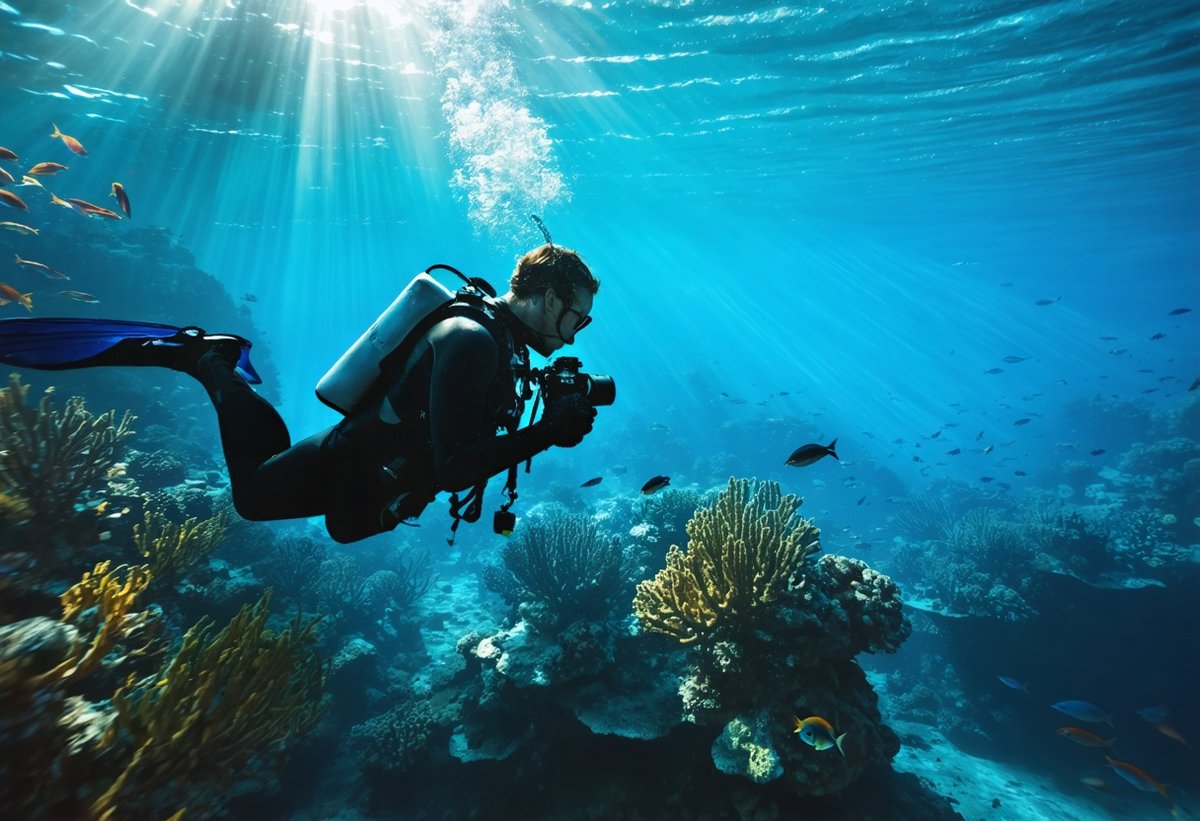
The ocean has a magnetic pull that stirs the soul, beckoning you to explore the world beneath the waves. The depths promise unseen wonders, from iridescent coral gardens to the graceful dance of sea creatures. Each dive is a new chance to rediscover the world, expanding your horizons and reigniting your sense of wonder. The ocean’s call is not just about the exploration of the external world but also an invitation to dive deep within yourself, to find tranquility and the thrill of adventure in equal measure.
Answering this call begins with acknowledging your desire for discovery and embracing the ocean’s allure. It’s about taking the first step into a world where the only limits are your curiosity and wonder. The ocean’s depths are a canvas painted by nature in the most brilliant hues, offering an unending gallery of the bizarre and the beautiful. Whether you are a seasoned diver or a novice, the ocean welcomes you with open arms, promising a transformative experience that only its immense blue heart can offer.
As you prepare to heed this call, let your heart fill with excitement and anticipation for the adventures that await. Embrace the unknown with courage and a spirit of exploration. Here, in the silence beneath the waves, you will find peace and exhilaration, awe and inspiration. The ocean’s depths are a testament to the Earth’s grandeur, waiting to be explored, cherished, and respected by those brave enough to answer its call.
Packing Essentials for Your Grand Dive
Core Diving Equipment
Before plunging into the marine realm, assembling the right gear is paramount to ensuring a safe and enjoyable underwater adventure. Start with quality snorkeling or diving gear tailored to your comfort and skill level—this includes a snug-fitting mask, snorkel, fins, and, if diving deeper, a reliable wetsuit and diving regulator. High-quality gear not only enhances your underwater experience but also plays a crucial role in your safety, allowing you to explore freely and confidently.
Your mask should create a perfect seal without being uncomfortably tight. Test it by placing it on your face without the strap and inhaling gently through your nose—it should stay in place. Fins should fit snugly but not painfully, as you’ll be wearing them for extended periods. Consider full-foot fins for warm water diving and open-heel fins with booties for colder conditions or rocky entries.
Photography-Specific Gear
For photographers, packing doesn’t stop with the basic gear; it extends to specialized equipment that will help you capture the underwater world in all its glory. Your underwater camera or housing is your most critical investment. Options range from waterproof compact cameras and action cameras like GoPros to sophisticated mirrorless or DSLR cameras in protective housings. Each option offers different advantages: compact cameras provide portability and ease of use, while housed DSLRs offer superior image quality and creative control.
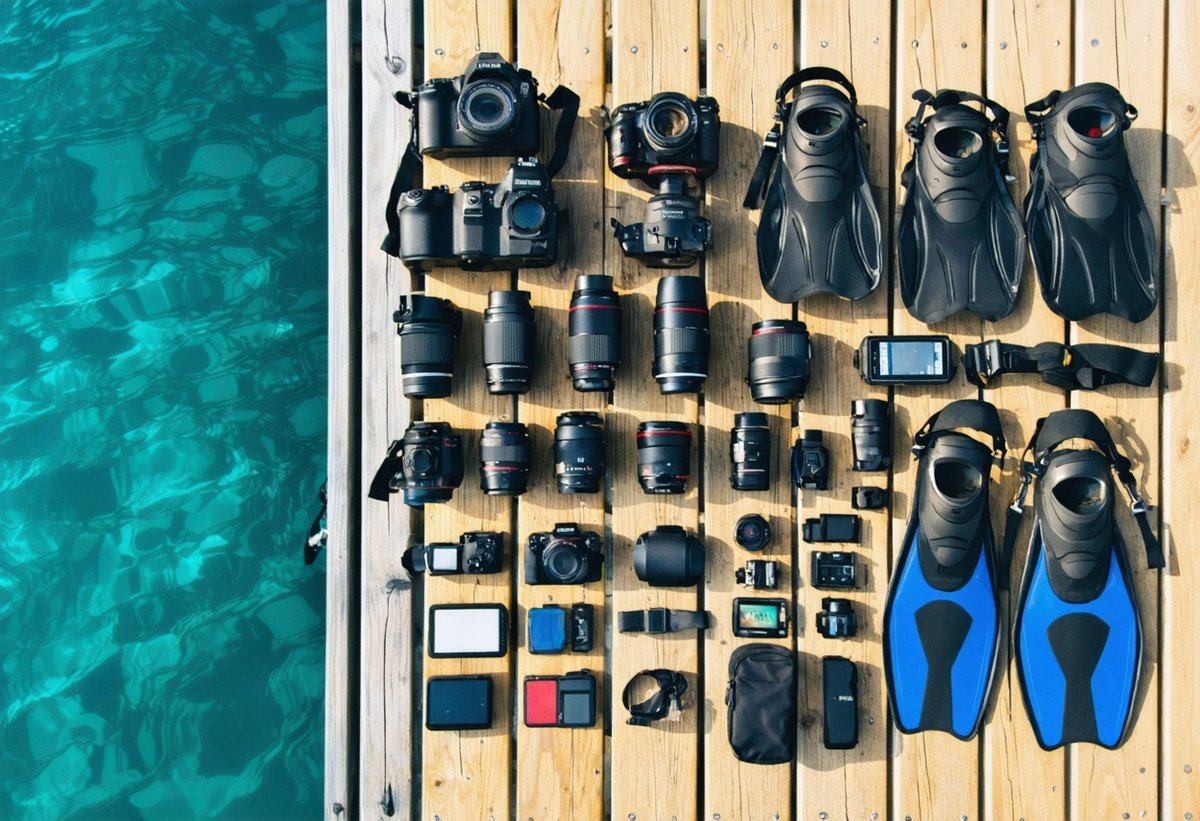
Don’t forget your underwater camera’s essential accessories: strobes or video lights to illuminate subjects in the water’s color-absorbing environment, red filters for natural light shooting at shallow depths, and extra batteries and memory cards in waterproof containers. A dive computer to monitor your depth and time ensures you stay within safe limits while focusing on your photography. Consider bringing a waterproof dive log where you can jot down camera settings, dive conditions, and details of your encounters after each dive—this becomes both a learning tool and a cherished keepsake.
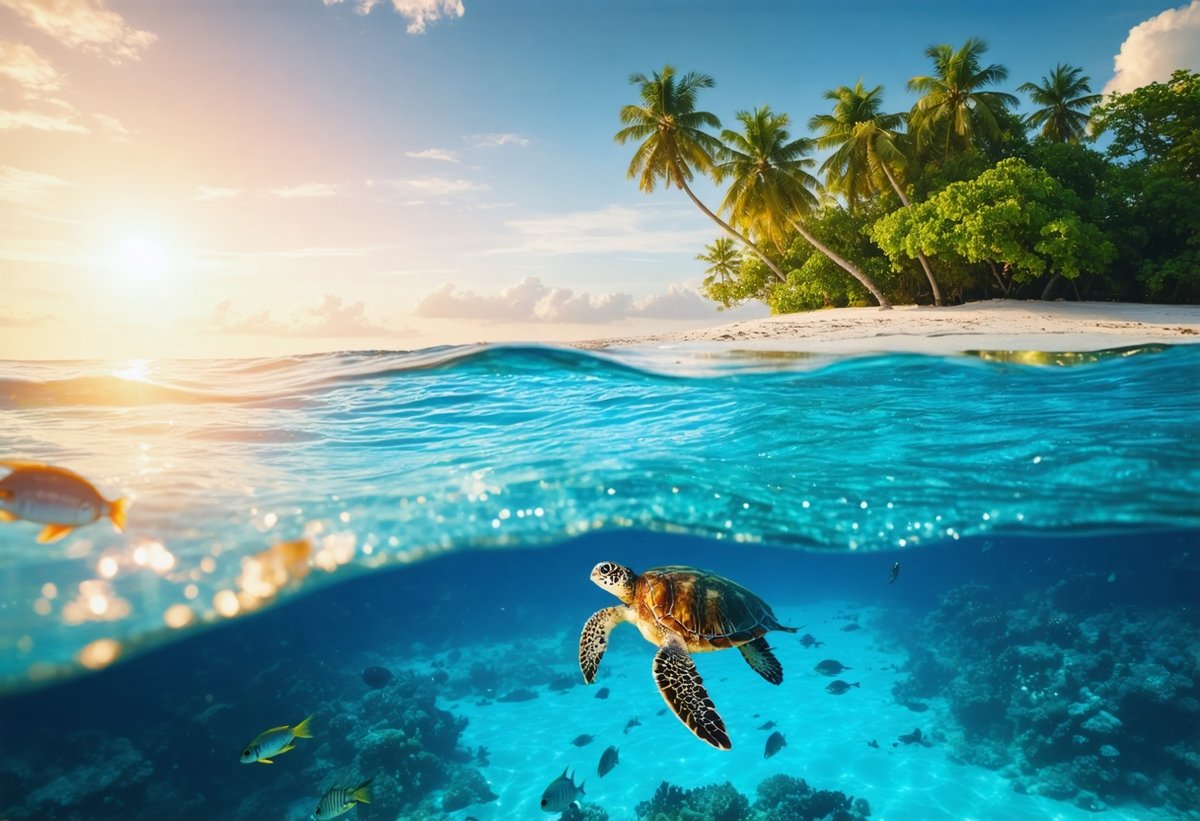
Macro lenses reveal the intricate details of tiny critters like nudibranchs and shrimp, while wide-angle lenses capture expansive reef scenes and larger marine life. Many underwater photographers carry both options, switching based on dive site conditions and expected subjects. Dome ports are essential for wide-angle work, creating that stunning split-level effect where you capture both above and below the waterline.
Additional Essentials
Preparing for an underwater adventure requires more than just physical gear; mental preparation and a flexible attitude are just as important. Research your destination’s climate and water conditions to pack appropriately, bringing sun protection, reef-safe sunscreen, and lightweight clothing for topside comfort. A good quality dry bag protects your electronics and valuables between dives. Packing these essentials empowers you to immerse yourself in the underwater world without concerns, allowing your mind to truly savor the wonders below.
Choosing Your Perfect Underwater Destination
Not all underwater destinations are created equal. Your choice of destination can greatly enhance your diving experience, reflecting your personal preferences and photographic goals. Think about what you wish to encounter: perhaps the drift dives amongst the manta rays of the Maldives, the underwater caverns of Mexico’s cenotes, or the vibrant corals of the Great Barrier Reef. Each location offers unique ecosystems, allowing you to customize your adventure according to your interests.
Best Destinations for Beginner Underwater Photographers
Research and choose a destination that aligns with your diving skills and provides the experiences you yearn for. If you’re newer to diving, opt for locations with calmer waters and abundant shallow reefs, such as the Bahamas, Bonaire, or the Caribbean islands. These destinations offer excellent visibility, warm waters, and diverse marine life at accessible depths—perfect conditions for honing your underwater photography skills without the added challenge of strong currents or deep dives.
The Red Sea in Egypt offers spectacular coral walls and an incredible diversity of fish species in relatively calm conditions. Cozumel, Mexico, combines easy diving with stunning underwater landscapes and the famous drift dives that gently carry you along colorful reefs. The Philippines provides world-class macro photography opportunities with calm conditions perfect for beginners seeking to capture tiny critters.
Advanced Destinations for Experienced Divers
For experienced divers seeking thrills and challenging photographic opportunities, locations with advanced dives offer both excitement and reward. The wrecks of Truk Lagoon in Micronesia provide hauntingly beautiful subjects frozen in time, while the walls of Fiji drop into the abyss, creating dramatic compositions. Indonesia’s Raja Ampat offers the world’s highest marine biodiversity, with strong currents that bring nutrients and pelagic species. The Galápagos Islands deliver encounters with hammerhead sharks, marine iguanas, and other unique species found nowhere else on Earth.
South Africa’s sardine run presents one of nature’s greatest spectacles—massive baitballs attacked by dolphins, sharks, and seabirds—though it requires advanced skills and cold-water diving experience. Each destination is a unique chapter waiting to be written in your underwater adventure narrative, offering distinctive photographic opportunities that will expand your portfolio and challenge your skills.
Sustainable Tourism Considerations
When selecting your ideal location, also consider the logistical aspects such as accessibility, local resources, and environmental protections. Responsible and sustainable tourism practices ensure that your visit helps preserve these natural wonders for future adventurers. Look for dive operators certified by organizations like the Project AWARE Foundation, which promotes marine conservation and responsible diving practices.
A well-chosen destination not only fulfills your quest for adventure but also reinforces your commitment to ocean conservation, creating a deeper and more meaningful connection with the underwater world. Consider participating in citizen science projects like reef surveys or marine life identification programs during your trip—these initiatives allow you to contribute valuable data while improving your observation skills as a photographer.
Mastering the Art of Underwater Photography
Understanding Light Underwater
Capturing the enchanting beauty of the underwater world through photography is both an art and a science, requiring patience and practice. The single most important concept to understand is how dramatically light behaves underwater compared to on land. Water absorbs light rapidly, with red wavelengths disappearing first (within 15 feet), followed by orange and yellow. This is why underwater scenes often appear blue or green without artificial lighting.
To restore natural colors, you’ll need to bring your own light source close to your subject. Strobes (underwater flashes) are essential for freezing motion and revealing true colors, while video lights provide continuous illumination for both video and still photography. Position your strobes at 45-degree angles to your subject to avoid backscatter—those annoying white spots caused by illuminating particles in the water column.
Camera Settings and Techniques
Start by familiarizing yourself with your camera’s settings before your dive. In manual mode, you’ll typically want a fast shutter speed (1/125 to 1/250 second) to freeze subject movement and your own motion in the water. Set your aperture based on your desired depth of field—f/8 to f/11 works well for general reef scenes, while f/16 to f/22 creates those stunning sunburst effects when shooting toward the surface. Keep your ISO as low as possible (100-400) to minimize noise, relying on your strobes for proper exposure.
Understanding composition principles becomes even more critical underwater. Remember, the magic of underwater photography lies in capturing both the grandiose and the minute—a sprawling coral reef or the intricate pattern on a starfish. The rule of thirds applies beautifully underwater: position your main subject off-center for more dynamic compositions. Shoot upward when possible to use the lighter water as a clean background, separating your subject from cluttered reef backgrounds.
Mastering Buoyancy and Approach
To elevate your skills, invest time in learning about the unique challenges of underwater photography, with neutral buoyancy being the most critical. Perfect buoyancy control allows you to hover motionless at any depth, getting close to subjects without disturbing them or damaging the reef. Practice buoyancy exercises without your camera first—your diving skills must be solid before adding the complexity of photography. Many underwater photographers take specialty buoyancy courses to refine this essential skill.
Approach marine life slowly and calmly, using minimal fin kicks. Quick movements startle animals and stir up sediment that ruins visibility and images. Get as close as possible to your subject—the less water between your lens and the subject, the sharper and more colorful your images will be. The adage “get low, get close, shoot up” summarizes the approach that creates professional-looking underwater images.
Creative Techniques and Experimentation
Once you master the technical fundamentals, embrace experimentation, using varying light conditions and perspectives to create vivid and dynamic images. Try silhouette photography by exposing for the bright water behind your subject. Experiment with slow shutter speeds (1/15 to 1/30 second) combined with strobes to capture both motion blur and sharp details. Shoot split-level images with half your frame above water and half below, revealing the boundary between two worlds.
Black and white underwater photography can be stunningly effective, emphasizing form, texture, and the interplay of light and shadow. Super macro photography reveals alien worlds in the tiniest creatures—the eye of a shrimp or the texture of coral polyps. These technical skills, once mastered, allow you to focus on your creative side, composing shots that tell the story of life beneath the waves.
Every click captures a moment of time in the vibrant world below the surface, each image a testament to your journey. Just as documentary photography captures authentic moments on land, underwater photography preserves the reality of marine ecosystems. Mastering underwater photography not only documents your adventures but also gives you the tools to share the magic of the ocean as seen through your eyes, potentially inspiring conservation efforts through your visual storytelling.
Essential Post-Processing for Underwater Images
Even perfectly captured underwater images benefit from thoughtful post-processing. The water’s color cast and light absorption mean that raw files often look flat and blue-green straight from the camera. Learning to process your underwater images effectively is as important as capturing them correctly.
Start with white balance correction—underwater images almost always need significant warming to restore natural colors. In Lightroom or similar software, push the temperature slider toward yellow/orange and adjust the tint toward magenta to counteract the blue-green cast. Don’t be afraid of dramatic adjustments; underwater images often require temperature shifts of +30 to +50 or more.
Increase contrast and clarity to restore the punch that water’s diffusion removes. Boost vibrance and saturation carefully to reveal the reef’s true colors, but avoid oversaturation that creates unnatural-looking images. Adjust shadows and highlights to reveal detail in both the darkest and brightest areas. Sharpen your images more aggressively than you would terrestrial photos, as water softens details.
Remove backscatter spots using the healing brush or clone stamp tool—this tedious work dramatically improves image quality. Consider using specialized underwater photography plugins that automate some of these corrections while giving you fine control over the results.
Encountering Marine Life: Respect and Awe
The anticipation of encountering marine life is at the heart of any underwater adventure, drawing divers worldwide to explore the oceans. As you descend into this aquatic universe, you enter a realm where each creature, from the grand whale shark to the humble seahorse, plays a vital role in the ecosystem. These encounters are opportunities to witness the marvels of evolution and the intricacies of life forms that have thrived for millennia.
Ethical Wildlife Photography Practices
Respect for marine life is paramount, guiding your interactions to ensure they are non-intrusive and sustainable. Familiarize yourself with the best environmental practices, such as keeping a safe distance and refraining from touching or feeding the animals. The general rule is to maintain at least three feet of distance from marine life, though some species require much more space—maintain at least 10 feet from sea turtles and never approach resting sharks or rays.
Never chase marine animals for a photograph. If a creature swims away from you, let it go—pursuing it causes stress and wastes your air. Instead, remain still and allow curious animals to approach you on their terms. Some of the best wildlife encounters happen when you simply hover quietly and let the ocean’s residents investigate you. By respecting their habitat and behaviors, you contribute to the preservation of their world, ensuring that future generations can enjoy similar encounters.
Be mindful of your fins and equipment—more reef damage is caused by careless fin kicks than any other diver impact. Perfect your buoyancy so you never need to touch the reef for stability. Secure all dangling equipment that could drag across coral or catch on delicate structures. The National Marine Sanctuary Foundation provides excellent guidelines for responsible diving and marine wildlife interactions.
Understanding Animal Behavior
Learning to read marine animal behavior dramatically improves both your encounters and your photography. Fish facing you with pectoral fins flared are displaying defensive posture—back away slowly. Sea turtles that repeatedly surface for air are showing signs of stress from diver harassment. Octopuses that blanch white or flash red are agitated and should be left alone. Understanding these signals helps you recognize when to observe from a distance and when an animal is comfortable with your presence.
Study the species you hope to photograph before your dive. Know their typical behaviors, preferred habitats, and daily rhythms. Many reef fish have cleaning stations they visit regularly—position yourself near these stations and the fish will come to you. Manta rays often visit specific cleaning stations at predictable times. This knowledge transforms you from a tourist hoping for lucky encounters into an informed photographer creating opportunities through understanding.
Creating Meaningful Connections
These awe-inspiring moments often evoke profound feelings of humility and connection to the natural world. When you lock eyes with a curious dolphin or glide alongside a graceful manta ray, you create memories that transcend time and space. Such encounters deepen your appreciation for marine biodiversity and reinforce the shared responsibility to protect our oceans for the wonders that reside beneath the waves.
Your underwater photographs become more than personal mementos—they serve as ambassadors for ocean conservation. Images that capture the beauty, personality, and vulnerability of marine life can inspire viewers to care about protecting these ecosystems. This documentary aspect of underwater photography connects to the broader tradition of visual storytelling that bridges reality and deeper truths, using imagery to advocate for the natural world.
Overcoming Fears: Confidence in the Deep
Fear is a natural companion to underwater exploration, as the ocean’s vastness and unfamiliarity can be daunting. However, facing these fears is part of the journey, transforming them into respect and confidence. Knowledge is your ally—educate yourself about the gear, dive plans, and safety procedures, which demystifies the process and builds trust in your capabilities and equipment.
Common Underwater Photography Fears
Many aspiring underwater photographers worry about equipment flooding—a valid concern given the investment in cameras and housings. Mitigate this fear through meticulous pre-dive checks: inspect all o-rings for debris or damage, ensure proper seating of all seals, and perform a shallow test dive with your housing before committing to deeper depths. Most flooding occurs due to user error rather than equipment failure, so developing a consistent pre-dive ritual eliminates most risks.
The fear of missing the shot is another common anxiety. Remember that diving should be enjoyable first, with photography enhancing rather than dominating the experience. Some of the most relaxed and successful underwater photographers adopt a “process over results” mindset, finding joy in the practice of photography rather than stressing about perfect outcomes. This approach paradoxically often leads to better images because you’re calm, observant, and present in the moment.
Building Confidence Progressively
Start by taking incremental steps to build your confidence. Begin in shallow, calm waters where you can familiarize yourself with breathing, buoyancy, and your camera controls. Master one skill at a time—first achieve neutral buoyancy without a camera, then add the camera but don’t worry about settings, then gradually incorporate exposure control, composition, and lighting techniques. As you gain more experience, gradually progress to more challenging dives, where each new accomplishment fuels your self-assurance.
Remember that every diver, regardless of experience, started as a novice, overcoming their fears and growing stronger with each dive. Many of today’s most accomplished underwater photographers began with disposable waterproof cameras in swimming pools, building skills over years or decades. Your journey is uniquely yours—avoid comparing your beginning to others’ middle chapters.
Surrendering to the rhythm of the ocean, embracing its embrace, is both liberating and empowering. The confidence gained underwater extends beyond the ocean, reminding you of your strength and resilience. With each dive, fear transforms into courage, and the deep, once intimidating, becomes a place of solace and adventure—a second home where you feel as comfortable as on land.
Technical Troubleshooting: Common Underwater Photography Challenges
Even experienced underwater photographers encounter recurring challenges. Understanding how to diagnose and solve these issues will dramatically improve your success rate and reduce frustration.
Backscatter and Particle Problems
Backscatter—those annoying white or bright spots throughout your images—occurs when your strobes illuminate particles in the water column between your camera and subject. The solution involves positioning your strobes farther from your camera’s lens axis, angling them slightly outward, and getting closer to your subject to minimize the water column you’re shooting through. In particularly murky conditions, consider switching to available light photography or focusing on super macro subjects where you can get extremely close.
Focus and Sharpness Issues
Soft, out-of-focus images plague many underwater photographers. Water reduces contrast, making autofocus systems struggle. Use a single focus point rather than auto-area AF, positioning it precisely on your subject’s eye or most important feature. Enable continuous autofocus (AF-C) for moving subjects. Add a focus light to your setup—even a small light dramatically improves autofocus performance in low light or low contrast situations. For macro work, many photographers switch to manual focus, using their body movement forward and back to achieve perfect focus rather than adjusting the lens.
Exposure Challenges
Balancing ambient light with strobe light creates beautiful images but requires practice. Start by setting your camera to properly expose the background water using aperture, shutter speed, and ISO. Then adjust your strobe power to illuminate your foreground subject. This two-step approach—ambient for background, strobe for subject—gives you complete creative control. Use your camera’s histogram to verify proper exposure, as LCD screens are nearly impossible to judge accurately in bright sunlight.
Crafting Your Unforgettable Ocean Story
Every dive shapes a unique chapter in your ocean adventure, an integral part of your life’s narrative. As you engage with the marine world, let each experience enrich your journey, connecting moments like colorful threads weaving through your story. Capture the essence of your feelings and encounters through journaling or storytelling, preserving these memories with the vividness they deserve.
Reflect on what each dive teaches you—about the ocean, about life, and about yourself. Perhaps it’s the realization of nature’s resilience or the understanding of your capabilities and growth. Every story, from humorous mishaps to profound insights, forms the mosaic of your underwater quest, shaping your connection to the ocean and leaving an indelible mark on your soul.
Creating a Visual Narrative
Think beyond individual images to create cohesive visual stories from your underwater adventures. A compelling photo essay might document a single dive from descent to ascent, showcase the biodiversity of a specific reef system, or follow a day in the life of a particular species. Sequence your images to build narrative tension and emotional resonance—wide establishing shots, medium-range environmental portraits, and intimate close-ups work together to transport viewers into your underwater experience.
Consider the storytelling traditions you might draw from. Your personal aesthetic in presenting these stories can be as distinctive as developing a signature style on Instagram, creating a recognizable visual voice that makes your work immediately identifiable. Some underwater photographers favor bold, saturated colors and dramatic lighting, while others pursue subtle, natural-looking images that emphasize the subject over technique.
Documenting Your Journey
Maintain a detailed dive log that goes beyond the standard depth and time records. Note the camera settings that worked well for different situations, the behaviors you observed, the lighting conditions, and your emotional responses to encounters. This record becomes invaluable for improving your technique and serves as a rich resource when writing captions or articles about your experiences. Years later, these notes will help you recall details that memory alone would lose.
In sharing these stories, you inspire others to embark on their own journeys beneath the waves. Your tales of adventure, curiosity, and reverence for the marine world can foster appreciation and action towards marine conservation. Through your narrative, the ocean’s profound beauty touches hearts, creating ripples of inspiration and empowerment in those who hear it.
Sharing Your Underwater Adventures with the World
The stories and images you bring back from the depths are treasures meant to be shared, bringing the ocean’s magic to those who have yet to experience it. Social media platforms and blogging are powerful tools to disseminate your experiences and photos, engaging a wide audience with your underwater adventures. Let your passion shine through your posts, igniting curiosity and excitement in your readers.
Building an Engaged Audience
Consistency and authenticity are key to building a following for your underwater photography. Post regularly, but prioritize quality over quantity—a few stunning images with thoughtful captions will engage audiences far more effectively than daily posts of mediocre shots. Share the stories behind your images: the challenges you overcame to capture the shot, the behavior you witnessed, the conservation issues affecting the location, or the technical approach you used.
Use relevant hashtags strategically to reach beyond your existing followers. Tags like #underwaterphotography, #scubadiving, #oceanconservation, and location-specific tags connect you with communities interested in your content. Engage genuinely with other underwater photographers and marine enthusiasts—comment thoughtfully on their work, answer questions on your posts, and build relationships rather than simply broadcasting your images.
Educational Outreach and Advocacy
Consider hosting talks or workshops in your community to further share your knowledge and experiences, advocating for ocean conservation and sustainable tourism. Libraries, dive shops, photography clubs, and environmental organizations often welcome speakers with compelling visual stories. Engage your audience with vivid storytelling and captivating visuals that transport them into your underwater world. These interactions not only foster greater understanding and appreciation of marine life but also inspire proactive efforts to protect our oceans.
Partner with conservation organizations to give your photography greater impact. Many marine conservation groups need compelling imagery for their campaigns, educational materials, and fundraising efforts. Contributing your work to these causes (even if donated) extends your images’ reach and directly supports ocean protection. Organizations like the Ocean Conservancy regularly collaborate with photographers who share their mission.
Creating Lasting Impact
Each shared story builds a network of individuals connected by their love for the ocean, creating a community committed to preserving its wonders. Your voice, powered by your experiences and insights, becomes part of a larger narrative that celebrates and safeguards the vibrancy of marine life. In sharing your underwater adventures, you contribute to a collective global effort to better understand and protect the oceans for future generations.
Consider creating more permanent showcases for your best work—a dedicated website, printed photo books, or gallery exhibitions. These formats give your images the presentation they deserve and create lasting artifacts that have value beyond the ephemeral nature of social media. A well-designed photo book becomes a treasured possession that you’ll revisit for years, and it makes an excellent tool for sharing your passion with others in a tangible, immersive format.
The Business of Underwater Photography
For those considering turning their underwater photography passion into income, several paths exist. Stock photography agencies like Shutterstock, Adobe Stock, and specialized agencies like SeaPics actively seek quality underwater images. Dive resorts and liveaboards need promotional photography. Tourism boards in coastal destinations hire photographers to showcase their marine attractions. Conservation organizations require documentary imagery for their campaigns and publications.
Teaching underwater photography through workshops or online courses provides another revenue stream while sharing your knowledge with aspiring photographers. Many successful underwater photographers lead dedicated photo trips to premier dive destinations, combining their expertise in both diving and photography to provide comprehensive instruction in spectacular locations.
Print sales, whether through online galleries, local exhibitions, or partnerships with dive shops and coastal businesses, can generate income while bringing ocean imagery to wider audiences. Limited edition prints of your best work can command premium prices from collectors who value marine art.
Building a business around underwater photography requires the same dedication and business acumen as any photography specialization. Understanding photography’s role in marketing and tourism helps you position your services effectively and understand your clients’ needs.
Conservation Through Your Lens
Underwater photographers occupy a unique position as witnesses to the ocean’s beauty and its challenges. Your images can document both the splendor of healthy marine ecosystems and the impacts of climate change, pollution, and overfishing. This documentary responsibility connects your work to broader environmental advocacy, using visual evidence to inspire action and policy changes.
Photograph responsibly, following all environmental guidelines and never staging shots that require manipulating marine life or their environment. Your credibility as a conservation advocate depends on maintaining ethical practices. Be honest about what you’ve witnessed—if you photograph bleached coral or plastic pollution, share those difficult images along with the beautiful ones. The complete story of the ocean’s current state requires showing both its resilience and its vulnerability.
Support marine protected areas through your photography and advocacy. When you visit well-managed marine reserves, document and share the success stories—the abundant fish life, healthy coral, and thriving ecosystems that result from protection. These positive examples demonstrate that conservation efforts work, encouraging the expansion of protected areas worldwide.
Consider participating in or organizing underwater cleanups, photographing the process and results. Before-and-after images of cleaned dive sites powerfully illustrate the impact of direct action, inspiring others to contribute to ocean health in tangible ways.
Conclusion: Your Underwater Journey Awaits
Your underwater vacation is more than an escape; it’s an immersion into a world where adventure and tranquility coexist in a delicate dance. The ocean beckons with open arms, ready to share its mysteries and transform your perception of life both above and below the waves. Whether you’re discovering a newfound passion for diving, capturing breathtaking images, or weaving stories of awe and wonder, your journey is personal and profound.
The technical skills of underwater photography—mastering your camera, understanding light, perfecting buoyancy, and learning marine life behavior—provide the foundation for creative expression. But the true magic happens when technique becomes instinctive, freeing you to respond emotionally and artistically to the underwater world. This is when you create images that transcend mere documentation, capturing the essence and spirit of the ocean in ways that move viewers and inspire conservation.
As you rise from the deep after each dive, carry forward the ocean’s message of beauty, resilience, and interconnectedness, and let it inspire action, empathy, and appreciation. The ocean has gifted you with adventures untold—now, share these treasures with the world. Your images and stories become part of humanity’s collective understanding of the marine realm, contributing to the cultural and scientific record while advocating for the protection of these irreplaceable ecosystems.
The journey from your first tentative underwater photographs to creating compelling visual narratives that inspire conservation is one of continuous growth, learning, and wonder. Each dive offers new opportunities to refine your skills, encounter remarkable creatures, and deepen your connection to the ocean. Embrace this journey with patience, respect, and enthusiasm, knowing that your underwater photography contributes to something larger than yourself—the global effort to understand, appreciate, and protect our ocean planet.