Picture this: You're scrolling through TikTok at 2 AM, and suddenly your feed explodes with photos that look like they were ripped straight from a disposable camera at a 2003 house party. The lighting is harsh, almost unflattering. The shadows are deep. The colors pop with an aggressive, in-your-face intensity. And somehow—inexplicably—it's absolutely perfect. Welcome to the flash photography aesthetic revolution, where Gen Z is turning the polished perfection of Instagram on its head and bringing back the raw, unfiltered energy of on-camera flash. Influenced by Charli XCX's 'Brat' album aesthetic and fueled by Y2K nostalgia, this anti-perfectionist movement has racked up billions of views and is fundamentally changing how we think about party photography, fashion shoots, and authentic self-expression.
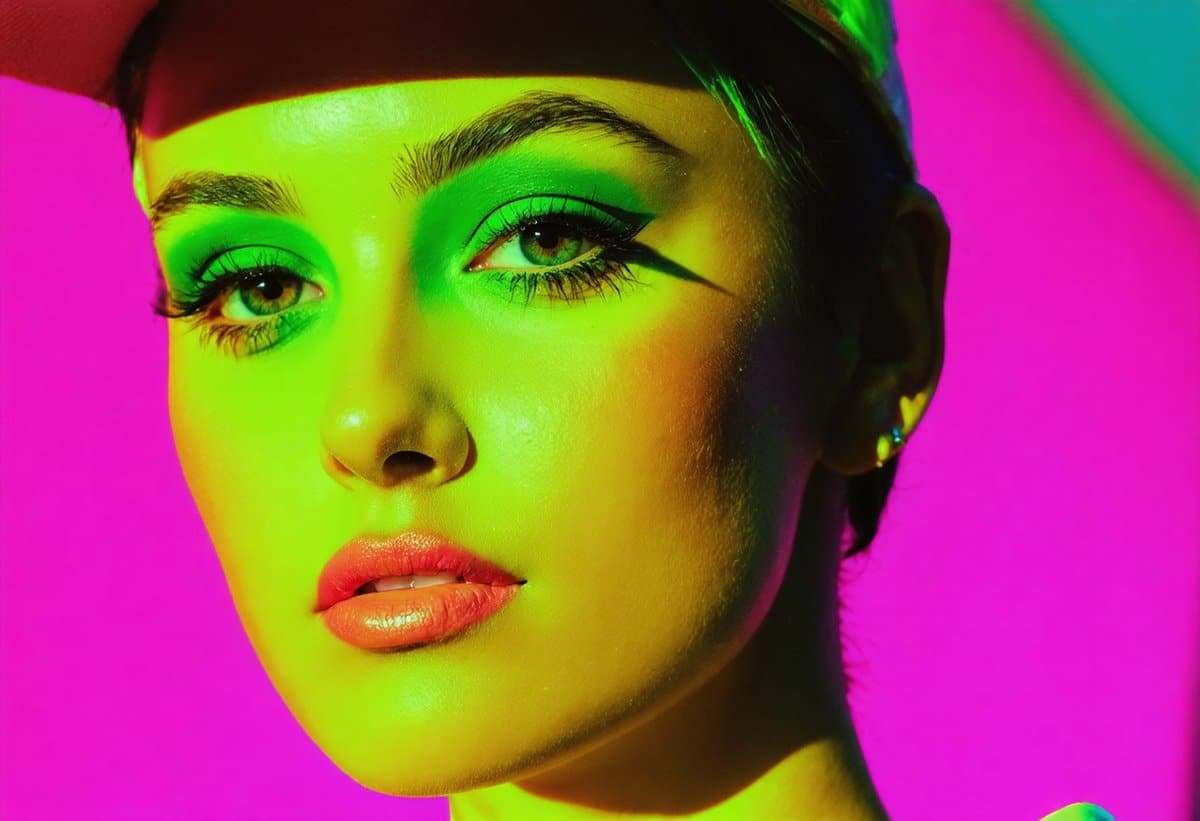
The 'Brat' Phenomenon: How Charli XCX Sparked a Visual Revolution
When Charli XCX dropped her album 'Brat' in June 2024, she didn't just release music—she unleashed a complete aesthetic movement. The album's lime-green cover, deliberately low-res typography, and accompanying visuals celebrated imperfection in a way that resonated deeply with a generation exhausted by algorithmic perfection. The 'Brat' aesthetic embraces messiness, authenticity, and the kind of chaotic energy you'd find at 3 AM in a Berlin nightclub or a Brooklyn warehouse party.1
At the heart of this visual language? On-camera flash photography. Those harsh, direct flashes that professional photographers spent decades trying to avoid suddenly became the most coveted look on social media. The aesthetic celebrates blown-out highlights, red-eye that isn't corrected, and that unmistakable deer-in-headlights expression that screams "I'm living in the moment, not posing for the 'gram." It's photography that feels stolen rather than staged, authentic rather than aspirational.
Why Gen Z Is Rejecting Polished Perfection
To understand the flash photography revival, you need to understand Gen Z's complicated relationship with social media aesthetics. This generation grew up watching Millennials perfect the art of the Instagram feed—carefully curated grids, golden hour lighting, VSCO filters that made everything look like a sun-drenched California dream. By 2023, that aesthetic felt suffocating, inauthentic, and exhaustingly aspirational.
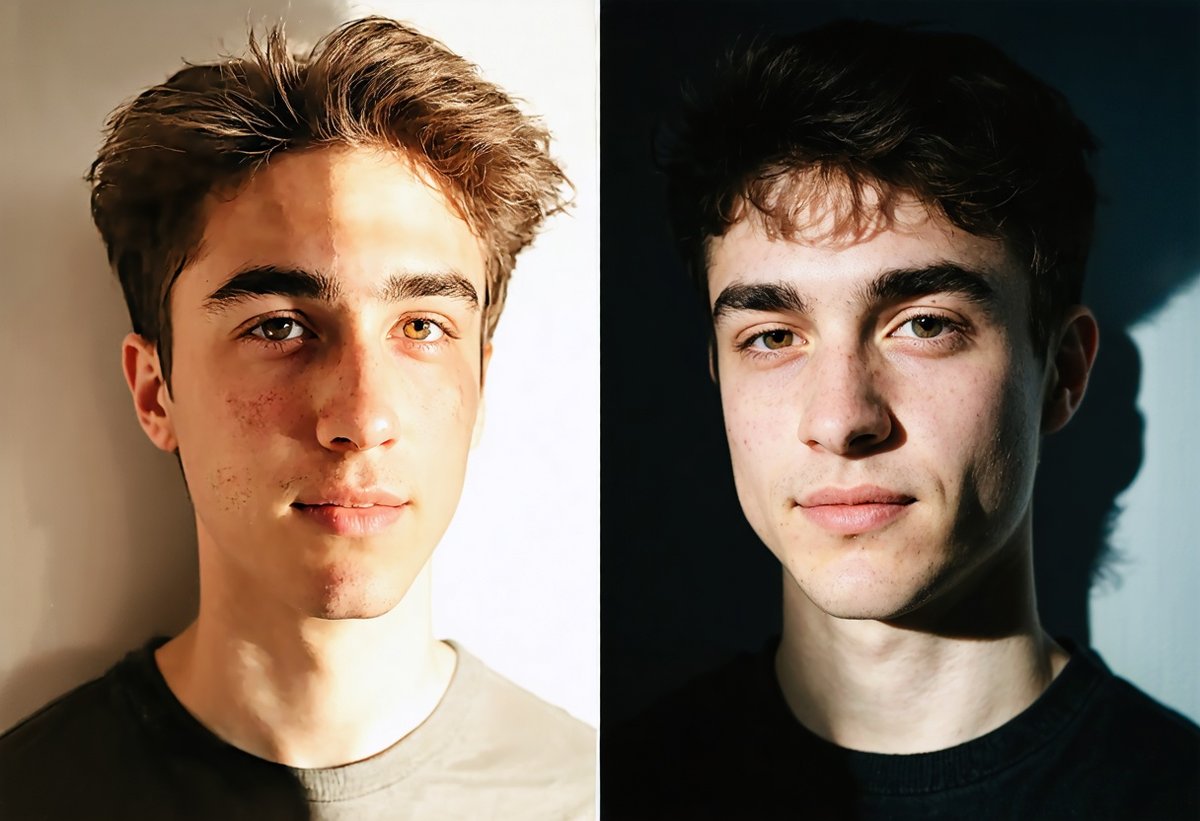
The harsh flash aesthetic represents a rebellion against this polished perfection. It's deliberately anti-algorithmic, embracing the "flaws" that traditional photography advice tells you to avoid. Red-eye? Keep it. Harsh shadows? Perfect. Blown-out skin tones? Exactly what we're going for. This isn't just about photography—it's about reclaiming authenticity in a digital landscape that increasingly feels artificial and AI-generated.
The movement also taps into a broader cultural shift toward embracing imperfection. In an era where AI can generate flawless images in seconds, there's something deeply human and irreplaceable about a photo that clearly wasn't overthought, overprocessed, or optimized for maximum engagement. It's the photographic equivalent of voice notes instead of carefully crafted texts—raw, immediate, and undeniably real.
The Y2K Nostalgia Factor: When Old Becomes New Again
Gen Z's obsession with Y2K aesthetics goes far beyond low-rise jeans and butterfly clips. For a generation that was either very young or not yet born during the early 2000s, this era represents a pre-smartphone innocence—a time when photos were taken for memory, not content. The disposable camera aesthetic, with its unpredictable results and inability to immediately delete unflattering shots, feels revolutionary to people who've grown up with infinite do-overs.
Brands like Fujifilm have seen a massive resurgence in film camera sales, particularly their disposable and instant cameras, which naturally produce that harsh flash look. But you don't need film to capture this aesthetic—understanding the principles of on-camera flash allows you to recreate it with any camera, from a professional DSLR to your smartphone.2
The Y2K camera aesthetic also connects to a broader nostalgia for analog experiences. In the same way vinyl records have made a comeback despite inferior sound quality, harsh flash photography offers an aesthetic texture that digital perfection can't replicate. It's grainy, it's unpredictable, and it feels tangibly connected to a physical moment in time.
Understanding the Technical Side: How On-Camera Flash Actually Works
Before you can master the 'Brat' aesthetic, you need to understand why on-camera flash creates such a distinctive look—and why professional photographers traditionally avoid it. When you mount a flash directly on your camera's hot shoe and point it straight at your subject, you're creating a single, harsh light source that travels in the same direction as your lens. This produces several characteristic effects:
Flat lighting: Because the light source is positioned at the same angle as the camera, it eliminates most shadows and depth, creating a two-dimensional quality. In traditional portrait photography, this is considered unflattering. In the flash photography aesthetic, it's the entire point—it creates that distinctive "deer in headlights" look that feels immediate and unpolished.
Harsh shadows: Any object behind your subject will cast a dark, defined shadow on the background. These shadows are crisp and unmistakable, unlike the soft, graduated shadows you get from diffused or off-camera lighting. This creates visual drama and emphasizes the artificial nature of the flash.
Hot spots and blown highlights: Direct flash often creates overexposed areas on shiny surfaces, skin, or anything reflective. Traditional photography considers this a mistake. The 'Brat' aesthetic embraces these blown-out areas as part of the raw, uncontrolled nature of the look.3
Red-eye effect: When flash reflects off the retina of your subject's eyes, it creates that infamous red glow. Modern cameras have red-eye reduction features, but for authentic Y2K flash photography, you want to disable these. Red-eye is a feature, not a bug.
The Science of Color Temperature
Flash units typically produce light around 5500K (Kelvin), which is close to daylight color temperature. When you use flash indoors under warm artificial lighting (around 3000K), the contrast creates a distinctive color cast—your subject will appear cool-toned and slightly blue while the background remains warm and yellow. This color separation is another hallmark of the disposable camera aesthetic and adds to the "amateur" quality that makes the look so appealing.
Getting the Look: Your On-Camera Flash Tutorial
Ready to capture that perfect 'Brat' aesthetic? Here's your comprehensive guide to mastering harsh on-camera flash photography, whether you're shooting with a professional camera, a point-and-shoot, or even your smartphone.
Equipment You'll Need
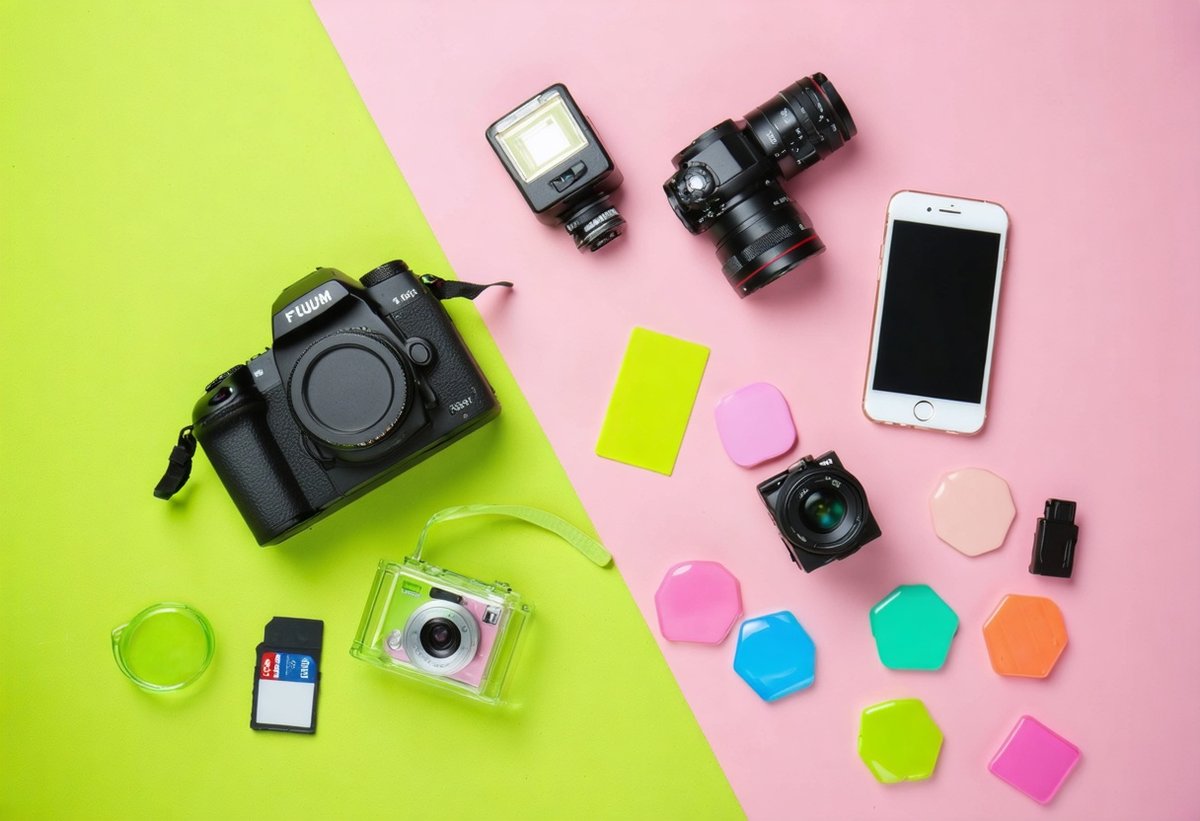
For DSLR/Mirrorless Cameras: Any camera with a hot shoe can work. You don't need an expensive flash—in fact, cheaper, less sophisticated flashes often produce the harsh, unmodulated light you're looking for. Canon Speedlites and Nikon Speedlights are professional options, but budget alternatives work just as well for this aesthetic. The key is to use the flash on-camera, pointed directly at your subject.
For Point-and-Shoot Cameras: This is actually the easiest route to authentic Y2K flash photography. Vintage digital point-and-shoots from the early 2000s (Canon PowerShot, Sony Cyber-shot, Nikon Coolpix) are selling for $50-200 on the secondhand market and produce exactly the look you're after. Their built-in flashes can't be modified or softened, which is perfect.
For Smartphones: While smartphone flashes are less powerful, you can still achieve a version of the aesthetic. Use your phone's native camera app (not Instagram or TikTok) with flash forced on. For better results, consider a clip-on smartphone flash or LED light panel that can overpower ambient lighting.
Disposable/Film Cameras: For the most authentic Y2K experience, actual disposable cameras from Fujifilm or Kodak remain unbeatable. The unpredictability of film adds an extra layer of authenticity that digital can't quite replicate.
Camera Settings for Maximum Impact
If you're using a camera with manual controls, these settings will help you nail the flash photography aesthetic:
Aperture: Set your aperture between f/5.6 and f/8. This provides enough depth of field to keep your subject sharp while allowing the background to fall slightly out of focus, emphasizing the separation between flash-lit subject and ambient-lit background.
Shutter Speed: Keep your shutter speed at or below your camera's flash sync speed (usually 1/200 or 1/250 second). Slower shutter speeds (1/60 or 1/30) will allow more ambient light to register, creating that distinctive color temperature contrast between flash and background.
ISO: Start at ISO 400-800. Higher ISOs will add grain that enhances the disposable camera aesthetic, while also allowing more ambient light to mix with your flash.
Flash Power: If your flash has manual power controls, start at full power or 1/2 power. You want that strong, unsubtle flash that overpowers ambient lighting. Don't use TTL (Through The Lens) metering—it will try to balance your flash output for "proper" exposure, which defeats the purpose.
White Balance: Set to Auto or Daylight (around 5500K). This creates the color temperature mismatch that's characteristic of the aesthetic. If you're shooting RAW, you can adjust this in post-processing, but the goal is cool-toned subjects against warm backgrounds.4
Shooting Techniques and Composition
The technical settings are only half the equation. How you shoot makes all the difference in capturing authentic flash photography aesthetic:
Get Close: Flash photography works best at close range—typically 3-8 feet from your subject. This ensures the flash is strong enough to overpower ambient light while creating those characteristic harsh shadows on the background. Similar to techniques used in immersive event photography, getting physically close to your subjects creates intimacy and energy in the frame.
Shoot from Below: One signature element of party photography is shooting from slightly below eye level, looking up at your subjects. This creates a more dynamic, energetic composition and is reminiscent of how people naturally hold disposable cameras at parties.
Embrace Chaos: Don't worry about perfect composition or everyone looking at the camera. The beauty of this aesthetic is its spontaneity. Shoot while people are mid-conversation, mid-dance, mid-laugh. The slightly awkward, caught-off-guard expressions are what make these photos feel authentic.
Layer Your Subjects: Position people at different distances from the camera. This creates depth through the fall-off of flash intensity—subjects closest to the camera will be brightly lit, while those further back receive less flash, creating natural separation and visual interest.
Don't Delete Anything: This is crucial to the aesthetic. In the disposable camera era, you couldn't see your photos until they were developed, so every shot counted—including the "bad" ones. Resist the urge to immediately review and delete. Shoot a whole session, then review later. You'll often find that the photos you thought were mistakes are actually the most interesting.
The TikTok Explosion: How Flash Photography Went Viral
The flash photography aesthetic didn't just gradually grow in popularity—it exploded on TikTok with the force of, well, a camera flash. Hashtags like #flashphotography, #y2kcamera, #bratphotography, and #disposablecameraaesthetic have collectively accumulated over 3 billion views. But what made this particular trend go so massively viral?
First, the aesthetic is immediately recognizable and highly shareable. When scrolling through TikTok, flash photography content stands out visually from the endless stream of ring-light selfies and golden hour content. It grabs attention because it looks different—rawer, more energetic, more authentic.
Second, it's accessible. Unlike many photography trends that require expensive equipment or advanced technical knowledge, anyone with a camera and a flash (or a $15 disposable camera) can participate. This democratization of the aesthetic has allowed it to spread rapidly across different communities and demographics.
Third, it taps into multiple nostalgia cycles simultaneously. For older Gen Z (born 1997-2002), it evokes actual memories of disposable cameras at childhood birthday parties. For younger Gen Z (born 2003-2012), it represents an aspirational nostalgia for an era they never experienced but have romanticized through media and older siblings' stories.
The trend has also been amplified by influencers and celebrities embracing the aesthetic. Fashion photographers have started incorporating harsh flash into editorial shoots. Party photographers are being specifically hired to create "disposable camera vibes" at events. Even wedding photographers are offering "Y2K flash packages" alongside their traditional services.
Fashion Photography Meets Flash: The High-Low Collision
What's particularly fascinating about the flash photography revival is how it's infiltrated high fashion—a world traditionally obsessed with sophisticated lighting and technical perfection. Major fashion brands and publications have started incorporating harsh flash aesthetics into their campaigns, creating a deliberate high-low collision that feels fresh and subversive.
Photographers like Juergen Teller pioneered this approach in the 1990s, using raw flash photography to strip away the glamour of fashion and reveal something more human and vulnerable. His influence is clearly visible in today's 'Brat' aesthetic, though filtered through a Gen Z lens that adds layers of irony and self-awareness.
Contemporary fashion photographers are now deliberately shooting lookbooks and campaigns with on-camera flash, creating images that could almost be mistaken for party snapshots—except the clothes are designer and the models are professional. This juxtaposition creates tension between high and low culture that resonates with Gen Z's tendency to blur these boundaries.
The aesthetic has also influenced street photography, where photographers are increasingly using flash during daytime shoots to create that distinctive separation between subject and background. The technique adds drama and immediacy to candid street portraits, making subjects pop from their environment in a way that natural light alone can't achieve.
Common Mistakes to Avoid (Or Embrace)
Here's where things get interesting: many "mistakes" in traditional flash photography are actually desirable in the 'Brat' aesthetic. However, there's a fine line between intentionally raw and just poorly executed. Here's how to stay on the right side of that line:
Mistakes to Embrace
Red-eye: Keep it. It's authentic to disposable cameras and adds to the unpolished aesthetic. However, if every single photo has severe red-eye, consider having subjects look slightly away from the camera occasionally for variety.
Harsh shadows: Those dark shadows on the background wall are part of the look. Don't try to eliminate them with fill light or diffusion.
Blown highlights: Overexposed areas on shiny surfaces or pale skin are characteristic of the aesthetic. Just ensure your subject's face isn't completely blown out—you want some detail and texture remaining.
Slightly awkward expressions: Mid-blink, mid-word, caught-off-guard moments are gold. They make photos feel stolen rather than staged.
Actual Mistakes to Avoid
Subjects too far away: If your flash doesn't reach your subject, you'll just get a dark, underexposed mess. Flash power drops off dramatically with distance. Keep subjects within effective flash range (usually 3-12 feet depending on your flash power).
Completely blown-out faces: While some overexposure is desirable, if your subject's entire face is a white blob with no detail, you've gone too far. Reduce flash power or step back slightly.
Using flash modifiers: Softboxes, diffusers, and bounce cards defeat the entire purpose. The harshness is what you're after. Keep your flash bare and direct.
Over-editing in post: Resist the urge to smooth skin, reduce shadows, or perfect the colors. Light editing to adjust exposure or crop is fine, but heavy retouching destroys the authentic, unpolished quality that makes this aesthetic work.
Being too self-conscious: The biggest mistake is overthinking it. This aesthetic celebrates spontaneity and imperfection. Shoot instinctively, embrace chaos, and don't stress about technical perfection.5
Post-Processing: Keeping It Raw (But Not Too Raw)
While the flash photography aesthetic celebrates rawness, a little bit of post-processing can enhance your images without sacrificing authenticity. The key is subtle adjustments that enhance rather than transform.
Color Grading: Slightly increase the yellow/orange tones in shadows and midtones while keeping highlights cool. This exaggerates the color temperature contrast between flash and ambient light. Many photographers add a slight green tint to mimic the color cast of disposable camera film.
Grain: Add subtle film grain to enhance the analog aesthetic. Don't overdo it—you want texture, not noise. Aim for grain that would be visible at 100% zoom but not distractingly obvious at normal viewing size.
Contrast: Increase contrast slightly to make the flash-lit areas pop even more against darker backgrounds. This enhances the dimensional separation that makes flash photography so striking.
Sharpening: Apply moderate sharpening to enhance details, but avoid over-sharpening which can make images look artificially processed. The goal is crisp but not clinical.
Vignetting: A subtle vignette can help draw attention to your flash-lit subject and mimic the natural light fall-off of disposable camera lenses.
What NOT to do: Don't smooth skin, don't remove red-eye digitally, don't correct "distortion," and don't apply Instagram-style filters that add artificial light leaks or borders. These additions feel inauthentic and defeat the purpose of the raw aesthetic.
The Cultural Impact: Photography as Anti-Statement
The flash photography revival represents something larger than just a visual trend—it's a cultural statement about authenticity, perfection, and the role of technology in our lives. In an era where AI can generate flawless photographs of people who don't exist, there's something deeply human and reassuring about photography that's obviously, undeniably real and imperfect.
This movement also represents Gen Z's rejection of Millennial aesthetic values. Where Millennials sought to make their lives look aspirational and perfectly curated, Gen Z is more interested in making their lives look lived-in and authentic. The harsh flash aesthetic is the visual equivalent of saying "this is me, unfiltered, unpolished, and unapologetically present."
There's also an interesting parallel to the broader cultural conversation about mental health and social media. The pressure to present a perfect life online has been linked to anxiety and depression, particularly among young people. By embracing an aesthetic that celebrates imperfection, Gen Z photographers are creating space for more authentic self-representation.
The movement has implications beyond social media as well. Professional event photographers are adapting their services to meet demand for this style. Wedding photographers who built careers on soft, romantic lighting are now offering "raw flash packages." Corporate event photographers are incorporating harsh flash into their coverage to create more dynamic, energetic documentation.
Building Your Flash Photography Portfolio
If you're looking to establish yourself as a photographer in this aesthetic, here's how to build a compelling portfolio that showcases your skills while staying true to the raw, unpolished nature of the style:
Diversify Your Subjects: Shoot parties, fashion, portraits, and candid street photography. Show that you can apply the aesthetic across different contexts while maintaining a consistent visual voice.
Tell Stories: Don't just post individual images—create series that document entire events or nights out. The flash photography aesthetic works particularly well for narrative sequences that capture the arc of an evening or event, much like the storytelling approaches used in night photography.
Show Range: While maintaining the harsh flash aesthetic, demonstrate that you understand composition, timing, and moment. The photos should look raw, but they shouldn't look random or thoughtless.
Curate Ruthlessly: Even though the aesthetic celebrates imperfection, your portfolio should still be carefully curated. Every image should be intentionally imperfect, not accidentally bad. There's a difference.
Platform Matters: Instagram remains important, but TikTok is where this aesthetic truly thrives. Consider creating behind-the-scenes content showing your shooting process, before-and-after comparisons, and tutorials. Video content that shows you working at events can be as valuable as the still images themselves.
Collaborate: Connect with fashion designers, event organizers, musicians, and other creatives in your area who appreciate the aesthetic. The 'Brat' photography style works particularly well for underground parties, DIY fashion shows, indie music events, and anything that celebrates authenticity over polish.
The Future of Flash: Where Is This Aesthetic Headed?
Like all aesthetic movements, the flash photography trend will eventually evolve or be replaced by something new. But understanding where it might go can help you stay ahead of the curve and continue developing your skills in relevant directions.
We're already seeing interesting variations emerge. Some photographers are combining harsh flash with long exposures to create motion blur around sharp, flash-frozen subjects. Others are experimenting with colored gels on their flashes to add surreal, club-lighting effects to the Y2K aesthetic. There's also growing interest in multiple flash setups that maintain the harsh quality while adding more dimensional lighting.
The aesthetic is also influencing camera and phone manufacturers. Several companies are developing apps and camera modes specifically designed to replicate disposable camera aesthetics, complete with simulated flash effects and film grain. While purists may scoff at digital simulation of analog effects, these tools are making the aesthetic even more accessible.
We may also see the aesthetic mature and become more sophisticated while maintaining its raw core. Just as museums like the Getty have recognized street photography and documentary photography as legitimate art forms, harsh flash photography may eventually gain recognition in fine art photography circles—though it will likely maintain its association with youth culture and anti-establishment aesthetics.6
One prediction: as AI-generated imagery becomes more prevalent and more convincing, authentically captured photography—especially photography that bears the unmistakable marks of physical reality like harsh flash, grain, and imperfection—will become increasingly valuable. The flash photography aesthetic may evolve from a nostalgic trend to a marker of authenticity in an increasingly synthetic visual landscape.
Your Flash Photography Journey Starts Now
The 'Brat' aesthetic and flash photography revival represent more than just a passing trend—they're a fundamental shift in how Gen Z approaches visual culture, authenticity, and self-expression. By embracing imperfection, celebrating rawness, and rejecting algorithmic perfection, this movement has created space for more honest, energetic, and human photography.
Whether you're shooting parties, fashion, portraits, or street photography, the principles of harsh on-camera flash can add immediacy and authenticity to your work. The technical barrier to entry is low—you just need a camera and a flash—but mastering the aesthetic requires understanding the difference between intentionally raw and accidentally sloppy.
The most important lesson? Stop overthinking. The flash photography aesthetic celebrates spontaneity, imperfection, and authentic moments captured in real time. Put down your phone, pick up a camera with a flash, and start shooting. Don't review every image immediately. Don't delete the "bad" ones. Don't worry about perfect composition or flattering angles. Just capture the energy, the chaos, and the authentic humanity of the moment.
In a world increasingly dominated by AI-generated perfection and algorithmic optimization, harsh flash photography is a rebellion—a reminder that the most compelling images are often the ones that couldn't be planned, predicted, or perfected. They're the photos that feel stolen rather than staged, authentic rather than aspirational, human rather than algorithmic.
So grab your camera, charge your flash, and head out into the night. The next viral aesthetic moment is waiting to be captured—harsh shadows, blown highlights, red-eye and all. That's not a mistake. That's the whole point.
- The 'Brat' aesthetic draws from early 2000s indie sleaze culture, rave photography, and the raw documentary style of photographers like Corinne Day and Juergen Teller, who rejected glossy fashion photography in favor of gritty realism.
- The revival of disposable cameras has been so significant that Fujifilm increased production of their QuickSnap disposable cameras by 40% in 2024, according to company reports. Kodak similarly reintroduced several film camera models to meet demand.
- The technical term for this is "specular highlights"—bright spots caused by light reflecting directly off shiny surfaces. In the flash photography aesthetic, these hot spots are considered desirable because they emphasize the artificial, direct nature of the flash and create visual interest through contrast.
- Professional event photographers often use custom white balance settings to correct for mixed lighting, but for the 'Brat' aesthetic, you want to preserve or even exaggerate the color temperature differences. This is one case where "technically incorrect" white balance creates a more desirable aesthetic result.
- Interestingly, professional photographers often struggle more with this aesthetic than amateurs because they have to unlearn years of training about "proper" flash technique. The key is to approach it with a documentary mindset rather than a technical one—prioritize capturing authentic moments over technical excellence.
- The International Center of Photography in New York has already begun acquiring works by contemporary photographers working in the harsh flash aesthetic, suggesting that institutions are recognizing its cultural and artistic significance beyond just being a social media trend.