Underwater photography tips are easy to find and hard to verify. This guide sticks to what sources support: how water changes light, why ports change your field of view, how to place strobes, and what a 2026 study found about divers, cameras and coral.
Water is a hostile place for cameras and for reefs. Therefore, good underwater photography tips matter twice. Each factual point below comes with a source, and the notes follow the text. Where I give a personal rule, I say so.

Underwater photography tips for light and colour
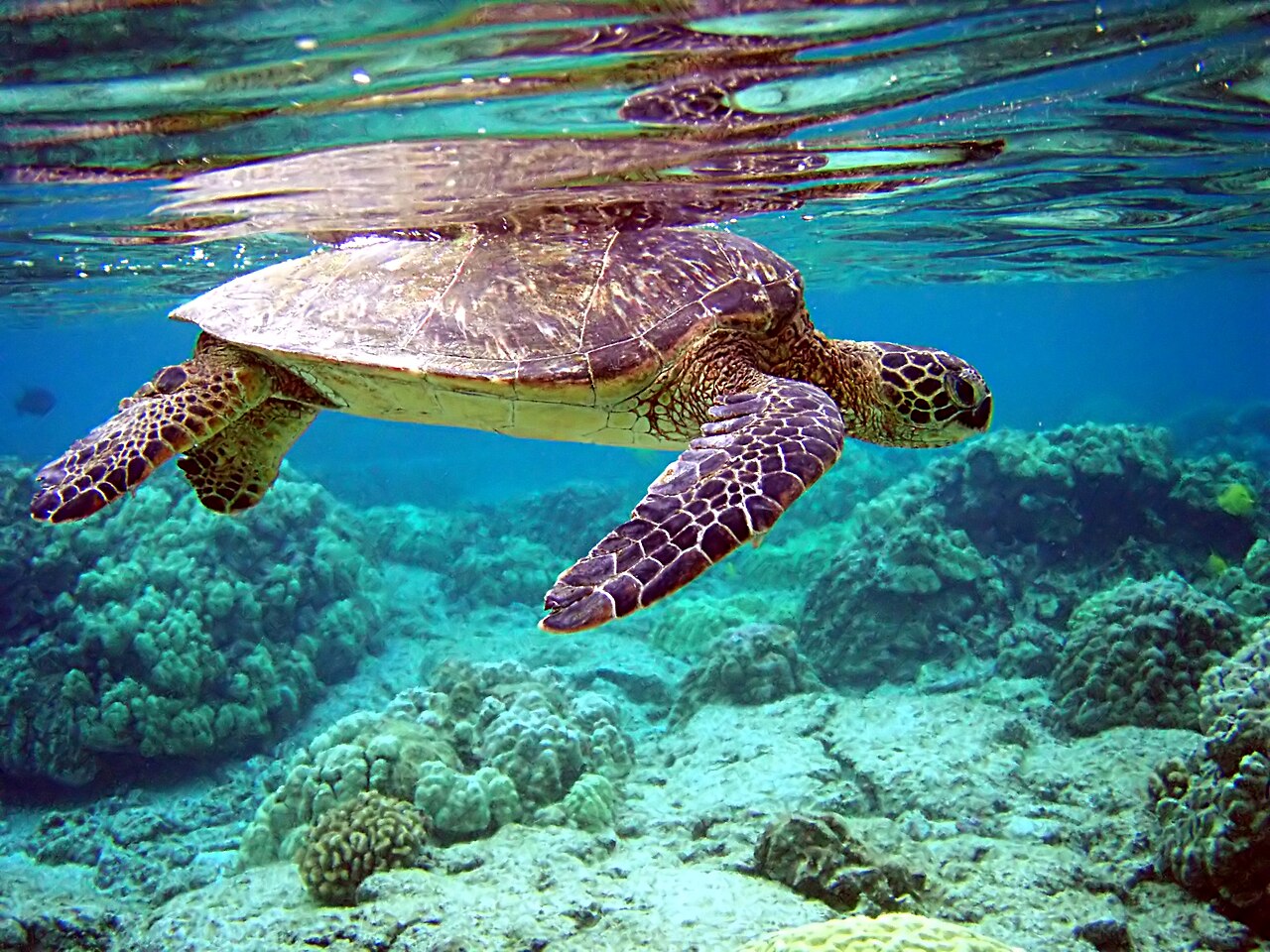
NOAA explains that red is the first colour lost in water. Red has the longest wavelength and the least energy in the visible spectrum, so it is filtered out quickly as depth increases.1 NOAA gives 100 metres as the depth where red light no longer penetrates, so a red fish there looks dark. Blue light lasts longest, followed by green, yellow and orange.2
Why distance matters for underwater photography tips
However, that 100 metre figure is no reason to relax at 10 metres. The light in your picture travels from the surface to the subject and back to the lens. Each metre of water along that path filters it further. This is my reasoning from the physics, not a statement from NOAA. The practical rule is therefore to get close. Less water between lens and subject means more colour and contrast.
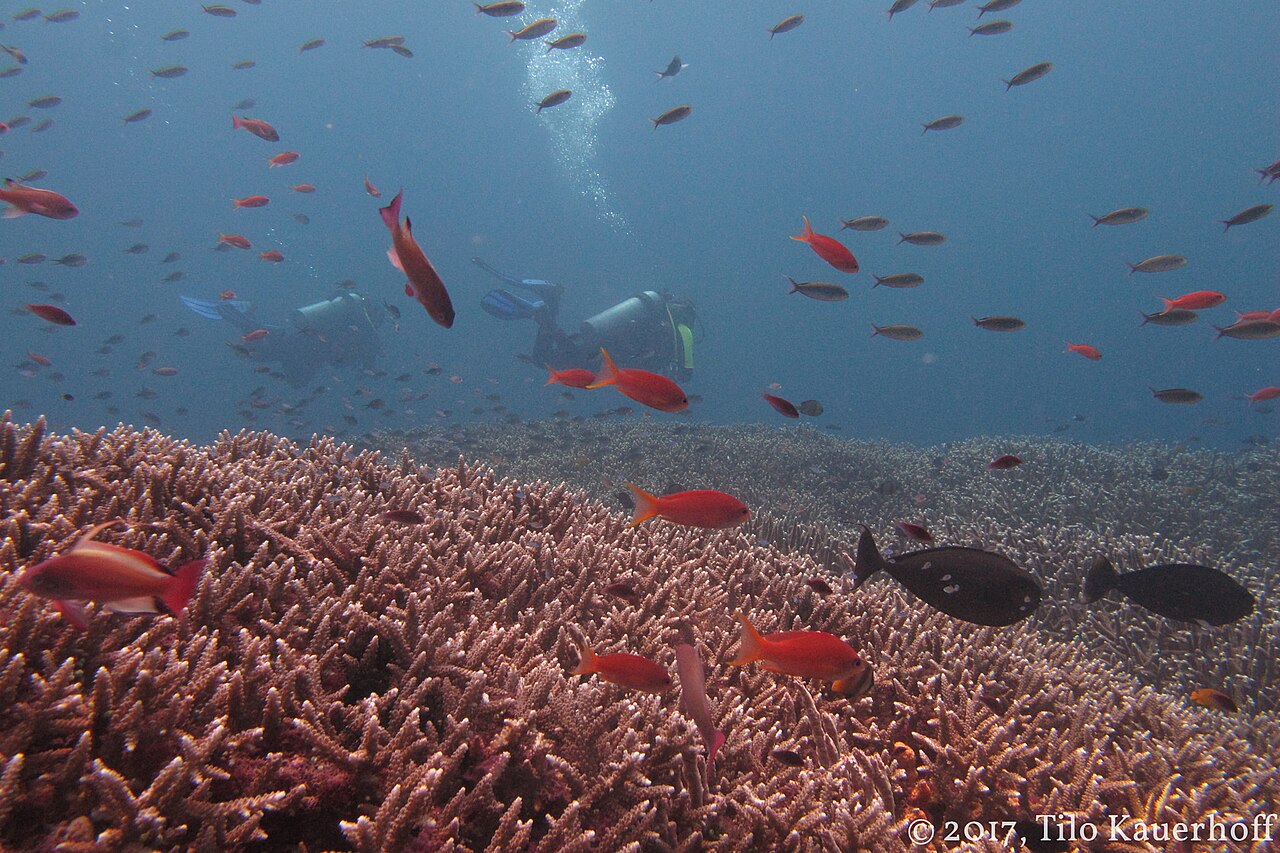

Besides, shoot in RAW, set a custom white balance if your camera allows it, and carry a strobe or video light for colour at close range. These underwater photography tips are standard working habits, not findings from a study. Shallow reefs help too, because there is more light to work with near the surface.

How deep do colours fade?
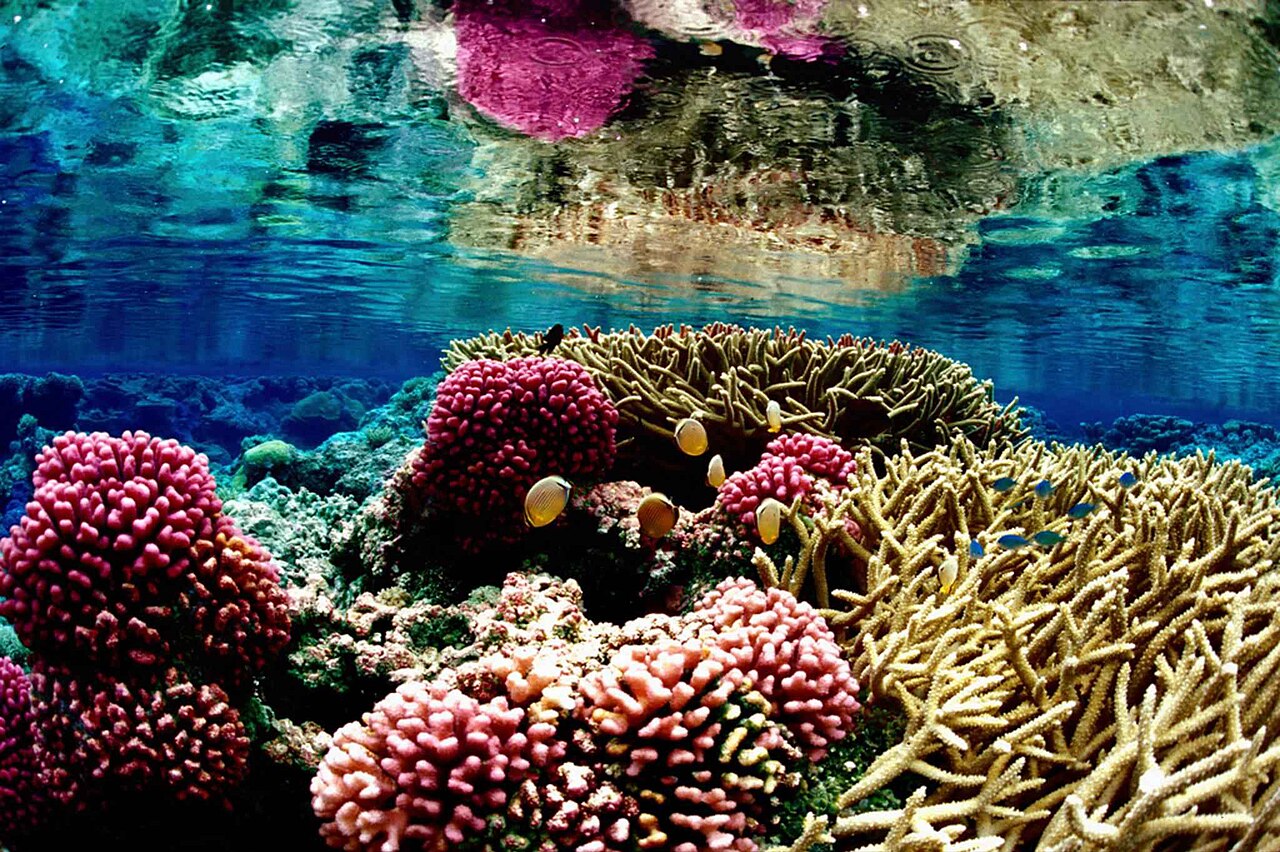
In fact, the depth figures differ between sources. NOAA’s Office of National Marine Sanctuaries says most reds are absorbed by 10 feet and only blues and violets remain by 80 feet3. The Dive Photo Guide gives a finer scale: red nearly disappears at about 5 metres, orange at 10, yellow at 20, green at 30 and blue at 604. NOAA Ocean Exploration, quoted above, puts the limit for red at 100 metres. These are rough illustrations, and I found no source that states one figure for all conditions.
Red filters, strobes and RAW for underwater photography tips
NOAA says a red lens filter can restore some reds, and that underwater lights restore colour as well. Using a filter and lights together can overcorrect, so its photographer recommends starting with one, as budget allows5. That page says nothing about RAW or white balance, so my advice above to shoot RAW and set a custom white balance remains a working habit, not a sourced rule.
Flat ports, dome ports and your field of view
Housing ports change what your lens sees. According to Nauticam, light bends as it passes from water into the air behind a flat port. Subjects look larger and closer, and the lens’s field of view shrinks by about 33 percent. Flat ports can also cause colour fringing, pincushion distortion and soft corners with wide lenses.6
A dome port avoids most of this. Light meets the curved surface at a right angle, so it does not bend on the way in, and a wide lens keeps the angle of view it has in air.7 Corner softness can remain, according to the same source. So choose by subject. In my own view, a dome suits wide reef scenes, while a flat port suits macro work, where the narrower view helps.
Refraction, magnification and autofocus
Water bends light, so objects look 25 percent (or more) larger and closer than they are. NOAA adds that refraction can affect autofocus accuracy, and its photographer uses manual focus as often as he can8. The Underwater Photography Guide gives the same 25 percent figure for objects seen through a mask, and advises you to get as close to the subject as possible9.
Strobe placement and backscatter
Backscatter is the speckle of lit particles in front of the lens. A retailer of underwater gear, Backscatter, explains that it appears when a strobe lights the particles directly ahead of the lens, which happens when the strobe aims the same way as the lens.10 Its first remedy is to angle the strobe off the lens axis, so the lens sees mostly shadowed water.11
For large scenes, push the strobes outward. For close shots, bring them in near the housing so they still reach the subject. The guide also suggests shooting close in low visibility, because less water between lens and subject means fewer particles. However, it notes that these methods reduce backscatter but do not remove it.12
Underwater photography tips for dive skills and gas
NOAA advises you to get dive experience first and to make buoyancy and trim reliable before you add a camera. Moreover, poor fin control can damage reefs, and photographing uses more breathing gas than diving without a camera13. Therefore, treat this as a safety point as much as a style point, and watch your gauge as closely as your frame. The last clause is my advice, not NOAA’s.
Underwater photography tips for housing care
NOAA warns that electronics and water do not mix: improperly sealed housings and worn O-rings cause expensive failures14. In 2017 Sarah Wormald published a 12-step guide on the PADI blog. It says to use a housing made for your camera’s exact model and to pack it in a clean, bright spot away from dust, sand and drafts. It adds that a single hair can cause a leak, so tie back long hair15.
Next, the same guide says to remove the O-ring with a blunt tool, never a knife, and to clean the seat and feel for grit. It also advises a thin, even layer of silicone grease and a bubble test in a wash tank. After the dive, rinse the housing, press each button several times to flush out salt water, and air dry it. Then lightly lubricate the O-ring, fold it into a figure-8 and store it in the housing16. Check your manufacturer’s manual too, because I did not read model-specific instructions.
Video: frame rate and stability
For video, NOAA advises 60 frames per second or higher, which allows slow motion and smoother footage. In addition, larger housings are easier to hold steady than small DSLRs or action cameras, and a tray gives a two-handed grip and a place to mount lights17.
What a 2026 study found about cameras and coral
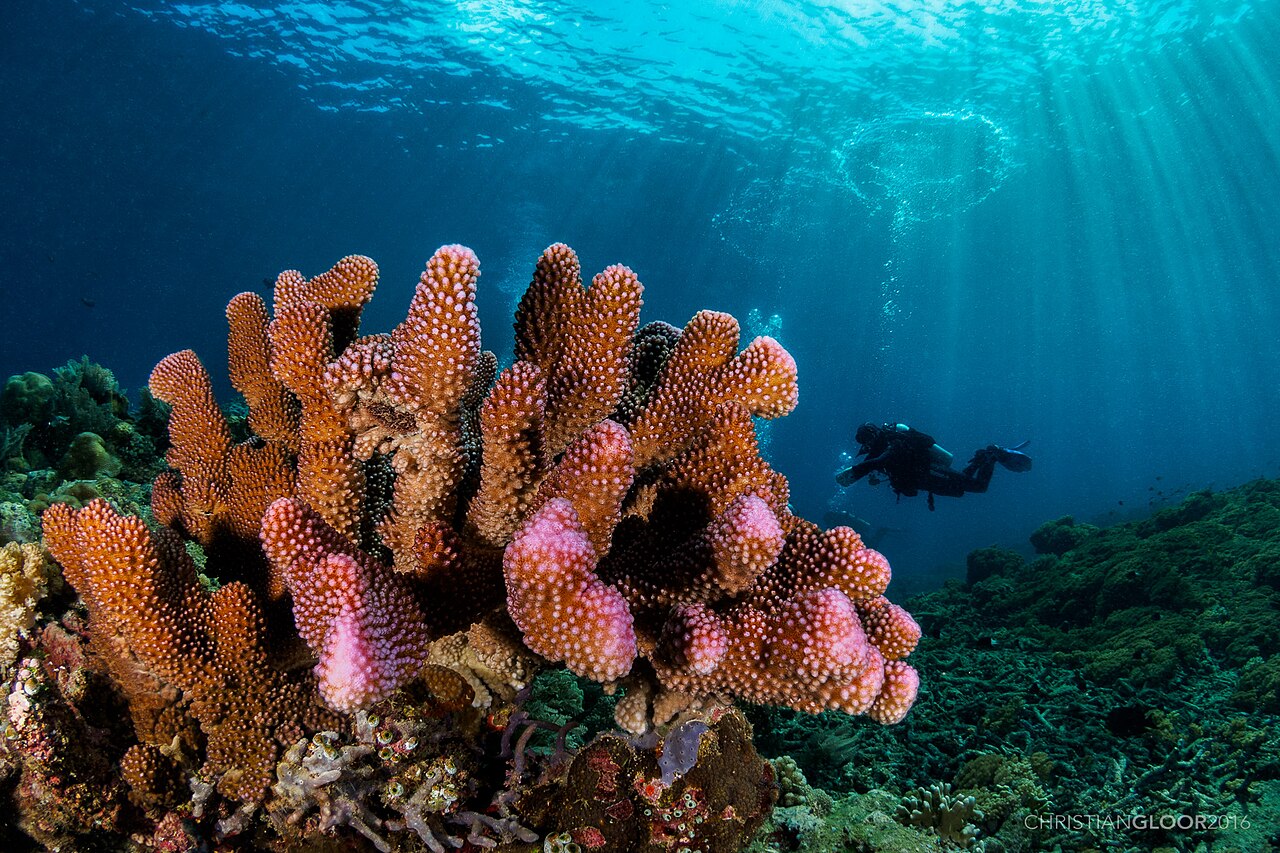
Underwater photography tips should include reef care, because photographers carry a particular responsibility, and recent data show why. Lin and colleagues combined video-recorded dives with questionnaires for 732 divers in Indonesia and the Philippines. Divers touched the reef 0.26 times per minute on average. Unintentional or unnoticed damage made up 81.9 percent of damaging contacts.18
Moreover, about 75 percent of divers rated themselves better than average, yet they underestimated their reef contacts by about 4.92 times. The authors’ models linked higher contact rates to accessory use, with cameras singled out as especially important. Wildlife encounters raised damaging contacts by 106 percent, and contacts more than doubled when other divers touched the reef.19

What this means for your camera
The abstract gives no figure for camera-related contacts, so I cannot say how much a camera adds. The direction is clear, though. A diver who watches the viewfinder is not watching fins and hands. That last point is my inference, not a finding. Three habits follow. First, fix your buoyancy before you shoot. Second, keep fins and hands off the reef. Third, never touch or chase an animal for a frame, even when others do.
The University of Sydney’s release on the study recommends better buoyancy training, tighter equipment rules, stronger environmental briefings and higher certification standards for divers and operators.20 Besides, the study lists operator eco-certification, such as Green Fins, among the factors linked to contact rates.21

Underwater photography tips for wildlife, flash and the rules
Flash is the contested point. A 2019 study in Scientific Reports by De Brauwer and colleagues tested diver presence, flash and physical manipulation on benthic fishes such as frogfishes, seahorses and ghostpipefishes. In the field part it observed 82 individual fish. Overall, flash effects were negligible and no stronger than human presence. In addition, flash caused no changes in seahorse eye or retina anatomy and did not reduce feeding success. However, physically manipulating animals, as when they are moved for a photograph, caused strong stress responses22.
In addition, two more studies point the same way, but I read only their summaries. Harasti and Gladstone (2013) concluded that flash photography appears safe for White’s seahorse, while handling can change short-term behaviour23. Spoto and colleagues (2026) found that stress from underwater photography altered the breathing pattern of Mediterranean seahorses24. Still, all three studies concern seahorses and benthic fishes. I found no study I could read on sharks, rays, turtles or other animals, so do not generalise from them.
Distances and no-touch rules
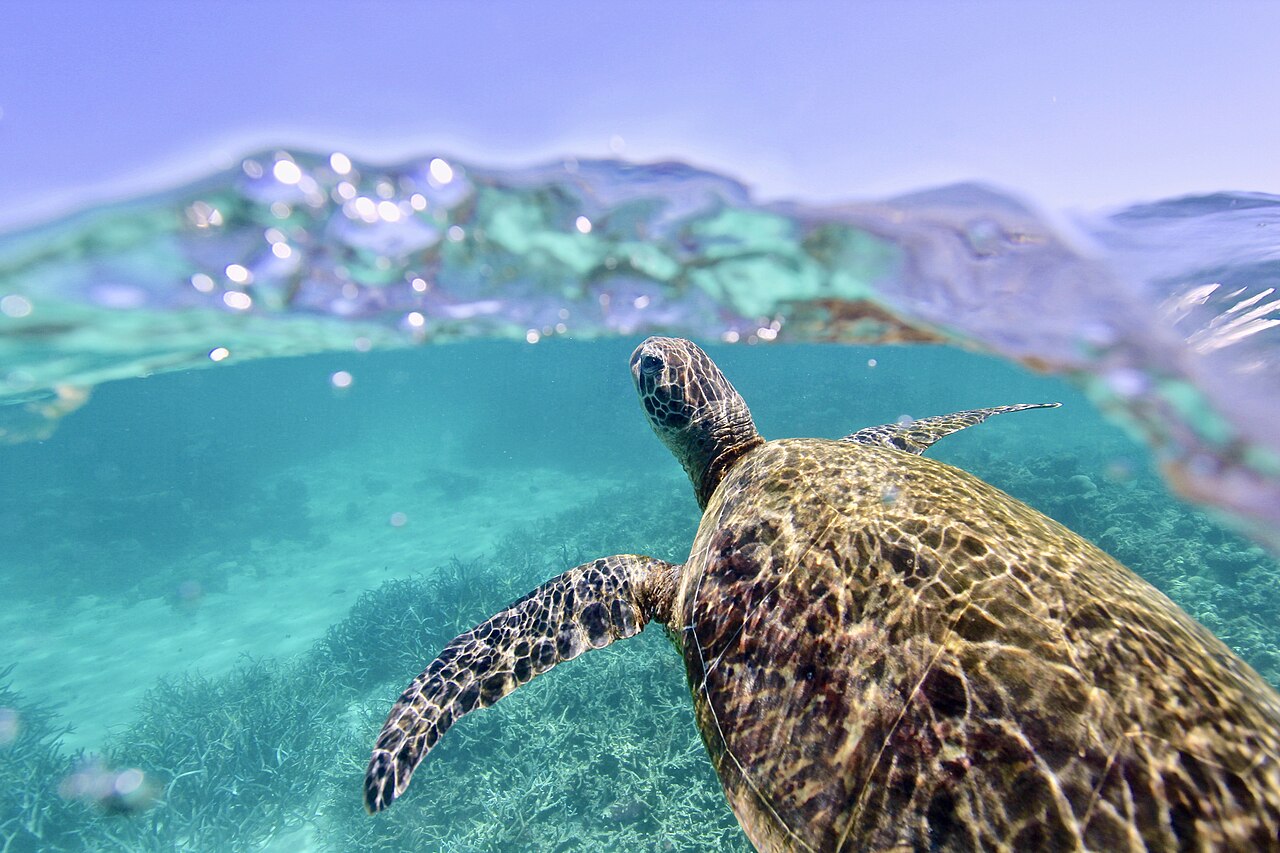
Besides, NOAA Fisheries sets a minimum of 50 yards from sea turtles, dolphins, porpoises, seals and sea lions, with a 10-foot minimum for turtles in Hawai‘i. For large whales the figure is 100 yards, and for some species it is more. It limits observation of marine mammals to 30 minutes or less and prohibits feeding them. It also says not to touch, chase or encircle marine mammals or sea turtles, not to touch, kick or stand on coral, and not to touch fish, because their slime coating protects them from infection25. NOAA’s photography advice agrees: never chase or feed animals26.
A checklist of underwater photography tips before you dive
- Practise the camera first. Work the controls in a pool or over sand before you reach a reef. This is my advice, not a sourced rule.
- Fix buoyancy before composition. A stable position protects the reef and your frame.
- Get close. Less water between lens and subject keeps colour and contrast.27
- Place strobes off the lens axis. Push them out for wide scenes and in for close ones.28
- Match the port to the lens. A flat port narrows the view by about a third.29
- Choose operators with briefings. Ask whether the operator holds an environmental certification.30
- Seal the housing with care. Clean the O-ring, check for hairs and grit, and do a bubble test.31
- Keep your distance from animals. Check the local rules first: NOAA Fisheries gives 50 yards for turtles and 100 yards for large whales.32
Frequently asked questions
Which underwater photography tips matter most?
Three points have direct sources. Get as close to the subject as you can33. Make buoyancy and trim reliable before you add a camera34. And never touch, chase or feed animals35.
Should I use a red filter or a strobe?
NOAA says either can restore colour, and that using both together can overcorrect. It recommends starting with one36.
Does flash harm marine life?
In the benthic fishes tested by De Brauwer and colleagues, flash had negligible effects, whereas handling caused strong stress37. That result covers seahorses, frogfishes and ghostpipefishes only.
How do I stop my housing from leaking?
PADI’s guide centres on a clean O-ring seat, a thin layer of silicone grease, no hairs or grit, and a bubble test before the dive38.
How close can I get to turtles and whales?
NOAA Fisheries gives 50 yards for sea turtles and 100 yards for large whales, with exceptions by place and species39. Check the rules where you dive.
Sources and limits
I found no source I could read for exposure settings underwater, for Snell’s window and sun balls, for choosing a camera or smartphone housing, or for post-dive editing workflows, so this guide gives none. Also, several sources sell gear or training: Nauticam, Backscatter, PADI, the Dive Photo Guide and the Underwater Photography Guide. Moreover, the depth figures for colour loss disagree between sources. Finally, I read the Lin et al. study at abstract level, and the Harasti and Spoto studies at summary level only.
When you edit, a colour correction is a different act from adding pixels that were never there. Our guide to the rules, rights and disclosure for AI edits explains where the line sits.
Related reading: why documentary work matters and developing a signature style on Instagram.
- NOAA Ocean Exploration, “Why are so many deep-sea animals red in color?”, published 25 March 2014, updated 18 December 2020.
- NOAA Ocean Exploration, “Why are so many deep-sea animals red in color?”.
- Nick Zachar, “Tips for Getting the Perfect Shot: Get Into Your Sanctuary!”, NOAA Office of National Marine Sanctuaries, May 2021. (NOAA Sanctuaries)
- Dive Photo Guide, “Basic Principles of Light Underwater”; the page shows no author or date, and the site sells gear and training. (Dive Photo Guide)
- Same NOAA Sanctuaries page. (NOAA Sanctuaries)
- Nauticam, “WACP-1 vs dome ports”. Nauticam makes underwater housings and ports, so this is a manufacturer’s explanation.
- Nauticam, “WACP-1 vs dome ports”.
- Same NOAA Sanctuaries page. (NOAA Sanctuaries)
- Scott Gietler, “Lighting & Strobes”, Underwater Photography Guide, first dated 27 February 2009 and modified in 2026; the site sells gear. (Underwater Photography Guide)
- Backscatter, “How To Underwater Strobe Flash Placement”. The publisher, Backscatter, sells underwater imaging gear.
- Backscatter, “How To Underwater Strobe Flash Placement”.
- Backscatter, “How To Underwater Strobe Flash Placement”.
- Same NOAA Sanctuaries page. (NOAA Sanctuaries)
- Same NOAA Sanctuaries page. (NOAA Sanctuaries)
- Sarah Wormald, “12 Tips for Preventing Underwater Camera Housing Leaks”, PADI Blog, 30 March 2017. PADI sells dive training, and the advice is general, not model-specific. (PADI Blog)
- Same PADI Blog guide. (PADI Blog)
- Same NOAA Sanctuaries page. (NOAA Sanctuaries)
- Lin, B., Bearpark, T., Roche, R. C., McGuire, J., Jakub, R., Prabuning, D., Weber, E. U., and Wilcove, D. S. (2026). Causes and correlates of unsustainable scuba diving tourism on coral reefs. Conservation Letters, 19(3), e70055. DOI: 10.1111/con4.70055. Figures are from the abstract.
- Lin et al. (2026), Conservation Letters, 19(3), e70055.
- University of Sydney, news release on the study by Dr Bing Lin, 27 May 2026.
- Lin et al. (2026), Conservation Letters, 19(3), e70055.
- De Brauwer et al., Scientific Reports 9, 2019, article 748. I read the open-access text on PubMed Central. The field flash treatment was 15 pictures with two strobes at half strength. (DOI)
- Harasti and Gladstone, Journal of Fish Biology 83(5), 2013, pp. 1344–1353; DOI verified in Crossref, summary read. (DOI)
- Spoto et al., Marine Environmental Research 214, 2026, article 107763; DOI verified in Crossref, summary read. (DOI)
- NOAA Fisheries, “Marine Life Viewing Guidelines: Guidelines and Distances”. The page notes that rules vary by region, state and species, has no diver-specific section and does not mention flash. (NOAA Fisheries)
- Same NOAA Sanctuaries page. (NOAA Sanctuaries)
- NOAA Ocean Exploration, “Why are so many deep-sea animals red in color?”.
- Backscatter, “How To Underwater Strobe Flash Placement”.
- Nauticam, “WACP-1 vs dome ports”.
- Lin et al. (2026), Conservation Letters, 19(3), e70055.
- Wormald, PADI Blog, 2017. (PADI Blog)
- NOAA Fisheries guidelines. (NOAA Fisheries)
- Underwater Photography Guide, “Lighting & Strobes”. (Underwater Photography Guide)
- NOAA Sanctuaries. (NOAA Sanctuaries)
- NOAA Fisheries guidelines. (NOAA Fisheries)
- NOAA Sanctuaries. (NOAA Sanctuaries)
- De Brauwer et al., 2019. (DOI)
- Wormald, PADI Blog, 2017. (PADI Blog)
- NOAA Fisheries guidelines. (NOAA Fisheries)