In a world where food bridges continents and transcends cultural boundaries, culinary photography emerges as a powerful tool to tell the stories of global kitchens. From the earthy scents of Moroccan spices to the vibrant hues of Indian curries, every dish has a narrative waiting to be told. Through the art of capturing these gastronomic wonders, we embark on a journey that celebrates not just flavors, but the rich tapestry of traditions behind them. This article invites you to join a flavorful photographic adventure, discovering the myriad stories world cuisines have to offer—and learning the technical and creative approaches that transform food photography into cultural documentary storytelling.
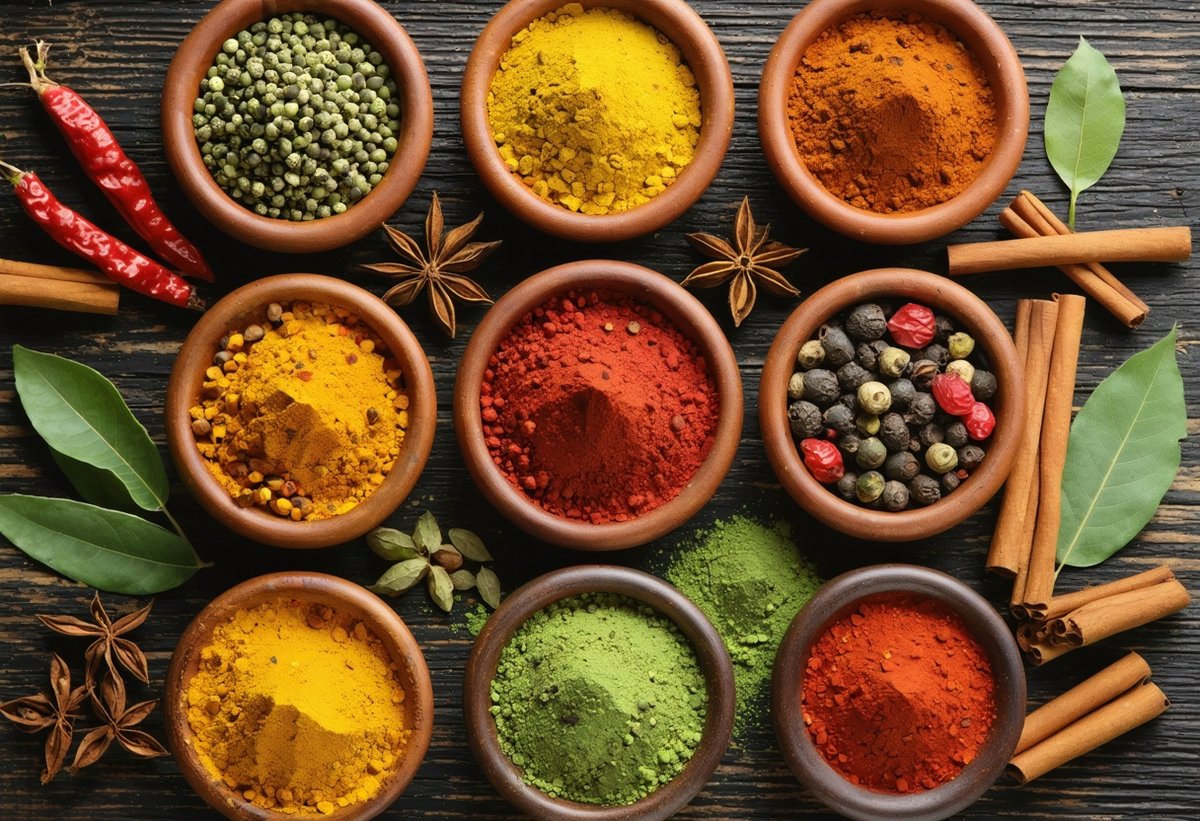
Embark on a Flavorful Photographic Adventure
The art of culinary photography takes you on an immersive journey to the heart of diverse cultures, using food as a vibrant portal. As we set off on this flavorful photographic adventure, our goal is to not only capture delicious dishes but also to unveil the layers of cultural history and tradition they represent. Each photograph becomes a snapshot of time and place, offering viewers a taste of diverse culinary landscapes, whether it’s the busy streets of Bangkok or the tranquil rice terraces of Bali.
As you wander through bustling markets or sit in warmly lit kitchens, your camera becomes an extension of your senses. It captures the sizzle of street food, the laughter of vendors, and the intricate patterns of hand-woven baskets filled with fresh produce. This journey requires more than just technical skill; it demands an understanding and appreciation of the stories each ingredient tells.
Every shot is an opportunity to connect with the heart and soul of a community. By delving into the world of culinary photography, you open yourself to experiencing food beyond its flavors. You begin to appreciate the emotions behind a grandmother’s cherished recipe or the innovation of a modern chef. The photographic adventure transforms into a quest to capture the essence of humanity itself.
Essential Gear for Culinary Travel Photography
Before embarking on your culinary photography journey, assembling the right equipment is crucial. While professional DSLRs and mirrorless cameras offer exceptional image quality, don’t underestimate the power of modern smartphones for spontaneous captures in authentic settings. A versatile 35mm or 50mm prime lens provides the perfect focal length for both intimate ingredient shots and wider contextual scenes of cooking environments.
Consider packing a lightweight reflector to bounce natural light onto your subjects, especially in dimly lit traditional kitchens or covered markets. A tripod or small tabletop stabilizer proves invaluable for low-light situations where you want to maintain image sharpness without raising ISO levels excessively. Remember, the best camera is the one you have with you—mobility and discretion often trump technical specifications when documenting authentic culinary moments.
Unearthing Culinary Stories Through the Lens
Through the lens of culinary photography, each dish becomes a storyteller, narrating tales of familial traditions, ancient customs, and cultural evolution. In every frame, we’re invited to pause and listen, to delve deeper into the narrative woven by spices, cooking methods, and presentation. These stories are as diverse and captivating as the ingredients that define them.
Consider the simple act of kneading dough in an Italian kitchen; it is a ritual passed down through generations. Captured in a photograph, it reveals not only the technique but the warmth and history of a family gathering around the dinner table, sharing their lives over homemade pasta. Such images transcend the visual, tapping into our collective memory and emotions, prompting us to cherish the shared human experience.
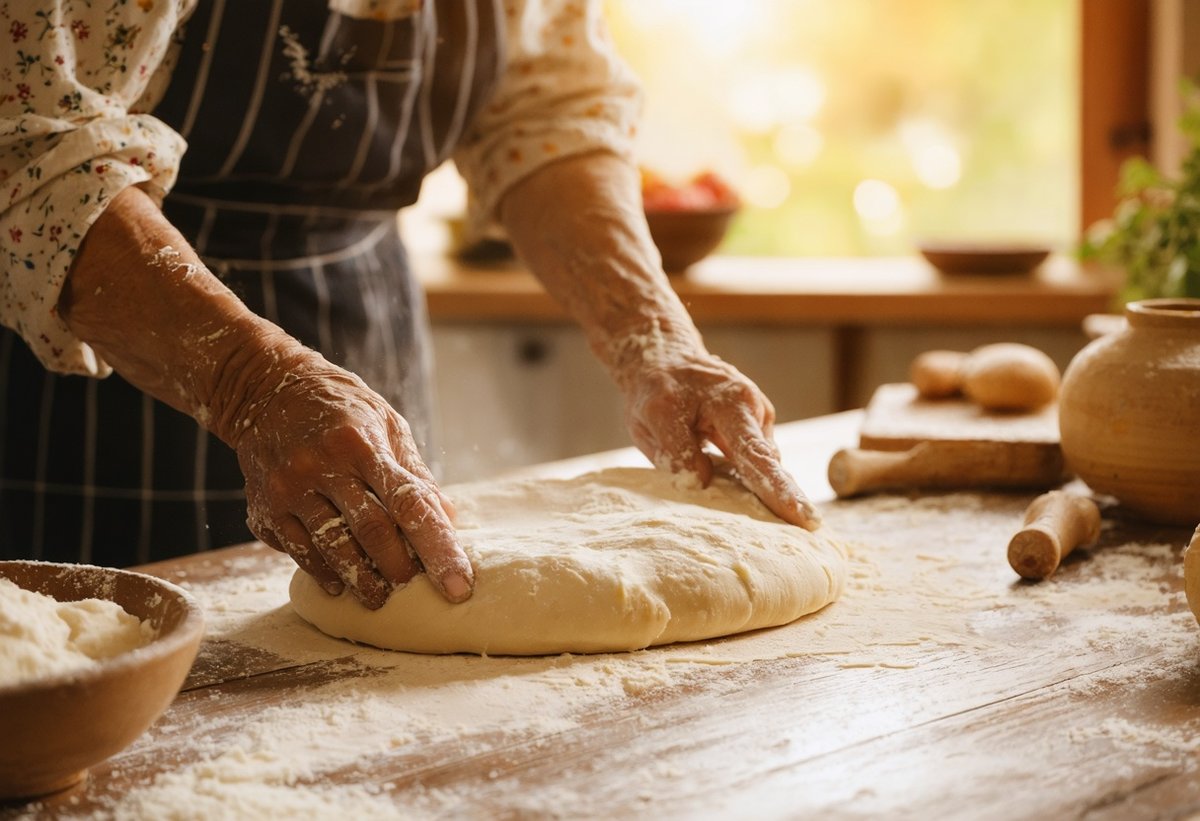
To unearth these stories effectively, photographers must become both documentarians and explorers. It involves engaging with locals, learning the significance behind their culinary traditions, and preserving those stories through compelling visuals. The lens thus serves as a bridge between cultures, enabling photographers to convey the authenticity and intricacies of culinary tales that might otherwise remain untold. Much like historical photography in China documented cultural transitions, culinary photography preserves evolving food traditions for future generations.
Building Trust and Access in Foreign Kitchens
Gaining access to authentic culinary experiences requires cultural sensitivity and genuine human connection. Before raising your camera, invest time in conversation and relationship-building. Learn a few phrases in the local language—even simple greetings and expressions of gratitude can open doors that remain closed to tourists wielding cameras without context.
Always ask permission before photographing people, their food, or their cooking spaces. Explain your interest in documenting their culinary heritage with respect and enthusiasm. Many home cooks and street vendors feel honored when photographers show genuine appreciation for their craft, transforming potential subjects into collaborative partners in storytelling. Consider sharing prints or digital copies with those you photograph—this gesture of reciprocity strengthens connections and enriches your understanding of the culture.
Capturing the Essence of Global Ingredients
In culinary photography, each ingredient carries a world of significance, representing geographical, historical, and cultural contexts. Capturing the essence of global ingredients involves examining their unique attributes, from the fiery red of sumac berries in Turkish cuisine to the delicate green of Japanese matcha. Each ingredient tells a story of its origins, travels, and the people who cherish it.
When photographing such ingredients, the goal is to highlight their intrinsic qualities, whether it’s the velvety texture of a ripe mango or the crisp snap of fresh asparagus. The challenge lies in conveying the sensory experience through a visual medium, allowing viewers to almost taste and feel the ingredients simply by looking at them. This requires a keen eye for detail and a creative approach to composition and lighting.
By focusing on the authentic depiction of ingredients, photographers can evoke a sense of place and season. A bowl of bright citrus fruits might evoke warm Mediterranean climates, whereas a cluster of wild mushrooms could transport one to autumnal forests. Through this exploration, culinary photographers not only entice the senses but also foster an appreciation for the world’s bountiful diversity.
Macro Photography Techniques for Ingredient Details
Revealing the intricate beauty of ingredients often requires macro photography techniques that showcase textures invisible to casual observation. The crystalline structure of sea salt, the delicate veining in fresh basil leaves, or the glistening oil on roasted coffee beans—these details tell compelling micro-stories within the larger culinary narrative.
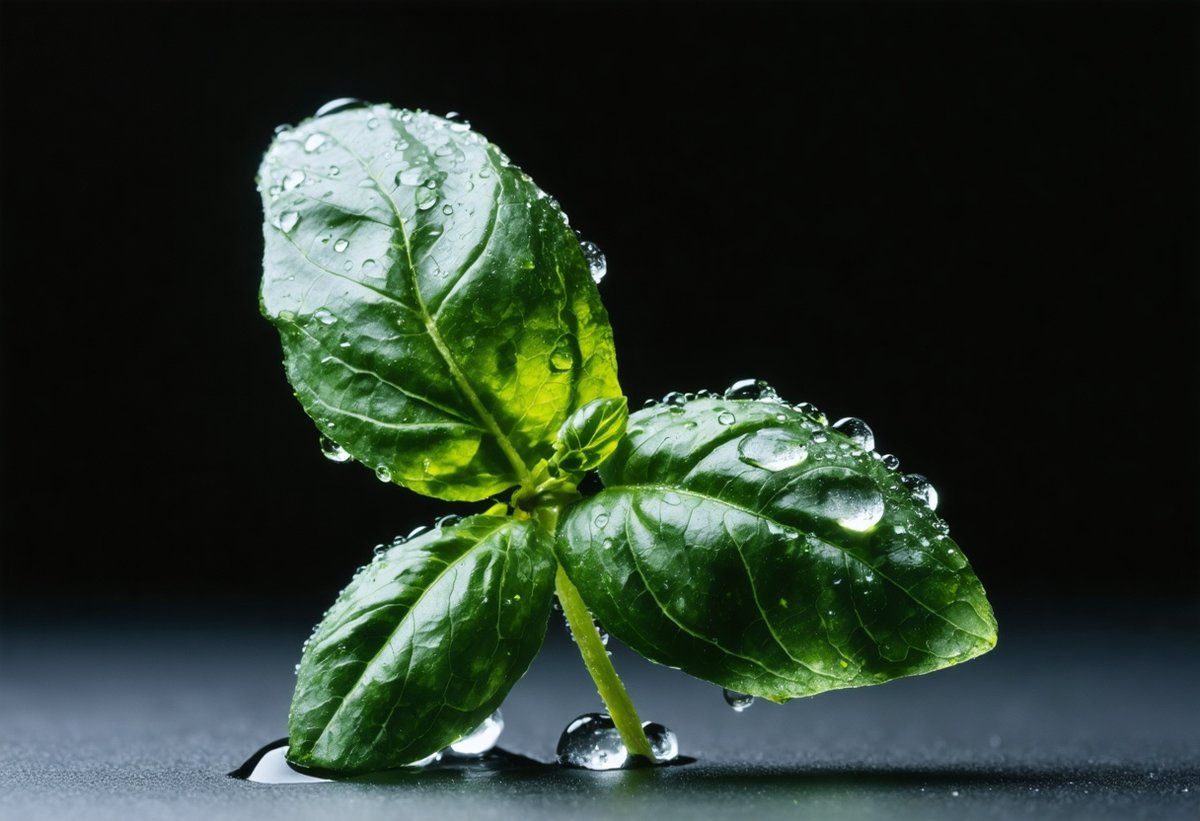
Use a macro lens or extension tubes to achieve close focusing distances, and work with shallow depth of field to isolate specific textural elements. Side lighting or backlighting can dramatically enhance surface details, creating dimension and visual interest. Experiment with water droplets on fresh produce to add freshness and vitality to your ingredient portraits. These detailed studies complement wider contextual shots, providing viewers with a complete sensory journey through your photographic essay.
The Art of Documenting Cultural Culinary Diversity
Documenting cultural culinary diversity is an art that requires sensitivity, respect, and a genuine curiosity about the world. At its core, it involves understanding and portraying the width and breadth of food traditions and innovations within different cultures. This diversity is a testament to human creativity and adaptability, reflecting how people nurture their spirits and communities through shared meals.
A successful culinary photograph captures not just the dish but the essence of the culture from which it springs. It conveys the customs, celebrations, and rituals associated with the dish, whether it’s a traditional Chinese New Year banquet or a humble, yet profoundly significant, Ethiopian coffee ceremony. These images act as cultural ambassadors, promoting understanding and appreciation across borders.
To master this art, photographers must approach each culinary setting with humility and openness, ready to learn from those whose stories they aim to tell. The process involves more than snapping a picture; it requires engaging with the environment, honoring the subject’s cultural context, and translating that into a visual narrative that resonates universally. Organizations like the Smithsonian Institution have long recognized food photography’s role in cultural preservation and education.
Ethical Considerations in Culinary Documentary Work
Culinary photography carries ethical responsibilities that extend beyond technical execution. When documenting food cultures, particularly in economically disadvantaged communities, photographers must consider the power dynamics inherent in their work. Avoid perpetuating stereotypes or presenting poverty as fascinating spectacle. Instead, focus on dignity, skill, and the universal human need for nourishment and community.
Be mindful of food waste during styled shoots—in many cultures, wasting food for aesthetic purposes is deeply offensive. Consider whether your presence and photography might disrupt important cultural or religious practices. Always compensate people fairly for their time, expertise, and the food they prepare for your documentation. These ethical foundations ensure your work contributes positively to cross-cultural understanding rather than exploiting subjects for visual consumption.
Techniques to Illuminate Authentic Local Dishes
Bringing authenticity to local dishes through photography is both a technical and artistic endeavor. The first step is understanding the visual language that each cuisine speaks, which guides the photographer in honoring its authentic presentation. Techniques such as focusing on natural lighting, using props that echo the culture’s aesthetics, and highlighting the dish’s textures all contribute to an evocative photograph.
Lighting plays a crucial role in illuminating a dish’s colors and textures, acting as both a mood-setting tool and a means of emphasizing the dish’s freshness and appeal. Natural light often brings out the genuine look of a dish, whereas artificial lighting can be manipulated to highlight specific features or create a dramatic effect. Either way, understanding the impact of light can transform a simple dish into a captivating visual story.
Composition techniques, like the rule of thirds and depth of field, help in crafting a balanced and intriguing image that draws the viewer in. By framing the dish within its cultural context, including elements like traditional serving ware or relevant backgrounds, photographers can tell a more comprehensive story about the dish’s origins and significance, ensuring that the local essence shines through in the final image.
Working with Natural Light in Various Culinary Settings
Natural light remains the culinary photographer’s most valuable asset, but mastering it across diverse settings requires adaptability. In outdoor markets, the harsh midday sun can create unflattering shadows—position yourself so the light comes from behind or to the side, using vendors’ awnings or umbrellas as natural diffusers. The golden hours just after sunrise or before sunset provide warm, flattering light that enhances the natural colors of fresh ingredients.
Indoor kitchens present different challenges. Position your subject near windows, using sheer curtains to soften direct sunlight. In dimly lit traditional cooking spaces, embrace the ambient light that creates atmosphere—slightly underexposed images with rich shadows can convey authenticity better than artificially brightened scenes. A small LED panel can subtly fill shadows without overpowering the natural ambiance. Remember, much like capturing radiant skin tones, photographing food requires understanding how light interacts with different surfaces and textures.
Color Theory and Cultural Food Presentation
Different cultures employ distinct color palettes and presentation styles that reflect aesthetic values and symbolic meanings. Japanese cuisine emphasizes minimalism, negative space, and seasonal color harmonies—photographing it requires respecting these principles in your composition. Indian dishes celebrate vibrant, saturated colors and abundant garnishes that symbolize prosperity and celebration.
Understanding these cultural color languages helps you make informed decisions about white balance, saturation, and post-processing. Avoid imposing Western aesthetic preferences on non-Western cuisines. A rustic Moroccan tagine photographed with cool, desaturated tones loses its essential warmth and hospitality. Conversely, Scandinavian cuisine’s subtle, pale palette requires careful exposure to prevent it from appearing washed out or unappetizing.
Telling Tales of Tradition with Every Frame
Every frame captured in the realm of culinary photography can narrate stories of tradition, resilience, and cultural identity. From the meticulous preparation of sushi in Japan to the hearty communal stews of Africa, each photograph encapsulates more than just food—it preserves a piece of cultural heritage. These stories offer viewers a window into the world, highlighting how food anchors traditions and evolves with time.
It is within these frames that the nuances of time-honored practices are permanently etched. The slow fermentation of kimchi, for instance, tells a tale of Korean history and the ingenious methods devised for winter preservation. Similarly, the intricate folding of Chinese dumplings reveals the communal and family-centric essence of Chinese New Year celebrations, capturing the spirit of unity and hope.
Through skillful photography, tales of tradition receive the spotlight, creating a visual dialogue between past and present. Essential to this storytelling is the ability to immerse in and comprehend the cultural significance of each culinary act. Such images become educational tools, inviting viewers to explore unfamiliar customs and appreciate the intricate layers of global culinary traditions.
Photographing Culinary Rituals and Ceremonies
Food rituals and ceremonies represent some of the most photographically rich subjects in culinary documentation. Whether capturing the elaborate preparation of a Thanksgiving feast, the breaking of fast during Ramadan, or the tea ceremony in Japan, these moments combine food, spirituality, and community in visually compelling ways.
Approach these situations with particular reverence and preparation. Research the ceremony beforehand to understand its sequence, significance, and any photography restrictions. Position yourself unobtrusively, using longer lenses if necessary to maintain respectful distance. Capture not just the food itself but the hands that prepare it, the faces of participants, and the environmental details that contextualize the ritual. These comprehensive visual narratives honor the ceremony’s depth while providing viewers with educational insight into traditions different from their own.
A Visual Feast: Sharing Global Gastronomic Joys
Culinary photography offers a visual feast that celebrates the joys and richness of global gastronomy. It captures not just food but the exuberance that surrounds its creation and consumption. Whether it’s a bustling night market in Taipei or a serene vineyard lunch in Tuscany, gastronomic photography brings the social and festive spirit of food experiences to life.
In sharing these joyous moments, photographers can convey the emotional connections food fosters among people. From the laughter shared over street food in Southeast Asia to the solemn reverence of a French sommelier serving vintage wine, each photograph is imbued with the universal language of celebration and community that transcends cultural barriers.
Ultimately, these vivid visual stories not only please the eyes but also stir the soul, encouraging people from all walks of life to savor the global journey of flavors. By presenting food as a bridge between cultures and an emblem of shared human experiences, culinary photography fosters a deeper connection to the world’s diverse and delectable offerings.
Creating Compelling Photo Essays and Series
Individual images captivate, but photo essays tell complete stories. When documenting a culinary culture, plan a series that includes establishing shots of the environment, medium shots of cooking processes, close-ups of ingredients and finished dishes, and portraits of the people behind the food. This variety creates visual rhythm and provides comprehensive documentation.
Consider the narrative arc of your essay. Begin with context-setting images that orient viewers to place and culture, build through the preparation process, climax with the finished dish or shared meal, and conclude with reflective images that suggest continuity and tradition. This storytelling structure, borrowed from documentary filmmaking, creates emotional engagement that single images cannot achieve. The Magnum Photos collective has long demonstrated the power of photographic essays in cultural documentation.
Inspiring Others to See the World Through Cuisine
Inspiring others to see the world through cuisine is one of the most rewarding outcomes of culinary photography. By capturing the nuances of global dishes, photographers can transform how individuals perceive both food and culture. Each image serves as an invitation to embark on a culinary adventure, sparking curiosity and a desire to explore new flavors and traditions.
Viewers are encouraged to see beyond the plate and into the stories of innovation, resilience, and cultural evolution that these dishes embody. This perspective not only elevates appreciation for diverse cuisines but also nurtures empathy and global awareness, prompting individuals to celebrate differences and similarities shared over food.
Culinary photographers have the unique opportunity to act as cultural diplomats, using their imagery to expand horizons and unite people through the universal love of food. By sharing these visual narratives, photographers inspire a renewed understanding of the world, encouraging audiences to embrace the rich diversity of human expression found within the culinary arts.
Building Your Culinary Photography Portfolio
Developing a strong culinary photography portfolio requires strategic curation and consistent vision. Focus on a specific aspect of food photography that aligns with your interests—whether that’s street food documentation, traditional cooking methods, ingredient studies, or cultural food rituals. Specialization helps you develop expertise and makes your work more marketable to publications and clients.
Organize your portfolio to tell stories rather than simply displaying technical proficiency. Group images into cohesive projects that demonstrate your ability to document cultures comprehensively. Include captions that provide context, explain cultural significance, and share the stories behind your images. This editorial approach positions you as a thoughtful documentarian rather than just a skilled technician, opening opportunities with travel publications, cultural organizations, and editorial clients.
Publishing and Sharing Your Culinary Stories
Once you’ve created compelling culinary documentation, strategic sharing amplifies your impact. Consider submitting photo essays to food and travel publications, both print and digital. Magazines like Lucky Peach (now archived but influential), Saveur, and National Geographic Traveler regularly feature culinary photography that combines technical excellence with cultural storytelling.
Social media platforms, particularly Instagram, provide immediate audiences for culinary photography, but approach them strategically. Rather than posting isolated images, share mini-essays with substantial captions that educate viewers about the cultural context. Engage with food anthropology accounts, culinary historians, and cultural organizations that might amplify your work to interested audiences. Consider collaborating with food writers, chefs, and cultural experts who can provide complementary perspectives to your visual narratives.
Technical Mastery: Camera Settings for Food Photography
Mastering technical settings ensures your artistic vision translates effectively to the final image. For most culinary photography, aperture priority mode (Av/A) provides the best balance of control and flexibility. Use apertures between f/2.8 and f/5.6 for individual dishes or ingredient close-ups, creating pleasing background blur that isolates your subject. For wider scenes showing cooking environments or group dining, stop down to f/8 or f/11 to maintain sharpness throughout the frame.
ISO settings should remain as low as possible to minimize noise and maximize color fidelity—crucial for accurately representing food. In well-lit situations, ISO 100-400 typically suffices. In dimly lit traditional kitchens, don’t fear raising ISO to 1600 or 3200 on modern cameras; slight grain can enhance the authentic, documentary feel of your images. Prioritize proper exposure and sharpness over absolute noise-free perfection.
Shoot in RAW format whenever possible, as this provides maximum flexibility for adjusting white balance, exposure, and color during post-processing. Food photography demands accurate color representation—the difference between appetizing and unappetizing often lies in subtle color temperature adjustments that RAW files accommodate easily.
White Balance and Color Accuracy in Different Lighting
Accurate white balance is critical in culinary photography, where color directly influences perceived freshness and appeal. Auto white balance performs adequately in consistent lighting but struggles with mixed light sources common in kitchens—combining window light, incandescent bulbs, and fluorescent fixtures.
Set custom white balance using a gray card when possible, particularly for important shots or when precise color matching is essential. In rapidly changing situations like market photography, shoot RAW and adjust white balance during post-processing. Be mindful of cultural color expectations—Western viewers expect certain foods (bread, chicken, fish) to appear warm and golden, while others (vegetables, fruits) should retain cool, fresh tones. Understanding these expectations helps you make appropriate white balance decisions that enhance rather than distort the subject’s appeal.
Post-Processing for Authentic Culinary Images
Post-processing culinary photography requires restraint and cultural sensitivity. The goal is enhancing authenticity, not creating artificial perfection. Begin with basic adjustments: correct exposure, refine white balance, and adjust contrast to restore the visual impact your eye perceived but the camera sensor compressed.
Resist the temptation to over-saturate colors or apply heavy filters that homogenize your images into generic “Instagram food photography.” Each cuisine has characteristic color palettes that deserve respect. Ethiopian injera’s grayish tone might seem unappetizing to Western eyes, but artificially warming it misrepresents the dish. Similarly, the pale subtlety of Japanese tofu or Nordic fish dishes shouldn’t be artificially enhanced to match the vibrant expectations of Mediterranean cuisine.
Focus on selective adjustments that guide viewer attention without distorting reality. Subtle dodging can brighten a chef’s face or highlight steam rising from a pot. Gentle burning can subdue distracting background elements. These techniques, borrowed from traditional darkroom practice, enhance storytelling without compromising documentary integrity. The J. Paul Getty Museum offers extensive resources on photographic ethics and authentic representation in documentary work.
Organizing and Archiving Your Culinary Photography
Effective organization transforms scattered images into accessible archives that increase in value over time. Develop a consistent file naming system that includes date, location, and subject matter. Use keywords and metadata extensively—future you (or potential clients) will appreciate being able to search for “Vietnamese street food” or “traditional bread making” and instantly retrieve relevant images.
Maintain detailed caption files documenting not just what appears in images but the cultural context, people’s names (with permission), specific dishes, ingredients, and cooking techniques. This information transforms your archive from mere images into valuable cultural documentation. Back up your work redundantly—external drives, cloud storage, and offline archives—because these images represent irreplaceable moments and cultural knowledge worth preserving for future generations.
Conclusion: The Transformative Power of Culinary Photography
Culinary photography is more than just an art form; it’s a celebration of global unity and diversity. Through it, we embark on a journey that nourishes both the senses and the soul, revealing the beauty that lies in cultural exchange and human connection. As we capture the flavors of the world, we also document the stories, traditions, and emotions embedded within each dish, generating a tapestry of visual narratives that transcend borders.
The techniques, ethical considerations, and cultural sensitivities discussed throughout this article form the foundation for meaningful culinary documentation. By combining technical mastery with genuine respect for the cultures you photograph, you create work that educates, inspires, and connects people across geographical and cultural divides.
As you develop your practice in culinary photography, remember that your camera is not merely a tool for creating beautiful images—it’s an instrument for cultural preservation, cross-cultural dialogue, and celebrating the universal human experience of gathering, preparing, and sharing food. In doing so, we inspire others to join this flavorful exploration, seeing the world through the lens of cuisine and fostering a global community bound by shared gastronomic joy.
Whether you’re documenting street food in Southeast Asia, traditional cooking methods in rural Europe, or innovative fusion cuisine in cosmopolitan cities, approach each subject with curiosity, respect, and the understanding that food photography, at its best, reveals our shared humanity. Your images have the power to break down barriers, challenge stereotypes, and remind viewers that despite our differences, we all gather around tables, share meals, and find meaning in the simple yet profound act of eating together.