Capturing Nature’s Beauty: Your Guide to Stunning Landscapes
The timeless allure of nature has captivated artists and adventurers for centuries. Whether it’s the majestic sweep of rolling hills, the serene reflection of a still lake, or the dramatic dance of clouds above a sunlit valley, landscapes offer an unending canvas of beauty and inspiration. Capturing this beauty through photography not only allows us to preserve these moments but also to share them with others, evoking the profound emotions these scenes inspire. In this comprehensive guide, embark on a journey of discovery and creativity as we explore the essential elements that will help you capture stunning landscapes and share the splendor of nature with the world.
Embracing the Call of Nature
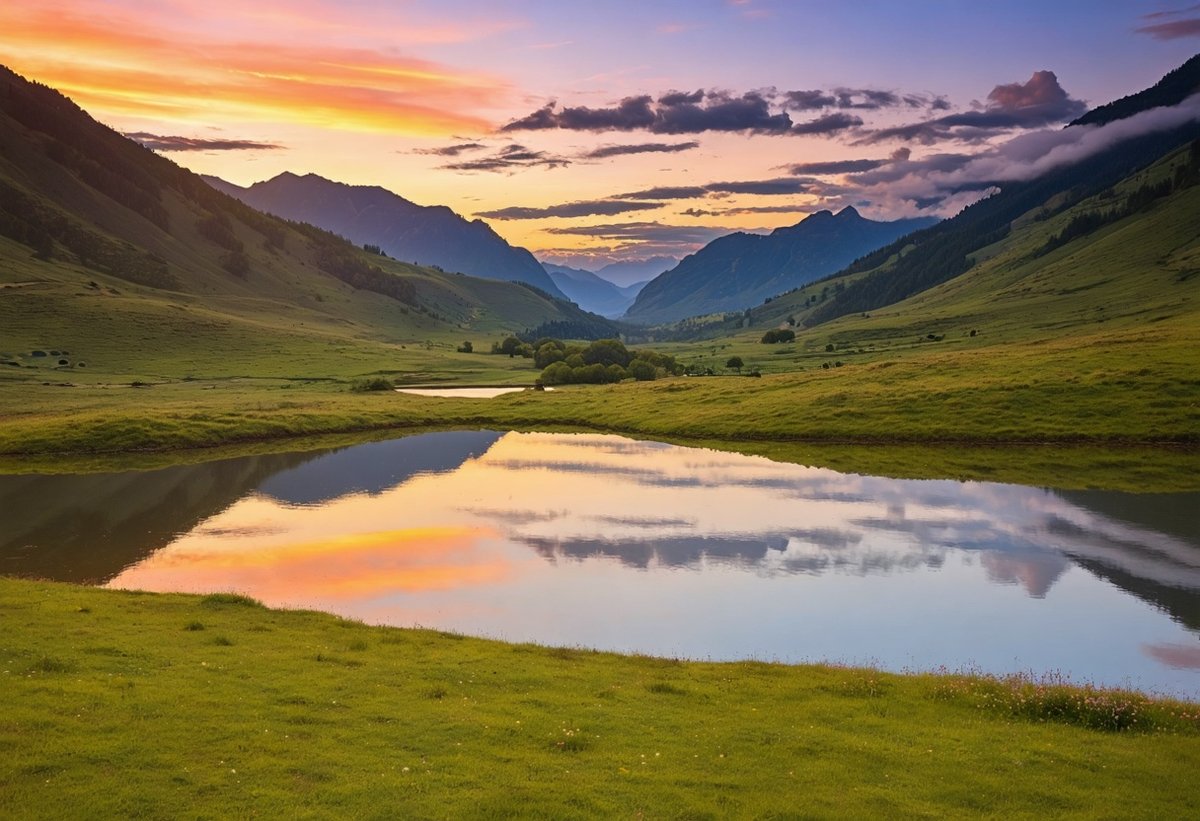
Stepping into the vastness of the great outdoors is like opening a door to a world of endless possibilities. Nature, in all its glory, calls to the adventurer within us, inviting exploration of its hidden corners and secret treasures. Each landscape has its own story to tell, a narrative written by the hand of time and the elements. Your task as a landscape photographer is to tune into these stories and capture them through your lens.
The first step in embracing the call of nature is to develop a sense of appreciation and respect for the landscapes you visit. Whether you find yourself in a dense forest, a desolate desert, or a fertile meadow, take a moment to observe your surroundings and absorb the ambiance. Acknowledging the uniqueness of each environment allows you to connect with it on a deeper level and translate its essence into your images.
Moreover, embracing the outdoors means being prepared for the unpredictability of nature. Weather conditions can change rapidly, transforming a serene scene into a dramatic spectacle within moments. Embracing the natural elements not only challenges your skills but also presents opportunities to capture extraordinary images that might otherwise go unnoticed. Practice adaptability, and let the spontaneity of nature guide your creative vision.
Practical Preparation for Outdoor Photography
Before venturing into the wilderness, ensure you’re properly equipped. Beyond your camera gear, pack weather-appropriate clothing in layers, sturdy footwear, navigation tools (GPS or maps), and emergency supplies. A well-prepared photographer can focus on creativity rather than discomfort. Consider creating a location-specific checklist that includes lens choices, filters (particularly polarizers and neutral density filters), extra batteries, and memory cards. Remember that cold weather drains batteries faster, so keep spares warm in an inside pocket.
Understanding Light: Nature’s Secret Palette
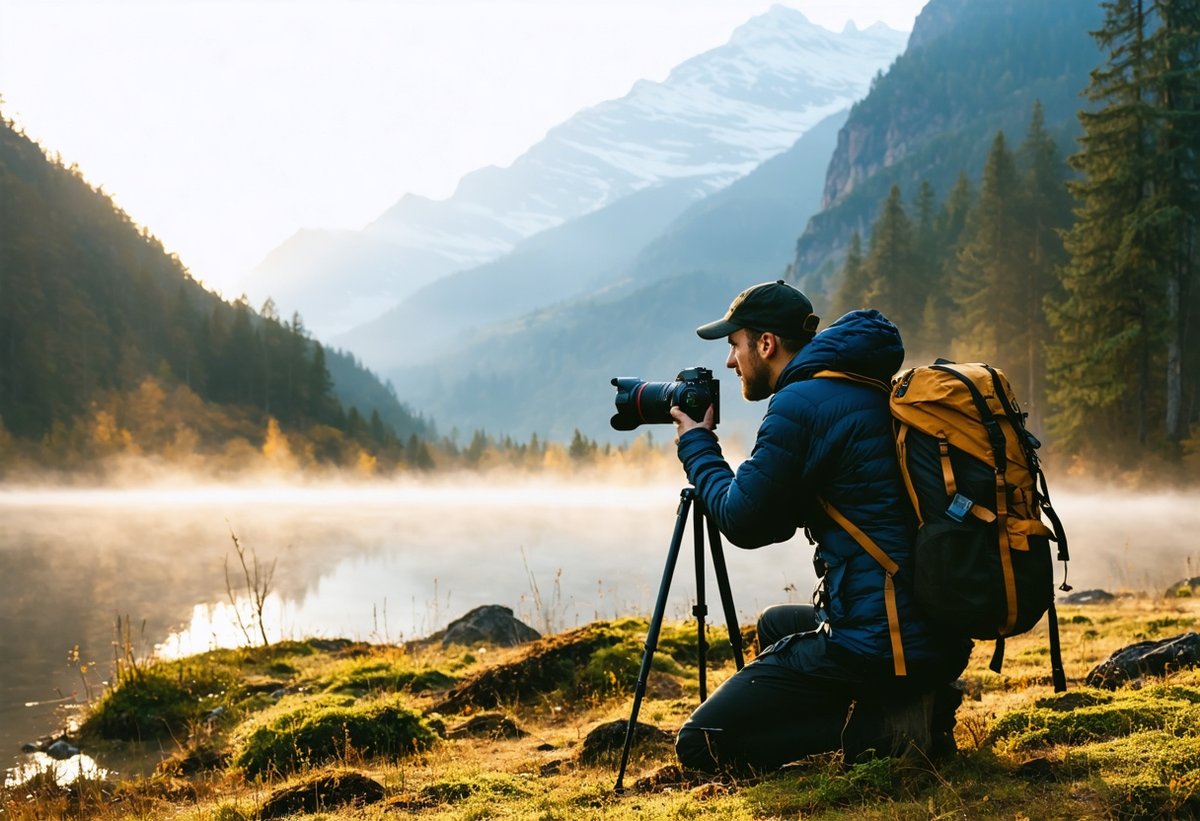
Light is the most vital element in photography; it’s the brush that paints the natural world. Understanding how light interacts with the landscape is crucial in capturing its true beauty. Every scene is best viewed under different types of light, whether it’s the warm glow of the golden hour, the soft diffusion of an overcast day, or the stark contrasts cast by midday sun.
The golden hour, the period shortly after sunrise or before sunset, is often favored by landscape photographers. During these times, the low angle of the sun casts long shadows and bathes everything in a warm, magical glow. Harsh edges are softened, and the landscape takes on a dreamlike quality that is irresistible to capture. On the contrary, midday light can be harsh, but experimenting with it can result in dramatic, high-contrast images.
Don’t overlook the subtleties of natural light and how they vary with location and time. The interplay of shadows and highlights, the changing colors of the sky, and the reflection of light on surfaces all provide opportunities to craft compelling images. By mastering the use of light, you harness nature’s secret palette to bring your landscapes to life.
The Blue Hour: An Underutilized Treasure
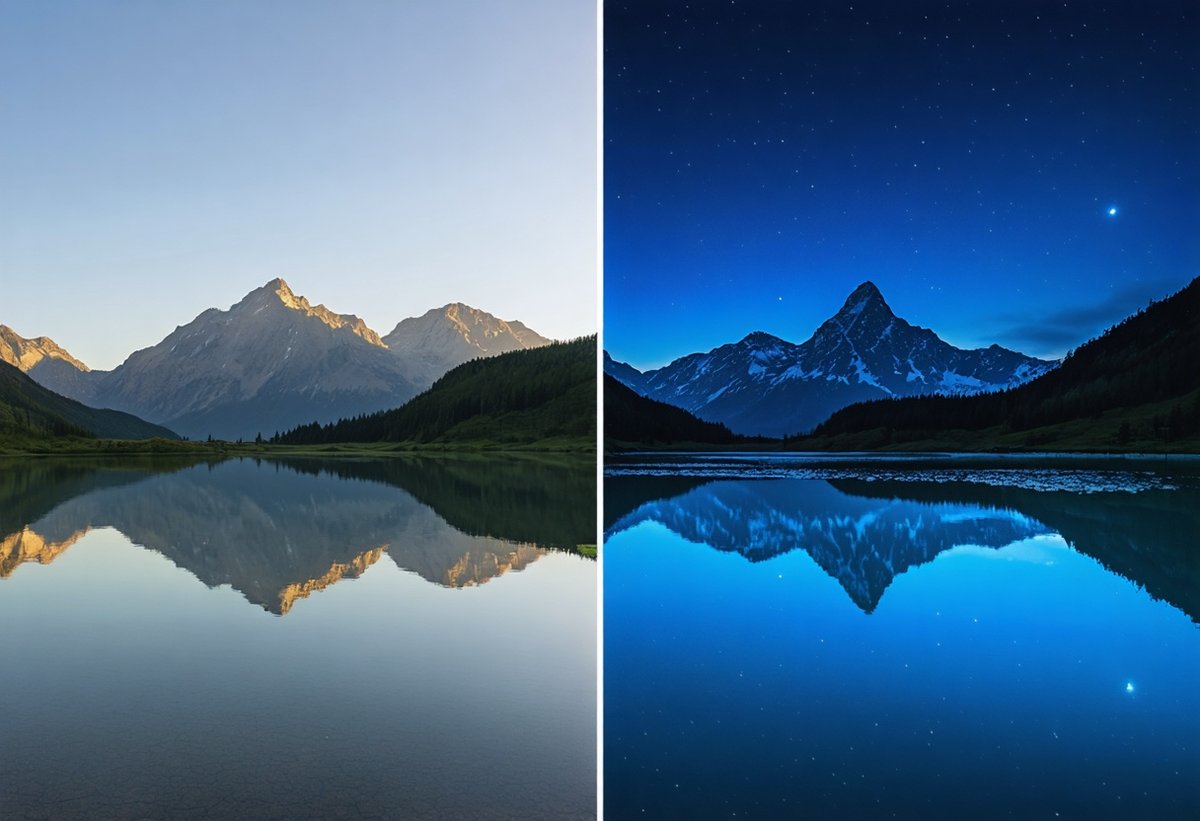
While golden hour receives much attention, the blue hour—occurring just before sunrise and after sunset—offers equally stunning opportunities. During this brief window, the sky takes on deep blue tones while artificial lights begin to glow, creating a magical balance between natural and artificial illumination. This period is particularly effective for landscapes that include water, which reflects the rich blue tones beautifully. Use a tripod and longer exposures to capture the subtle gradations of color that define this ethereal time.
Working with Overcast Conditions
Many photographers pack up when clouds roll in, but overcast skies provide wonderfully diffused light that eliminates harsh shadows and reduces contrast. This soft, even lighting is ideal for capturing intimate landscape details—forest scenes, waterfalls, wildflowers, and textures that would be overwhelmed by direct sunlight. Embrace cloudy days as opportunities rather than obstacles, and you’ll discover a whole new dimension to your landscape work.
Choosing the Perfect Landscape Setting
Selecting the right setting is as much an art as it is a science. It requires an eye for beauty and a soul attuned to the spirit of a place. Begin by researching locations that intrigue you; look at maps, read travel logs, and study photographs from other photographers. Each region offers its own unique landscapes, whether it’s the rugged mountain ranges, serene coastlines, or expansive deserts.
When scouting locations, consider the elements that will offer depth and character to your images. Are there distinct geological features? What flora and fauna might be present to add dynamism to the scene? The presence of water, vegetation, and topographical features can significantly enhance the visual interest of your landscape.
Remember, choosing the perfect landscape setting also involves timing. Seasons, weather conditions, and times of day will all affect how a location appears. Visiting the same spot in different conditions can reveal entirely different experiences. Strive to discover places that speak to you personally, allowing your emotional connection to guide your creative process.
Location Scouting Techniques
Professional landscape photographers rarely arrive at a location and immediately start shooting. Effective scouting involves visiting potential sites beforehand, ideally at different times of day. Use apps like PhotoPills or The Photographer’s Ephemeris to predict sun and moon positions, helping you plan compositions in advance. Google Earth provides valuable aerial perspectives that can reveal interesting patterns, leading lines, and compositional opportunities invisible from ground level. Local photography groups and forums can also provide insider knowledge about hidden gems and optimal shooting times.
Mastering Composition: Framing Your View
Composition is the art of guiding a viewer’s eye through your photograph to create a cohesive and compelling image. It involves arranging elements within the frame to highlight the subject and context. Understanding the basic principles of composition, such as the rule of thirds, leading lines, and framing, will help you create balance and harmony within your shot.
The rule of thirds suggests dividing your frame into nine equal segments with two horizontal and two vertical lines. Placing key elements along these lines or at their intersections can create more tension, energy, and interest than simply centering the subject. Meanwhile, leading lines—like a path, river, or fence—naturally draw the viewer’s eye into the photograph, adding depth and perspective.
Yet, composition is not bound by rules. While guidelines provide a strong foundation, allowing your intuition to interpret each scene is equally important. Sometimes breaking the conventional rules can lead to stunning and unique results. Every composition is an opportunity to express your vision and convey the emotion you felt in that landscape at that moment.
Foreground Interest: Adding Depth and Dimension
One of the most effective ways to create depth in landscape photography is to include compelling foreground elements. Rocks, flowers, fallen logs, or patterns in sand can anchor your composition and provide a sense of scale. This technique creates a three-dimensional feel, leading the viewer’s eye from the foreground through the middle ground to the distant background. Use a wide-angle lens and a small aperture (f/11 to f/16) to maintain sharpness throughout the frame, a technique essential to capturing nature’s essence in landscape work.
The Power of Negative Space
Not every landscape needs to be filled with detail. Strategic use of negative space—areas of minimal detail like sky, water, or fog—can create powerful, minimalist compositions that evoke emotion and contemplation. A lone tree against an expansive sky or a single rock formation emerging from mist can be far more impactful than a cluttered scene. Negative space allows the viewer’s imagination to engage with your image, creating a meditative quality that resonates long after the initial viewing.
Capturing the Essence of Seasons in Nature
Each season brings a unique mood and energy to the landscape, offering diverse palettes and atmospheres. Spring breathes new life into nature with vibrant colors and blooming flowers. Summer offers lush greenery and dynamic skies, perfect for both vivid and serene compositions. In autumn, landscapes are transformed with rich, warm tones that evoke a sense of nostalgia and renewal.
Winter, often considered bleak, actually presents a stark beauty that can be mesmerizing. The contrast of white snow against dark trees or the eerie stillness of a foggy morning can create striking visual narratives. As a landscape photographer, it’s important to attune yourself to these seasonal shifts, observing how light, weather, and the natural world evolve throughout the year.
Capturing the essence of each season requires patience and planning. Research local conditions and make notes of times when seasonal features are at their most prominent. By aligning yourself with the rhythms of nature, you can encapsulate the unique qualities that define each season, creating images that resonate with anyone who views them.
Spring: Capturing Renewal and Growth
Spring photography demands timing and local knowledge. Cherry blossoms, wildflowers, and fresh foliage have brief peak periods—sometimes only days. Connect with local botanical gardens, nature centers, and photography communities to track bloom forecasts. Early morning shoots capture dew-covered petals and soft light that enhances delicate colors. Consider using macro techniques to capture intimate details of new growth, then pull back for wider shots that show the landscape’s transformation.
Autumn: Working with Color and Light
Autumn’s spectacular colors require careful exposure management. The bright yellows, oranges, and reds can fool your camera’s meter, resulting in underexposure. Use exposure compensation (+1/3 to +2/3 stop) to maintain color vibrancy. Overcast days intensify autumn colors by eliminating glare, while backlighting can make leaves glow with translucent brilliance. Look for reflections in water to double the impact of fall colors, and don’t neglect the transitional periods when green leaves mingle with changing foliage.
Essential Camera Settings for Landscape Photography
Understanding your camera’s technical capabilities is fundamental to landscape photography success. While creativity and vision drive compelling images, technical mastery ensures you can execute your vision effectively in any conditions.
Aperture: Controlling Depth of Field
For most landscape photography, you’ll want maximum sharpness from foreground to background. This requires small apertures—typically f/8 to f/16. However, be aware of diffraction, which can reduce sharpness at very small apertures (f/22 and beyond). The sweet spot for most lenses is f/8 to f/11, where sharpness is optimized throughout the frame. For creative effects like isolating a foreground element, wider apertures (f/2.8 to f/5.6) can produce beautiful selective focus.
ISO: Balancing Light Sensitivity and Image Quality
Always use your camera’s base ISO (typically 100 or 200) when possible to maximize image quality and dynamic range. When shooting from a tripod—which should be most of the time in landscape work—there’s no reason to increase ISO. However, when handholding in low light or capturing movement like windblown grasses, you may need to increase ISO. Modern cameras handle ISO 400-800 beautifully, and even ISO 1600-3200 can be acceptable when the alternative is a blurred image.
Shutter Speed: Freezing or Blurring Motion
Shutter speed offers creative control over how motion appears in your landscapes. Fast shutter speeds (1/500s or faster) freeze action—crashing waves, windblown leaves, or flying birds. Slow shutter speeds (1/4s to several seconds) blur motion, creating the silky water effect beloved in waterfall and seascape photography. For extreme long exposures in daylight, use neutral density filters to reduce light entering the lens. Exposures of 30 seconds to several minutes can transform clouds into ethereal streaks and turn choppy water into glass-smooth surfaces.
Harnessing Technology to Enhance Your Vision
While nature itself provides a breathtaking canvas, technology empowers you to enhance and refine your vision. Modern cameras and techniques offer unprecedented control over exposure, focus, and depth of field, allowing greater creative expression. Whether using a DSLR, mirrorless camera, or even a smartphone, the tools at your disposal can help translate your perspective into a realized piece of art.
Post-processing software, like Adobe Lightroom or Photoshop, enables you to adjust and enhance images further. Subtle tweaks in color balance, contrast, or sharpness can transform a good photograph into a great one. However, strive to maintain the authenticity of the landscape you experienced—enhancements should serve to reflect your emotional response rather than alter the reality of the scene.
Explore emerging technology trends, such as drones for aerial photography or apps that leverage AI for scene optimization. These tools can offer new perspectives that were once unimaginable, expanding the boundaries of your creative capabilities. Embrace these innovations to deepen your engagement with landscape photography, continually evolving your craft.
Essential Filters for Landscape Photography
Despite advances in digital post-processing, certain optical filters remain indispensable. Circular polarizing filters reduce reflections and glare while intensifying blue skies and making clouds pop—effects difficult to replicate digitally. Graduated neutral density filters balance exposure between bright skies and darker foregrounds, preserving detail in both areas. Solid neutral density filters enable long exposures in bright conditions. Invest in quality filters from reputable manufacturers like B&H Photo; cheap filters can introduce color casts and reduce sharpness.
Focus Stacking for Maximum Sharpness
When even small apertures can’t deliver front-to-back sharpness—particularly in macro landscape work or when your foreground is extremely close—focus stacking is the solution. This technique involves taking multiple images at different focus distances, then blending them in post-processing software like Photoshop or Helicon Focus. The result is an image with impossible depth of field, sharp from inches away to infinity. This advanced technique requires a sturdy tripod and careful execution but produces stunning results unattainable through single exposures.
Weather and Atmospheric Conditions: Embracing Drama
While clear, sunny days might seem ideal, dramatic weather often produces the most memorable landscape photographs. Storm clouds, fog, mist, rain, and snow add atmosphere, mood, and visual interest that perfect conditions cannot match.
Photographing in Fog and Mist
Fog transforms familiar landscapes into mysterious, ethereal scenes. It simplifies compositions by obscuring distracting elements and creates natural layers that add depth. Fog also softens light beautifully, eliminating harsh contrasts. When photographing in fog, expose for the highlights to prevent the scene from appearing muddy. Look for darker elements—trees, rocks, buildings—that provide contrast against the soft gray tones. Fog is most prevalent in early morning, particularly in valleys and near water bodies, so plan accordingly.
Storm Photography: Safety and Opportunity
Approaching or departing storms offer spectacular light and dramatic skies. The period just after a storm passes often delivers the most remarkable conditions—clearing clouds, dramatic light breaking through, rainbows, and saturated colors. Always prioritize safety: monitor weather conditions, have an exit strategy, protect your equipment with rain covers, and never risk your life for a photograph. Lightning photography requires special techniques and extreme caution, but the results can be breathtaking when executed safely.
Patience: The Virtue of the Landscape Photographer
Patience is perhaps the most indispensable virtue for any landscape photographer. Nature follows its own rhythm, and great photographs often require waiting for the perfect alignment of elements. Weather changes, lighting conditions, and wildlife movements are unpredictable, and it’s your readiness to wait that often sets the groundwork for capturing spectacular images.
While waiting for the right moment, use the time to absorb the environment and reflect upon what makes it unique. This deeper understanding not only enriches your personal experience but also informs your artistic approach. Sometimes, the act of waiting can lead to surprises—a sudden break in clouds, the unexpected appearance of wildlife, or miraculous shifts in light.
Patience also involves revisiting locations. Repeated visits offer fresh perspectives, revealing nuances you might have missed initially. Each return allows you to explore different facets, capturing new images that may surpass your previous attempts. Ultimately, patience invites you to slow down and fully engage with the majesty of nature, resulting in photographs that speak volumes.
The Art of Waiting: Real-World Examples
Consider the approach of legendary landscape photographers like Ansel Adams and Galen Rowell, who often waited hours or returned to locations repeatedly to capture the perfect moment. Adams famously visited locations dozens of times before conditions aligned with his vision. This dedication to patience separates memorable images from snapshots. Modern photographers can learn from this tradition while leveraging weather apps and forecasting tools to make educated predictions about when conditions might be optimal.
Post-Processing: Developing Your Digital Darkroom Skills
Post-processing is not about manipulation—it’s about realization. Just as film photographers spent hours in darkrooms dodging, burning, and adjusting prints, digital photographers use software to bring their vision to life. The goal is to create images that reflect what you saw and felt, not to fabricate unrealistic scenes.
Essential Lightroom Adjustments for Landscapes
Begin with global adjustments: exposure, contrast, highlights, shadows, whites, and blacks. For landscapes, slightly increasing clarity and vibrance often enhances detail and color without appearing oversaturated. Use the tone curve for fine-tuned contrast control. The HSL (Hue, Saturation, Luminance) panel allows precise color adjustments—shift blue skies toward cyan for a more natural appearance, or adjust green tones to match the scene you remember. Graduated filters in Lightroom can darken skies or brighten foregrounds, replicating the effect of physical graduated ND filters.
Advanced Techniques: Luminosity Masks and Blending
For photographers ready to advance beyond basic adjustments, luminosity masks in Photoshop offer surgical precision in targeting specific tonal ranges. These masks allow you to adjust only highlights, midtones, or shadows without affecting other areas. Exposure blending—combining multiple exposures of the same scene—preserves detail in both bright skies and dark foregrounds without the artificial look of HDR. These techniques require practice but dramatically expand your creative possibilities.
Finding Your Unique Photographic Voice
Technical mastery is important, but developing a distinctive style sets exceptional photographers apart. Your photographic voice emerges from the intersection of technical skills, personal vision, and emotional connection to your subjects.
Study the work of master landscape photographers—not to copy, but to understand how they see. Examine work from The Getty Museum’s photography collection or The Royal Photographic Society to see how historical and contemporary photographers approach landscape work. Notice patterns in their compositions, lighting choices, and subject matter. Then consciously develop your own preferences and approaches.
Your unique voice might emphasize minimalism or complexity, vibrant colors or muted tones, grand vistas or intimate details. It might be defined by the locations you choose, the weather conditions you prefer, or the emotional qualities you emphasize. Developing this voice takes time and requires shooting consistently while remaining open to evolution and growth.
Ethical Considerations in Landscape Photography
As landscape photographers, we have responsibilities to the environments we photograph. The principle of “Leave No Trace” should guide every outdoor photography excursion. Stay on established trails, avoid trampling fragile vegetation, and never alter a scene by moving or removing natural elements.
Consider the impact of sharing location information. While social media encourages tagging specific locations, this can lead to over-visitation and environmental damage at sensitive sites. Some photographers choose to share general locations rather than precise GPS coordinates, allowing these places to remain pristine for future generations.
Respect wildlife by maintaining safe distances and never baiting or harassing animals for photographs. Your safety and the welfare of wildlife should always take precedence over getting a shot. This ethical approach aligns with the broader responsibility photographers share in documenting our world authentically and respectfully.
Building a Landscape Photography Portfolio
A strong portfolio demonstrates your skills, vision, and consistency. Rather than including every decent image, curate ruthlessly. Select 15-25 of your absolute best images that work together cohesively. Your portfolio should tell a story about who you are as a photographer and what makes your work distinctive.
Consider organizing your portfolio thematically—by location, season, mood, or technique. Consistency in editing style helps create visual coherence. Regularly review and update your portfolio as your skills develop, removing older work that no longer represents your current capabilities.
Present your portfolio professionally, whether through a dedicated website, platforms like Instagram, or printed books. Each medium has advantages: websites offer comprehensive presentations, social media provides community engagement, and printed portfolios create tactile, memorable experiences.
Sharing Your Journey: Inspiring Others Through Art
Art has the power to inspire, and sharing your journey through landscape photography enables you to connect with others in profound ways. Social media platforms, galleries, and photography forums offer avenues to showcase your work. By sharing your experiences, you invite others to see the world through your eyes, offering them a glimpse of places they might never visit.
Sharing your art isn’t just about displaying photographs; it’s about telling your story. Accompany your images with narratives that describe the scene’s significance, your emotional response, or even the challenges faced along the way. These anecdotes provide context, allowing viewers to engage with your work on a deeper level.
Moreover, by sharing your journey, you contribute to a larger community of artists and nature enthusiasts, fostering a sense of collective appreciation for the beauty of our planet. Your work can inspire others to explore, create, and cherish the natural world, perpetuating a cycle of inspiration and wonder that enriches us all.
Engaging with the Photography Community
Join photography organizations like the National Press Photographers Association or local camera clubs to connect with fellow enthusiasts. Participate in critique sessions, workshops, and photo walks. These interactions provide valuable feedback, expose you to different perspectives, and often lead to lasting friendships. Online communities on platforms like Reddit, Flickr, and specialized forums offer global connections and learning opportunities. Remember that giving constructive feedback to others often teaches you as much as receiving it.
Nature’s landscapes are an endless source of inspiration and wonder, and the art of capturing them is a testament to the beauty that surrounds us. As you continue on your journey to photograph stunning landscapes, remember that it is a blend of skill, intuition, and emotional connection that brings these images to life. Each snapshot is not just a reflection of a moment in time, but a narrative crafted by your unique vision and passion for capturing the world. May your journey be filled with discovery, creativity, and joy, inspiring others to see the world anew through your lens. Embrace the beauty of nature, and let it guide you to create art that resonates, inspires, and endures.