Journey Through Lenses: Unveiling Cultures in Portraits
Photography is a powerful storytelling medium, transcending time and space with a single shutter click. Among its many forms, portrait photography uniquely captures the profound stories hidden within a glance, creating lasting connections across diverse cultural landscapes. Journey Through Lenses: Unveiling Cultures in Portraits invites us to explore these stories and the shared humanity that unites us all. In an age where billions of images are shared daily, portrait photography remains one of the most intimate and revealing forms of visual expression—a bridge between cultures, generations, and experiences.
Discovering Stories Behind Every Portrait
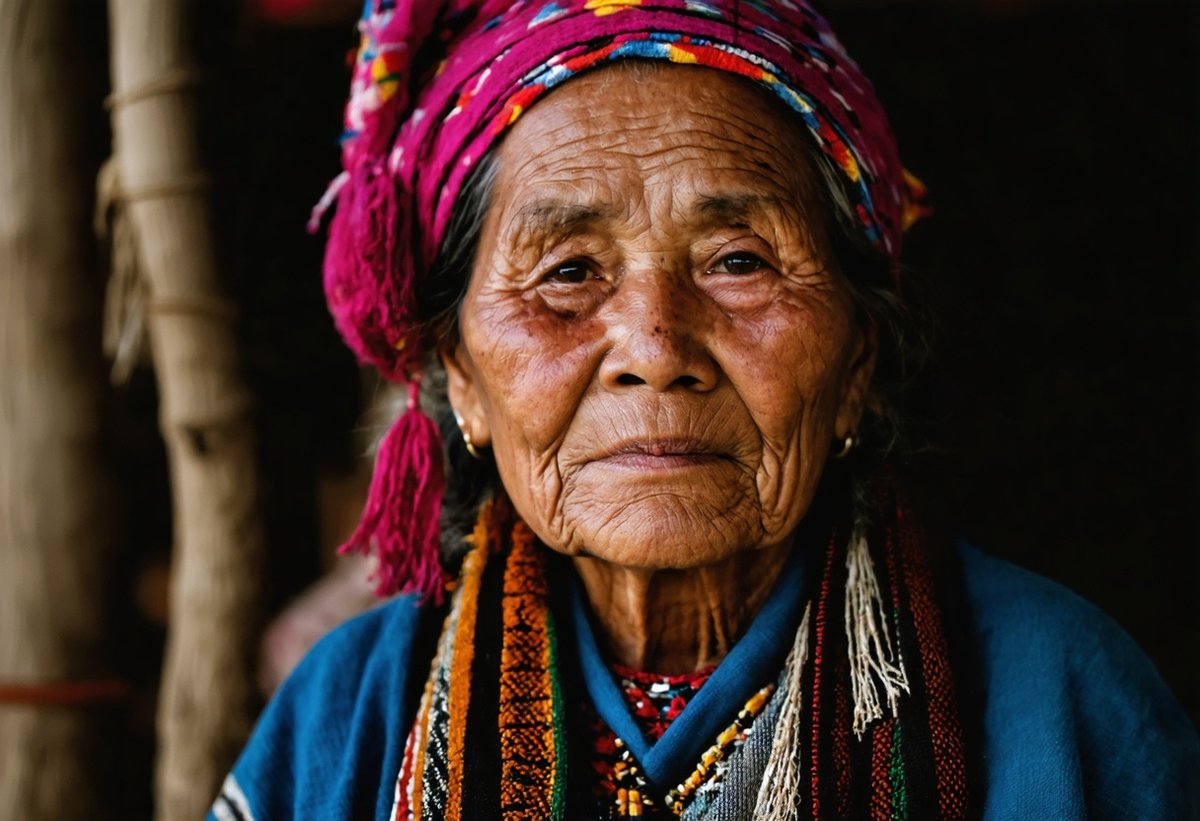
Every portrait holds a silent narrative, etched into the lines of a face, the intensity of an expression, and the subtle hints of life’s experiences. Gazing into the eyes of a portrait subject offers a window into their world—a glimpse into their joys, struggles, and dreams. Each photograph unveils a universe of stories, inviting viewers to delve deeper into the lives captured in these poignant moments.
Portraits bridge the past and future, chronicling personal and societal journeys through time. They capture moments that might otherwise be lost to life’s fleeting nature. Whether it’s a child’s smile, a furrowed brow of contemplation, or the lined visage of old age, every portrait promises discovery—a story yearning for an audience and understanding.
The art of portraiture goes beyond capturing an image; it’s about uncovering narratives hidden within. As explored in the aesthetics of portrait photography, this genre invites us to see beyond the surface, to explore the diverse tapestry of human existence, and to cherish the multitude of stories that make up our world. Great portrait photographers understand that their subjects carry entire lifetimes of experience, and their challenge is to distill that complexity into a single frame.
The Psychology of Portrait Storytelling
Understanding the psychological depth of portrait photography enhances both the creation and appreciation of these images. When we look at a portrait, our brains instinctively search for emotional cues—microexpressions, body language, and contextual details that reveal the subject’s inner world. This neurological response explains why certain portraits resonate deeply while others feel superficial. The most compelling portraits tap into universal human emotions while simultaneously presenting something uniquely individual.
Research in visual perception shows that viewers spend significantly more time examining faces in photographs than any other element. We’re hardwired to read faces, to find connection and meaning in human expressions. This biological imperative makes portrait photography one of the most powerful forms of visual communication, capable of transcending language barriers and cultural differences to convey profound truths about the human condition.
The Artistry of Capturing Moments in Time
Portrait photography is a delicate dance between photographer and subject, requiring both technical skill and emotional intuition. It’s not just about pointing a camera and pressing a button; it’s about creating a moment where time pauses, encapsulating the essence of a person in a single frame. Every element—lighting, composition, and timing—must align perfectly to capture an authentic moment.
The artistry lies in the photographer’s ability to connect with the subject, seeing beyond the immediate to draw out something deeper. This connection is vital to capturing an image that resonates with viewers; it’s an unspoken dialogue between photographer and subject that reveals the true essence of a person. In this dance, the photographer acts as both observer and participant, guiding the subject to reveal their stories.
This ability to capture a moment transforms a portrait into more than just a photograph. It becomes an emotional vessel, transporting viewers to another life experience. Through this artistry, portraits remind us of the beauty and complexity of human life, highlighting the precious nature of fleeting moments and encouraging us to cherish the memories they bring to life.
Technical Mastery Meets Emotional Intelligence
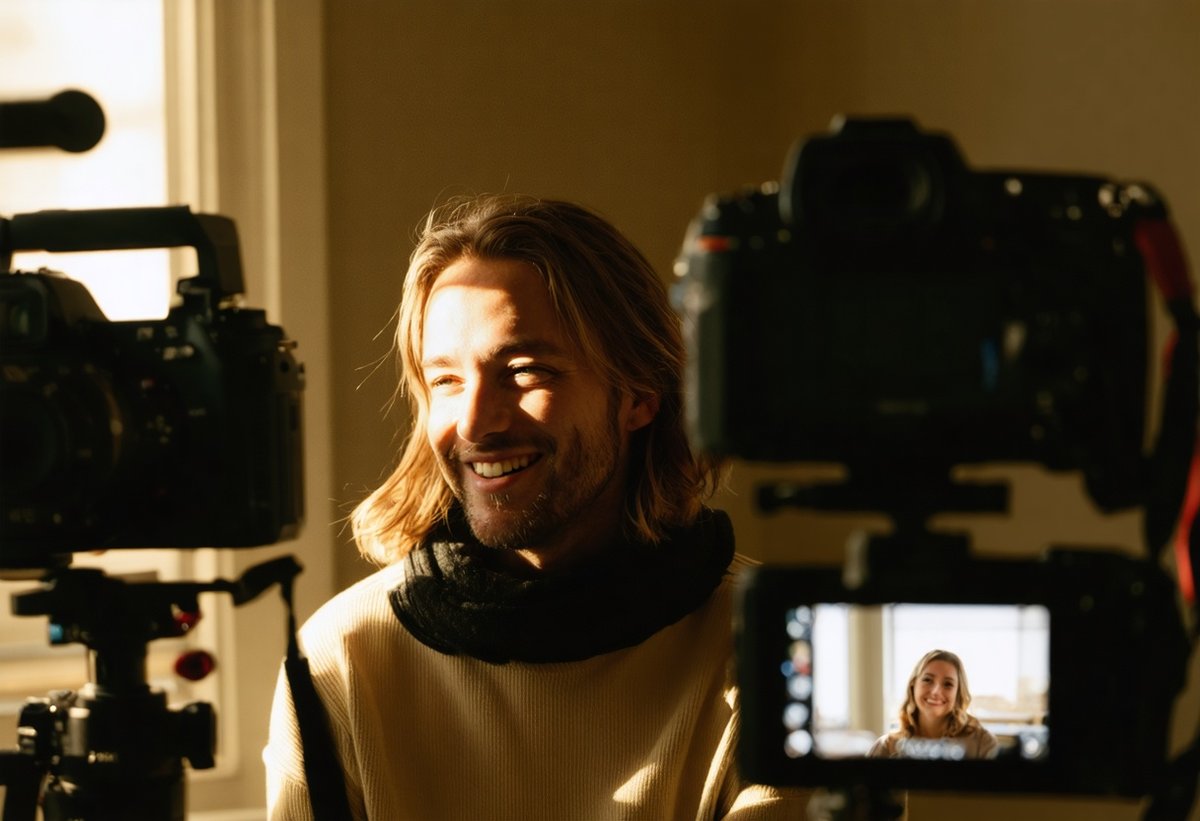
While technical proficiency is essential for portrait photography, it’s only half the equation. Understanding how to capture radiant skin tones and master lighting techniques provides the foundation, but emotional intelligence separates competent portraits from extraordinary ones. The best portrait photographers develop an intuitive sense of when to shoot—that decisive moment when a subject’s guard drops and their authentic self emerges.
Creating this environment of trust and authenticity requires patience, empathy, and genuine curiosity about your subjects. Before raising the camera, spend time in conversation. Ask about their lives, their passions, their challenges. This investment in human connection pays dividends when the shooting begins, as subjects feel seen and valued rather than merely documented. The camera becomes a tool for dialogue rather than a barrier between two strangers.
Practical Tips for Capturing Authentic Cultural Portraits
For photographers seeking to capture meaningful cultural portraits, several practical approaches can enhance your work. First, always approach subjects with respect and cultural sensitivity. Research local customs and traditions before photographing in unfamiliar communities. In many cultures, asking permission before photographing someone isn’t just courteous—it’s essential.
Second, consider using natural light whenever possible. While studio lighting offers control, natural light often creates a more intimate, authentic atmosphere that helps subjects relax. Position your subject near windows or in open shade outdoors to achieve soft, flattering illumination that reveals texture and depth without harsh shadows.
Third, pay attention to environmental context. Including elements of a subject’s surroundings—their workspace, home, or cultural artifacts—adds narrative depth to portraits. These contextual details tell viewers not just who someone is, but how they live, what they value, and where they belong in their community.
A Glimpse into Diverse Cultural Landscapes
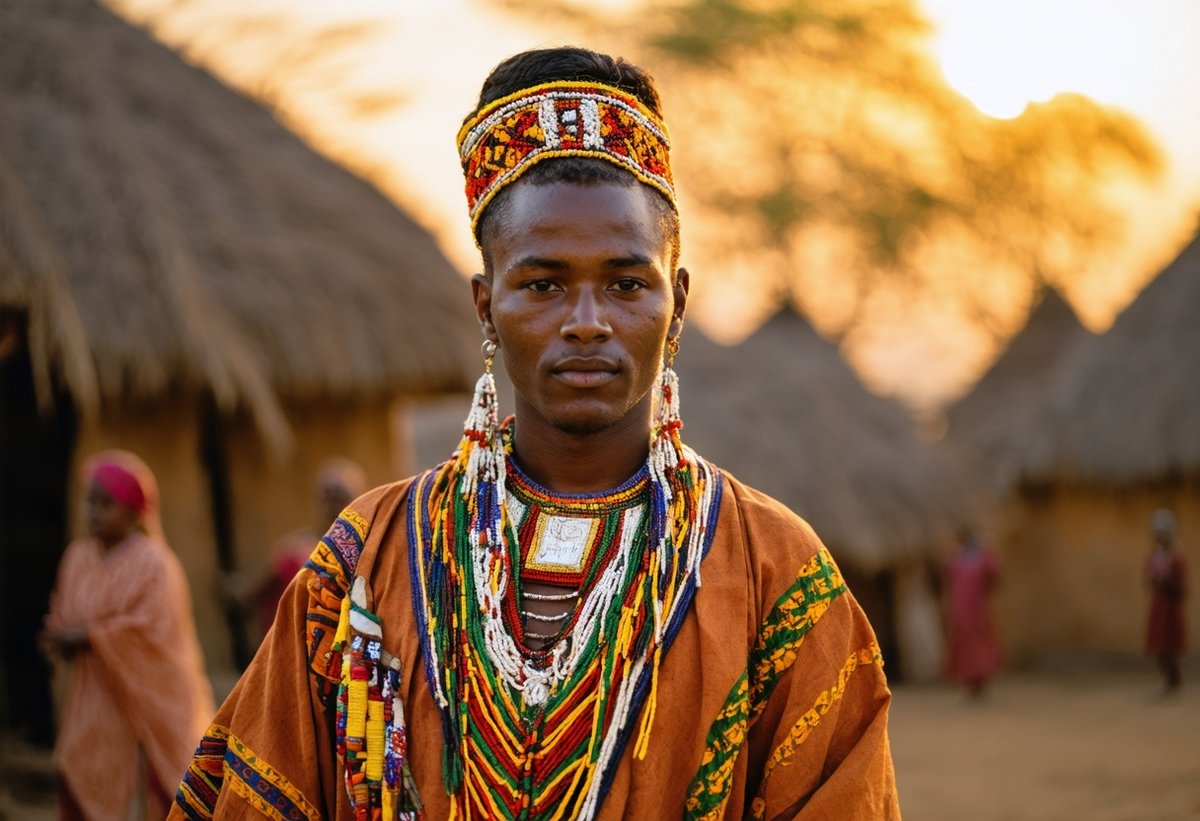
Portraits transport us into the heart of countless cultures, offering glimpses into the varied landscapes of human existence. Through the lens, we encounter traditions, customs, and values that define different communities, broadening our understanding of the world. Each portrait serves as a connection to the rich tapestry of cultural diversity that paints our global society.
Cultural portraiture reveals the nuances and complexities that make each culture unique. From colorful rural festivities to the vibrant street life of bustling metropolises, portraits capture the spirit of a community, showcasing the interplay between tradition and transformation. These images invite us to explore unfamiliar lands, walking alongside individuals to glimpse the cultural threads that bind societies together.
Through these vicarious journeys, we appreciate the diversity within cultures and the universal themes connecting us all. Portraits become powerful educational tools, inspiring empathy and understanding. By offering a window into diverse cultural landscapes, they encourage viewers to embrace the beauty of difference, reminding us that while our paths may vary, our shared humanity remains a constant.
Cross-Cultural Portrait Photography: Lessons from History
The tradition of cross-cultural portrait photography has deep historical roots. Photographers have long served as cultural ambassadors, documenting communities and traditions unfamiliar to broader audiences. The Metropolitan Museum of Art’s photography collection contains countless examples of this tradition, from early ethnographic studies to contemporary documentary work that challenges stereotypes and celebrates cultural richness.
Examining the history of photography in China reveals how portrait photography evolved alongside cultural and political changes, reflecting shifting attitudes toward individual identity and collective representation. Similarly, exploring Chicano photography demonstrates how communities use portraiture to assert cultural identity and challenge dominant narratives.
These historical perspectives remind us that portrait photography carries responsibility. Images shape perceptions, influence attitudes, and can either reinforce stereotypes or challenge them. Contemporary portrait photographers must be mindful of this power, striving to represent subjects with dignity, complexity, and authenticity rather than reducing them to exotic curiosities or simplistic caricatures.
Portraits as Windows into Unseen Worlds
Each portrait opens a window into often unseen worlds, inviting viewers to experience realities that might otherwise remain distant or misunderstood. They capture intimate and revealing moments, serving as a bridge to greater awareness and compassion for others’ lives. In these images, we discover unspoken stories of resilience, joy, and struggle shaping communities worldwide.
Portraits allow us to perceive the world from different angles, providing insight into the lives of people we may never meet and places we may never visit. They capture the silent testimonies of marginalized communities, giving them a voice on a global stage. By highlighting these unseen worlds, portraits challenge stereotypes and biases, urging viewers to question preconceived notions and deepen their understanding of diverse experiences.
Through this visual exploration, portraits foster connection and solidarity. They remind us that, despite distances, the threads of human experience weave through every portrait, building a narrative of shared existence. As windows into unseen worlds, portraits promote dialogue and empathy, encouraging us to break down barriers and discover the common ground uniting us. This function aligns closely with why documentary photography remains important in our contemporary visual landscape.
The Ethics of Representation
When photographing communities different from our own, ethical considerations become paramount. Who has the right to tell whose story? How do we avoid extractive practices that benefit the photographer while offering nothing to subjects? These questions have sparked important conversations within the photography community, leading to more collaborative and reciprocal approaches to portrait work.
Best practices include sharing images with subjects, obtaining informed consent that goes beyond a simple release form, and considering how photographs will be used and contextualized. Some photographers now work in partnership with communities, involving subjects in editorial decisions and ensuring that projects serve community interests rather than purely artistic or commercial goals. This shift toward ethical engagement strengthens both the work itself and the relationships that make meaningful portraiture possible.
Faces That Reflect Traditions and Changes
Portrait faces are more than mere representations; they are chronicles of cultural evolution, reflecting enduring traditions and inevitable societal changes. In the expressions captured, we witness the balance between heritage and modernity, continuity and adaptation. Each portrait is a testament to the resilience and adaptability inherent in human nature.
Through portraits, we witness the enduring power of tradition, seeing how cultural identities are preserved through generations. Traditional attire, ceremonial markings, and age-old customs come alive in photographs, reminding us of the rich legacy of human history. Simultaneously, portraits capture the winds of change, showcasing how cultures evolve in response to external influences and internal transformations.
These dynamic narratives invite reflection on the forces shaping cultural change, encouraging appreciation for the balance between honoring the past and embracing innovation. Faces that reflect tradition and change serve as visual records of cultural landscapes and reminders of the constant ebb and flow defining human society. They inspire us to value history’s lessons while remaining open to future possibilities.
Documenting Cultural Transitions
Some of the most compelling portrait projects document communities in transition—indigenous groups navigating modernization, immigrant communities adapting to new homelands, or traditional craftspeople preserving disappearing skills. These projects require long-term commitment, as meaningful documentation of cultural change cannot be accomplished in brief visits. Photographers who invest years building relationships and returning repeatedly to communities create work with depth and nuance impossible to achieve otherwise.
The Royal Photographic Society has recognized numerous projects that sensitively document cultural transitions, demonstrating how portrait photography serves as both historical record and contemporary commentary. These works remind us that culture is never static—it’s a living, breathing entity that adapts while maintaining connections to ancestral roots.
The Emotional Connection in Every Eye
The eyes are often seen as windows to the soul, and in portrait photography, this is especially true. Within every portrait, there is an emotional connection that speaks volumes, reaching out with an unspoken dialogue that transcends language and culture. The eyes convey emotions from profound joy to deep sorrow, creating an immediate and powerful connection with viewers.
This emotional connection invites viewers to pause, look deeply into the eyes of the person before them, and experience empathy and understanding. It reminds us that, despite the myriad of experiences that define us, certain emotions are universally understood and shared. Through this connection, portraits forge emotional bridges between disparate communities, fostering unity and compassion.
Every eye captured in a portrait reflects our shared humanity, reminding us that emotions transcend boundaries. They reveal the simple yet profound truth that, despite differences, we all experience the same spectrum of emotions. The emotional connection in every eye becomes a powerful tool for promoting understanding, inviting us to connect on a deeper level with the stories and faces shaping our world.
Technical Approaches to Capturing Expressive Eyes
From a technical standpoint, capturing expressive eyes requires attention to focus, lighting, and timing. Always ensure the eyes are tack-sharp—this is the non-negotiable element of portrait photography. Even if other areas fall slightly out of focus, sharp eyes maintain the viewer’s attention and create that crucial sense of connection.
Lighting the eyes effectively often means creating catchlights—those small reflections of light sources visible in the eyes that add sparkle and life. Position your subject so that natural or artificial light creates these catchlights at approximately the 10 or 2 o’clock position in the eyes. This subtle detail makes an enormous difference in the final image’s impact.
Finally, timing matters immensely when capturing emotional authenticity in eyes. The moment immediately after someone laughs, when their expression settles into genuine contentment, often yields more authentic emotion than forced smiles. Similarly, asking subjects to look away and then back at the camera can create a moment of natural engagement that reads as more genuine than sustained eye contact.
Beyond Borders: Universal Human Narratives
Portraits testify to the universal human narratives spanning cultures and continents, showcasing shared experiences binding us together despite geographical and cultural differences. Through these images, we realize that the essence of being human is a story transcending boundaries—a shared journey of love, loss, joy, and resilience that knows no borders.
These universal narratives highlight the interconnectedness of human experiences, revealing the common threads uniting us all. They illuminate the truth that, while cultures may differ, the fundamental stories of life—birth, death, love, and struggle—are experienced by all. Every portrait becomes a chapter in this universal narrative, contributing to a richer understanding of what it means to be part of the human family.
By showcasing these narratives, we are reminded of empathy and solidarity’s importance in building a more compassionate world. We are encouraged to look beyond the surface and recognize the shared humanity in each face. Through portrait photography, we are inspired to break down barriers and embrace the richness of diverse stories defining our human experience.
The Role of Portrait Photography in Social Change
Throughout history, portrait photography has played a crucial role in social movements and humanitarian causes. Images of individuals affected by poverty, war, discrimination, or environmental disasters have mobilized public opinion and inspired action. Organizations like Magnum Photos have long recognized photography’s power to bear witness and create change through humanizing subjects and making distant struggles feel immediate and personal.
Contemporary photographers continue this tradition, using portraits to advocate for marginalized communities, document human rights issues, and challenge injustice. The key to effective advocacy through portraiture lies in presenting subjects with dignity and agency—not as helpless victims, but as complex individuals with strength, resilience, and their own narratives. This approach respects subject autonomy while still communicating the urgency of their circumstances.
Inspiring Unity Through the Lens of Culture
Portrait photography inspires unity through its celebration of culture and individuality. These images showcase the beauty and diversity of human experiences, inviting viewers to appreciate the wide spectrum of cultural expressions worldwide. Through the lens, we become participants in a shared journey of discovery and appreciation for the world’s cultural tapestry.
Portraits inspire unity by highlighting each individual’s uniqueness while acknowledging our shared humanity. They invite us to celebrate differences enriching our world and recognize common bonds uniting us. By focusing on cultural expressions, portraits become catalysts for cross-cultural dialogue, encouraging us to engage with and learn from one another.
This visual exploration inspires a worldview valuing diversity while fostering unity and understanding. The stories and faces in portraits testify to the resilience, beauty, and complexity of human life, reminding us that, despite varied backgrounds, we are all part of a larger narrative. In this way, portrait photography becomes a powerful tool for inspiring unity and celebrating the rich tapestry of cultures defining our world.
Building Your Own Cultural Portrait Practice
For photographers interested in developing a cultural portrait practice, start locally. Every community contains rich cultural diversity worth documenting. Begin by photographing within your own cultural community, learning to capture authentic moments and meaningful narratives before expanding to unfamiliar cultures. This foundation helps you develop both technical skills and the interpersonal sensitivity required for respectful cultural documentation.
When ready to photograph other cultures, invest time in learning and relationship-building before shooting. Attend community events, volunteer, or simply spend time present without your camera. These investments demonstrate genuine interest rather than extractive tourism. Many photographers find that their best cultural portraits emerge from long-term projects where trust and understanding deepen over months or years.
Consider also how you’ll share your work. Exhibition spaces, photobooks, and online platforms each offer different opportunities for cultural portraits to reach audiences and create impact. Think strategically about contexts that honor your subjects while maximizing the work’s potential to foster cross-cultural understanding and appreciation.
The Future of Cultural Portrait Photography
As technology evolves and global connectivity increases, cultural portrait photography faces both opportunities and challenges. Digital platforms enable photographers to share work with unprecedented global audiences, creating possibilities for cross-cultural dialogue that previous generations couldn’t imagine. Social media allows subjects themselves to participate in how their portraits are shared and contextualized, shifting power dynamics that historically favored photographers.
However, this digital landscape also presents challenges. The sheer volume of images online can reduce individual portraits to fleeting content consumed and forgotten within seconds. Photographers must work harder to create images with stopping power—portraits that command attention and invite sustained engagement rather than quick scrolling. This requires both technical excellence and narrative depth that transcends superficial aesthetics.
Additionally, conversations about representation, consent, and cultural appropriation continue evolving, pushing photographers toward more ethical and collaborative practices. The future of cultural portrait photography likely involves greater subject agency, collaborative creation processes, and transparency about how images will be used. These shifts strengthen the genre, ensuring that cultural portraiture serves mutual understanding rather than perpetuating harmful stereotypes or extractive practices.
Learning from Master Portrait Photographers
Studying the work of master portrait photographers provides invaluable lessons for developing your own practice. Steve McCurry’s “Afghan Girl” demonstrates how a single portrait can capture global attention and humanize distant conflicts. Sebastião Salgado’s long-term documentary projects show the power of sustained commitment to communities and stories. Dorothea Lange’s Depression-era portraits reveal how images can document social conditions while honoring subject dignity.
Contemporary photographers like Zanele Muholi, who documents South Africa’s LGBTQ+ community, and Fazal Sheikh, whose portraits explore displacement and migration, continue pushing the genre forward. Examining their approaches—technical, ethical, and conceptual—offers roadmaps for creating meaningful cultural portrait work in our own practices.
Practical Exercises for Developing Your Portrait Vision
To strengthen your cultural portrait photography skills, try these practical exercises. First, create a portrait series within your own community focusing on a specific theme—intergenerational relationships, traditional crafts, or cultural celebrations. This project helps you develop technical skills and storytelling approaches in a familiar context before applying them to unfamiliar cultures.
Second, practice environmental portraiture by photographing people in spaces meaningful to them—their workplaces, homes, or cultural centers. Pay attention to how background elements contribute to narrative, and experiment with different apertures to control how much environmental context remains sharp versus softly blurred.
Third, challenge yourself to capture authentic emotion without directing subjects. Spend extended time with individuals, allowing them to become comfortable with your presence and camera. The goal is to document genuine moments rather than posed expressions. This exercise develops patience and observational skills essential for compelling portrait work.
Finally, create a contact sheet analysis project. After a portrait session, review every frame critically. Which images capture authentic moments versus forced expressions? Where did lighting enhance versus detract from the subject? What compositional choices strengthened or weakened the narrative? This reflective practice accelerates learning and helps you identify patterns in your strongest work.
Conclusion: The Enduring Power of Portrait Photography
In a world often divided by borders and differences, portrait photography serves as a timeless reminder of our shared humanity. Journey Through Lenses: Unveiling Cultures in Portraits encourages us to look beyond the surface, exploring the stories and faces defining our world. Through these powerful images, we connect with diverse cultural landscapes and appreciate the universal narratives uniting us all.
As we continue this journey, let us embrace the lesson portraits offer: within every face lies a story worth telling, and within every story, the potential to inspire understanding, unity, and change. Whether you’re a practicing photographer or an appreciative viewer, engaging thoughtfully with cultural portraits enriches your understanding of humanity’s beautiful complexity. These images remind us that despite our differences in language, custom, and geography, we share fundamental experiences—love, loss, joy, struggle—that bind us together as one human family.
The power of portrait photography lies not just in technical mastery or aesthetic beauty, but in its capacity to foster empathy, challenge assumptions, and build bridges across divides. In each face captured, we find reflections of ourselves—our hopes, fears, dreams, and resilience. Through the lens of culture, we discover that our diversity is not a source of division but rather the rich tapestry that makes human existence so profoundly beautiful and worth celebrating.