Journeys Through the Lens: Safeguard Your Gear on the Go
Every photograph tells a story, capturing fleeting moments and etching them into timeless memories. For photographers, each journey offers a chance to capture the world’s beauty, one frame at a time. But behind every breathtaking image lies the careful dance of preparation and preservation, ensuring that each piece of gear remains intact and ready for the next shot. This comprehensive guide walks you through the nuanced journey of safeguarding your photography equipment while on the go, allowing you to focus on what truly matters—creating art that resonates.
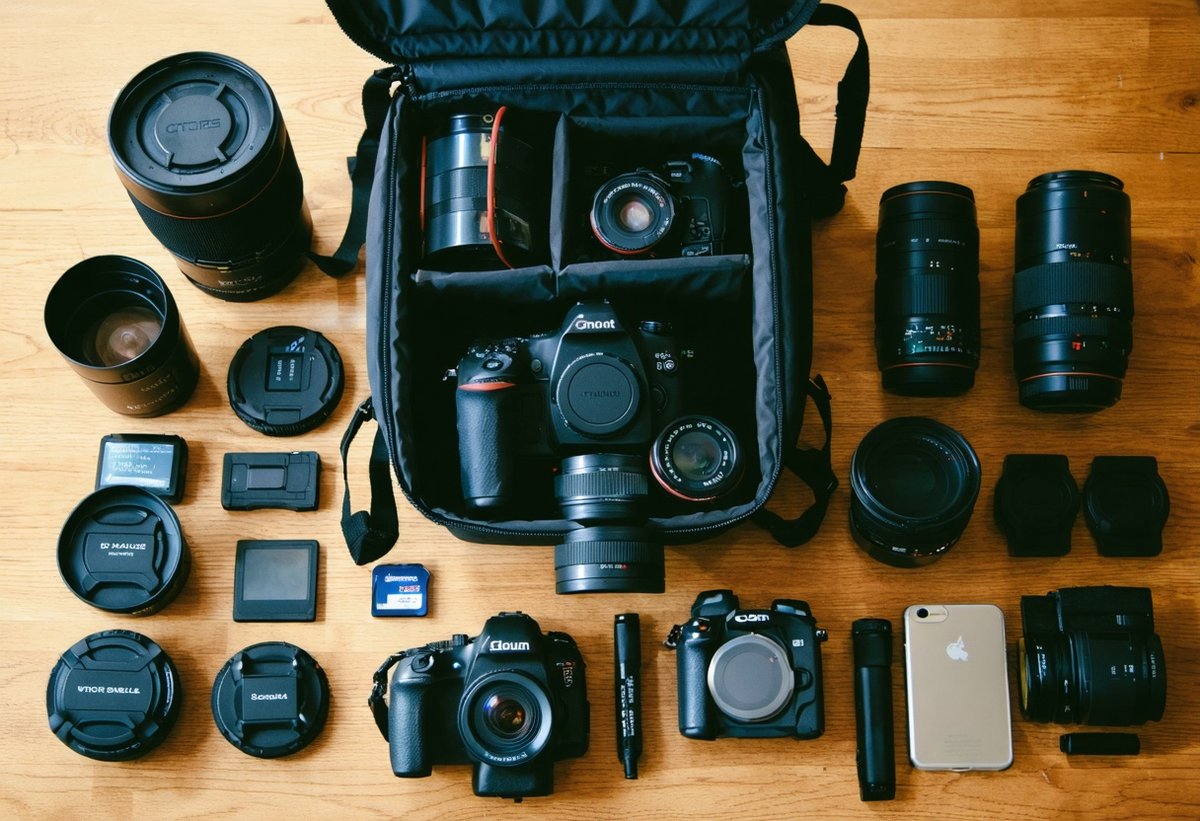
Whether you’re embarking on a documentary photography expedition to capture authentic moments or planning a landscape adventure, protecting your gear is paramount. The difference between a successful shoot and a costly disaster often comes down to the precautions you take before you even leave home.
Setting the Stage: A Photographer’s Journey
Embarking on a photographer’s journey is akin to a quest. Each destination unveils a new world to capture, and each image taken becomes a relic of your adventures. This journey is not just about art but also self-discovery, as every captured moment reflects both the external world and an internal exploration. Preparing to set off with your camera opens you to a world rich with opportunity and beauty, waiting to be preserved.
The journey begins long before the first photograph. It starts with meticulous planning—researching locations, understanding weather patterns, and mapping out unique photographic opportunities. Every step in this preparatory phase ensures that you are ready for what lies ahead, transforming potential challenges into manageable hurdles. It’s about envisioning the story you want to tell and laying the groundwork to capture it effectively.
Yet, the unpredictability of each journey often heralds the greatest rewards. In unexpected detours and serendipitous encounters, photographers find their muse. Embracing unpredictability allows creativity to flourish, and the photographs born from these moments often become the most treasured. This journey is ever-evolving, building your legacy, one shutter-click at a time.
Pre-Trip Research: Know Your Destination
Before embarking on any photography journey, thorough research is essential. Understanding your destination’s climate, terrain, and local regulations can make the difference between a smooth experience and a frustrating one. Check weather forecasts for the entire duration of your trip, not just the day of departure. Temperature fluctuations, humidity levels, and precipitation patterns all impact how you should pack and protect your gear.
Research local photography regulations as well. Some locations require permits for professional photography, while others restrict the use of tripods or drones. Cultural sensitivity is equally important—understanding local customs ensures you respect your subjects and avoid uncomfortable situations. The Royal Photographic Society offers excellent resources on ethical photography practices worldwide.
The Heartbeat: Choosing Your Perfect Camera
At the heart of every photographer’s gear is their camera, the faithful tool that transforms vision into reality. Selecting the right camera is a deeply personal decision, dependent on one’s style, preference, and the journey at hand. Whether a compact mirrorless model for street photography or a robust DSLR for nature excursions, the right camera becomes an extension of the photographer.
In the rapidly evolving world of photography technology, each camera comes with its own set of strengths. Some prioritize agility and portability, perfect for those needing to keep their gear light and nimble. Others offer extensive lens options, allowing for a creative breadth that brings intricate visions to life. Understanding your needs and aligning them with your camera’s capabilities is key to capturing images that truly resonate with your artistic intent.
The relationship between a photographer and their camera is more than technical specifications. It’s about comfort and familiarity, knowing your equipment so intimately that it becomes second nature. This connection allows photographers to focus more on the subject and less on settings, capturing moments with fluidity and grace.
Weather-Sealed Bodies: Your First Line of Defense
For photographers who frequently work in challenging conditions, investing in a weather-sealed camera body is non-negotiable. These cameras feature gaskets and seals around buttons, dials, and compartments that prevent moisture, dust, and debris from entering the delicate internal components. While no camera is entirely waterproof without additional housing, weather-sealed bodies can withstand light rain, snow, and dusty environments.
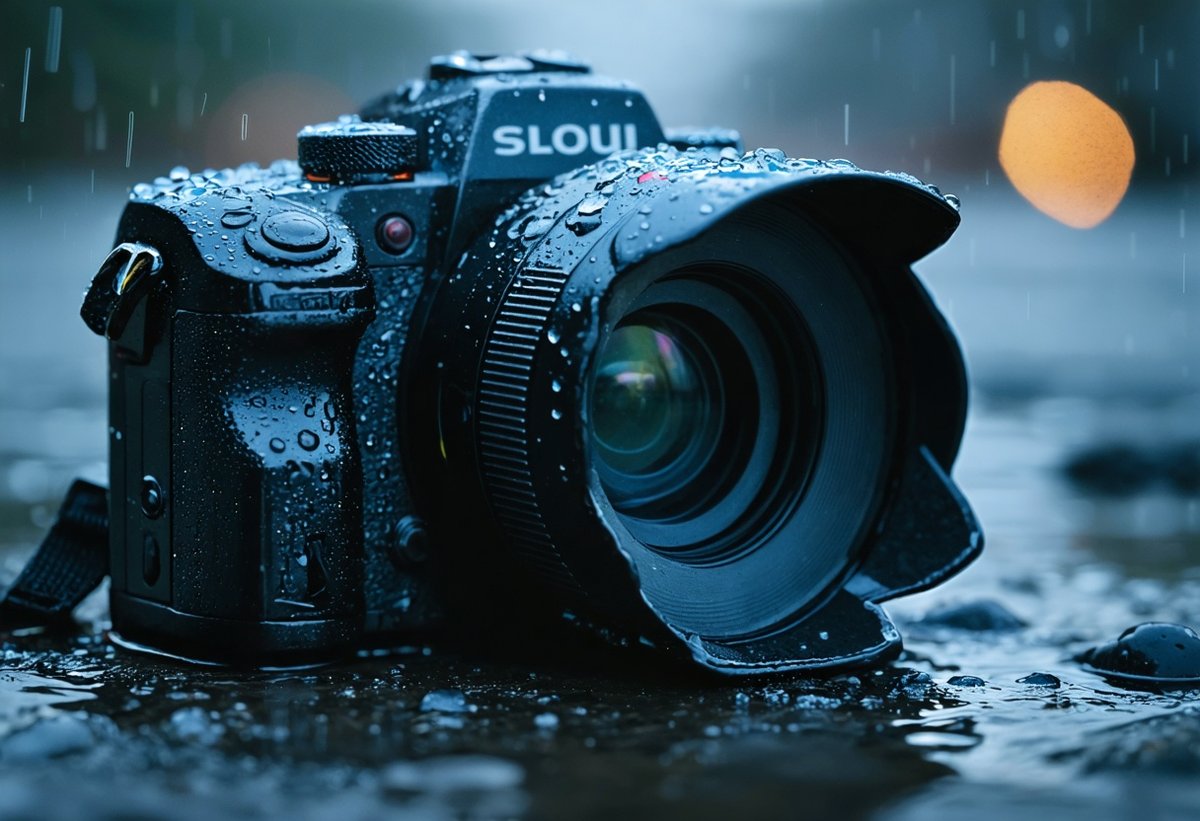
When selecting a weather-sealed camera, ensure your lenses also feature similar protection. A weather-sealed body paired with a non-sealed lens creates a vulnerable entry point for the elements. Professional-grade lenses typically include these protections, though they come at a premium. Consider this investment as insurance for your creative vision—a damaged sensor or corroded electronics can cost far more than the initial upgrade.
Packing Light: Essentials for Every Adventure
Achieving the perfect balance between necessity and convenience is an art in itself. Packing light without sacrificing essential gear is crucial for any journey. The minimalist approach not only makes travel easier but ensures that your focus remains on the experience rather than the logistics of lugging heavy equipment.
A carefully curated selection of lenses can make all the difference. A versatile zoom lens paired with a prime lens covers a wide range of scenarios without weighing you down. Additionally, a sturdy yet lightweight tripod stabilizes your shots in various environments, offering creative flexibility without extra weight.
Storage solutions are equally important. Memory cards with ample space, along with durable and weatherproof cases, ensure your captured moments are safely stored until you return home. Consider adding a portable external storage device to back up your data on the go. Selecting the right bag or backpack is vital, balancing durability, protection, and ease of access.
The Essential Lens Kit for Travel
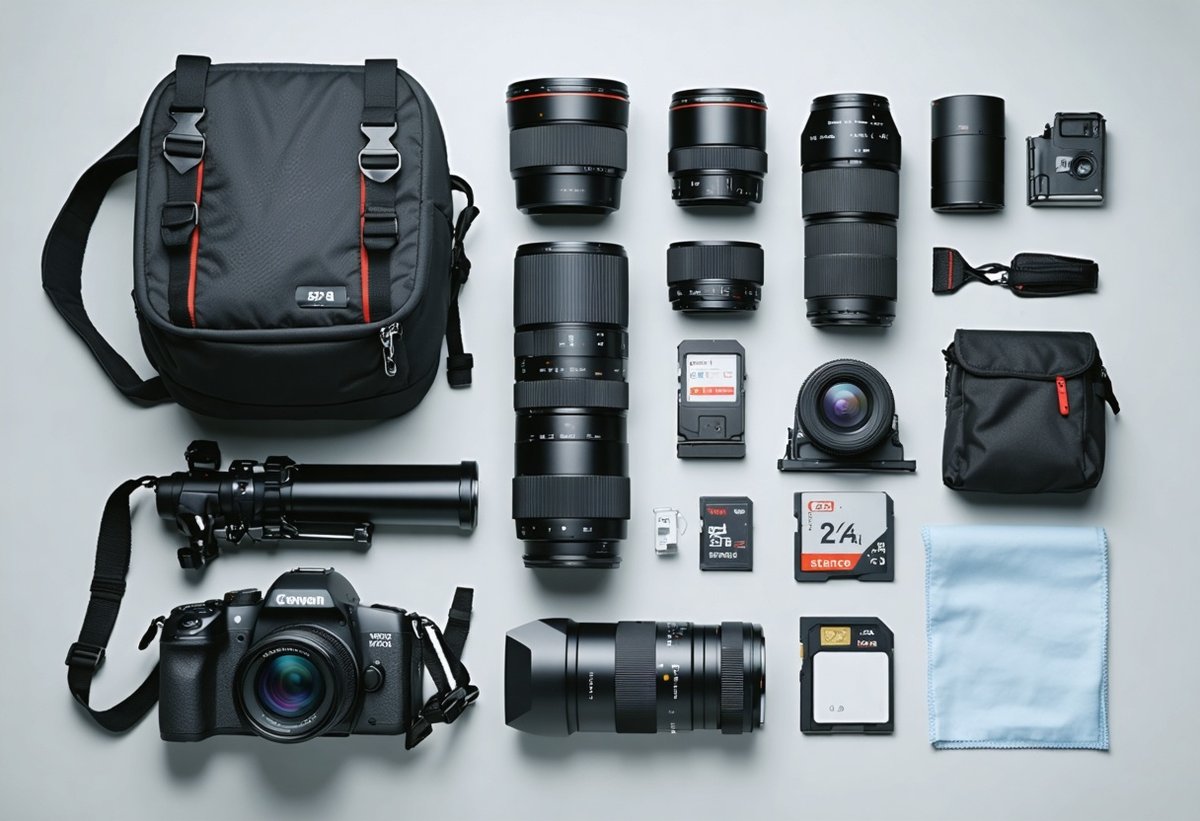
Rather than carrying your entire lens collection, select two to three lenses that cover the focal ranges you’ll need most. A 24-70mm f/2.8 zoom lens serves as an excellent workhorse, handling everything from environmental portraits to sweeping landscapes. Pair this with a 70-200mm telephoto for distant subjects and wildlife, and you’ve covered 90% of shooting scenarios.
For low-light situations or when maximum image quality is paramount, include a fast prime lens such as a 35mm or 50mm f/1.8. These lenses are typically compact and lightweight, making them perfect travel companions. They also excel in challenging lighting conditions where your zoom lenses might struggle, allowing you to continue shooting without relying on flash.
Memory Cards and Backup Strategy
Never rely on a single memory card, regardless of its capacity. Professional photographers follow the “three-two-one” backup rule: maintain three copies of your images, on two different media types, with one copy stored off-site. While traveling, this translates to shooting with dual card slots (if your camera supports it), backing up to a portable hard drive each evening, and uploading critical images to cloud storage when internet access permits.
Invest in high-quality, fast memory cards from reputable manufacturers. A card failure in the field can result in the loss of irreplaceable images. Carry multiple smaller-capacity cards rather than one large card—if a card fails or gets lost, you’ll only lose a portion of your shoot rather than everything. Label your cards clearly and establish a system for tracking which cards contain unprocessed images versus those that have been backed up.
Weathering the Storm: Protecting Your Gear
Mother Nature is both a photographer’s greatest ally and fiercest adversary. Capturing the perfect shot often requires braving the elements, but ensuring your equipment remains safe and functional is paramount. Rain, dust, and extreme temperatures pose significant threats, making it crucial to be prepared for any situation.
Weatherproofing your gear starts with the basics—a good quality rain cover for your camera and lenses can prevent water damage while shooting in wet conditions. Silica gel packs are invaluable, helping to absorb moisture and keep your equipment dry from the inside. For snowy or sandy environments, specialized cleaning kits ensure lenses remain spotless and free from debris.
Layered clothing not only keeps you comfortable but provides an added shield for your gear as you transport it from location to location. The right attire can prevent accidental bumps and bruises to your equipment, and selecting accessories that double as protection, such as a makeshift rain shield, can further safeguard against unexpected weather shifts.
Rain Protection: Beyond the Basics
Professional rain covers designed specifically for cameras provide superior protection compared to improvised solutions. These covers feature clear panels that allow you to see your camera’s LCD screen and access controls while keeping moisture at bay. For sudden downpours, a simple shower cap can serve as an emergency rain cover—keep a few in your camera bag for unexpected weather changes.
After shooting in wet conditions, never immediately seal your gear in an airtight bag. This traps moisture inside, potentially causing more damage than the rain itself. Instead, wipe down all exterior surfaces with a microfiber cloth, remove the lens and battery, and allow everything to air dry in a warm, dry location. Place silica gel packets inside your camera bag to absorb residual moisture overnight.
Extreme Temperature Challenges
Both extreme heat and cold present unique challenges for photography equipment. In hot climates, avoid leaving gear in direct sunlight or locked vehicles where temperatures can soar to dangerous levels. Heat can damage LCD screens, warp plastic components, and even separate lens elements. Use a reflective camera wrap or store equipment in the shade whenever possible.
Cold weather brings its own set of problems. Batteries drain rapidly in freezing temperatures, so carry spares in an inner pocket close to your body where your body heat keeps them warm. When moving from extreme cold to warm indoor environments, condensation can form on and inside your camera. To prevent this, place your camera in a sealed plastic bag before bringing it indoors, allowing it to gradually reach room temperature before removing it from the bag.
Dust and Sand: The Silent Killers
Fine dust and sand particles can infiltrate your camera’s most protected areas, grinding against moving parts and scratching optical elements. In dusty or sandy environments, minimize lens changes. When you must change lenses, turn your back to the wind, keep the camera body facing downward, and make the swap as quickly as possible.
Use a lens hood at all times—it provides an extra barrier against airborne particles. After shooting in dusty conditions, use a rocket blower (never compressed air, which can force particles deeper into crevices) to remove loose debris before wiping surfaces. For stubborn particles on lens elements, use lens cleaning solution and proper lens tissue, working from the center outward in a circular motion.
The Road Less Traveled: Navigating Rough Terrain
In pursuit of the perfect shot, photographers often traverse rugged landscapes and challenging terrains. These adventures demand resilience and adaptability, ensuring that both you and your gear withstand the journey. Preparing for such conditions involves not only physical readiness but strategic packing.
Selecting a camera backpack designed for endurance is critical. Models featuring padding, weather-resistant materials, and ample compartments protect your gear while providing comfort during long treks. Additionally, adjustable straps and ergonomic designs reduce strain on your body, allowing you to focus on your surroundings rather than physical discomfort.
Engaging with local knowledge can also prove invaluable. Guides or enthusiasts familiar with the region offer insights into tricky paths, hidden gems, and potential hazards, equipping you with the information needed to navigate safely and efficiently. Embracing this local wisdom facilitates your journey and enriches the stories behind each photograph.
Choosing the Right Camera Backpack
A quality camera backpack represents one of your most important gear investments. Look for models with customizable internal dividers that allow you to configure compartments based on your specific equipment. Padded dividers protect gear from impacts while hiking over uneven terrain. The backpack should distribute weight evenly across your shoulders and hips—test it fully loaded before committing to a long trek.
Side access panels allow you to retrieve your camera without removing the entire backpack, essential when you need to capture fleeting moments quickly. A tripod carrying system should be included, either side-mounted straps or a bottom compartment. Water-resistant materials and included rain covers protect against unexpected weather. Finally, ensure the backpack meets airline carry-on size requirements if you’ll be flying to your destinations.
Stabilization on Uneven Ground
Traditional tripods struggle on rocky, uneven terrain. Consider a tripod with independently adjustable legs that can be set at different heights and angles. Models with spiked feet provide better grip on soft ground, while rubber feet work better on rock. Some photographers prefer monopods for rough terrain—they’re lighter, more maneuverable, and still provide significant stabilization compared to handholding.
For ultimate versatility in challenging environments, travel tripods with convertible center columns can be positioned horizontally for low-angle shots or macro work. Ball heads offer faster adjustments than pan-tilt heads when working on uneven ground. Whatever support system you choose, practice setting it up at home until you can do it quickly and instinctively in the field.
Creative Captures: Embracing Accidental Beauty
True creativity flourishes in the spontaneous. While a well-planned shoot is rewarding, sometimes the most striking images come from moments of unintended beauty. Embracing these serendipitous moments can lead to unique images that capture the essence of the unexpected.
Every accidental capture tells its own story—an interplay of light and shadow, fleeting expressions, or a candid scene unfolding naturally. The magic lies in recognizing these opportunities when they arise and being prepared to seize them instantly. This requires an intuitive understanding of your gear and an openness to the possibilities that the unplanned can reveal.
Cultivating this mindset transforms your approach to photography, allowing you to see the world through a lens of curiosity and wonder. By honoring these moments and integrating them into your work, your portfolio becomes a richer tapestry that reflects not just precision and skill, but the raw beauty of life’s imperfections. This approach resonates particularly well with street photography, where the unexpected often yields the most compelling narratives.
Always Be Ready: The “One Camera, One Lens” Philosophy
Many legendary photographers advocate for the “one camera, one lens” approach when seeking spontaneous moments. By limiting your options, you eliminate decision paralysis and become more attuned to the creative possibilities within your current setup’s constraints. This philosophy forces you to move physically—closer to your subject or further away—rather than relying on zoom ranges.
Keep your camera easily accessible at all times. A cross-body strap keeps your camera secure yet immediately available. Configure your camera settings for quick shooting: aperture priority mode, auto ISO with appropriate limits, and continuous autofocus. This setup allows you to raise the camera and shoot within seconds when unexpected moments unfold before you.
Security Measures: Guarding Against Unexpected Risks
Traveling with valuable equipment inherently carries risks, making security a top priority. Photographers must remain vigilant, ensuring their gear is protected against theft and accidental damage. With thoughtful measures, you can minimize these risks while maximizing peace of mind.
One of the simplest yet most effective strategies is discretion. Avoid drawing unnecessary attention to your gear by using inconspicuous bags and accessories. Wearing a camera around your neck or shoulder can signal vulnerability in crowded spaces, so always be mindful of your surroundings.
Investing in insurance provides an added layer of protection, covering losses or damages that can occur despite best precautions. Additionally, maintaining a comprehensive inventory of your gear, complete with serial numbers and photographic documentation, can expedite recovery processes in the unfortunate event of theft.
Photography Equipment Insurance
Professional photography insurance differs significantly from homeowner’s or renter’s insurance. Dedicated camera insurance policies cover equipment against theft, accidental damage, and loss, both at home and while traveling. Organizations like the American Society of Media Photographers offer group insurance programs with competitive rates for members.
Before purchasing insurance, document every piece of equipment with photographs, receipts, and serial numbers. Store this documentation in cloud storage, separate from your physical gear. Many policies require proof of ownership and value for claims. Read policy fine print carefully—some exclude certain types of damage or have high deductibles that make small claims impractical.
Theft Prevention Strategies
Opportunistic theft accounts for the majority of stolen camera equipment. Never leave gear visible in vehicles, even for brief periods. Hotel rooms, while seemingly secure, are also vulnerable—use the room safe for small items and cable locks to secure bags to immovable objects. When dining or taking breaks, keep your camera bag in physical contact with your body, such as with a strap looped around your leg.
In crowded tourist areas, be aware of distraction techniques used by thieves. One person creates a commotion or asks for directions while an accomplice steals unattended bags. Work with a partner when possible, with one person always maintaining visual contact with equipment. Consider using a small combination lock on backpack zippers—it won’t stop a determined thief but prevents casual opportunistic theft.
Airport and Travel Security
Never check camera equipment in luggage. Aside from theft risk, baggage handling can damage delicate equipment despite protective cases. Carry your most valuable gear—camera bodies, lenses, and laptops—in your personal item or carry-on. Know your airline’s carry-on policies, as some budget carriers have strict size and weight limits.
At security checkpoints, request hand inspection of film if you’re shooting analog—X-ray machines can fog high-speed film, especially with repeated exposure. For digital equipment, X-ray screening is safe. Keep batteries in your carry-on, as spare lithium batteries are prohibited in checked luggage. Remove your camera from your bag during screening to expedite the process and reduce handling by security personnel.
Maintenance on the Road: Keeping Gear in Peak Condition
Regular maintenance ensures your equipment performs reliably throughout your journey. Neglecting basic care can lead to preventable failures that ruin once-in-a-lifetime shooting opportunities. Establishing a daily maintenance routine takes only minutes but provides invaluable peace of mind.
Daily Cleaning Rituals
Each evening, inspect all equipment for visible debris or damage. Use a rocket blower to remove dust from camera bodies and lenses. Check lens elements for smudges or fingerprints, cleaning only when necessary with proper lens cleaning solution and microfiber cloths. Over-cleaning can damage lens coatings, so exercise restraint.
Inspect camera straps, tripod locks, and bag zippers for wear. A failed strap or zipper can lead to dropped equipment and costly repairs. Charge batteries overnight and format memory cards after backing up images. Formatting in-camera is preferable to deleting images, as it maintains proper file structure and reduces the risk of card errors.
Sensor Cleaning in the Field
Dust spots on your sensor appear as dark spots in images, particularly visible in bright, uniform areas like skies. While sensor cleaning is best left to professionals, photographers on extended trips may need to address sensor dust themselves. Sensor cleaning kits include specialized swabs and solution designed for this delicate task.
Only clean your sensor when absolutely necessary. Use your camera’s built-in sensor cleaning function first—many cameras vibrate the sensor to dislodge loose particles. If spots persist, photograph a white surface at f/16 to identify their location. Follow sensor cleaning kit instructions precisely, using a fresh swab for each pass across the sensor. Work in a clean, dust-free environment, and never use compressed air directly on the sensor.
Emergency Preparedness: When Things Go Wrong
Despite careful planning and precautions, equipment failures and accidents happen. Preparing for these scenarios minimizes their impact on your photography and overall journey. The difference between a minor inconvenience and a trip-ending disaster often comes down to the backup plans you’ve established.
Building Redundancy Into Your Kit
Professional photographers never rely on single points of failure. If your primary camera body fails, can you continue shooting? A second camera body—even an older or less expensive model—ensures you can complete your assignment. The same principle applies to other critical equipment: carry backup batteries, memory cards, and chargers.
Create an emergency repair kit with items like gaffer tape, zip ties, small screwdrivers, super glue, and a multi-tool. These simple items can temporarily repair broken straps, secure loose components, or improvise solutions to unexpected problems. Include contact information for camera repair shops at your destination—research these before departure, as finding qualified repair services in unfamiliar locations under time pressure is challenging.
When Gear Gets Wet
If your camera gets soaked despite precautions, immediate action is critical. Remove the battery and memory card immediately to prevent short circuits. Do not attempt to turn the camera on to test if it still works—this can cause irreparable damage. Gently shake out excess water and dab surfaces with an absorbent cloth.
Place the camera in a sealed container with silica gel packets or uncooked rice to absorb moisture. Allow at least 48-72 hours of drying time before attempting to power on the camera. For saltwater exposure, rinse the camera with fresh water first—salt crystals cause more damage than the water itself. Even if the camera appears to function after drying, have it professionally serviced as soon as possible to address potential corrosion.
Homeward Bound: Cherishing Memories and Lessons
As your journey concludes and you head homeward, it’s a time to reflect on the experiences and moments captured along the way. Photography is more than the images created; it’s about the adventures and lessons learned throughout the process. Each trip enriches your artistry, deepening your connection to the world around you.
Post-trip, taking the time to organize and review your photographs can be a poignant exercise. It allows you to appreciate the beauty of the captured moments and also analyze your work critically, identifying strengths and areas for improvement. This practice not only refines your skills but keeps the memories of the journey alive.
Ultimately, each journey through the lens is a step in your personal and professional growth. Cherish the memories, safeguard the lessons learned, and prepare for the next adventure. Armed with experience and inspired by the world, you are poised to continue capturing the extraordinary, one photograph at a time.
Post-Trip Equipment Inspection
Upon returning home, conduct a thorough inspection of all equipment. Check for any damage that may have occurred during travel. Test all functions of camera bodies and lenses. Look for signs of moisture intrusion, unusual sounds, or sticky controls that might indicate developing problems.
Clean all equipment thoroughly, paying special attention to areas that accumulated dirt during your travels. Remove and inspect camera bags, cleaning out accumulated debris. This is an ideal time to reorganize your gear, replacing worn items and restocking consumables like cleaning supplies and spare batteries. Document any damage for insurance purposes and schedule professional servicing if needed.
Archiving and Organizing Your Images
Develop a consistent system for importing, organizing, and archiving images from each trip. Create a folder structure that makes sense for your workflow—many photographers organize by date and location. Add keywords and metadata during import to make images searchable later. The Getty Museum offers excellent resources on proper image archiving practices for long-term preservation.
Maintain multiple backup copies following the three-two-one rule mentioned earlier. External hard drives fail eventually, so refresh your backup storage every few years. Consider cloud storage for your best images—services specializing in photography offer unlimited storage for high-resolution files. Print your favorite images; physical prints serve as both artwork and an additional backup format that doesn’t rely on technology.
Reflecting on Your Photographic Journey
Set aside time to review your images not just technically but emotionally. Which photographs resonate most strongly? What stories do they tell? This reflection helps you understand your evolving artistic voice and guides future creative decisions. Share your work with trusted peers for constructive feedback—fresh perspectives often reveal strengths and weaknesses you might miss.
Document lessons learned about gear protection and travel logistics. What worked well? What would you do differently next time? These notes become invaluable when planning future trips, helping you refine your approach with each journey. Photography is a continuous learning process, and each adventure contributes to your growth as both artist and craftsperson.
In the world of photography, each journey is a blend of preparation and spontaneity, where safeguarding your gear is as crucial as the images you capture. As you travel and explore, remember that every precaution taken allows you to focus more on the art, enriching both your experience and the stories you tell through your lens. Life’s countless vistas await; embrace them with readiness and passion, secure in the knowledge that your gear stands ready to bring your visions to life. Whether you’re documenting historic moments or capturing intimate portraits, proper gear protection ensures you never miss the shot that matters.